

Understanding health needs for Schnauzers is very important. These dogs are great family pets. However, they have some health problems. For instance, studies say Miniature Schnauzers have a 5% chance of getting pancreatitis in their lifetime. If you act early and deal with these issues, you can help your furry friend live a healthier life.
Key Takeaways
Learn about health risks that Schnauzers may have. Going to the vet often and doing genetic tests can find problems early.
Give your Schnauzer a healthy diet. Use nutrition rules to stop health issues from bad eating.
Make sure your Schnauzer exercises regularly. Daily movement helps their body and mind stay healthy, which helps them live longer.
Genetic Health Risks
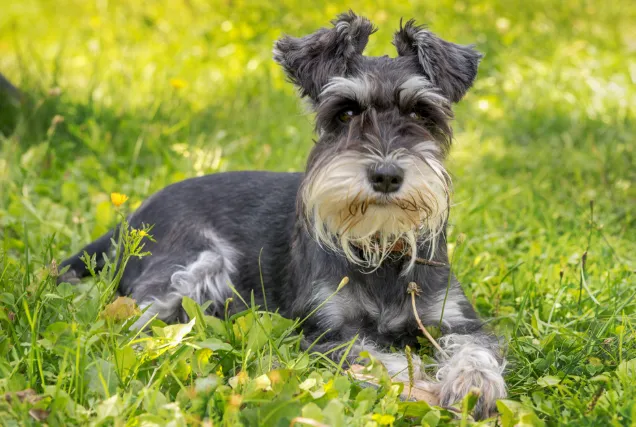
Schnauzers, like other dog breeds, have certain genetic health risks. Knowing these risks helps you take steps to keep your dog healthy. Here are some common genetic problems that can affect Schnauzers:
- Persistent Mullerian Duct Syndrome (PMDS)
- Degenerative Myelopathy (DM)
- Demyelinating Polyneuropathy
- Myotonia Congenita
- Progressive Retinal Atrophy
These problems can cause serious health issues if not treated early. For example, Miniature Schnauzers often get diabetes, liver issues, and heart disease. Regular vet visits can help find these problems before they get worse.
Genetic testing is very important for managing these health risks. It helps you find out if your dog has risk factors for diseases, like Type B Progressive Retinal Atrophy (PRA). Studies show that dogs with the Type B PRA risk factor have an 86% chance of getting the disease. To lower this risk, at least one parent should be tested and confirmed as clear before breeding.
Here are some key benefits of genetic testing:
- It helps find inherited diseases early.
- It guides breeding choices to lower health risks.
- It can decrease the chances of problems like PRA, which many Schnauzers have.
By knowing about genetic health risks and using genetic testing, you can make smart choices that help your Schnauzer live a healthier life.
Dietary Health Needs

Schnauzers need a balanced diet to stay healthy. Good nutrition helps them grow, have energy, and feel good overall. Here are the main nutritional needs for adult Schnauzers:
| Nutrient Type | Recommended Percentage |
|---|---|
| Protein | 18-25% |
| Fat | 10-15% |
| Fiber | Adequate |
| Daily Calories | 575 to 775 kcal |
| Feeding Portion | 0.5 to 1 cup |
These guidelines help make sure your Schnauzer gets the right nutrients. An unbalanced diet can cause serious health problems. For example, a 6-month-old giant Schnauzer had trouble walking because of a vitamin D lack from a bad homemade diet. This shows how important it is to feed them properly while they grow.
Schnauzers can also have food allergies. They are sensitive to some proteins like chicken and beef. Common signs of food allergies are:
- Itchy skin
- Vomiting
- Diarrhea
- Stomach problems
If you see any of these signs, talk to your vet. They can help find out what is bothering your Schnauzer. Here are some common signs of food sensitivities:
- Vomiting and diarrhea
- Itchy skin that may cause scratching and hair loss
- Licking paws because of itchiness
By knowing your Schnauzer's dietary needs and possible allergies, you can take steps to keep them healthy and happy.
Exercise for Good Health
Schnauzers need regular exercise to be happy and healthy. Daily activity helps them avoid obesity, which is a common problem for this breed. It also supports heart health, builds strong muscles and joints, and keeps their minds active. All these things help your Schnauzer live a longer and healthier life.
Daily Activity
How much exercise your Schnauzer needs depends on their size. Here’s a quick guide for how long they should exercise:
| Schnauzer Size | Recommended Duration of Exercise |
|---|---|
| Giant Schnauzers | 1.5 to 2 hours |
| Standard Schnauzers | 1 to 1.5 hours |
| Miniature Schnauzers | 30 to 60 minutes |
Make sure to follow these daily exercise needs. This will help keep your Schnauzer moving well and healthy.
Exercise Types
Getting your Schnauzer to do different kinds of exercise can keep them fit and happy. Here are some good options:
- Daily Walks: Take fast walks so your Schnauzer can see new things.
- Playtime: Play fun games like fetch and tug-of-war to keep them busy.
- Off-Leash Time: Let your Schnauzer run freely in a safe place.
- Swimming: This gentle exercise is great for their joints and is a fun way to stay active.
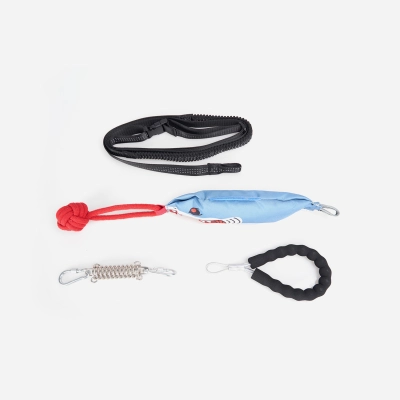
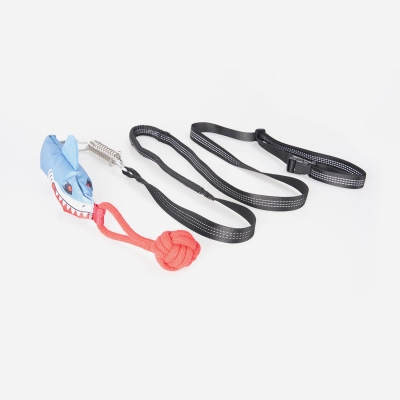
- Mental Stimulation: Use Spring Pole Dog Toys For Tug Of War, training, scent games, playdates, and agility training to keep their minds sharp.
By making sure your Schnauzer gets enough exercise, you help them live a healthier life. Regular activity not only makes them fit but also improves their mood and behavior.
Preventive Health Care

Vet Check-ups
Regular vet check-ups are very important for your Schnauzer's health. You should schedule visits every 6 to 12 months for full exams. These check-ups help you find health problems early. It is best to have at least one vet visit each year. Regular visits can help manage issues like dental disease and skin problems.
Vaccination
Vaccinations keep your Schnauzer safe from serious diseases. Follow a vaccination schedule to keep your dog healthy. Here’s a vaccination timeline for Schnauzer puppies and adults:
| Age (Weeks) | Vaccines Given |
|---|---|
| 6 | DHPP CORE (Canine Distemper, Adenovirus Type 2, Parainfluenza, Parvovirus, Coronavirus) |
| 9 | DHPP CORE + Leptospirosis Vaccine (Grippotyphosa, Icterohaemorrhagiae, Pomona) |
| 12 | DHPP CORE + Leptospirosis Vaccine + Bordetella Vaccine |
| 16 | DHPP CORE + Optional Leptospirosis Vaccine |
By keeping up with vaccinations, you help protect your Schnauzer from diseases that can be prevented. Talk to your veterinarian for advice on your dog's vaccination needs. Taking these preventive steps helps your Schnauzer stay a happy and healthy part of your family.
Dental Health for Schnauzers
Oral Hygiene
Keeping your Schnauzer's mouth clean is very important for their health. If you don’t take care of their teeth, they can get gum disease quickly. In fact, 80% of dogs have dental problems by age two. Schnauzers are more likely to have these issues. To stop these problems, create a routine for their mouth care that includes:
- Brushing their teeth every day
- Taking them to the vet for dental check-ups
- Giving them dental chews along with brushing
These steps help keep your Schnauzer's teeth and gums in good shape.
Dental Issues
Dental disease is the most common long-term problem in dogs. Many dogs have it by age two. Miniature Schnauzers often get dental issues that start with tartar build-up. If you don’t treat these problems, they can cause serious infections, tooth loss, and even harm important organs. Regular cleanings at the vet and care at home are very important to prevent this.
In short, focus on your Schnauzer's dental health by brushing their teeth daily and going to the vet regularly. This smart plan can help you avoid serious health problems later on.
Skin Health Concerns
Skin Problems
Schnauzers can have different skin issues that affect their health. Here are some common skin problems to look out for:
- Schnauzer Comedo Syndrome: This condition causes black, crusty bumps on the back. You might see raised spots that look like pimples, hair loss, thick skin, and itchiness. Red and irritated skin can also show up, sometimes with a strong smell. The causes include genetics and blocked oil glands.
Prevention
You can do several things to stop skin problems in your Schnauzer. Here are some good strategies:
- Regular Grooming: Brush your Schnauzer’s coat to get rid of dirt, debris, and loose hair. This helps lower the chance of skin infections.
- Balanced Nutrition: Give a diet full of important nutrients, including omega-3 fatty acids. Good nutrition helps keep skin healthy.
- Parasite Prevention: Use flea and tick preventatives that your vet recommends. These pests can cause skin irritation and infections.
- Skin-Friendly Products: Pick shampoos and conditioners made for dogs. These products help keep skin healthy.
- Monitor Skin Changes: Check often for signs of irritation, redness, or strange lumps. Finding problems early can stop serious issues.
- Vet Visits: Plan regular visits to the vet. This helps you catch any skin problems early.
By following these preventive steps, you can help your Schnauzer have healthy skin and overall well-being.
Weight Management
Obesity Risks
Obesity is a big health problem for Schnauzers. It can cause joint pain, metabolic issues, stomach problems, back pain, and heart disease. All types of Schnauzers, like Miniature, Standard, and Giant, can have these risks. Keeping your Schnauzer at a healthy weight is very important for their health.
Weight Guidelines
To keep a healthy weight, you need to know the right weight for your Schnauzer. Here are the usual weight ranges:
- Miniature Schnauzers: 12 to 20 pounds
- Standard Schnauzers: 30 to 50 pounds
- Giant Schnauzers: 55 to 85 pounds
Check your Schnauzer's weight often to notice any changes. If your dog starts to gain weight, change their food and exercise plan. You can also ask your vet for advice that fits your dog.
To help your Schnauzer stay at a healthy weight, try these tips:
- Measure their food portions carefully.
- Give them regular exercise, like daily walks and and playing with Automatic Ball Thrower For Dogs.
- Don’t give too many treats, especially high-calorie ones.
By following these tips, you can help your Schnauzer be healthier and happier in your family.
Joint Health Issues
Schnauzers can have joint health problems, especially hip and elbow dysplasia. These issues can cause arthritis, which leads to pain. Research shows that acting early can help a lot. Keeping your dog at a healthy weight is very important. Overweight dogs may get arthritis sooner than those who are not overweight.
Joint Issues
Look for signs of joint problems in your Schnauzer. Common signs include:
- Trouble standing up or lying down
- Limping or using one leg less
- Not wanting to jump or go up stairs
- Less active than usual
If you see any of these signs, talk to your vet for a proper diagnosis and treatment plan.
Care and Supplements
To help your Schnauzer's joints, think about adding some supplements to their food. Here are some tips:
- Pick a supplement with several active ingredients like glucosamine, MSM, chondroitin, and turmeric for the best results.
- Check how much of the active ingredients are in it; aim for 20 mg of glucosamine for every pound your dog weighs.
Besides supplements, regular exercise helps keep their joints working well. Get your Schnauzer involved in low-impact activities, like swimming or gentle walks, to keep their joints healthy. By taking care of joint health, you can help your Schnauzer live a more active and comfortable life.
Eye Health in Schnauzers
Eye Conditions
Schnauzers can have different eye problems that might affect their sight. Here are some common issues to look out for:
- Cataracts: You may see white spots or cloudiness in the lens. This can make it hard to see and might cause blindness.
- Cherry Eye: A red bump may appear in the corner of the eye. This happens when the third eyelid comes out of place. It doesn’t hurt, but surgery is usually needed.
- Conjunctivitis (Pink Eye): Signs include swollen eyelids, redness, too much tearing, and thick discharge. If not treated, this can harm the cornea.
- Eye Ulcers: Painful sores on the cornea can cause redness and swelling. Get medical help right away if you think this is happening.
- Glaucoma: Look for big pupils, red eyes, and cloudy corneas. This can lead to blindness if not treated quickly.
- Dry Eye (KCS): Not enough tears can cause pain and infections. Prescription medicine is often needed.
- Entropion: This makes the eyelid roll inward, causing irritation. Surgery is usually needed to fix it.
- Ectropion: Here, the eyelid rolls outward, showing the inner eyelid. Treatment may include drops or ointments.
- Red Eye: Many issues can cause this, and it means you should see a vet.
- Aging Eyes: Older dogs may have vision changes, like nuclear sclerosis, which looks like a bluish gray haze.
Eye Exams
Regular eye exams are very important for your Schnauzer's eye health. Here’s a suggested schedule for eye exams based on certain conditions:
| Condition | Recommended Frequency |
|---|---|
| At diabetes diagnosis | Full eye exam |
| For all diabetic dogs | Every 6 months |
| If early cataract changes are found | Every 3 months |
| If sudden vision changes happen | Right away |
By keeping up with these exams, you can find problems early and help your Schnauzer stay healthy.
Ear Health Management
Ear Infections
Schnauzers often get ear infections. These infections can hurt and cause serious health problems if not treated. The main reasons for ear infections are:
| Cause of Ear Infection | Description |
|---|---|
| Bacterial Infection | This is the most common reason for ear infections. Common bacteria include Staphylococcus, Pseudomonas, and Proteus. |
| Epithelial Homeostasis | This is kept by good skin bacteria. If this balance is upset, it can cause inflammation and sickness. |
| Environmental Changes | Changes in the ear canal can help bacteria grow too much. |
Watch for signs of ear infections. These signs include shaking their head, scratching their ears, or strange smells. If you see any of these signs, talk to your vet right away.
Care Tips
Preventing ear infections is very important for your Schnauzer's health. Here are some helpful care tips:
- Clean your dog's ears regularly to remove dirt and stop infections.
- Use a good ear cleaner to avoid hurting their ears.
- Ask your vet how often to clean their ears.
By following these tips, you can keep your Schnauzer's ears healthy. Regular cleaning helps reduce dirt, bacteria, and yeast that can cause infections. Always pick a good ear cleaner that won’t irritate their ears.
By taking care of your Schnauzer's ears, you can help them avoid painful infections and stay healthy overall.
Mental Health for Dogs
Schnauzers, like all dogs, can feel stress and anxiety. It's important to notice the signs of stress for their health. Here are some common signs that your Schnauzer might be anxious:
- Fear of Strangers: Miniature Schnauzers often feel scared of new people, which can show anxiety.
- Aggression: Miniature Schnauzers may act aggressive towards strangers, which is a big sign of stress.
- Excessive Barking: If your Schnauzer barks more than normal, it could mean they are stressed or uncomfortable.
- Destructive Behavior: Chewing on furniture or digging can mean your dog is anxious or bored.
Knowing these signs helps you take steps to support your Schnauzer's mental health.
Mental Stimulation
Giving your Schnauzer mental stimulation is very important for their happiness and health. Keeping their minds busy can help stop boredom and lower anxiety. Here are some fun activities to try:
- Puzzle Feeders: These make mealtime a fun challenge. They slow down fast eaters and keep them thinking.
- Obstacle Courses: Create a course to help with agility and coordination. This also helps them solve problems.Canine Agility Training Equipment can also be used
- Treasure Hunts: Let your Schnauzer use their nose to find treats. This helps them focus and pay attention.
- Interactive Play: Games like fetch, tug-of-war, and hide-and-seek keep your dog active and engaged.
- Obedience Training: Teaching basic commands with positive reinforcement helps their minds and strengthens your bond.
By adding these activities to your Schnauzer's daily routine, you can help them stay mentally sharp and emotionally healthy. Remember, a well-stimulated dog is a happy dog!
To keep your Schnauzer healthy, you need to know about genetic risks, diet, exercise, and preventive care. Regular vet visits and vaccinations are very important. By following these steps, you can help your Schnauzer stay happy and healthy. Always talk to your veterinarian for care that fits your dog's needs.
FAQ
What are common health issues in Schnauzers?
Schnauzers often face health issues like diabetes, skin problems, and dental disease. Regular vet visits help catch these early.
How can I maintain my Schnauzer's weight?
You can maintain your Schnauzer's weight by providing a balanced diet and regular exercise. Monitor their food portions closely.
When should I take my Schnauzer to the vet?
You should take your Schnauzer to the vet for annual check-ups and vaccinations. Early detection of health issues is crucial.


Blog comments
0 Comments