What Probiotic Is Good For Dogs?
A good probiotic for dogs should contain beneficial strains, have high viability, and be suitable for the dog's specific needs.
Beneficial Strains:
Bifidobacterium: Can inhibit the growth of harmful bacteria and promote the absorption of minerals. It is suitable for puppies with immature immune systems and dogs with sensitive stomachs.
Saccharomyces boulardii: Known for its strong anti-inflammatory effect, it can effectively relieve diarrhea. It is not inactivated by antibiotics, making it an ideal choice for dogs taking antibiotics. It is also beneficial for elderly dogs as it can stimulate the secretion of substance P in the intestinal nerves and improve cognitive function.
Lactobacillus acidophilus: Can adjust the intestinal microenvironment and promote the growth of beneficial bacteria. It helps in decomposing food and producing lactic acid and other beneficial substances, which is conducive to maintaining the balance of the intestinal flora.
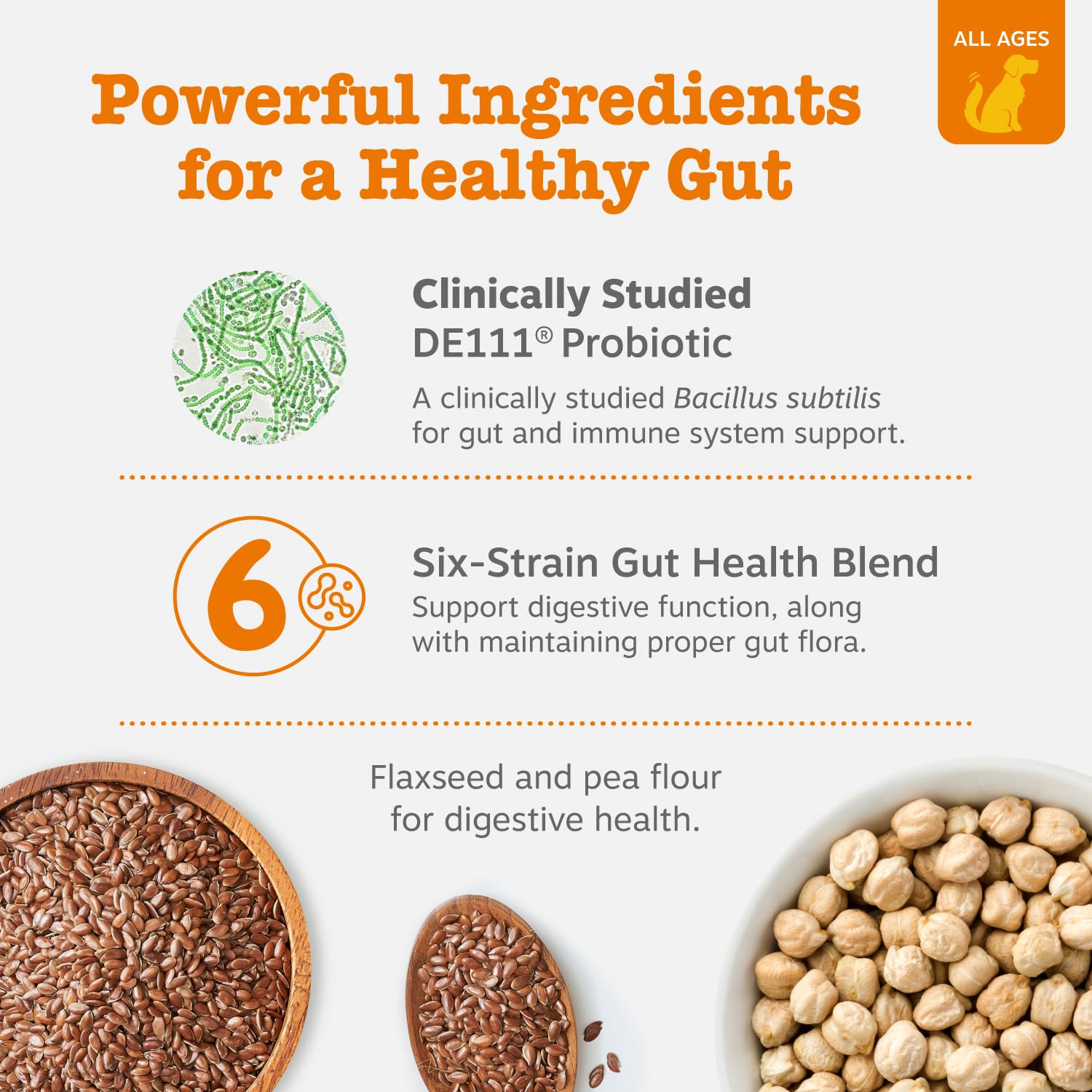
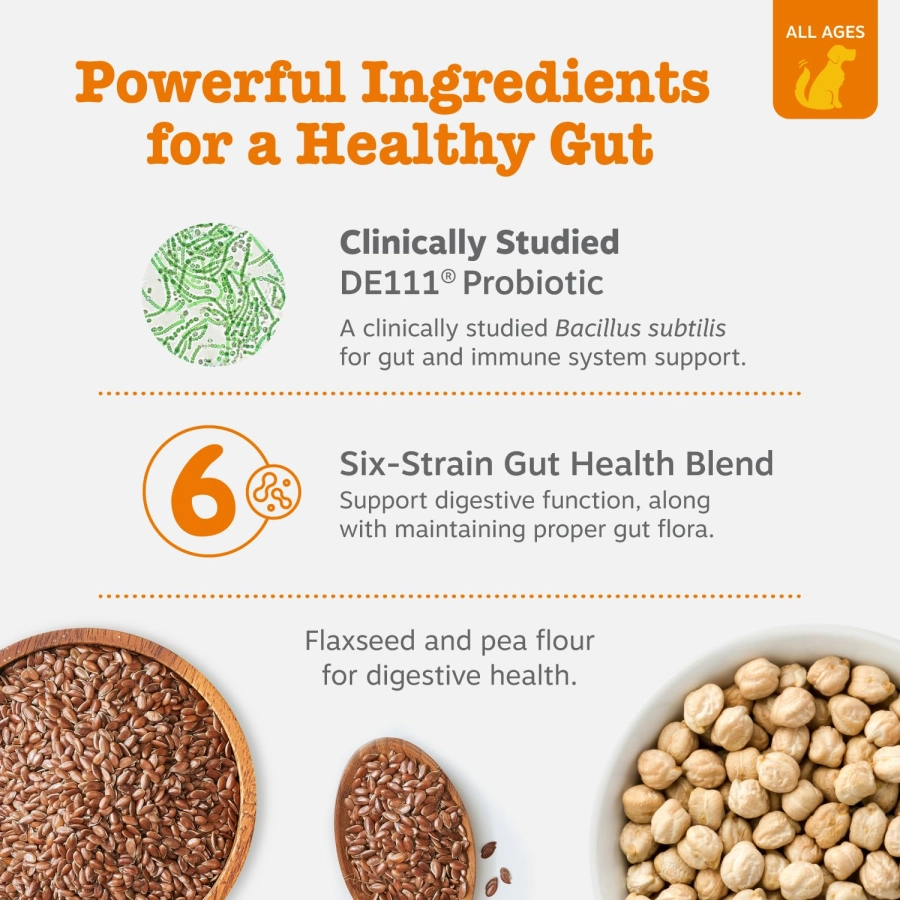
Bacillus subtilis: Has strong tolerance and can form spores in the dog's intestine to resist the erosion of stomach acid and bile. It can produce various enzymes, such as amylase and protease, to improve the digestibility of food.
High Viability: Probiotics need to be able to withstand the acidic environment of the stomach and reach the intestine alive to play a role. The viable bacteria count should reach an effective dose of \(10^{8}-10^{11}\) cfu/g. Products with a high acid tolerance rate, such as Saccharomyces boulardii with an acid tolerance rate of over 85%, are more likely to function effectively.
Suitable for Specific Needs:
For puppies, it is advisable to choose probiotics with mild strains, such as Bifidobacterium and Lactobacillus acidophilus composites.
For adult dogs, broad-spectrum probiotics with multiple strains can be selected. For dogs with sensitive stomachs, probiotics containing Saccharomyces boulardii or Lactobacillus reuteri are recommended.
For dogs with diarrhea, constipation, or food allergies, specific strains such as Bifidobacterium animalis, Lactobacillus acidophilus, and Bacillus coagulans can be selected according to the symptoms.
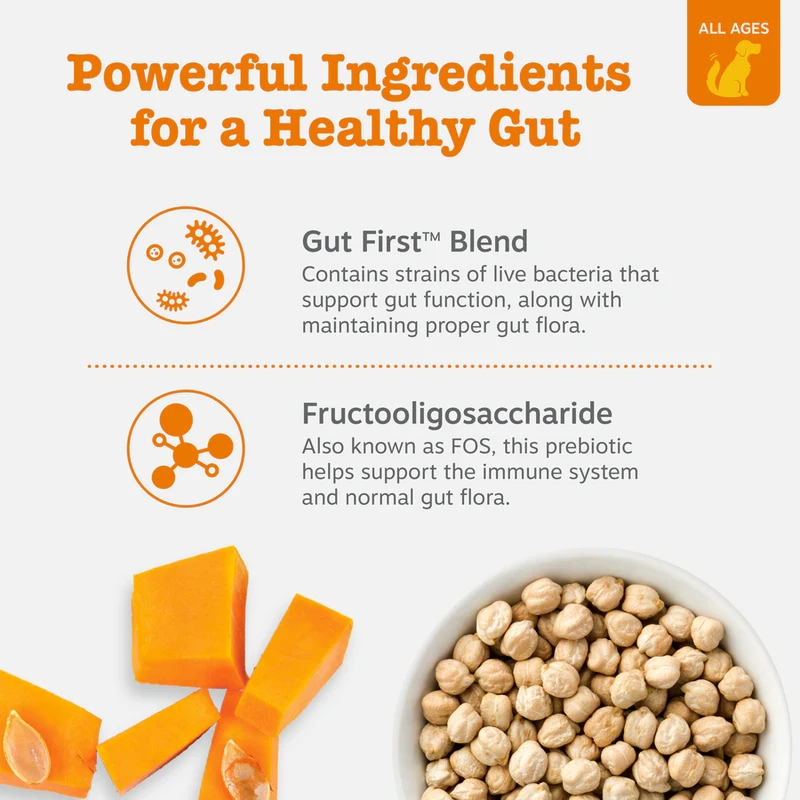
Additional Ingredients: Some good probiotic products will also add prebiotics, such as fructooligosaccharides and galactooligosaccharides, which can promote the growth and reproduction of probiotics and enhance the effect of probiotics. At the same time, products without harmful impurities, artificial flavors, and colors are more secure and reliable.

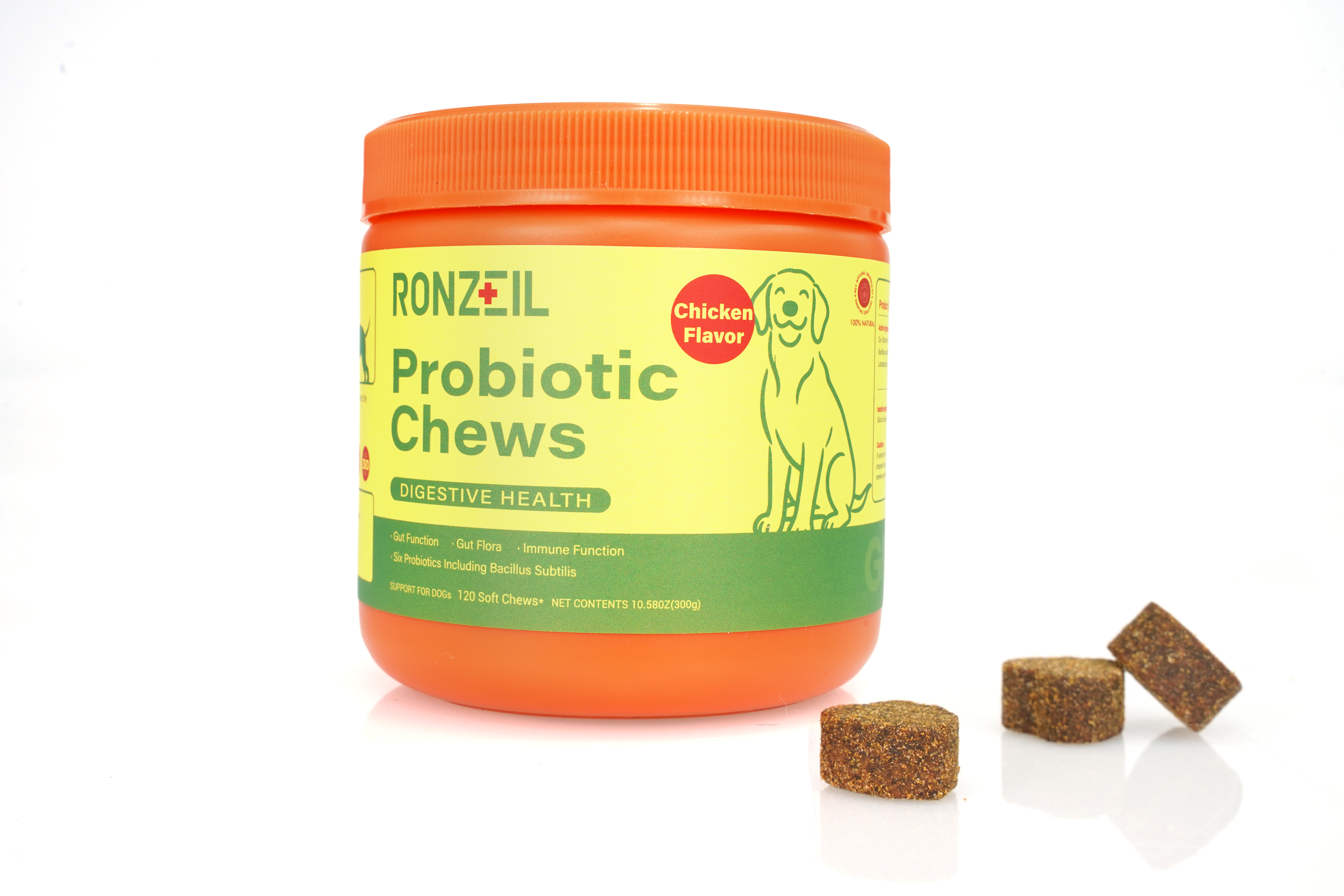
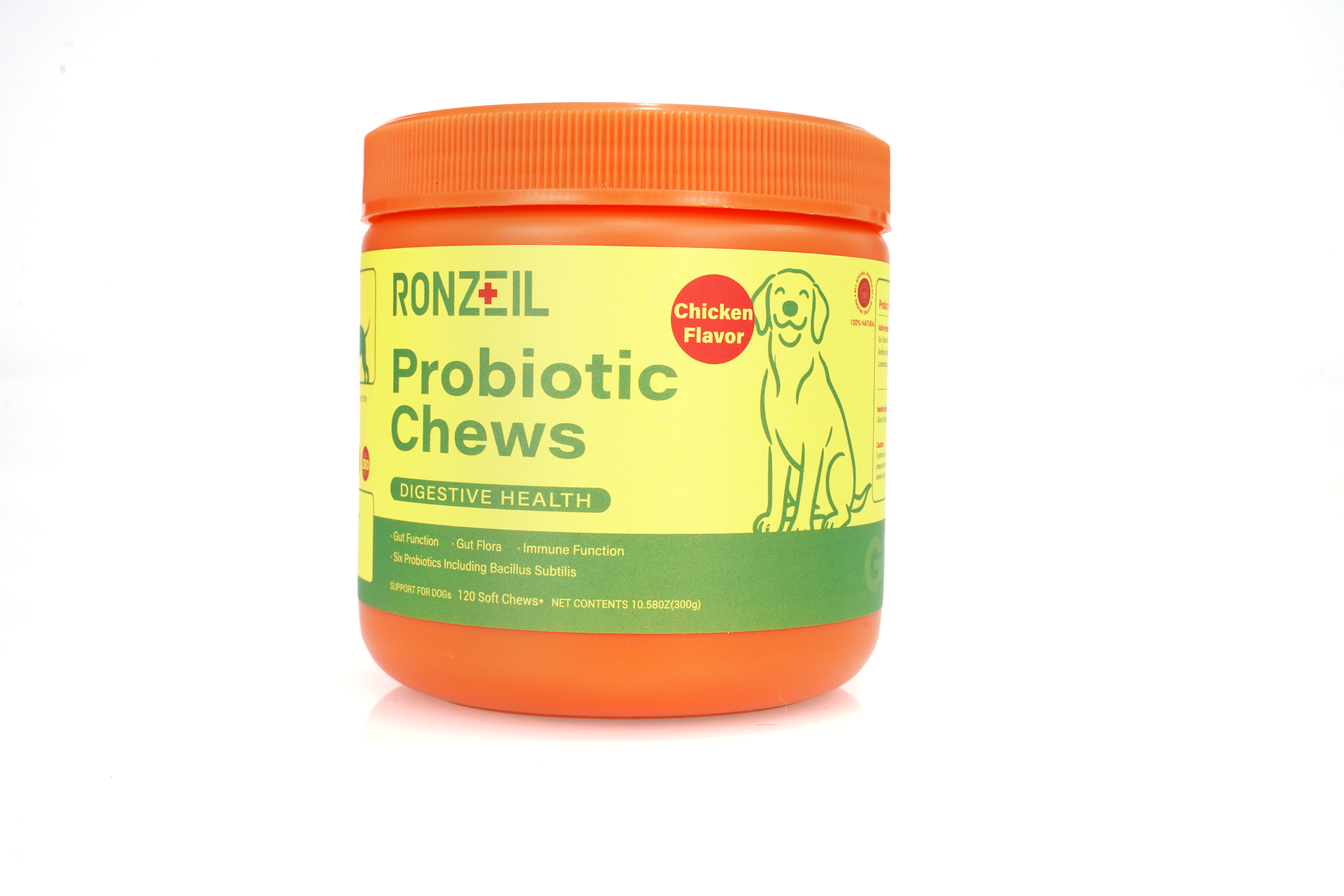
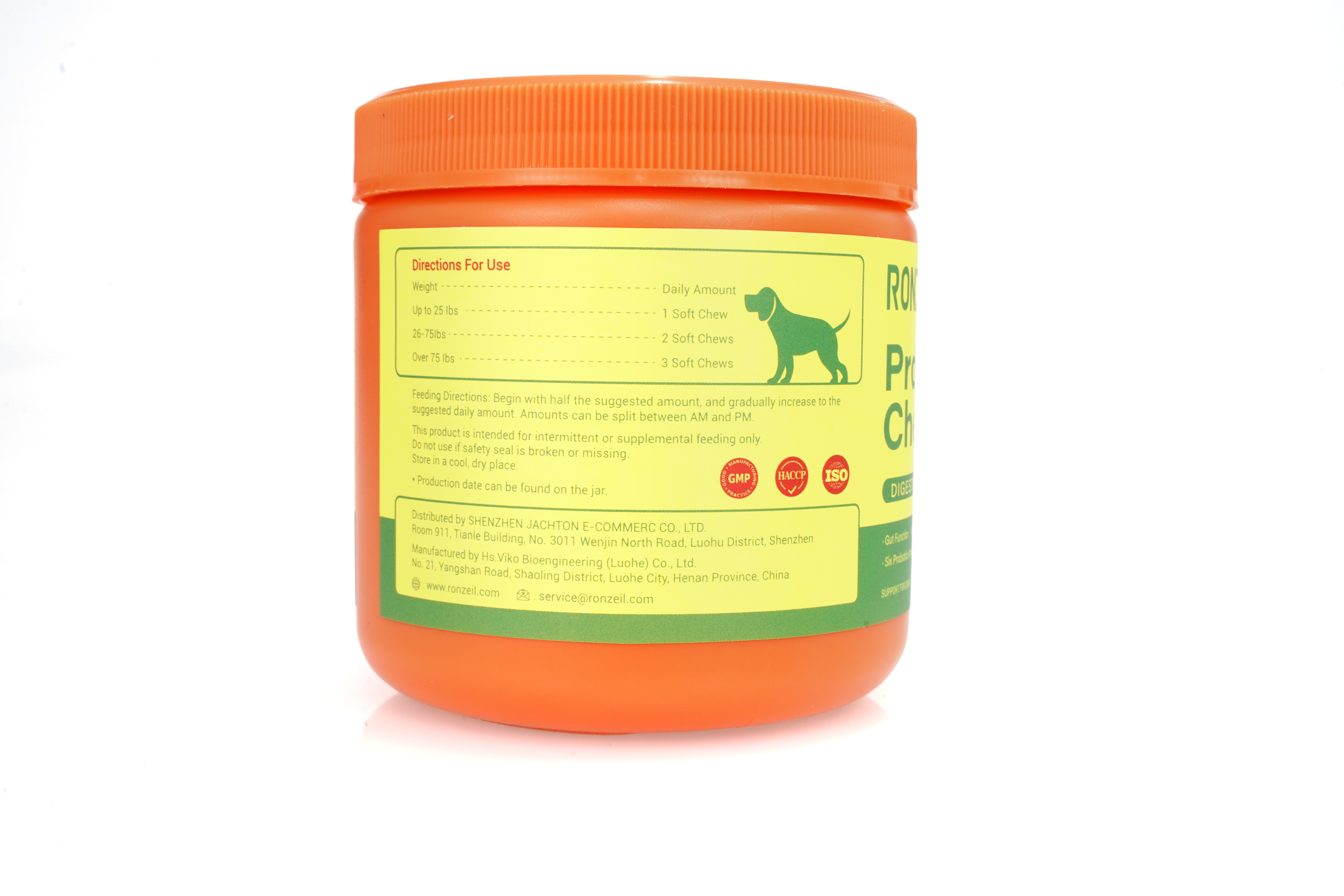
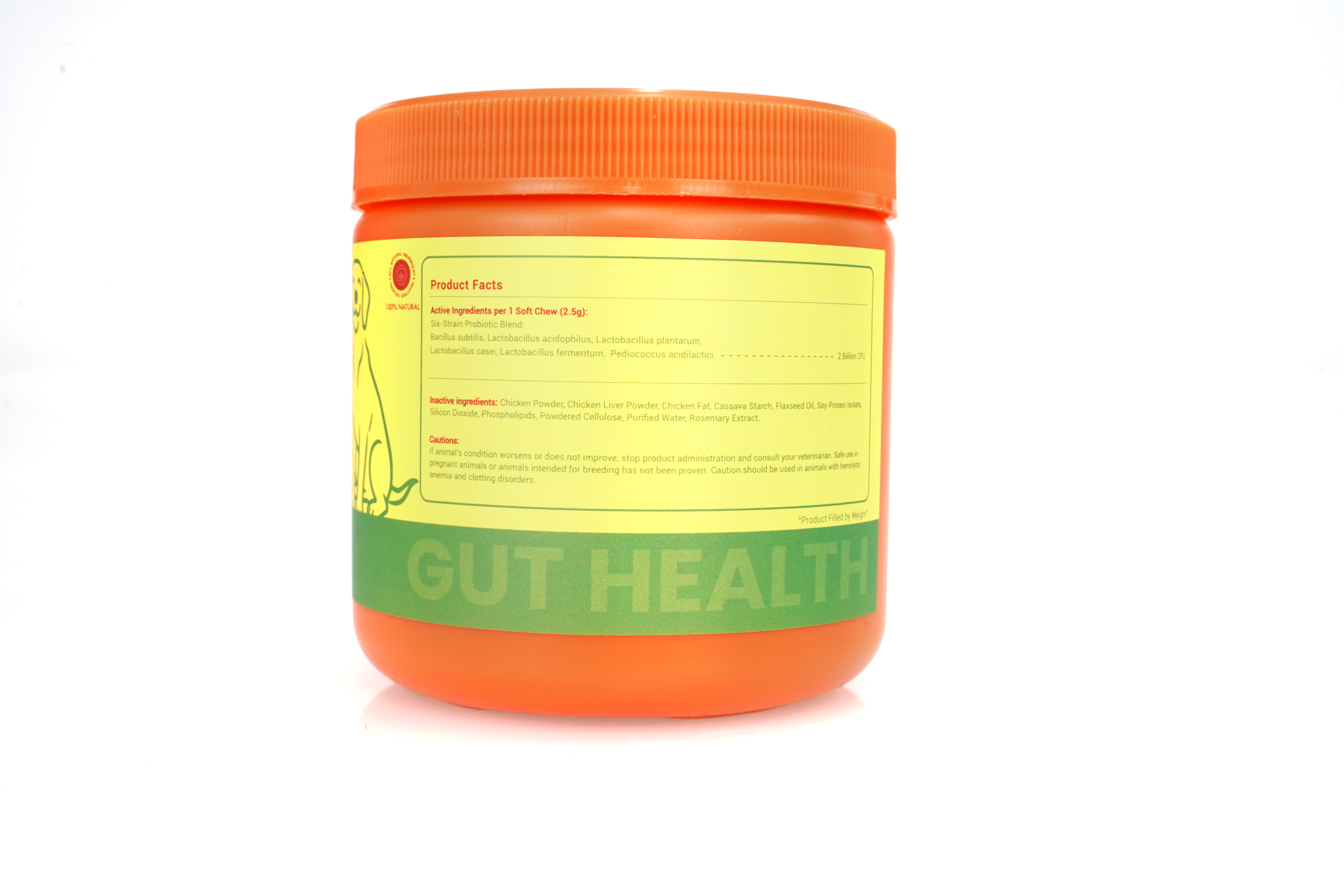























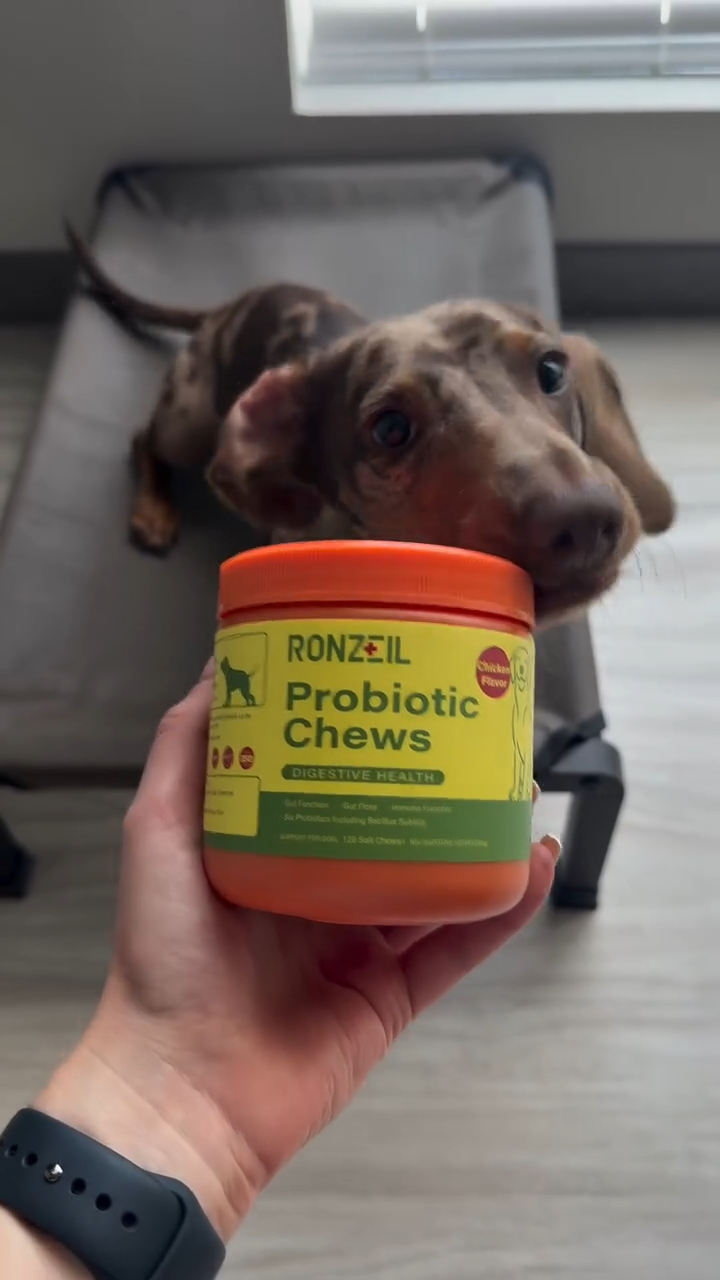







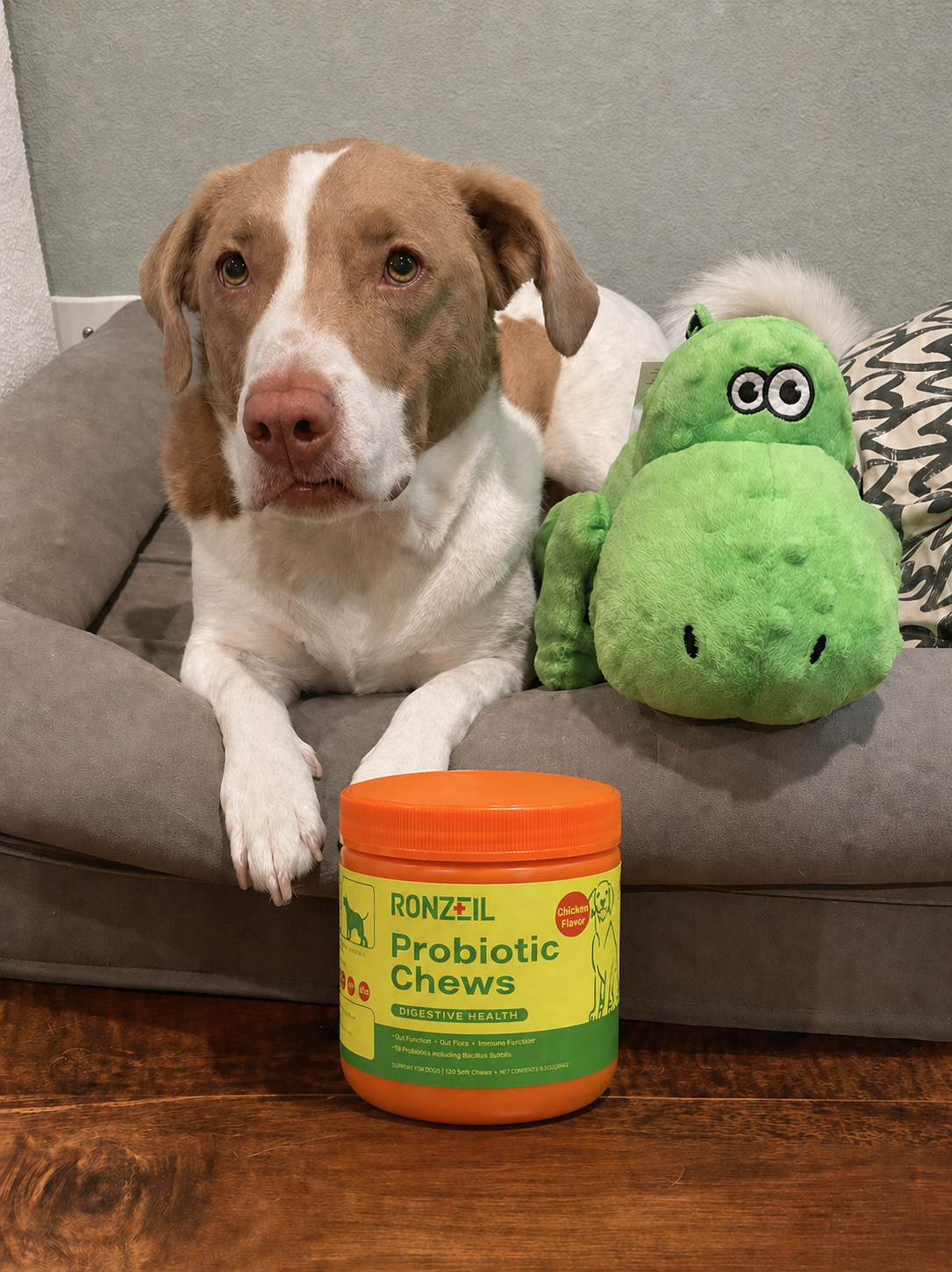

Customer Feedback
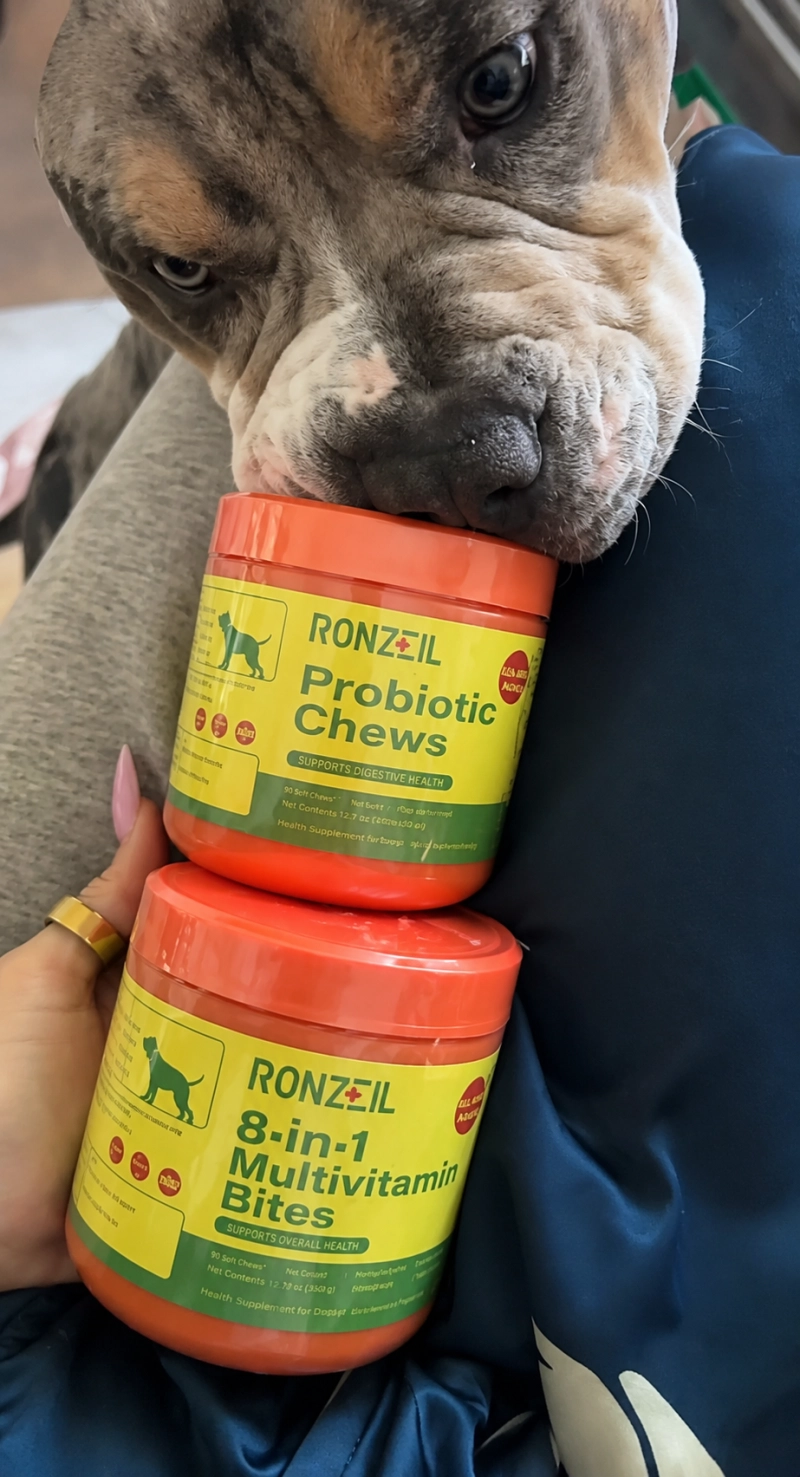
Belgian Malinois don’t slow down — so we make sure their gut health keeps up. 🐾 Daily probiotics help support digestion and keep them feeling light, active, and ready for training. Because performance starts from within 💪
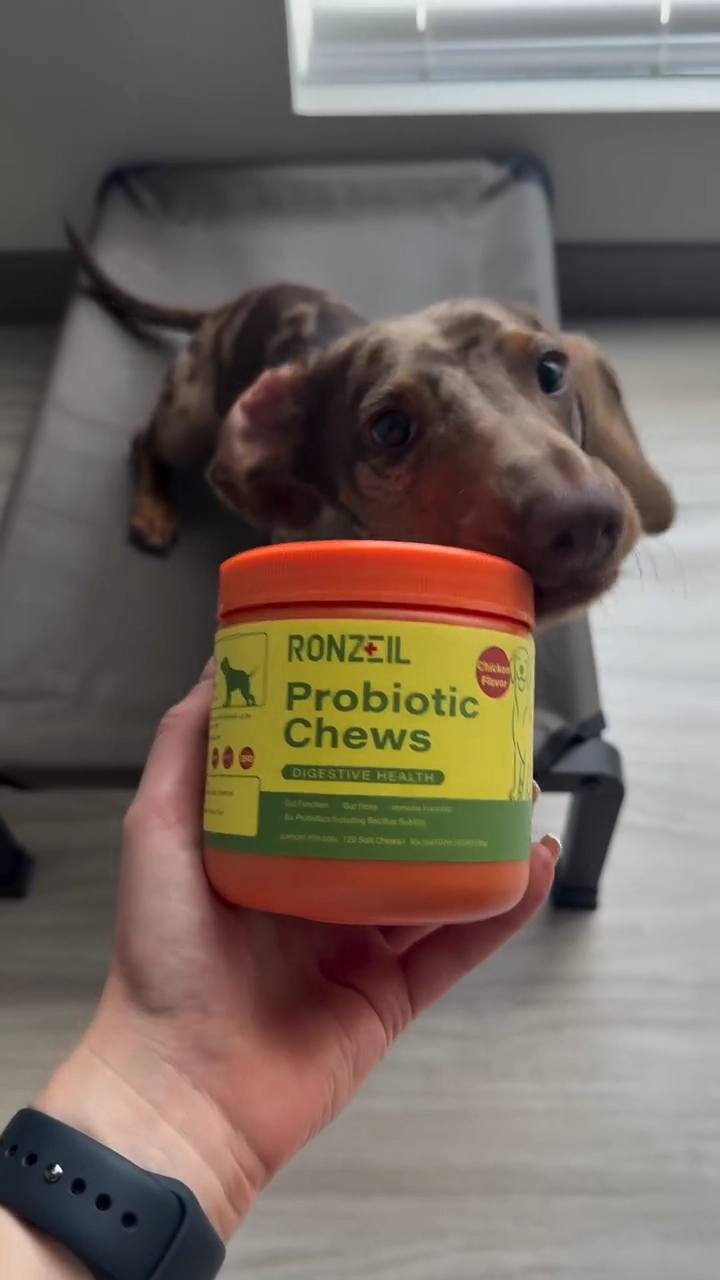
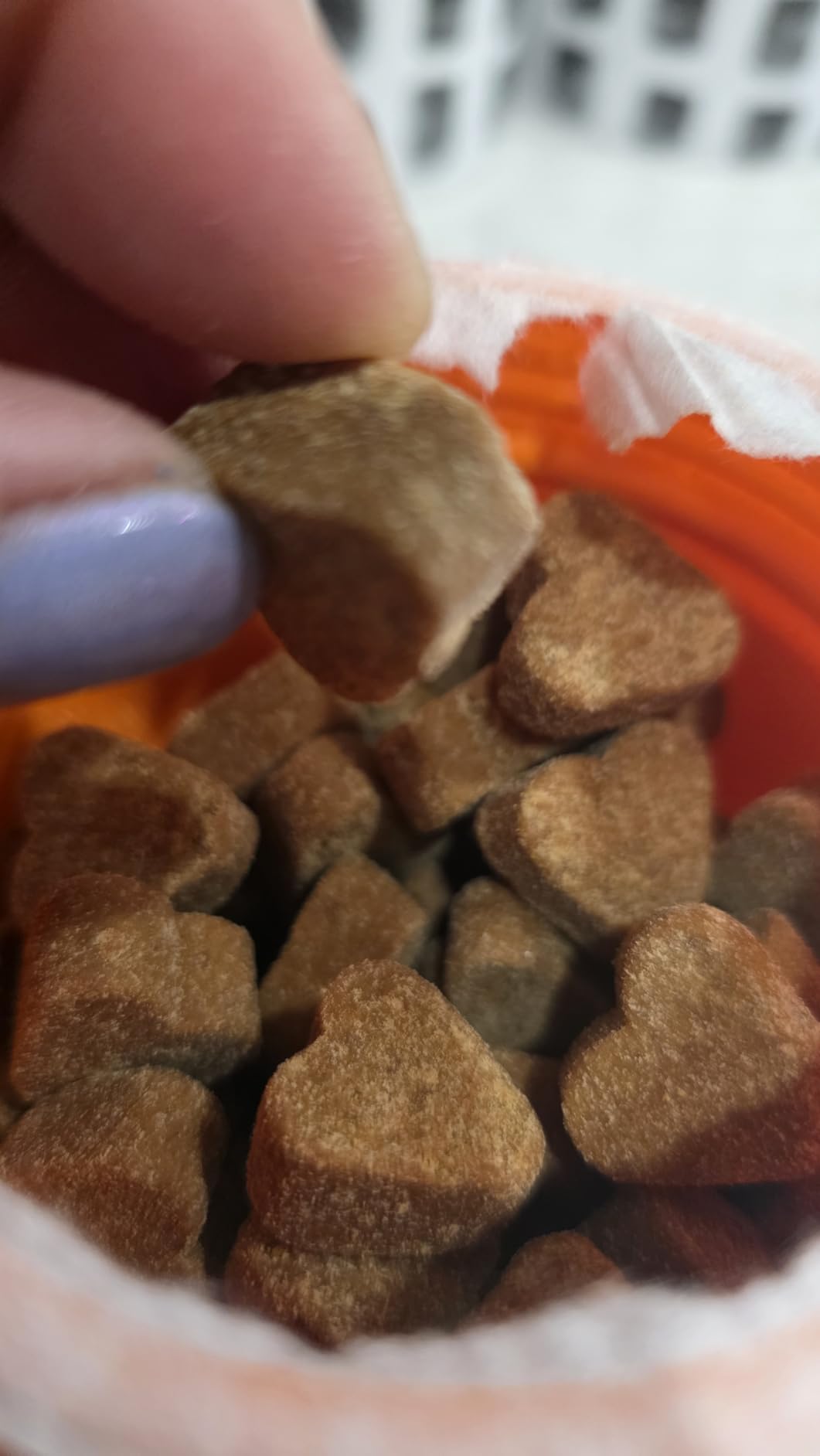
Cyrie hasn’t behaved one day in his life… but suddenly he’s disciplined for these 😂🐾Probiotic Supplements — all natural + supports everything from joints to digestion to his coat. He thinks they’re treats and I’m not correcting him 🤍
Archie has always had a sensitive stomach, and it felt like we were constantly dealing with loose stools or digestive upset. After adding these probiotics to his daily routine, I noticed a real difference within a few weeks. His digestion is much more consistent, and he seems happier and more comfortable overall. Plus, he thinks they're treats!