98
$34.99
$59.99
When giving supplements to dogs appropriately, their core function is to fill nutritional gaps in daily diets, target specific physiological needs, or alleviate health issues. However, it is crucial to clarify: supplements cannot replace a balanced staple diet, and they must be used scientifically after understanding the dog’s individual conditions (age, breed, health status). Below are the main benefits of supplements for dogs, categorized by functional scenarios:
I. Basic Nutritional Dog Supplements: Preventing "Hidden Malnutrition"
In many cases, even when feeding commercial dog food, insufficient intake of certain key nutrients may occur due to limitations in the food’s formula or differences in a dog’s absorption capacity. The role of such canine supplements is to "fill gaps and address deficiencies" while maintaining basic physiological functions:
Omega-3/Omega-6 Fatty Acids (e.g., Fish Oil For Dogs, Flaxseed Oil)
Dogs cannot synthesize these two essential fatty acids on their own and must obtain them from external sources. Supplementation offers the following benefits:
Improves skin barrier function: Reduces dryness, dandruff, and itching, while lowering the risk of allergic dermatitis.
Nourishes fur: Makes the coat softer, shinier, and reduces shedding.
Supports cardiovascular health: Benefits vascular elasticity in senior dogs or obese dogs.
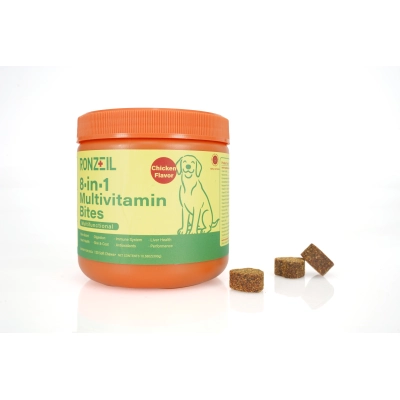
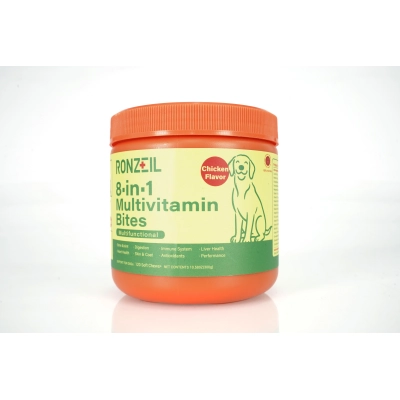
Vitamins (e.g., Multivitamins, B-Complex Vitamins)
B-Complex Vitamins (e.g., B2, B12):Aids in the metabolism of carbohydrates, proteins, and fats in dogs. It is particularly suitable for:
Dogs with poor appetite or weak digestion.
Dogs fed a single homemade diet long-term (which is prone to B-vitamin deficiency).
It prevents oral ulcers, dermatitis, and lethargy caused by B-vitamin deficiency.
Vitamin D:Promotes the absorption of calcium and phosphorus, preventing rickets in puppies and osteoporosis in adult dogs. Note: Dosage must be controlled—excess intake can easily lead to poisoning.
Minerals (e.g., Calcium-Phosphorus Powder, Trace Element Tablets)
Puppies, Pregnant/Lactating Bitches:Require additional calcium and phosphorus to prevent poor bone development (e.g., splayed legs, bowlegs) or post-partum calcium deficiency-induced convulsions in bitches.
Trace Elements (Iron, Zinc, Selenium):Deficiency can cause pica (eating soil, chewing walls, biting feces) and weakened immunity. Supplementation corrects these behaviors and enhances resistance.
II. Joint Health: Targeting "High-Wear" Dogs or Senior Dogs
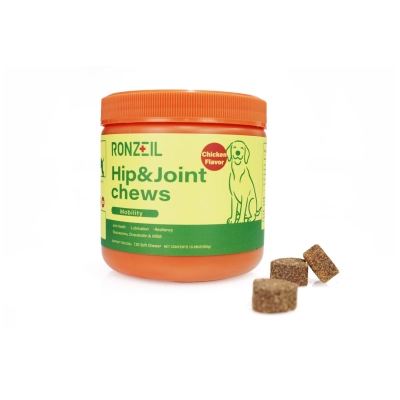
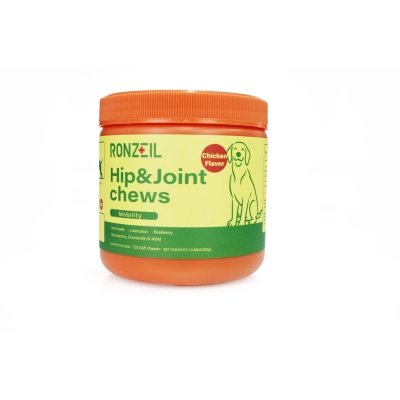
Dogs—especially medium to large breeds (e.g., Golden Retrievers, Alaskan Malamutes)—bear significant pressure on their joints during growth. Senior dogs are prone to arthritis due to cartilage degeneration. The core role of joint supplements is to "protect cartilage and reduce inflammation":
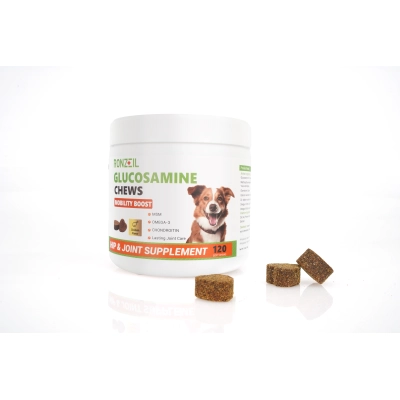
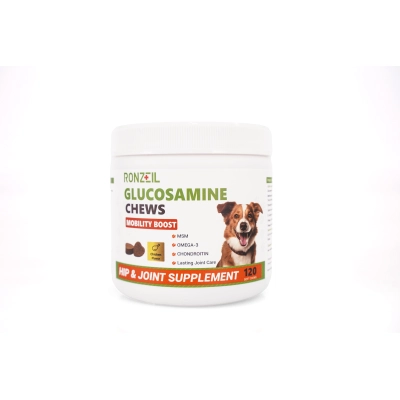
Glucosamine + Chondroitin Sulfate
Glucosamine is a raw material for synthesizing cartilage matrix.
Chondroitin sulfate maintains cartilage elasticity and reduces cartilage wear.
When used together, they:
Slow down joint degeneration.
Relieve pain caused by arthritis or canine hip dysplasia (CHD).
Improve mobility during activities (e.g., making it easier for dogs to climb stairs or jump).
Methylsulfonylmethane (MSM)
A natural anti-inflammatory ingredient, often formulated with glucosamine and chondroitin. It:
Reduces joint inflammatory responses.
Relieves post-exercise joint soreness in dogs.
Is suitable for senior dogs or working dogs with high activity levels (e.g., search-and-rescue dogs, guide dogs).
III. Digestive Regulation: Improving "Gut Sensitivity" Issues
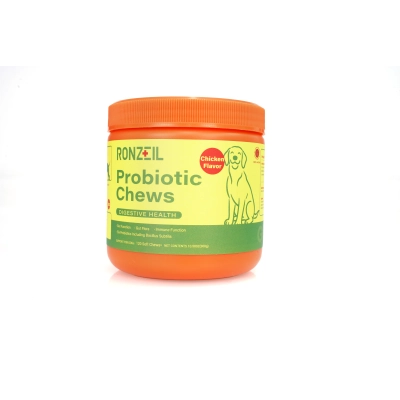
Dogs have relatively weak digestive systems—small breeds (e.g., Poodles, Bichon Frises) or dogs experiencing diet changes, stress (moving, deworming) are prone to loose stools, diarrhea, constipation, and indigestion. The role of such dietary supplements for dogs is to "regulate intestinal flora and enhance digestive capacity":
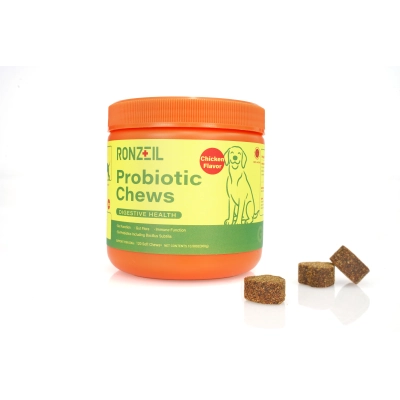
Probiotics/Prebiotics
Probiotics (e.g., Saccharomyces boulardii, Lactobacillus):Supplement beneficial intestinal bacteria, inhibit the growth of harmful bacteria, and improve diarrhea (e.g., diet-transition diarrhea, post-antibiotic diarrhea) or constipation caused by flora imbalance.
Prebiotics (e.g., Fructo-Oligosaccharides):Act as "food" for probiotics, promoting the proliferation of beneficial bacteria. Long-term use enhances gut resistance.
Digestive Enzymes (e.g., Pancreatin, Amylase)
Suitable for:
Senior dogs with weak digestive function.
Dogs with pancreatic insufficiency.
Dogs with indigestion after consuming high-protein/high-fat foods.
It helps break down proteins, fats, and carbohydrates, reducing gut burden and preventing bloating and vomiting.
IV. Immunity Enhancement: Targeting "Susceptible Groups"
Dogs in the following groups are prone to weakened immunity: puppies (unfinished vaccination), senior dogs (declined immune function), dogs in post-illness recovery, or those in long-term stressful environments (e.g., frequent boarding, multi-dog households). Supplements can serve as "auxiliary support":
Lactoferrin
A natural immune-active substance that:
Inhibits harmful bacteria (e.g., Escherichia coli, Staphylococcus).
Enhances mucosal resistance in the respiratory and digestive tracts of dogs.
Reduces the occurrence of colds and enteritis.
Astragalus Polysaccharides (Traditional Chinese Medicine Extract)
Research has confirmed that it:
Regulates the dog’s immune system and boosts immune cell activity.
Is suitable for dogs that are weak after illness and need long-term immunity enhancement.
Note: Must be used under the guidance of a veterinarian to avoid conflicts with other medications.
Spirulina
Rich in:
Proteins, vitamins (B-complex, E), and minerals (iron, selenium).
Natural antioxidants (phycocyanin).
It not only supplements nutrition but also reduces free radical damage to immune cells. Long-term use improves a dog’s mental state.