Slatmills For Dog Recovering

About blog category:Slatmills For Dog Recovering

For dogs recovering from injuries, surgeries, or age-related mobility issues, controlled exercise is a cornerstone of effective rehabilitation. Unlike traditional treadmills designed for humans or even standard dog treadmills, slatmills (also known as dog-powered treadmills) offer a unique, low-impact solution tailored to the needs of recovering canines. By leveraging the dog’s natural gait and eliminating motorized force, slatmills provide a gentle yet targeted way to rebuild strength, improve mobility, and restore confidence—all while minimizing the risk of re-injury.

What Are Slatmills, and Why Are They Ideal for Canine Rehabilitation?
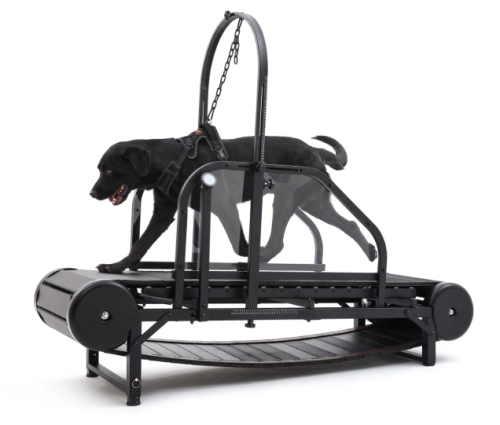
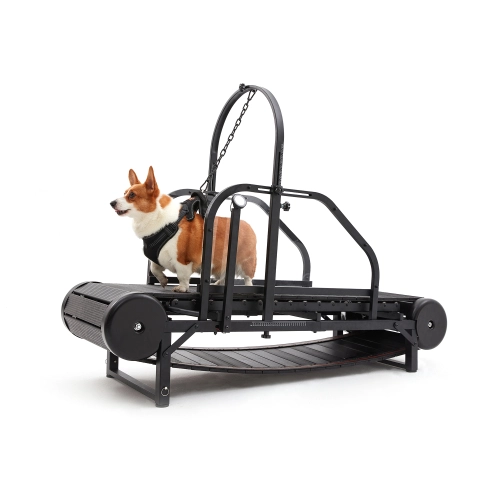
Slatmills consist of a series of interlocking slats or boards mounted on a frame, powered entirely by the dog’s own movement. Unlike motorized treadmills that pull the belt forward, slatmills require the dog to walk, trot, or gallop at their own pace, giving them full control over stride length, speed, and intensity. This passive, dog-driven design is particularly beneficial for recovery, as it reduces stress on joints, muscles, and tendons that may still be healing.

For dogs recovering from orthopedic surgeries (such as ACL/CCL repairs, hip or elbow dysplasia correction), soft tissue injuries (strains, sprains), or neurological conditions, slatmills eliminate the risk of overexertion caused by motorized belts forcing the dog to keep up. The low-impact surface also cushions each step, reducing jarring on sensitive joints—critical for dogs with arthritis or post-surgical inflammation. Additionally, the consistent, flat surface of a slatmill helps promote proper gait mechanics, preventing compensatory movements that can lead to long-term issues.

Key Benefits of Slatmills in Canine Rehabilitation

1. Controlled, Low-Impact Exercise
The dog-powered design ensures that exercise intensity is always tailored to the dog’s current abilities. A recovering dog can slow down, pause, or stop at any time, reducing anxiety and preventing strain. The slatted surface absorbs shock better than concrete or even carpet, making it ideal for dogs with joint pain or fragile healing tissues. This controlled environment allows rehabilitation specialists to gradually increase activity levels as the dog progresses, ensuring steady, safe improvement.

2. Gait Retraining and Muscle Strengthening
Many recovering dogs develop uneven gait patterns as they compensate for pain or weakness. Slatmills provide a consistent surface that encourages balanced movement, helping to retrain proper stride and posture. As the dog pushes against the slats, they engage core muscles, hindquarters, and forelimbs—targeting the specific muscle groups needed to restore strength and stability. For example, dogs recovering from hind leg injuries can build lean muscle mass in their glutes and hamstrings without putting excessive pressure on the injured area.

3. Mental Stimulation and Confidence Building
Recovery can be a stressful and sedentary period for dogs, leading to boredom, anxiety, or depression. Slatmills offer a form of mental stimulation by allowing dogs to engage in natural movement—an activity that fulfills their instinctual need to walk and explore. As dogs regain mobility and strength, they often experience a boost in confidence, which is crucial for overall well-being and a faster recovery. The ability to control their own movement also reduces feelings of helplessness, making rehabilitation a more positive experience.

4. Versatility for Different Recovery Stages
Slatmills are adaptable to every phase of rehabilitation, from the early post-surgical period (when only short, slow walks are recommended) to advanced recovery (when strength and endurance building are priorities). For dogs in the initial stages, short 5-10 minute sessions at a leisurely walk can help increase blood flow to healing tissues without causing fatigue. As they improve, sessions can be extended, and speed can gradually increase—all under the supervision of a vet or rehabilitation specialist.

How to Safely Use a Slatmill for a Recovering Dog

While slatmills are low-risk, proper usage is essential to avoid setbacks in recovery. Follow these guidelines to ensure a safe and effective experience:

1.Consult with a Professional First: Before introducing any exercise, consult your vet or a certified canine rehabilitation therapist (CCRT). They will assess your dog’s condition, recommend appropriate activity levels, and tailor a slatmill program to their specific needs. This is especially critical for post-surgical dogs, as overexertion can damage healing tissues.
2. Introduce Gradually: Start with short, positive sessions to acclimate your dog to the slatmill. Allow them to sniff and explore the equipment first, using treats and praise to create a positive association. Begin with 2-5 minute walks at a slow pace, and gradually increase duration and intensity only as your dog shows signs of comfort and strength (e.g., steady gait, no limping, normal breathing).
3. Monitor Closely During Sessions: Always supervise your dog while they use the slatmill. Watch for signs of fatigue, pain, or stress, such as heavy panting, limping, stiffness, or reluctance to move. If your dog shows any of these signs, stop the session immediately and consult your vet. Avoid letting your dog gallop or sprint until cleared by a professional, as this can put excessive strain on joints.
4. Maintain Proper Form: Ensure the slatmill is set up on a level surface to prevent uneven weight distribution. Encourage your dog to stay centered on the slats, avoiding leaning against the sides (which can cause improper gait). If your dog struggles to maintain balance, use a harness (not a collar) for gentle support, but avoid pulling or guiding them—let them move at their own pace.
5. Pair with Other Rehabilitation Modalities: Slatmills work best as part of a comprehensive rehabilitation plan. Combine slatmill exercise with other therapies, such as hydrotherapy, massage, stretching, or laser therapy, to optimize recovery. Your vet or CCRT can recommend a holistic plan tailored to your dog’s needs.

Choosing the Right Slatmill for Your Recovering Dog

When selecting a slatmill for rehabilitation, consider the following factors to ensure it meets your dog’s needs:

  • Size and Weight Capacity: Choose a slatmill that accommodates your dog’s size. Smaller dogs may need a narrower, shorter slatbed, while larger breeds require a wider, longer surface to maintain proper gait. Ensure the slatmill can support your dog’s weight without wobbling.
  • Slat Material: Opt for slats made from durable, non-slip material (such as rubberized wood or composite) to prevent slips and provide cushioning. Avoid hard, smooth surfaces that offer little traction, as this can increase the risk of injury.
  • Stability and Adjustability: Look for a sturdy frame that won’t shift during use. Some slatmills offer adjustable incline, which can be useful for advanced recovery (to build strength), but avoid incline for dogs in the early stages of healing or with joint issues.
  • Portability and Storage: If space is limited, choose a foldable slatmill that is easy to store when not in use. However, prioritize stability over portability—flimsy models may not be safe for recovering dogs.

Final Thoughts: Slatmills as a Tool for Compassionate Rehabilitation

For dogs on the road to recovery, slatmills offer a humane, effective way to rebuild strength, mobility, and quality of life. By putting the dog in control of their exercise, slatmills reduce stress, minimize injury risk, and foster a positive recovery experience. When used under professional guidance and with patience, slatmills can be a game-changer for dogs recovering from injuries, surgeries, or age-related mobility challenges—helping them return to their active, happy selves sooner.

Remember, every dog’s recovery journey is unique. Be patient, celebrate small milestones, and always prioritize your dog’s comfort and safety. With the right tools and guidance, a slatmill can be an invaluable part of their path to full recovery.