
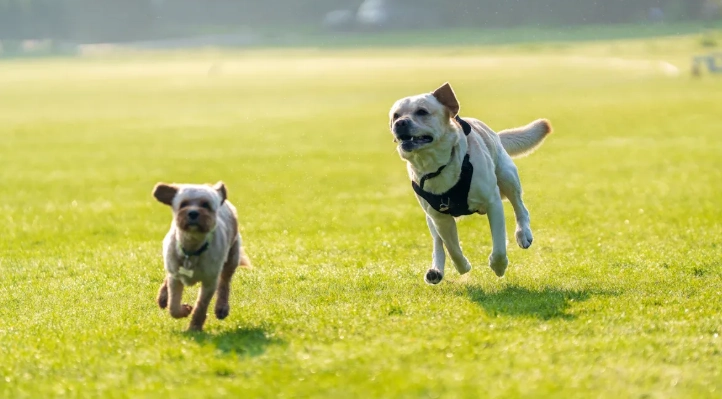
To keep your dog healthy and happy, aim for treadmill training about 3-5 times a week. Consistency is key! Regular exercise helps maintain your dog's fitness and energy levels. Think of it as a fun routine that benefits both of you. By sticking to this schedule, you'll see improvements in your dog's overall well-being and behavior. So, lace up those shoes and get ready for some quality time on the dog treadmill!
Key Takeaways
Train your dog on a treadmill 3-5 times each week. This helps them stay healthy and happy.
Change training sessions based on your dog's age and fitness. Puppies need shorter workouts. Adult dogs can do longer ones.
Think about your dog's breed when planning workouts. High-energy breeds need harder sessions than low-energy breeds.
Look for signs of overtraining. These signs include tiredness or lack of interest. Change the routine to keep your dog healthy.
Make a training schedule. It should have warm-ups, cool-downs, and slow increases in intensity for safety.
Training Frequency Factors

When you train your dog on a Ronzeil treadmill, many things matter. Knowing these things helps you make a training plan for your dog's needs.
Age and Fitness Level
Your dog's age and fitness level affect how often you should train. Here’s a quick breakdown:
- Puppies: They have a lot of energy but need shorter sessions. Aim for about 10 minutes on the treadmill, two to three times a day. This keeps their workouts fun and easy.
- Adult Dogs: These dogs usually need longer sessions. Depending on their energy, aim for 20 to 30 minutes of training. Change the time based on how comfortable they feel on the treadmill.
- Senior Dogs: Older dogs may also need shorter, more frequent sessions. Adjust their workouts to their health, so they stay active without overdoing it.
It's important to watch your dog during these sessions. If they look tired or don’t want to continue, think about changing the frequency or time.
Breed Considerations
Different breeds react differently to Doggo Treadmills training. Here are some important points:
- High-Energy Breeds: Breeds like Labrador Retrievers and Beagles need regular exercise. They show big changes during treadmill workouts. For these dogs, daily intense exercise is best. You can use the treadmill for interval training to help them use up energy well.
- Moderate Energy Breeds: These dogs need regular exercise but not as much intensity. Controlled treadmill sessions can help keep them fit without stressing them out.
- Low-Energy Breeds: Less active breeds may not need to work out as often. However, using a treadmill can help them stay fit without pushing them too hard.
- Recovery Needs: Dogs healing from surgery or injuries can benefit from treadmill training. The safe environment helps them recover and gain strength slowly.
| Breed Type | Exercise Frequency | Treadmill Use Considerations |
| High-Energy Breeds | Daily vigorous exercise | Best for interval training to use energy well. |
| Moderate Energy Breeds | Regular exercise | Can benefit from controlled treadmill sessions. |
| Low-Energy Breeds | Less frequent exercise | Treadmill helps keep fitness without overdoing it. |
| Recovery Needs | As needed | Offers a safe, controlled place for recovery. |
By thinking about your dog's age, fitness level, and breed, you can make a treadmill training plan that keeps them healthy and happy. Remember, the goal is to make exercise fun while meeting their needs.
Benefits of Dog Treadmill Training

Training your dog on a treadmill has many benefits. These can improve their health and happiness. Let’s look at the physical and mental perks of adding treadmill workouts to your dog's routine.
Physical Health Benefits
Regular treadmill training greatly helps your dog's physical health. Here are some important benefits:
- Weight Management: Treadmill workouts help control weight and stop obesity. This lowers the chance of joint problems and heart disease.
- Cardiovascular Health: Regular exercise improves heart function and endurance. Your dog will have better stamina for playing and outdoor fun.
- Muscle Tone: Treadmill training builds muscles and strengthens bones. This helps avoid fractures and joint issues as your dog gets older.
Research backs up these benefits. For example, a study found that dogs doing sub-lactate threshold training three times a week for eight weeks improved their heart health without any damage. Another study showed that both continuous and interval training raised serum creatine kinase levels, showing muscle use, while also improving heart rate variability linked to exercise intensity.
Mental Stimulation
Treadmill training is not only for physical fitness; it also gives important mental stimulation. Here’s how:
- Preventing Boredom: Regular exercise keeps your dog active and stops boredom. Boredom can cause anxiety and bad behaviors.
- Improved Focus: Dogs that don’t get enough exercise often have trouble concentrating. When you tire them out with treadmill workouts, they become more focused and ready to learn during training.
- Behavioral Improvements: Dogs that do regular treadmill training usually show fewer behavior problems. Tired dogs are often calmer and less likely to bark too much or be hyper.
Studies show that exercising on a Dog Treadmill For Large Dogs after learning can boost memory in older dogs. This shows how important mental activity is along with physical exercise.
Signs of Overtraining
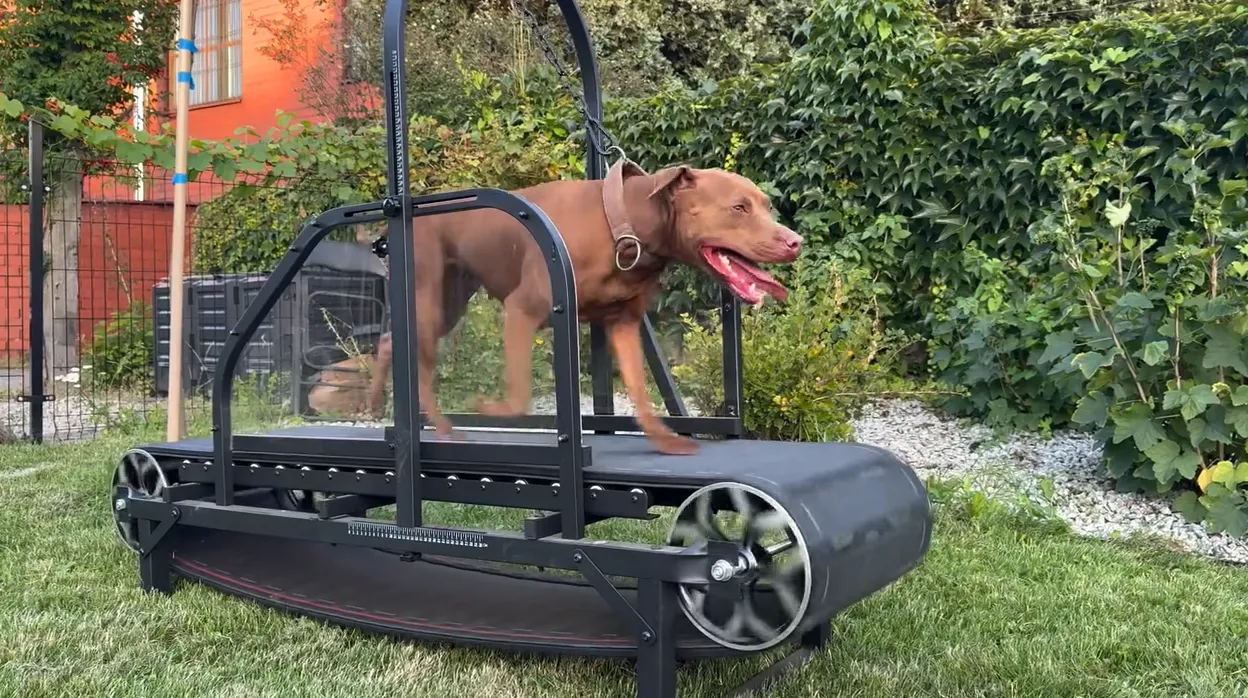
When you train your dog on a treadmill, you need to watch for signs of overtraining. Doing too much can cause both physical and behavior problems. Here’s what to notice:
Physical Symptoms
If your dog is overtraining, you might see some physical signs. Look for:
- Persistent Fatigue: This tiredness doesn’t go away with rest.
- Decreased Performance: If your dog struggles during workouts, it may mean overtraining.
- Injuries: Watch for limping or not wanting to move. Long-term injuries often come from too much training.
- Muscle Atrophy: If your dog seems weaker or has lost muscle, it’s time to change their treadmill routine.
Overtraining can cause long-term health problems. It can lead to injuries, less performance, and unhappiness in dogs. Mental tiredness can also happen, causing stress or anxiety. A tired dog may lose interest in activities, which can hurt their focus and performance.
Behavioral Changes
Behavior changes can also show that your dog is overtrained. Look for these signs:
- Anxiety or Restlessness: If your dog seems more anxious, it might mean overtraining.
- Disinterest in Activities: If your dog no longer likes their favorite games or walks, check their exercise routine.
- Increased Aggression: Some dogs may act more aggressive or withdrawn when they are overworked.
To help your dog recover, make sure they get good rest in a quiet place. Give them plenty of water and think about electrolyte solutions. A balanced diet is important too—try for 35% carbohydrates, 40% fat, and 25% protein. Daily rubdowns can help with muscle tension and blood flow. Include recovery days with light activities to balance intense workouts.
By noticing these signs, you can adjust your dog's treadmill training to keep them healthy and happy.
Creating a Training Schedule
Making a training schedule for your dog is very important for good Large Dog Treadmill training. A clear plan helps you get the most out of your dog's workouts while keeping them safe and interested.
Structuring Sessions
Start by setting up a routine that works for you and your dog. Here are some tips to help you structure your sessions well:
- Build Trust: Make sure your dog knows basic commands. This helps training go smoothly and be more fun.
- Know Their Preferences: Use rewards that your dog likes. Treats or praise can really help.
- Safety First: Ensure your dog is leash trained and feels good in a harness. This keeps them safe during workouts.
- Warm-Up and Cool Down: Just like people, dogs need to warm up before and cool down after exercise. This helps avoid injuries.
- Monitor Their Condition: Watch your dog during workouts. Change the intensity if you see signs of stress.
- Gradual Increases: Don’t increase workout intensity too fast. This helps prevent injuries.
For beginners, start with short sessions of about 5-10 minutes. As your dog gets used to it, slowly increase the time and intensity. For example, you might go from walking to jogging or even incline work over a few weeks.
Monitoring Progress
Keeping track of your dog's progress is very important for their safety and success. Here’s how to do it well:
- Watch Their Breathing: Pay attention to how your dog breathes and acts. If they seem too tired or stressed, it’s time to slow down.
- Incremental Changes: Increase workout time or intensity by no more than 10% each week. This slow approach helps your dog adjust safely.
- Avoid Extreme Conditions: Stay away from steep inclines for long times. This can cause injuries.
By following these tips, you can create a balanced training schedule that helps your dog exercise and stay healthy. Remember, being consistent is very important!
To sum it up, you should train your dog on a Ronzeil treadmill about 3-5 times each week. This helps keep them fit and full of energy. Don't forget to think about things like:
- Breed: High-energy breeds might need longer workouts, while low-energy breeds do better with shorter ones.
- Age: Puppies do well with short bursts of exercise, and senior dogs need slower pacing.
- Health and Fitness Level: Active dogs can handle longer sessions, but dogs recovering from injuries need shorter and easier workouts.
Always watch your dog's energy and change the routine if needed to prevent overdoing it. By considering these points, you can make a fun and effective training plan that keeps your furry friend happy and healthy!
FAQ
How long should my dog train on the treadmill each session?
Aim for 10-30 minutes per session, depending on your dog's age and fitness level. Puppies may need shorter bursts, while adult dogs can handle longer workouts.
Can I use treats during treadmill training?
Absolutely! Using treats can motivate your dog and make training enjoyable. Just ensure you balance treats with their regular diet to avoid overfeeding.
What should I do if my dog seems tired during training?
If your dog shows signs of fatigue, stop the session immediately. Allow them to rest and adjust the training frequency or intensity as needed.
Is treadmill training suitable for all dog breeds?
Most breeds can benefit from treadmill training, but adjust the intensity based on their energy levels. High-energy breeds may thrive, while low-energy breeds might need less frequent sessions.
How can I keep my dog engaged during treadmill workouts?
Mix up the routine by changing speeds, inclines, or incorporating short breaks. You can also use toys or treats to keep their focus and make it fun!




0 Comments