
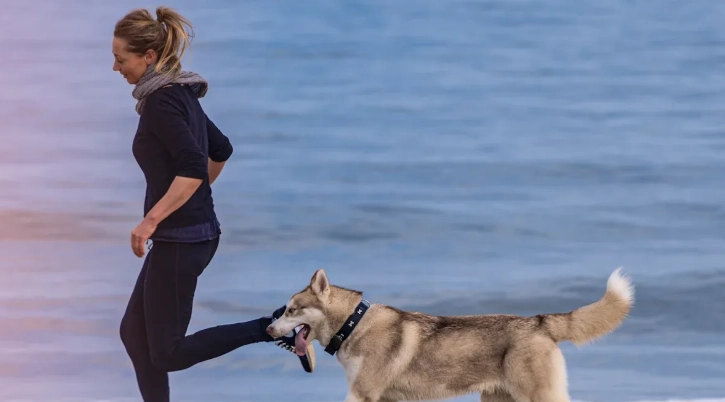
Exercise is very important for keeping your dog healthy and happy. Sadly, studies show that about 36% of dog owners do not walk their dogs often. This lack of exercise can cause different health problems. A dog treadmill can help solve this problem by giving a safe place for exercise.
When picking a treadmill, think about size, weight limit, and safety features. Look for adjustable speed and incline settings to fit workouts for your dog's needs. Remember, buying a good dog treadmill can improve your dog's fitness and overall health.
Key Takeaways
Pick a treadmill that matches your dog's size and breed. This helps with comfort and safety.
Find one with adjustable speed and incline settings. This lets you change workouts for your dog's fitness level.
Focus on safety features like emergency stop buttons and non-slip surfaces. These make exercise safer.
Keep the treadmill in good shape with regular maintenance. Cleaning and lubricating it helps keep it safe to use.
Buying a good treadmill can help your dog's health. It can also control weight and improve overall fitness.
Dog Needs
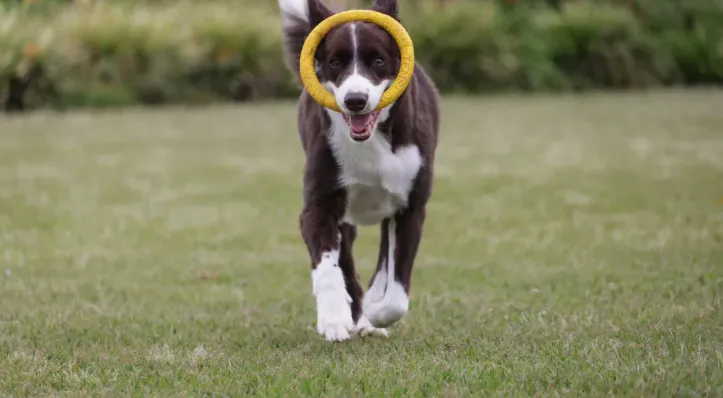
When you choose a dog treadmill, knowing your dog's needs is very important. Every dog is different. Their needs can change a lot based on size, breed, and how active they are. Let’s look at these things closely.
Size and Breed
Your dog's size and breed are key in picking the right treadmill. Different breeds need different amounts of exercise. Their size can also affect which treadmill works best. Here’s a quick table to show the right treadmill sizes for popular dog breeds:
| Dog Breed Category | Recommended Treadmill Size (inches) |
| Small Breeds | 29-47 |
| Medium Breeds | 47-70 |
| Large Breeds | 60-75 |
For example, small dogs like Chihuahuas do well on smaller treadmills. Larger dogs like Labrador Retrievers need more space to move around easily.
Also, exercise needs are different for small, medium, and large dogs. Here’s a chart showing how much exercise they should get:
| Dog Size | Recommended Exercise Duration | Percentage Meeting Recommendations |
| Small | Up to 1 hour per day | 70% |
| Up to 30 minutes per day | 30% | |
| Medium | More than 2 hours per day | 36.6% |
| Up to 1 hour per day | 63.4% | |
| Large | More than 2 hours per day | 87.2% |
| Up to 1 hour per day | 12.8% |
This shows that larger dogs usually need more exercise than smaller ones.
Activity Level
Your dog's activity level is also very important. Puppies, adult dogs, and older dogs all need different amounts of exercise. Here are some tips to help you figure out your dog's activity level:
- Puppies: Need short play times (5-10 minutes) each day to keep them safe.
- Adult Dogs (1-7 years): Can do longer and harder activities.
- Senior Dogs: Need easier routines because they may have less energy and joint problems.
A dog's health can also affect how much they can exercise. For example, dogs with osteoarthritis need gentle exercise. Dogs with heart issues should exercise based on how they feel, which can change.
To make sure your dog gets enough exercise on a treadmill, look for these signs:
- The dog is calm at home but playful when active.
- The dog stays at a healthy weight and has good muscles.
- The dog sleeps well at night.
- The dog plays without being too hyper or too tired.
By knowing your dog's size, breed, and activity level, you can find a dog treadmill that fits their needs. This careful choice will help keep your furry friend healthy and happy.
Key Features of Dog Treadmills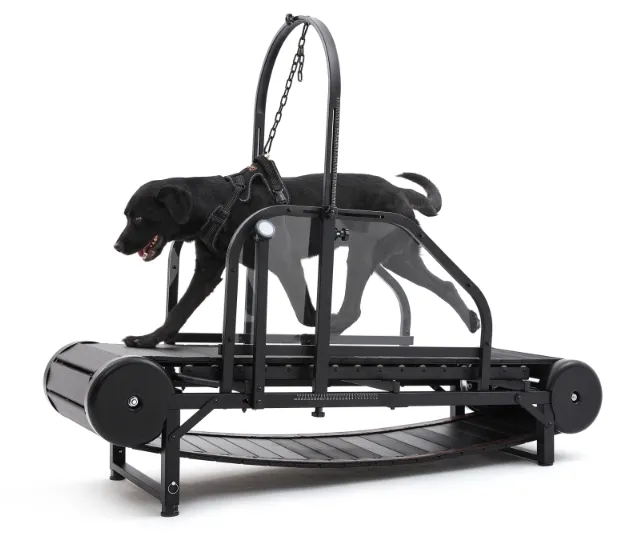
When you choose Doggo Treadmills, think about important features that improve your dog's workout. Two main things to look at are weight capacity and speed and incline options.
Weight Capacity
Weight capacity is an important feature to check before buying a dog treadmill. You need to make sure the treadmill can safely hold your dog’s weight. Here are some popular models and their weight limits:
- dogPACER 4.0: Holds dogs from 1 to 179 lbs.
- dogPACER MiniPACER: Good for dogs up to 55 lbs.
- BowWowTread: Max weight limit of 150 lbs.
- Goplus: Max load limit of 200 lbs.
Picking a treadmill with the right weight limit helps keep it safe and strong. A treadmill that can support your dog's weight will last longer and give a stable place to exercise.
Speed and Incline
Speed and incline settings are important for changing your dog's workout. Adjustable features let you customize the treadmill experience for your dog's fitness level. Here are some benefits of these features:
- Variable Speeds: A good dog treadmill should have different speeds. For active dogs, a wide speed range is key. Low speeds (0.5-1 mph) are great for warm-ups and cool-downs, while high speeds (up to 10 mph) are good for sprint training.
- Incline Options: Incline training helps build endurance and muscle strength. Many dog treadmills have incline settings that can go up to 15%. This feature is especially helpful for building muscle and stamina.
Motorized treadmills create a controlled space, making them great for regular exercise. This is very important for older dogs or those with joint problems, as adjustable speed and incline fit their needs. The ability to change these settings allows for special rehab programs that match your dog's unique needs.
Types of Dog Treadmills
When you pick a dog treadmill, there are many types to choose from. Knowing these options helps you find the best one for your dog.
Slatmills
Slatmills are a special kind of Dog Treadmill For Large Dogs. They work differently than regular ones. Your dog powers them, so they control their speed. This has some great benefits:
- Safety: Slatmills slow down when your dog gets tired. This helps prevent injuries.
- Exercise Type: They give more resistance, like running outside. This makes your dog's workout better.
- Stride Length: Slatmills let dogs stretch their legs fully. They work for dogs of all sizes.
Here’s a quick comparison of slatmills and regular dog treadmills:
| Feature | Slatmill | Dog Treadmill |
| Power Source | Powered by the dog | Powered by electricity |
| Speed Control | Dog controls speed | Owner controls speed |
| Safety | Safer as it slows down when the dog tires | Risk of injury if the dog is overworked |
| Size | Larger frame, less portable | Smaller, more portable |
| Price | More expensive, around $1,000 to $6,000+ | Generally cheaper, around $500 |
| Exercise Type | More resistance, simulates outdoor running | Easier, less resistance |
| Stride Length | Can accommodate full stride | Needs to be longer for large breeds |
Electric vs. Manual
Choosing between electric and manual dog treadmills depends on your dog's needs and what you like. Here are some main differences:
Electric Treadmills:
- Give controlled workouts, like sprints and endurance training.
- Help nervous dogs feel calmer while exercising.
- Offer smooth motion, which is easier on joints.
Manual Treadmills:
- Let dogs pick their speed, which can make them run faster.
- May not work well for warm-up or cool-down times.
- Usually easier to fix and often last longer.
Here’s a comparison table to help you decide:
| Feature | Electric Treadmills | Manual Treadmills |
| Motion | Provides smooth, consistent motion, reducing joint strain | Dogs can choose speed, often run faster and burn more energy |
| Price | Generally more expensive | Usually less expensive |
| Safety | Risk of injury if startled; requires supervision | Generally easier for owners to use, perceived as safer |
| Control | Owner selects speed and type of exercise | Dog chooses speed and when to stop |
| Mindset | Can create a focused and relaxed state of mind | May lead to overstimulation and excitement |
| Repair and Durability | More complex due to electric parts | Easier to repair and often more durable |
By knowing the differences between slatmills and regular dog treadmills, as well as electric and manual types, you can find the best treadmill for your dog's exercise needs.
Safety Considerations
When using a Large Dog Treadmil, safety is very important. You want your furry friend to have a safe and fun time. Here are some key safety features to look for and tips for watching your dog during treadmill use.
Safety Features
Picking a dog treadmill with good safety features can help a lot. Here are some important features to think about:
- Emergency Stop Buttons: These let you quickly stop the treadmill if your dog is in danger.
- Side Rails or Panels: These keep your dog from falling off the sides, making it safer.
- Non-Slip Running Surfaces: A textured surface helps your dog stay steady and not slip.
Also, check for these features to make it more comfortable and safe:
- Step-Up Height Under 6 Inches: This helps protect your dog's joints when getting on and off the treadmill.
- Smooth, Gradual Speed Control: This helps your dog get used to the treadmill without sudden movements.
- Quiet Motor: A quiet motor will not scare sensitive pets.
These basic safety features make the treadmill experience better for dogs, making it more welcoming and less scary.
Supervision Tips
Watching your dog while they use the treadmill is very important for their safety. Here are some tips to remember:
- Command Your Dog to Wait: Tell your dog to stay on the treadmill until you say they can get off. This helps avoid accidents.
- Always Supervise: Keep an eye on your dog during their workout to make sure they are safe.
- Watch for Signs of Fatigue: If your dog looks tired, stop the session right away.
- Never Leave Unattended: Leaving your dog alone on the treadmill can cause accidents.
By following these safety tips and making sure your dog treadmill has the right features, you can create a safe and effective exercise routine for your furry friend.
Common Risks
While dog treadmills have many benefits, they also come with risks. A recent study found that 68% of adults using dog treadmills had new knee pain within four weeks. Also, 32% needed gait analysis because of changed foot patterns. These results show how important it is to have professional help and safety measures to reduce these risks.
By knowing about these possible problems and taking the right steps, you can help make sure your dog has a safe and enjoyable treadmill experience.
Budgeting for a Dog Treadmill
When you want to buy a dog treadmill, knowing the prices is very important. Prices can change a lot based on size and features. Here’s a simple list of what you might see:
Price Ranges
| Treadmill Size | Price |
| SMALL | Sold Out |
| MEDIUM | Sold Out |
| LARGE | $2,195 |
| X-LARGE | $2,995 |
For example, a large dog treadmill usually costs about $2,195. An extra-large one can go up to $2,995. If you want a specific model, the Dog Runner Treadmill Revolution Pro costs $2,449.
Cost vs. Features
When you think about a dog treadmill, consider the features that are most important for you and your dog. More expensive models often have better features like adjustable speed, incline settings, and safety options. These features can really help your dog’s workout.
Buying a good treadmill might seem expensive at first, but it can save you money later. For example, the Chen family liked their DogTread Pro treadmill at first. They liked its quality and features. But later, they found it didn’t meet their needs as well as they thought. This made them use it less and look for other ways to exercise. Their story shows that while good treadmills can be helpful, they might not always be worth the initial cost.
Maintenance and Usage Tips
Maintenance Practices
To keep your dog treadmill working well, follow these important maintenance tips. Regular care helps your treadmill last longer and keeps your dog safe while exercising. Here’s a simple guide:
| Maintenance Practice | Description |
| Clean the running surface after each use | This keeps it clean and stops dirt from building up |
| Lubricate moving parts | This helps parts move smoothly and last longer |
| Check for wear and tear regularly | This helps find problems before they get worse |
By doing these things, you can keep a safe and effective treadmill for your dog.
Training Your Dog
Getting your dog used to a treadmill can be fun. Follow these steps for an easy start:
- Teach the Enter and Exit of the Treadmill: Let your dog check out the treadmill when it’s off. Give them treats for any progress.
- Teach the Stand and Stay on the Treadmill: Slowly increase how long your dog stands on the treadmill, rewarding them for doing well.
- Teach Attaching the Harnessed Dog to the Treadmill: While your dog stands, attach their harness to the treadmill and reward them for each step.
- Building the Dog's Confidence: Walk beside your dog while guiding them, giving treats as they get used to it.
- Teach the Dog the Value of Turning the Unit On/Off: When they feel comfortable, turn on the treadmill at a slow speed, rewarding any movement.
- Teaching Your Dog the Value of Increased Speed, Incline, and Duration: Slowly add changes, making sure to reward their progress.
- Start Exercising and Increasing Goals: Begin with short sessions to watch how your dog feels and if they get tired.
Having a regular treadmill routine can really help your dog's health. It helps control weight, builds muscles, and makes joints more flexible. Plus, regular exercise releases endorphins, which can lower stress and anxiety. This routine keeps your dog mentally active and stops bad behaviors.
By taking care of your dog treadmill and training your dog well, you create a good place for exercise. This effort will lead to a healthier and happier pet.
Picking the right dog treadmill is very important for your pet's health and happiness. Think about these main points:
- Types of Dog Treadmills: Know the differences between manual and motorized treadmills.
- Benefits: A treadmill helps with exercise, weight control, and recovery.
- Safety: Always watch your dog and check safety features.
- Sizing: Choose a treadmill that matches your dog's size and weight.
- Maintenance: Regular care is needed for it to work well and be safe.
- Investment: Focus on quality to fit your dog's needs.
Take your time to make a smart choice. Your dog's special needs deserve careful thought. 🐾
FAQ
What size treadmill do I need for my dog?
Pick a treadmill that fits your dog's size. Small dogs need treadmills that are 29-47 inches long. Medium dogs need ones that are 47-70 inches. Large dogs need treadmills that are 60-75 inches for easy movement.
Can my dog use a treadmill every day?
Yes, your dog can use a treadmill every day. Start with short sessions and slowly make them longer. Watch your dog for signs of tiredness to keep their workout safe.
How do I train my dog to use a treadmill?
Introduce your dog to the treadmill slowly. Start with it turned off and reward them for standing on it. Gradually increase the speed and time as they get used to it.
Are dog treadmills safe?
Dog treadmills are safe if they have good safety features. Look for emergency stop buttons, side rails, and non-slip surfaces. Always watch your dog while they exercise to avoid accidents.
How much do dog treadmills cost?
Dog treadmill prices can vary a lot. You can expect to pay between $500 and $3,000, depending on size and features. Buying a good treadmill can improve your dog's exercise routine.


Blog comments
0 Comments