
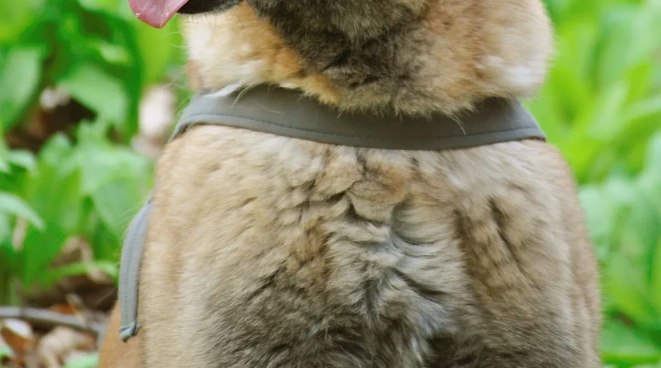
Belgian Shepherds are great dogs. They look amazing. They are very smart. They are always loyal. These dogs have lots of energy. They get very close to their owners. This guide helps you learn about them. You will learn how to care for them. You will learn how to train them. You will learn how to exercise them. Know their needs before you get one.
Key Takeaways
Belgian Shepherds are smart, loyal, and energetic dogs. They need owners who can give them lots of attention and guidance.
These dogs need a lot of exercise every day. They also need mental games to stay happy and well-behaved.
Belgian Shepherds are easy to train. Use positive rewards and start training early. This helps them learn good behaviors.
They have a double coat and shed all year. Regular brushing is important to keep their coat healthy.
Belgian Shepherds need a balanced diet. The food should match their age and how active they are.
Belgian Shepherds: Breed Overview

History and Origin
Belgian Shepherds have a long past. They came from Belgium. Farmers used these dogs. They herded farm animals. They also guarded land. People started to make the breed standard. This happened in the late 1800s. This set the rules for the breed today. You can see their work dog roots. Look at how they appear. They stand proudly. Their head is shaped like a triangle. Their nose area is well-defined. Their ears are small or medium. They stand straight up. The Belgian Malinois appeared then. This was in Belgium in the late 1800s. This area raised many sheep. The Malinois was good at moving fast. It could work for a long time. It was also great at herding. These traits were key for sheep. The first dog show for Belgian dogs was in 1892. The first rules for Belgian Sheepdogs were written that year.
Physical Characteristics
Belgian Shepherds are striking dogs. They stand in a proud way. Their head is like a triangle. Their muzzle is well-shaped. Their ears are small to medium. They stand up straight. A Belgian Shepherd arches its neck. This happens when it is alert. This makes the dog look grand. The breed has four main types. Each type has a different coat. The coat also has a different color.
| Variety | Coat Type | Color |
|---|---|---|
| Groenendael | Long-haired | Solid black |
| Tervuren | Long-haired | Fawn or grey with black overlay and mask |
| Malinois | Short-haired | Fawn with black overlay and black mask |
| Laeken | Rough-haired | Fawn with traces of black overlay (muzzle and tail) |
The Belgian Malinois has a standard coat. It is sandy brown with a black mask. You will see different amounts of dark fur. Mask size also changes. The yellow color can be more or less strong.
Temperament and Personality
These dogs are great family pets. They love being with people. They are loving and loyal to their owners. These dogs are very smart. They are playful and full of energy. They protect their owners. This makes them good guard dogs. They are very active. They always want something to do. Their intelligence is high. They can be trained well. Use positive training methods. They can be good family dogs. This is true with good training. They need to meet other people and dogs. They are confident. They are protective. They can be shy with strangers. But they are not mean. They are loving. They listen well to commands. They want to please their owners. Their personality can include protecting things. They can be territorial. They can be possessive. They can also be jealous. Teach kids not to bother dogs. A dog raised with children is safest.
Is a Belgian Shepherd Right for You?
Ideal Owner Profile
Owning a Belgian Shepherd is a big commitment. You need to be a strong leader for this dog. Belgian Shepherds are very smart dogs. They need clear guidance. They also need consistent direction. This breed thrives when you give them important jobs. These tasks engage their intelligence and energy. You should offer almost constant attention. These dogs need significant interaction and companionship from you. A Belgian Shepherd as a pet needs an owner who understands their high energy. You must be ready for their needs.
Living Environment Considerations
Belgian Shepherds are active dogs. They do best in homes with a secure yard. This gives them space to run and play. Apartment living can be challenging for these dogs. They need room to move. A small space might not be enough for their exercise needs. Remember, these are working dogs. They need mental and physical stimulation. A home where they can be part of family activities is ideal. They do not like being left alone for long periods.
Time and Lifestyle Commitment
You must dedicate a lot of time to your Belgian Shepherd. They need daily exercise. This includes long walks, runs, or playtime. Their training also requires consistent effort. You will spend time on their care. This includes grooming and health checks. These dogs form strong bonds with their families. They want to be involved in your life. If you have an active lifestyle, this dog might be a good fit. They are loyal companions for dedicated owners.
Belgian Shepherd Care Essentials
Good belgian shepherd care makes your dog happy. It keeps them healthy. You must meet their body and mind needs. You need to care for them in many ways.
Belgian Shepherd Exercise Needs
Belgian Shepherds are active dogs. They have lots of energy. You must give them daily exercise. An adult Belgian Shepherd needs 60 to 120 minutes of exercise each day. A big part, 60 to 90 minutes, should be strong exercise. This means hard activity. Simple walks are not enough. They need more active things to do. Play fetch with a Automatic Ball Thrower For Dogs. Use a Frisbee. Long runs are good. Dog sports like agility training are great. These help them use energy. They stop them from getting bored.
You must also give them mental stimulation. This is along with physical exercise. This stops bad behaviors. Agility training is good for both body and mind. This is because they are smart. They are easy to train. It also helps you and your dog talk to each other. Try games like "Treats in a Bottle." This game makes your dog think. You put treats in bottles. Your dog figures out how to get them. The "Hot and Cold" game uses your voice. Your tone tells your dog where a hidden treat is. This checks their listening skills. It builds special communication. Search and Rescue training uses your dog's great sense of smell. This gives them hard mental and physical work. Socializing also makes them think. It shows your dog new places. They meet new people and other dogs. This helps them learn. They adapt to new social rules.
Effective Belgian Shepherd Training
Belgian Shepherds are smart. They want to please you. They are very trainable dogs. This makes them easy to train. You must train them often. Start socialization early. Keep giving them mental stimulation. Do this their whole lives. Training helps guide their strong working instincts.
You should use positive rewards for training. These work best. Your dog learns best with good rewards. They can get sad with harsh corrections. Good training uses rewards. These must truly motivate your dog. Good rewards include tasty food. Chicken or cheese are good. Play rewards also work. Spring Pole Dog Toys For Tug Of War or ball games are fun. Work rewards are great. These are chances to do tasks. Social rewards are also good. Praise and petting work.
Timing is very important. Mark the good behavior right when it happens. Then, give a reward right away. Use a consistent word like "Yes!" Or use a clicker. This helps your dog know what they did right.
You can teach basic commands easily.
Name Recognition and Attention: Teach your dog to look at you when you say their name. Use good treats. Say their name once. Immediately say "Yes!" and give a reward when they look.
Sit Command: Hold a treat above their nose. Move it back over their head. Their bottom will go down as they follow it. Mark and reward when they sit.
Stay Command: From a sit, make a "stop" sign. Take a small step back. If they stay for just one second, go back and reward them. Slowly make them stay longer. Slowly go farther away.
Come Command: In a safe place, get down to their level. Say "Come" in an excited voice. Reward them a lot when they get to you. Never call them for bad reasons.
Down Command: From a sit, lower a treat to the ground. Put it between their paws. They will lie down as they follow it. Mark and reward when their elbows touch the ground.
Reward good actions. This makes training better. Clicker training connects good actions to rewards. Use different rewards. Treats, praise, or play work. This makes them want to learn. Train them regularly. Keep sessions short and fun. This helps your dog stay focused.
Once basic obedience is good, teach harder things. Belgian Shepherds are good at many-step commands. Give them problem-solving tasks. Hide treats for "find it" games. Use puzzle toys. Teach them to get specific items by name. Practice direction commands. Impulse control exercises are also key. Teach them to wait at doors. Teach patience before meals. Teach "leave it" with toys.
Early socialization is very important for your dog. It helps them become well-behaved. Show your puppy many sights. Let them hear many sounds. Let them meet many people. Let them meet other dogs. This builds their confidence. Keep socializing them their whole life. Socializing with people and socializing with other dogs stops shyness. It stops aggression. Good socialisation makes your dog comfortable in many places.
Grooming Your Belgian Shepherd
Regular grooming is a key part of belgian shepherd care. It keeps their coat healthy. It reduces shedding. You will need special tools.
A two-sided grooming brush is a must. One side has a safe blade. It cuts through tangles. The other side is a de-shedding tool. It removes loose undercoat. This tool is very useful. They have a double coat. They shed all year.
A slicker brush is needed. It removes loose fur from the topcoat.
A de-shedding tool is vital for shedding. Use it 2-3 times a week. Use it especially when they shed a lot. Start at the neck. Work down the body. Pay extra attention to the undercoat. Brush in the direction the hair grows. This removes dead hair. It does not bother their skin.
Use dog shampoo. It should be for their coat type. Bathe them every 6-8 weeks. Or bathe them when needed. Do not use human shampoos.
Nail trimmers are essential. Trim their nails every 2-4 weeks.
Belgian Shepherd Nutrition
Good food is basic for your dog's overall care. Your dog needs a balanced diet. It should fit their age. It should fit their activity level.
Puppies (until 12 to 16 months old): Puppies need more nutrients. This includes proteins, fats, carbs, Canine Multivitamin, and minerals. They grow fast. Their food should be for puppies. It should be from a good brand. Control their food portions. This stops overfeeding. Limit treats to 10% of their daily calories. Special nutrients help their brain. L-carnitine, Omega-3 fatty acids, Vitamin C, and Vitamin E are good.
Adults (starting at 12 to 16 months old): Adult food goals are balance and upkeep. This helps their body work well. It keeps them at a healthy weight. Change to adult food. Do this when they are about 90% of their full weight.
Seniors (around 6 to 8 years old for large dogs): Older dogs slow down. They often need fewer calories. Senior dog foods have fewer calories. They still give enough protein. This helps them feel full. Their thinking can get worse. Supplements are good. L-carnitine, Omega-3 fatty acids, Vitamin C, and Vitamin E help. This keeps them sharp.
Active Belgian Shepherds are high-energy dogs. They need a lot of energy. They need good food to power their life. They have a fast metabolism. They have high exercise needs. This means they need more calories. This is more than other dogs their size. They usually need 2,000-3,000 calories daily. This depends on their activity.
Your dog is lean and muscular. This means they need high-quality protein. This keeps them performing well. Their diet should be 25-30% protein. It should come from animal sources. Besides protein, they need 15-20% fat for energy. DHA and EPA are good for brain and eyes. Glucosamine helps joints. Omega-3 and omega-6 fatty acids are key for coat and skin. Antioxidants (Vitamin E, C, beta-carotene) boost their immune system. Probiotics help digestion.
Changing their food can help with breed issues. For hip and elbow problems, foods with glucosamine and chondroitin are good. Watch for itching or tummy problems. These mean food sensitivities. To stop bloat, feed smaller meals. Do this throughout the day. Avoid one big meal. The exact amount of food for your dog changes. Dog food bags have guides. But ask a vet. They give the best advice. It is for your dog's age, health, and life. Usually, if your healthy dog eats good food, they don't need more supplements. Your vet might say otherwise. Joint supplements can help. They keep joints healthy in active, larger breeds.
Belgian Shepherds: Health and Wellness
Common Health Concerns
Your dog can get sick. This is true even with good care. Belgian Shepherds have common health problems. You should know about them. Some are passed down. These include brain problems. Cerebellar ataxia is one. You can test for it. Epilepsy is another brain problem. It lasts a long time. No DNA test exists for it. Heart problems can happen. Cardiomyopathy with juvenile mortality is one. There is a test for it. Autoimmune diseases can affect your dog. These include Meningitis. Hypothyroidism is another. Eye diseases can also happen. Gastric cancer is a worry too.
Look for hip and elbow dysplasia. These are passed down. Joints do not form right. This causes pain. It causes arthritis. Hip dysplasia means the hip joint is loose. Elbow dysplasia means bad elbow growth. Cataracts can appear around age 5. These are eye problems. They make eyes cloudy. They can cause blindness. Breeders should test for this. Your dog might get epilepsy. This is a brain problem. It causes seizures. It cannot be cured. Medicine helps manage it. Other issues are also possible. These include progressive retinal atrophy. Hypothyroidism is another. Bloat is serious. The stomach twists. Watch for stiff joints. Look for vision problems. Check for energy changes. A swollen belly is bad. See a vet fast for these signs.
Preventative Care and Vet Visits
You help your dog stay healthy. Regular exercise is key. A healthy diet is also important. These keep a healthy weight. Vet check-ups find problems early. Early socialization helps. Obedience training helps too. It manages their strong prey drive. It stops aggression. It stops fear. Give your dog lots of play. Give them mental games. This stops boredom. It stops bad behavior. Good breeding also helps. It reduces diseases passed down.
Understanding Their Lifespan
Your Belgian Shepherd can live long. These dogs usually live 12 to 14 years. For example, Malinois often live about 12 years. Tervuren can live up to 13.8 years. Many things help your dog live longer. Genes play a part. Healthy parents mean fewer diseases. A good indoor home helps. It protects your dog from cold. A calm home also helps. Regular care means checking health. It means grooming. It means cleaning. It means dental care. Shots every year are important. Parasite treatments are too. Your dog needs regular training. They need physical games. They need mental games. Strength training helps. Massage helps. Stretching helps this active breed. Good food is vital. It needs protein. It needs water. Do not let them get fat. Avoid risky jobs. This can help them live longer.
Living with Your Belgian Shepherd

Family Integration
Bringing a Belgian Shepherd home needs planning. You want everyone to be happy. If you have other pets, meet new dogs away from home. This stops fighting over space. It makes the meeting fun. Let dogs see each other first. Use a fence. Then, let them play if they are friendly. When you go home, put the new dog in the car. Your old pet should be there too. This helps them become friends. You should go into your house first. Your old pets follow you. Then, the new dog comes in. This shows you are the leader. It welcomes the new dog. Stay calm and firm. This helps your new dog settle in.
Belgian Shepherds love their family. They often pick one favorite person. They are gentle with kids. But watch them when they are together. Teach kids and dogs to be nice. Teach them early to be friendly. This stops them from being too protective. It stops them from being mean. Let your puppy meet many people. Let them meet animals and see places. Do this when they are 8 to 16 weeks old. This helps them be good guards. It stops them from being scared outside.
Addressing Behavioral Challenges
Belgian Shepherds are smart. They like to protect. If not managed, this can cause trouble. They might not trust strangers. They can also get too excited. You can stop barking too much. Give your dog fun brain games. Puzzle toys or training work well. Make sure your dog gets lots of exercise. Walks, runs, or play help. Teach them to be "quiet." Give them treats when they are quiet.
Herding actions, like nipping heels, need care. Use these instincts in a good way. Try agility sports. Or try herding games. Change your dog's focus with training. Use "leave it" or "off" to stop bad acts. Give them fun things to do. This makes them happy. It stops them from being upset. Never leave a dog alone with small kids. Especially a herding dog.
Fun Facts About the Breed
Belgian Malinois are very smart dogs. Scientists at a university found this. They were good at many brain tasks. This included solving puzzles. They were good at thinking things through. The U.S. Military likes Belgian Malinois. They use them as working dogs. They are the only breed in a special program. They are small and have lots of energy. They have a great sense of smell. This makes them perfect. They are also easy to train. They are quick and fast. Police all over the world use them. They track things and find stuff.
These dogs are very sensitive. They know how you feel. This makes them great friends. They react to your stress or joy. You should stay calm and happy. Your dog will act like you. Belgian Malinois are also very quick. They move fast and smoothly. They win in agility contests. Their strong bodies help them turn fast. They can jump fences that are 6 feet tall or more.
Belgian Shepherds are loyal and smart. They need lots of exercise. They also need much training. These dogs are very special. You must care for them. This will be a good experience. Your dog will do well. They are great friends for owners. Owners must be dedicated. These dogs have certain needs. Tell us your stories. Ask questions about your dog.
FAQ
How much exercise does a Belgian Shepherd need?
Your Belgian Shepherd needs a lot of exercise. Plan for 60 to 120 minutes daily. This includes 60 to 90 minutes of strong activity. Simple walks are not enough. Try running, playing fetch, or dog sports. Mental games are also important.
Are Belgian Shepherds good with children?
Yes, Belgian Shepherds can be good with children. They are gentle and loyal to their family. Always watch them when they are together. Teach both your dog and your children how to interact safely. Early socialization helps them adapt well.
Do Belgian Shepherds shed a lot?
Belgian Shepherds have a double coat. They shed all year. You will notice more shedding during certain seasons. Regular grooming helps manage this. Use a de-shedding tool 2-3 times a week. This keeps their coat healthy.
Can a Belgian Shepherd live in an apartment?
Living in an apartment can be hard for a Belgian Shepherd. They are very active dogs. They need space to run and play. A home with a secure yard is best for them. They need lots of physical and mental activity.



Blog comments
0 Comments