

Your Cane Corso looks grand. They are very loyal. You need to know about their health. This helps them live long and happy. These strong dogs usually live 9 to 12 years. This is a good age for big dogs. It is key to know common health issues. You should also know their signs. This post will help you. It shows how to care for them. It also shows how to handle problems. You can give your dog the best care.
Key Takeaways
Cane Corsos can have joint problems like hip and elbow dysplasia. Choose breeders who test for these issues.
Heart conditions like DCM and bloat are serious. Watch for signs and get quick vet help.
Eye problems such as entropion and cherry eye are common. Surgery can often fix them.
Skin issues like mange and allergies can make your dog itchy. Your vet can help find the cause and treatment.
Good food, regular vet visits, and proper exercise help your Cane Corso stay healthy. This prevents many problems.
Common Orthopedic Conditions
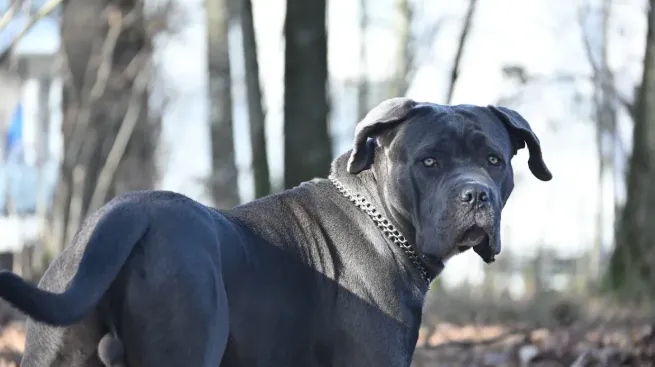
Your Cane Corso is a strong dog. Big dogs often have joint problems. These problems are often passed down. You need to know about them. Early checks are very important. Good breeding helps your dog stay healthy.
Cane Corso Hip Dysplasia
Hip dysplasia is a common issue. The hip joint does not form right. The ball and socket do not fit. This causes pain. It can lead to arthritis. Your dog might limp. It might struggle to stand up. A study in France found many Cane Corsos had it. About 59.7% had this problem. It is a big health worry for the breed.
Scientists found genes for hip dysplasia. These genes are on different chromosomes. They are in many big dogs. German Shepherds and Bernese Mountain Dogs have them.
| Chromosome | SNP | Associated Breeds |
|---|---|---|
| CFA1 | ss7212922118, ss7212922120 ss7212922118,ss7212922120 |
German Shepherds, Across Breeds |
| CFA14 | ss7212922135 | Bernese Mountain Dogs, Across Breed |
| CFA26 | ss7212922151 | German Shepherds |
| CFA33 | ss7212922122 | German Shepherds |
| CFA37 | Not specified | Across Breeds |
Elbow Dysplasia in Cane Corsos
Elbow dysplasia is another joint problem. The elbow joint grows wrong. This can cause pain. It can make your dog limp. Your dog might be stiff. It might not want to exercise. Cane Corsos are often affected.
| Breed | Overall Prevalence of ED (%) |
|---|---|
| Dogue de Bordeaux | 32.2 |
| Rottweiler | Not specified, but among most affected |
| Bernese Mountain Dog | Not specified, but among most affected |
| Cane Corso | Not specified, but among most affected |
| Czechoslovakian Wolfdog | 1.1 |
| Overall (13 breeds) | 11.4 |
You can test your puppy for it. The OFA Radiographic Elbow Evaluation is a key test. This test finds the problem early. It can cause pain. It can limit movement. The Canine Health Information Center requires this test. It is part of their health checks.
Osteochondritis Dissecans (OCD)
OCD affects joint cartilage. It often happens in the shoulder. A piece of cartilage breaks off. This causes pain. It makes your dog limp. Your dog might show discomfort.
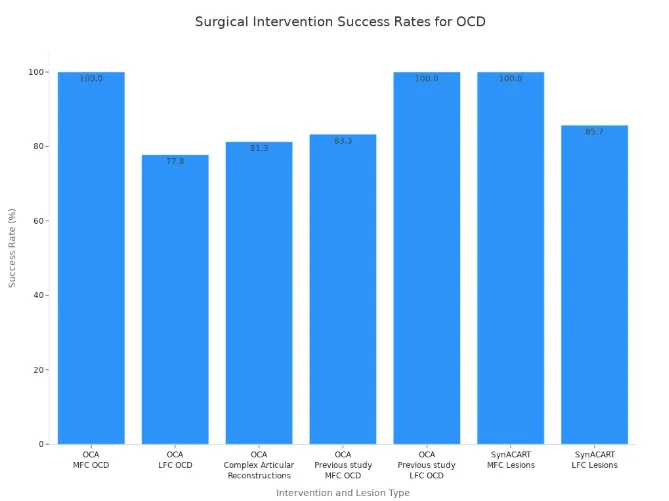
Surgery can fix OCD. Many surgeries work well. For example, OCA surgery has good results. It works for different types of damage.
| Surgical Intervention Type |
Lesion Type | Success Rate |
|---|---|---|
| Osteochondral Allograft Transplantation (OCA) |
Medial Femoral Condylar (MFC) OC |
10/10 |
| Osteochondral Allograft Transplantation (OCA) |
Lateral Femoral Condyle (LFC) OC |
7/9 |
| Osteochondral Allograft Transplantation (OCA) |
Complex Articular Reconstruction |
13/16 |
| Osteochondral Allograft Transplantation (OCA |
Previous study on MFC OCD |
5/6 |
| Osteochondral Allograft Transplantation (OCA) |
Previous study on LFC OCD |
12/12 |
| Synthetic Plugs (SynACART) |
MFC Lesions | 1/1 |
| Synthetic Plugs (SynACART) |
LFC Lesions | 6/7 |
Arthroscopy is a good surgery for shoulder OCD. Most dogs get full movement back. This happens in 3 to 4 months. This surgery takes out bad cartilage. It lessens pain. It helps healing. This makes movement better. It lowers arthritis risk.
Cardiac Health Risks
Your Cane Corso can have heart problems. You need to know about these. Watch your dog's heart health. This helps them live long. It keeps them active.
Dilated Cardiomyopathy (DCM)
DCM is a bad heart problem. It makes your dog's heart bigger. The big heart pumps blood poorly. This problem gets worse over time. About 10-15% of Cane Corsos get DCM. Your dog's breed can get this disease. PetMD says 10-15% of Cane Corsos get DCM. Finding it early is key. This helps manage the disease.
Heart Murmurs and Screenings
Look for heart murmurs. These sounds mean heart problems. Regular checks watch your dog's heart. Your vet might suggest tests. An echocardiogram is one test. It is a heart ultrasound. It shows the heart's parts. It shows how it works. Holter monitoring is also useful. It records heart rhythm for 24 hours. These tests help your vet. They find and treat heart issues. They are vital for your Cane Corso.
Gastrointestinal and Digestive Issues
Your Cane Corso can have bad stomach problems. You must know about them. Act fast to keep your dog well.
Bloat (GDV) Prevention
Bloat is very dangerous. It is also called GDV. Your dog's stomach fills with gas. Then it twists. Blood flow stops. You must act fast. Watch for these signs:
- Walking around a lot
- Drooling a lot
- Trying to throw up but can't
- A swollen belly
Get help from a vet right away. This can save your dog.
You can stop bloat. Give small meals often. Do not let your dog run after eating. Wait one to two hours. Do not use a raised bowl. Never let your dog drink too much water. Do not exercise your dog after eating.
Think about a surgery called gastropexy. This stitches the stomach. It keeps it from twisting. This surgery works very well. It stops bloat from coming back. Vets suggest it for some breeds. You can do it when spaying or neutering.
You can also make your dog eat slower. Put big balls in the food bowl. Use puzzle toys for food. Feed dogs separately. Give big kibble. Do not use high-fat dry food. This can make bloat more likely.
Dietary Sensitivities
Your Cane Corso might be sensitive to food. This can cause skin problems. It can also cause stomach upset. Signs include itching. Vomiting or diarrhea can happen. Watch what your dog eats. Good food keeps them healthy. Talk to your vet. They can find what causes problems. They can help change the food.
Eye and Vision Problems
Your Cane Corso's vision is important. You need to watch for specific eye problems. Early detection helps your dog. It keeps their sight clear. Addressing these issues promptly improves their quality of life.
Entropion and Ectropion
Entropion is when your dog's eyelid rolls inward. This causes eyelashes to rub against the surface. It irritates the area. It can cause pain and damage. Ectropion is the opposite. The eyelid rolls outward. This exposes the surface. It makes it dry and prone to infection. Both conditions are common eye problems in Cane Corsos. You can correct these problems with surgery. A vet performs a simple procedure. This repositions the eyelid. It prevents further irritation.
Cherry Eye
Cherry eye happens when a gland in your dog's third eyelid pops out. It looks like a red lump in the corner of the eye. It is not painful at first. But it can become irritated. You need to treat it. Vets usually fix cherry eye with surgery. They reposition the gland. This helps it function normally. Sometimes, the gland can pop out again. This is called re-prolapse. Certain breeds, like English Bulldogs, have a higher chance of this. Studies show a re-prolapse rate from 0-6% with anchoring techniques. One study saw recurrence in two dogs after repositioning. Surgical failure, meaning re-prolapse, happens in nearly all studies. You should discuss these potential problems with your vet.
Progressive Retinal Atrophy
Progressive Retinal Atrophy (PRA) is a group of genetic eye problems. It causes the retina to break down over time. This leads to blindness. Multifocal retinopathy is a genetic cause of late-onset PRA in Cane Corsos. This condition slowly gets worse. You might notice your dog struggling in dim light first. Eventually, they lose all vision. There is no cure for PRA. However, early diagnosis helps you prepare. You can adapt your home for your dog. Responsible breeders screen their dogs for PRA. They use genetic tests. This helps prevent passing on these vision problems. You should always ask breeders about eye health clearances. This helps ensure your puppy has good vision.
Skin and Coat Health Challenges
Your Cane Corso can have skin problems. Their coat can also have issues. These make them uncomfortable. They affect their health. You need to know these skin problems. Act fast to help your dog.
Demodectic Mange
Demodectic mange is a skin problem. Tiny mites live in hair. Most dogs have these mites. Too many mites cause problems. This happens to puppies. It also affects dogs with weak immune systems. You may see hair loss. Skin can be red and scaly. This is often on the face. It also appears on paws. Your vet can find it. They do a skin scraping. Good treatment is ready.
Allergic Dermatitis
Allergic dermatitis is another skin issue. Your dog's skin reacts to allergens. These are in the air. Pollen or dust mites are examples. Food can also cause allergies. Your dog will scratch a lot. Their skin might be red. They can get hot spots.
Many treatments are available. Antihistamines help symptoms. They are cheap. They have few side effects. But they don't always work. Special diets remove food allergens. This helps skin health. It works if food is the cause. Control your dog's surroundings. Remove allergens.
Other treatments help severe cases. Atopica is an old medicine. It is safe. It works slowly. It helps long-term skin issues. Steroids like prednisone work fast. But don't use them long. They have side effects. Immunotherapy is a special treatment. It fixes the allergy cause. It makes dogs less allergic. It finds specific triggers. It works for many dogs. Acupuncture also helps. It treats hot spots. It lessens itching. Your vet will choose the best plan.
Brain and Other Health Issues
Your Cane Corso can have brain problems. They can also have other serious health issues. You must know about these problems. Finding them early is very important. This helps your dog stay well.
Epilepsy
Epilepsy is a common brain problem. It causes seizures. The seizures have no clear cause. They usually start around age two. But they can start earlier. They can also start later. Your dog might fall down. It might twitch. It might pass out during a seizure. You should write down seizures. Note the date and time. Note how long it lasts. Note what kind it is. This helps your vet. They can change medicine if needed. Medicine can help control seizures. It makes your dog's life better.
Thyroid Problems
Thyroid problems can affect your dog. Hypothyroidism is common. This means the thyroid gland makes too few hormones. Signs include getting fat. Your dog might be tired. Skin problems can happen. You might see a dull coat. Hair loss can occur. Your vet can find this. A simple blood test helps. Treatment is daily medicine. This replaces lost hormones. Regular checks watch hormone levels. This makes sure the dose is right.
Cancer Risk
Cane Corsos can get cancer more often. This is a big worry. Osteosarcoma is the most common cancer. This is a bad bone cancer. It mostly affects bones. It spreads fast. Dogs with it live 6 to 11 months. This depends on treatment. Signs are limping. A limb might swell. Your dog might be tired. It might lose weight. Regular vet visits are key. They help find cancer early. Early finding helps treatment. Tell your vet about any lumps. Tell them about behavior changes right away.
Proactive Health Management and Prevention

You are very important. Your Cane Corso needs you. Good health care helps your dog. It helps them live long. It helps them be healthy. Give them good food. Make them exercise. Make smart choices. You can stop many problems. Just be careful.
Regular Veterinary Check-ups
Take your Cane Corso to the vet often. These visits are key. They find health problems early. Your vet sees small changes. They see them before they get bad. They check your dog well. They suggest tests to stop problems. These visits mean good care. Your dog stays healthy.
Optimal Nutrition for Cane Corso Health
Good food is the start. It builds your Cane Corso's health. They need good, balanced food. It must be for big dogs. This is extra true for puppies. Control how many calories they eat. This is important as they grow. It stops them from getting too fat. Too much weight causes bad joint problems. Calcium and phosphorus are key. They build strong bones. Not enough causes weak bones. Bones can break easily. Too much calcium causes bad bone shapes.
Big dog puppy food is special. It has certain calcium. It has certain phosphorus. The calcium to phosphorus ratio is set. This is different from small puppies. It is different from adult dogs. Puppies cannot control calcium well. Look at the food label. It should say it is for puppies. It should say "including large dogs." This means dogs over 70 pounds. This is what AAFCO says. Big dog puppy food has fewer calories. It has less calcium and phosphorus. Other puppy foods have more. A good diet for big puppies is special. It meets their growth needs. It controls calories. This stops fast growth. It has the right calcium. It has the right phosphorus. It has the right vitamin D. It has the right calcium to phosphorus ratio. Wrong amounts cause bone problems. Do not switch to adult food too soon. This is bad. It can give too many nutrients. Too much calcium is a worry. But big puppies also need enough calcium. The right amounts are key for growth. The calcium to phosphorus ratio for big puppies. It needs to be low. It should be 1:1 to 2:1. Other puppies can have more. Do not give extra Canine Multivitamin. Do not add toppings. Big puppy food has all they need. If you add food, use plain veggies. No fat, salt, or flavors. Control growth by feeding right. Keep them lean. Feed meals, do not free feed. This helps them stay healthy. A score of 2.5 to 3 is good. Free feeding causes bone problems. Puppies eat too much. They grow too fast. Regular puppy food is not good for big dogs. It is for small dogs. They grow fast. Big puppy food controls calcium. AAFCO says 1.8% dry matter is max. It keeps calcium to phosphorus ratios right. Big puppies need 22.5% protein. This is for muscles. AAFCO says this for all growth diets. Phosphorus must be balanced. This is for healthy bones. High-protein dry food for big dogs. It should have low energy. This stops fast growth. Fast growth can hurt joints.
Exercise and Weight Management
Exercise is very important. It helps your Cane Corso's joints. It helps their whole body. Adult Cane Corsos need 1-2 hours of exercise daily. This means long walks. It means jogging. It means strength training. Puzzle toys help their minds. Obedience training helps too. Balance play with rest. These big dogs need 30 minutes of exercise. Do this twice a day. That is one hour daily. This exercise keeps them at a good weight. It makes their muscles strong. Strong muscles support joints. For good joints, use supplements. Best Glucosamine For Dogs, Dog Hip And Joint Supplement, MSM, and Vitamin C help. These make joints flexible. They lower pain. They lower swelling. Good food helps. Keeping a good weight helps. Right exercise helps. This stops problems. It stops hip dysplasia. It stops joint disease. It stops arthritis. Cane Corsos get these easily. Ask your vet for advice. Ask about food. Ask about exercise. This stops weight gain. It stops health problems. You must stop obesity. Extra weight hurts their joints a lot.
Responsible Breeding Practices
Picking a good breeder is key. It is a very important choice. Good breeders care about health. They check their dogs well. This lowers genetic problems. Look for breeders who check hips.
Early Symptom Recognition
You must watch your Cane Corso closely. Look for changes in how they act. Look for changes in their body. Seeing problems early helps. The vet can help fast. This makes things much better. Watch for limping. Watch for pain. This can mean hip dysplasia. Front leg limping means elbow dysplasia. Dry heaving and a big belly mean bloat. Red, itchy skin and hair loss mean Demodex mange. Seizures start around age 2. This means epilepsy. Red, swollen inner eyelids mean cherry eye. Irritation and eye sores mean distichiasis. Eyelids rolling out mean ectropion. Eyelids rolling in mean entropion. These hurt the eyes a lot. Call your vet right away. Do this if you see any of these. Your fast action can save their life.
Your Cane Corso has special health needs. You are key to managing their health. We talked about bone, heart, and stomach issues. Eye, skin, and brain problems are also common. Finding these problems early is very important. Good vet care is a must. Preventing issues before they start is best. This helps them live a long, healthy life. You give great care to your Cane Corso. This care helps stop many health problems. Watching closely helps their health a lot. You can handle these health problems well.
FAQ
❓ How often should my Cane Corso visit the vet?
You should take your Cane Corso for regular check-ups at least once a year. Puppies and senior dogs need more frequent visits. These appointments help your vet catch potential health issues early. Early detection makes treatment more effective.
🚨 What are the first signs of bloat (GDV) in a Cane Corso?
Watch for restlessness, excessive drooling, and unsuccessful attempts to vomit. Your dog's belly might also appear swollen. Bloat is an emergency. You must seek immediate veterinary care if you see these signs.
🦴 Can I prevent hip dysplasia in my Cane Corso?
You can reduce the risk. Choose a reputable breeder who screens their dogs for hip dysplasia. Provide a balanced diet suitable for large breeds. Avoid over-exercising your puppy. Maintain a healthy weight for your dog.
🥣 What kind of food is best for a Cane Corso puppy?
Feed your Cane Corso puppy a high-quality, large-breed puppy formula. This food controls growth and provides the correct calcium-to-phosphorus ratio. Avoid regular puppy food. It can cause too-rapid growth and joint problems.



Blog comments
0 Comments