
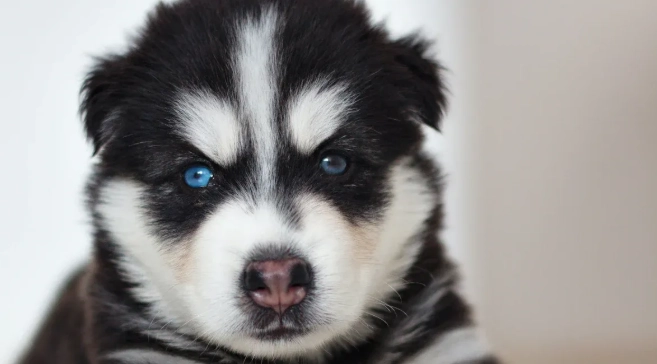
Siberian Huskies are stunning dogs—intelligent, energetic, and even when mixed with other breeds, they retain that remarkable vitality. However, their personalities can be a handful, and meeting their exercise needs is no easy feat—bad weather or small living spaces often get in the way. Sufficient physical activity and mental stimulation are crucial for them to stay healthy and vibrant.
Key Takeaways
- Husky mixes require plenty of exercise and mental challenges to stay healthy and happy.
- On bad weather days or when you’re short on time, indoor exercise options can help meet their needs— the key is to maintain consistent activity and mental engagement.
- When choosing an exercise routine for your dog, consider their size first, prioritizing safe methods that allow you to adjust intensity.
- Introduce new exercises to your Husky mix gradually, using treats and praise, and always prioritize their safety.
- Indoor exercise supplements (rather than replacing) outdoor activities—your dog still needs to explore the real world.
Siberian Husky Exercise Needs
High Energy and Endurance
Siberian Huskies are born athletes—bursting with energy and boasting impressive stamina. They need plenty of exercise to stay physically and mentally healthy. Adult Huskies require 80 minutes of daily exercise, most of which should involve running, paired with brain games. For puppies, aim for 5 minutes of exercise per month of age, focusing on exploration and sniffing—avoid intense activity to protect their developing joints. Older Huskies need less intense exercise: shorter, more frequent walks, letting them set the pace, and gradually reducing activity levels as they age.
Mental Stimulation Requirements
Physical activity alone isn’t enough for these sharp dogs—they also need mental challenges to avoid boredom and destructive behaviors. Here are ways to keep their minds engaged:
- Rotate toys and puzzle feeders regularly to maintain their interest.
- Incorporate training games, like treat hunts or scent work, or teach them new tricks—start with simple commands, then move to more complex ones, keeping sessions short and fun.
Exercise Challenges
Raising a Husky comes with exercise-related hurdles:
- Their thick fur makes them sensitive to heat. Prolonged exposure to hot weather can lead to heatstroke, so always take extra care in warm climates—provide shade and fresh water.
- Huskies are stubborn and like to do things their way, which can make training difficult.
- They’re skilled escape artists—smart, eager to run, and capable of climbing fences, digging holes, or darting out open doors. A secure yard is a must; a 6-foot fence (preferably buried slightly underground) works best to prevent escapes.
Popular Husky Mixes and Traits
Siberian Huskies have distinct traits, and when crossed with other breeds, their offspring often have complex personalities and abundant energy. These mixes vary widely in appearance and temperament, each making a unique companion.
Husky-Shepherd Mixes (Gerberian Shepsky)
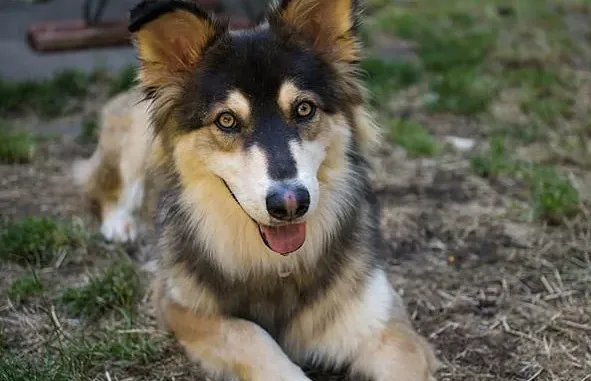
The cross between a Husky and a German Shepherd is often called a Gerberian Shepsky—blending the best of both breeds: the loyalty and courage of a German Shepherd, plus the friendliness, playfulness, and gentleness of a Husky. They’re highly intelligent, quick learners, and love picking up new skills or having a “job” to do. That said, if they take after their Husky parent more, they may be stubborn and prone to boredom.
Physical Traits
Gerberian Shepskies are medium to large dogs—bigger than a Husky but smaller than a German Shepherd. They weigh 45–70 pounds and stand 20–25 inches tall, with athletic builds that inherit strength and endurance from both parents. Their medium-length coats have a dense undercoat, and they shed year-round. Coat colors vary: white, gray, blue, sable, or multi-colored (black-and-white, red-and-white, or gray-and-white). Eye colors include brown, blue, or green—many have heterochromia (two different colored eyes) and may also have the German Shepherd’s signature black mask.
Temperament and Adaptability
They’re calm, gentle, and have a muscular, bold appearance—yet they’re full of energy. Regular exercise is a must to prevent unwanted behaviors like excessive barking or chewing. Their sharp attention to detail makes them excellent watchdogs, but they may bark frequently since they notice every sound. Affectionate by nature, they love pets and belly rubs, are deeply loyal to their owners, and get along well with people (especially when properly socialized). They’re great with kids and can live harmoniously with other animals if socialized early.
Health Concerns
Be aware of these health issues for this mix:
- Hip and elbow dysplasia: A common joint problem in German Shepherds; responsible breeding and proper care can reduce risk.
The Glucosamine And Chondroitin For Dogs is formulated with a variety of essential ingredients to provide extended joint care. Its core ingredients, glucosamine and chondroitin, help support healthy joint cartilage and reduce joint stress. It's especially suitable for breeds prone to hip problems, such as Huskies. Combined with regular exercise, it helps dogs move more comfortably.
- Eye conditions: Juvenile cataracts, progressive retinal atrophy, and glaucoma.
- Skin issues and allergies: Triggered by food, the environment, or fleas.
- Bloat: A life-threatening condition common in deep-chested breeds, requiring immediate veterinary care.
Other conditions: Epilepsy, and glandular disorders like hypothyroidism or Cushing’s Disease.
Husky-Lab Mixes (Huskador)
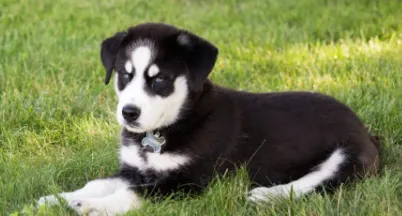
The Huskador—a cross between a Siberian Husky and a Labrador Retriever—is a popular mix. They inherit the Labrador’s friendliness and outgoing nature, plus a strong retrieving instinct, and retain the Husky’s high energy levels (so plenty of activity is a must). With their gentle demeanor, they make wonderful family pets.
Husky-Poodle Mixes (Huskydoodle)
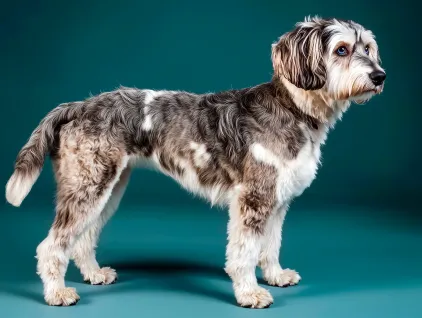
Meet the Huskydoodle: a cross between a Husky and a Poodle. These dogs are intelligent, playful, and energetic—plus, thanks to their Poodle parent, they may shed less (a big plus for allergy-prone owners). They’re smart and generally easier to train than purebred Huskies.
Husky-Malamute Mixes (Alusky)
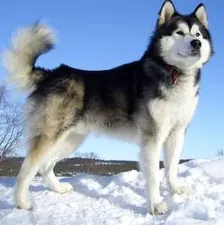
The Alusky— a mix of two sled dog breeds (Husky and Alaskan Malamute)—is a powerful dog. Large, strong, and incredibly enduring, they also have a strong prey drive. This mix is perfect for active owners who love running or hiking—they need lots of exercise to thrive.
Husky-Pitbull Mixes (Pitsky)
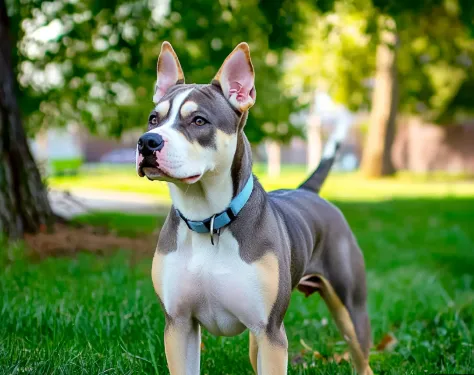
The Pitsky combines a Husky with a Pitbull—resulting in a strong, athletic dog. They’re fiercely loyal, can be stubborn at times, and have extremely high energy levels. They need plenty of playtime and also love cuddling up with their owners. They’re ideal for outdoor enthusiasts—great companions for hiking or running.
Other Notable Mixes
There are many other Husky mixes, each with unique traits:
- Pomsky (Husky × Pomeranian): A charming, fluffy small breed—perfect as a lap dog and well-suited for apartments. They still need daily walks and indoor play to burn energy, and they’re highly attached to their owners.
- Beaski (Husky × Beagle): Intelligent and easy to train, they get along well with kids and other animals—but early socialization is key. Inheriting the Beagle’s keen sense of smell, they love exploring, so let them sniff during walks to satisfy their curiosity.
- Horgi (Husky × Corgi):Fluffy and blending traits from both parents. Thanks to the Corgi’s herding instinct, they may chase young children—training is essential. Exercise should include short walks and toy play.
- Rottsky (Husky × Rottweiler): Inherits the Rottweiler’s strength and the Husky’s alertness, making them potential guard dogs. They’re deeply loyal, affectionate, and protective of their owners—best for experienced owners who can provide consistent exercise and training.
- Goberian (Husky × Golden Retriever): A fantastic family dog—they need a spacious backyard or nearby dog park. They love being around people (especially kids), are playful, and thrive in family outdoor activities like picnics or games.
Meeting the Exercise Needs of Husky Mixes
Husky mixes are high-energy dogs, and sufficient exercise is key to keeping them healthy and well-behaved. Regular activity helps them maintain a healthy weight, strengthens their heart and lungs, and reduces destructive behaviors (like chewing or excessive barking) caused by pent-up energy.
Whether it’s outdoor runs, games, or indoor play, the core goal is to maintain consistent frequency and intensity that matches your dog’s physical abilities. Adjust exercise for age: puppies need short play sessions to protect joints, while senior dogs thrive on gentle walks to avoid overexertion. Add mental stimulation too—like combining walks with simple training commands or using treat-dispensing toys to make exercise more engaging.
Exercise Environment and Equipment Tips for Husky Mixes
Creating a safe exercise environment helps Husky mixes burn energy without risk. Here are some tips:
- Outdoor Spaces: Choose enclosed, safe areas like dog parks or trails—avoid busy roads or areas with hazards (sharp objects, toxic plants). Always use a leash, especially for breeds like Aluskies or Pitskies (which have strong prey drives or high energy)—this prevents them from running off or chasing others.
- Indoor Spaces: Ensure the area is spacious and free of hazards (sharp furniture, loose wires). Have durable toys and puzzle feeders on hand so they can burn energy indoors.
- Equipment: Pick a comfortable harness (avoid collars to prevent choking) and non-slip leash based on their size. For large mixes (like Gerberian Shepskies or Aluskies), add a soft mat for post-exercise rest to protect joints. In hot weather, use a cooling vest to prevent heatstroke。
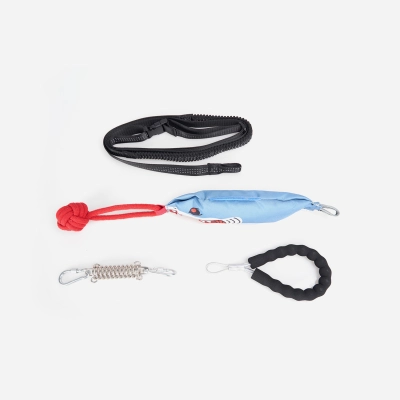
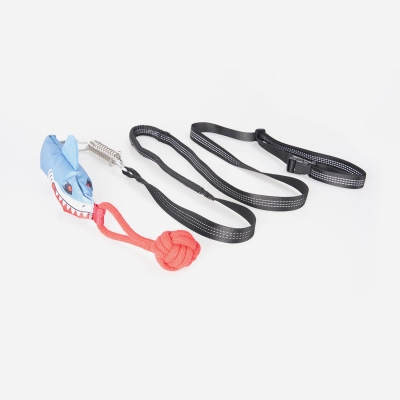
Unleash your dog’s natural instincts with the Spring Pole Dog Toy for Tug of War! Designed for endless fun and fitness, this durable toy keeps your pup entertained while building strength, agility, and bite skills. Perfect for all breeds, it mimics the thrill of a tug-of-war game, keeping your dog active and happy
Introducing Husky Mixes to New Exercise Routines
When introducing your Husky mix to new exercises, patience and positive reinforcement are key to building their confidence. Here’s how to do it:
Positive Reinforcement
Link new exercises to fun—use your dog’s favorite treats (like frozen peanut butter or chicken strips) or toys as rewards, giving them every 15 seconds to keep them motivated. If your dog isn’t food-driven, use play (like fetch) instead. Keep the environment quiet to minimize distractions, helping them focus on the activity.
Recommended Exercise Equipment: Ronzeil Non-Electric Dog Treadmill
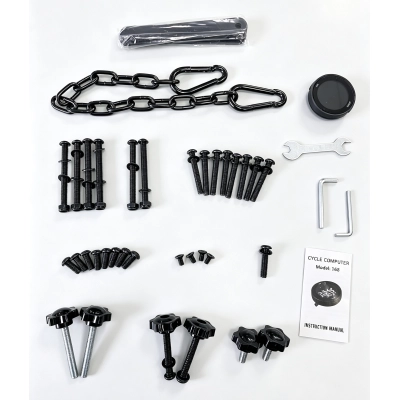
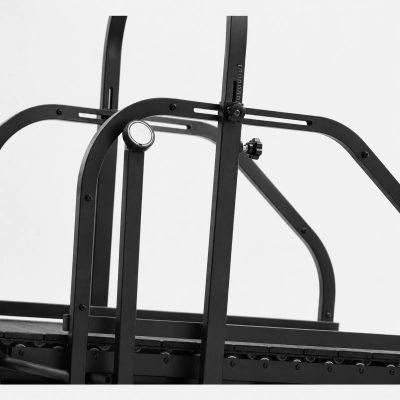
If you want to help your Husky mix build a consistent exercise routine, the Canine Multivitamin is tailor-made for them! Designed for medium to large breeds (including Labradors, Alaskan Malamutes, German Shepherds, and more—it’s a perfect fit for Husky mixes), its key features solve common pet parent pain points:
① Adjustable Resistance for Easy Adaptation: The front gear starts at Level 1 (default), so your dog can get used to it before you increase intensity as they progress—no more initial resistance to new equipment.
② Top-Tier Safety Design: A brake lever lets your dog enter/exit safely, and you can use it to slow or stop them during high-speed runs. Acrylic side barriers prevent them from stepping off sideways, and chains stop wandering—even new pet parents can use it with confidence.
③ Durable and Pet-Friendly: AISI 304 stainless steel bearings run quietly (no scaring your dog!) and resist corrosion. The ABS alloy running surface protects their paws for comfortable use, while the thickened steel frame stays stable (no wobbling!). A step counter tracks distance, so you can monitor their activity accurately.
④ Thoughtful Details: The adjustable stabilizer bar fits Huskies of different sizes, keeping them comfortable during workouts. A protective cover keeps dust and water out, prevents tangles (for you and your dog), and extends the bearing’s lifespan.
For high-energy Husky mixes, this treadmill delivers the intensity they need with quiet, paw-friendly design—helping them fall in love with exercise easily. It’s a hassle-free, practical tool for busy pet parents!
Gradual Introduction Steps
- Familiarization Phase: Place the new exercise gear (like the Ronzeil treadmill or toys) in a quiet, familiar area. Let your dog explore it freely, rewarding curiosity. For the treadmill, first let them stand on the stationary surface—use treats to build a “treadmill = rewards” association.
- First Movements: Start the treadmill on Level 1 (low resistance) to let your dog get used to the moving surface. Speak in a calm, reassuring tone—never force them. If they seem nervous, pause and go back to the familiarization phase to build trust.
- Building Confidence: Stick to short, regular sessions. Once your dog is comfortable with Level 1, gradually increase resistance. Stay by their side during early sessions, using pets and praise to keep them secure.
- Monitoring and Feedback: Watch for natural gait—adjust speed if they seem stiff or limp. If they pant heavily or slow down, pull the brake lever to stop and let them rest. Always use positive language—never scold them for struggling.
- Advanced Training (Optional): Once your dog is fully comfortable, use the step counter to set small goals (e.g., 1 mile per session) or add simple commands (“Run,” “Stop”) to make workouts more engaging.
Short, Frequent Sessions
Start with short sessions to avoid overwhelming your dog:
- For medium to large mixes (Gerberian Shepskies, Aluskies): 15–20 minutes, 5–6 times a week.
- For small mixes (Pomskies) or anxious dogs: 2–3 minutes, 3 times a day—gradually lengthen as they adjust.
Supervision and Safety
- Never leave your dog alone during exercise (especially on the treadmill).
- Check equipment first: Ensure the brake lever works, the stabilizer bar fits your dog, and remove nearby hazards (wires, sharp objects).
- Warm up and cool down: Let your dog stand on the stationary treadmill before starting, and gently massage their legs post-workout to prevent muscle strain.
- Keep fresh water handy—offer sips during intense sessions.
Keeping It Positive
Focus on building your dog’s confidence with consistent, positive exposure:
- End every session on a high note (e.g., a quick game of fetch after treadmill time).
- If your dog fears the treadmill (e.g., backing away), don’t push them—let them sniff it first, then use treats to encourage small steps forward.
- Respect their limits: Senior dogs or those with health issues should stick to Level 1—prioritize gentle movement over intensity.
FAQ
Can indoor exercise (like a treadmill) fully replace outdoor walks for my Husky mix?
No—outdoor walks are irreplaceable for Husky mixes. They need to experience real-world sights, sounds, and smells, plus socialize with other dogs or people. Indoor tools (like the Ronzeil treadmill or puzzle toys) supplement outdoor activity—providing consistent exercise on bad days or when you’re busy.
How often should my Husky mix exercise?
Adjust frequency based on age, energy, and breed: Aim for 5–6 sessions a week, 15–20 minutes each (for medium/large mixes). Puppies (under 6 months) need 5 minutes per month of age, while seniors need shorter, gentler walks. Always watch for tiredness—slow down or stop if they pant heavily or lag behind.
What signs mean my Husky mix is tired during exercise?
Stop immediately if you notice:
- Heavy panting (tongue hanging far out, rapid breathing).
- Sluggish movement (falling behind, limping, or stiff legs).
- Loss of interest (ignoring toys, hiding).
- Dazed behavior (slow reactions, irritability like growling or shaking).
Are high-intensity exercises safe for all Husky mixes?
No—safety depends on health, age, and size. Puppies have developing joints (avoid intense runs), while seniors may have joint issues (stick to gentle walks). Dogs with health problems (heart or respiratory issues) need vet-approved low-intensity routines. Small mixes (like Pomskies) also don’t need high intensity—prevent injury with light play.
Husky mixes are lively, lovable companions, and their unique traits make them a joy to own. Understanding and meeting their exercise needs is key to keeping them happy and healthy. Whether it’s outdoor adventures, family games, or indoor workouts with the Ronzeil treadmill, the core is to give them enough attention and space to thrive. As a responsible pet owner, adjusting your routine to fit their needs will strengthen your bond for years to come.
You’re a caring pet owner—prioritizing your dog’s unique needs will make both your lives happier.
Would you like me to add a Husky Mix Breed Suitability Chart? It will outline the ideal living environment, owner experience level (beginner/experienced), and key care tips for each mix—helping readers quickly find the right match for their lifestyle.


Blog comments
0 Comments