
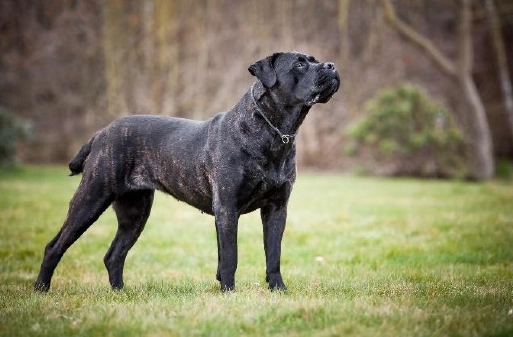
The Italian Mastiff (commonly known as the “Mastiff”) is a large guard dog originating from Italy, characterized by a calm temperament, formidable strength, and exceptional protective instincts. Its core care requirements include “moderate strength-based exercise + guarding obedience training” and “high-protein, high-calcium nutrition + joint and skeletal reinforcement + digestive care.” This aligns with its large-breed physiology and working guard dog attributes. Household ownership requires balancing its strength management with the dual needs of gentle companionship.
Exercise Regimen Suited for the Italian Mastiff
Foundational Endurance Exercise: Maintaining Physical Fitness and Body Condition
Moderate-Paced Walking/Jogging: 1-1.5 hours daily at 5-7 km/h (for adult dogs). This meets the endurance requirements for their patrol duties as guard dogs. Choose open areas like parks or countryside, avoiding prolonged exercise on hard concrete surfaces to reduce joint stress. Puppies (6-12 months) may split sessions into 2 parts, each lasting 40-50 minutes, to prevent excessive single-session exertion that could impact skeletal development.
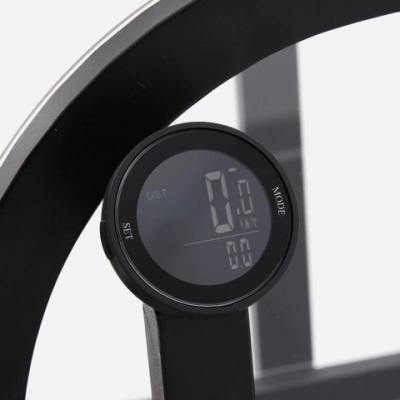
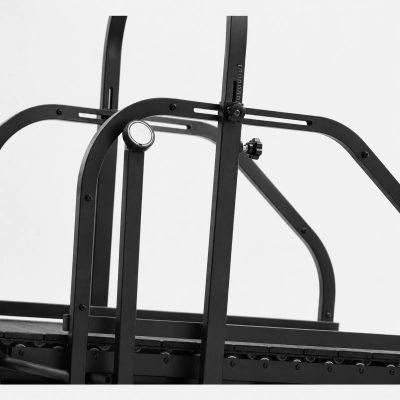
Indoor treadmill training: When outdoor conditions are limited (e.g., extreme weather), substitute with a large dog treadmill. Train for 40-60 minutes daily, starting at 4 km/h and gradually increasing speed. Before exercise, familiarize the dog with the equipment (begin with a 20-minute slow walk to build confidence). Supervise throughout the session. Follow with a 15-minute slow walk to relax muscles and prevent sudden joint strain.
Guarding + Mental Stimulation Training: Activating Instincts and Obedience
Guardian Obedience Training: 25-30 minutes daily. Teach subjects like “Stationary Guard,” “Command Alert,” and “Refuse Food/Resist Temptation.” Reinforce with positive rewards (treats, verbal praise). The Cane Corso possesses innate protective instincts; this training channels them appropriately, preventing aggression stemming from excessive vigilance. Maintain a quiet environment during training to avoid distractions.
Scent Search Tasks: Hide owner's personal items (e.g., scarves, slippers) or designated toys, then have the dog locate them on command. 15-20 minutes daily, suitable indoors or outdoors. This mentally stimulating activity reduces joint strain from high-intensity exercise, making it ideal for rainy days or senior dogs.
Simulated Guarding Scenarios: Use barriers to create a “safe zone.” Train the dog to remain alert toward ‘strangers’ (played by family members) entering the area and wait for commands. Conduct 2-3 sessions weekly, each lasting 20 minutes. This reinforces the concept of “acting on commands” and prevents behavioral deviations caused by independent judgment.
Strength + Coordination Exercises: Build Muscle and Posture
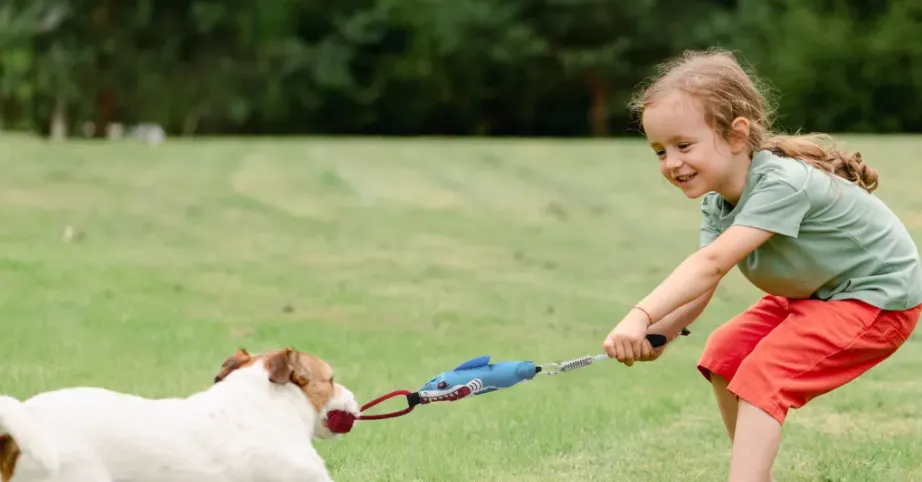
Low-Intensity Strength Training: Use Spring Pole Dog Toys For Tug Of War for 15 minutes daily. The spring tension builds core strength and jaw strength while incorporating “release” and “pause” commands to prevent overpowering. Add 1-2 weekly drag training sessions (using a specialized leash to pull lightweight objects, not exceeding 5% of body weight) to enhance muscular explosiveness, aligning with the strength demands of guarding duties.
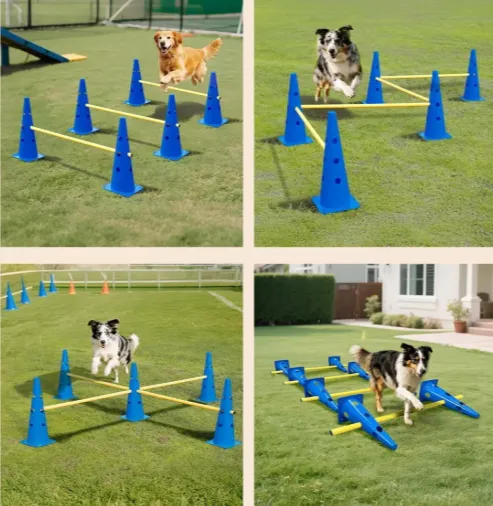
Canine Agility Training Equipment (low hurdles, simple tunnel): 2-3 sessions weekly, 25-30 minutes each, focusing solely on foundational movements (e.g., tunnel crawling, cone weaving). Avoid high-difficulty jumps (e.g., high hurdles) as the Cane Corso's large frame makes excessive jumping prone to hip joint injuries. Maintain a controlled pace during training, with 3-5 minute intervals between each exercise to allow joints sufficient recovery time.
Exercise Considerations
As a large breed, Cane Corsos experience significant joint stress. Avoid short bursts of high-intensity exercise (e.g., rapid sprints, frequent stair climbing). Prioritize “moderate-to-low intensity, extended duration” activities. Puppies (under 1 year old) should not engage in strength training or agility equipment exercises. Focus on walks and light retrieval games to protect skeletal development. Adult dogs (1-8 years) can engage in all exercise types normally, with a daily total of at least 1 hour. Senior dogs (9+ years) should eliminate strength training, limiting activities to walks and scent-based games, with each session reduced to 40-50 minutes.
Avoid outdoor activities during peak heat hours (11 AM–4 PM). Despite their short coats, Cane Corsos have large bodies that dissipate heat slowly. During summer exercise, carry ample water and rehydrate every 20 minutes. After exercise, wipe their abdomen with a damp towel to cool them down and prevent heatstroke. In winter, use insulated vests to protect their abdomen from cold exposure and prevent gastrointestinal discomfort.
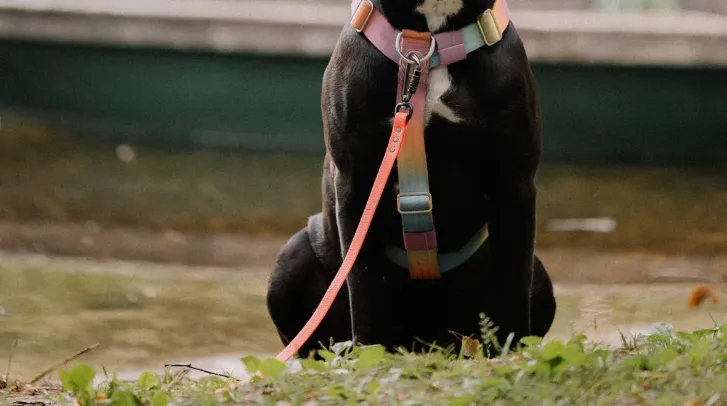
Always use a specialized large-breed leash during walks to prevent breakaways due to their strength. When encountering other dogs outdoors, yield proactively to minimize conflict risks. Avoid large meals or excessive water intake within one hour after exercise to prevent gastric torsion.
Essential Nutritional Plan for Italian Mastiffs
Core Macronutrients: High-Energy, High-Calcium Formula
High Protein: 26%-30% of daily diet. Prioritize high-quality animal proteins (beef, lamb, chicken, salmon) to support muscle repair and strength maintenance. With substantial muscle mass, adequate protein prevents muscle loss and sustains the strength required for guarding duties. For strength training, Dog Muscle Gain Supplement (per label instructions: 1 gram daily per 10kg body weight) to aid muscle growth.

Moderate Fat: 16%-20% of diet, primarily unsaturated fatty acids (fish oil, flaxseed oil). Provides high energy suited to large breed metabolism while promoting skin and coat health, reducing dryness and flaking. Avoid high-fat meats (e.g., fatty cuts, organ meats) to prevent obesity and joint strain.
High calcium, low glycemic carbohydrates: Calcium content should reach 1.2%-1.5% of the diet, achievable through primary food or specialized calcium supplements. Cane Corso skeletal development requires substantial calcium; deficiency may lead to hip dysplasia. Select low-glycemic carbohydrates like brown rice, oats, and sweet potatoes for 45%-50% of the diet to provide sustained energy. Increase dietary fiber (e.g., pumpkin, carrots) to promote intestinal motility.
Targeted Supplements: Precisely Address Core Needs
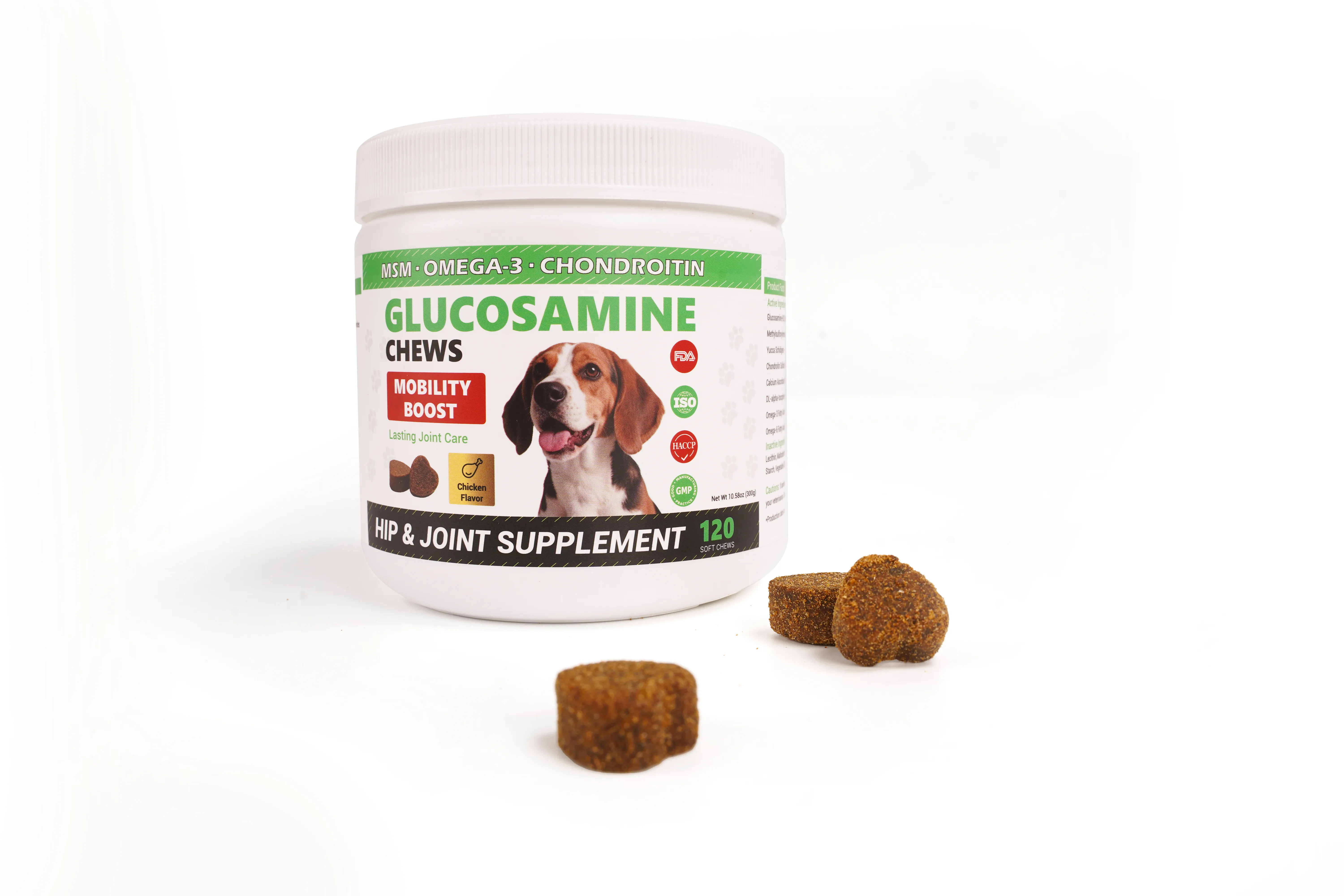
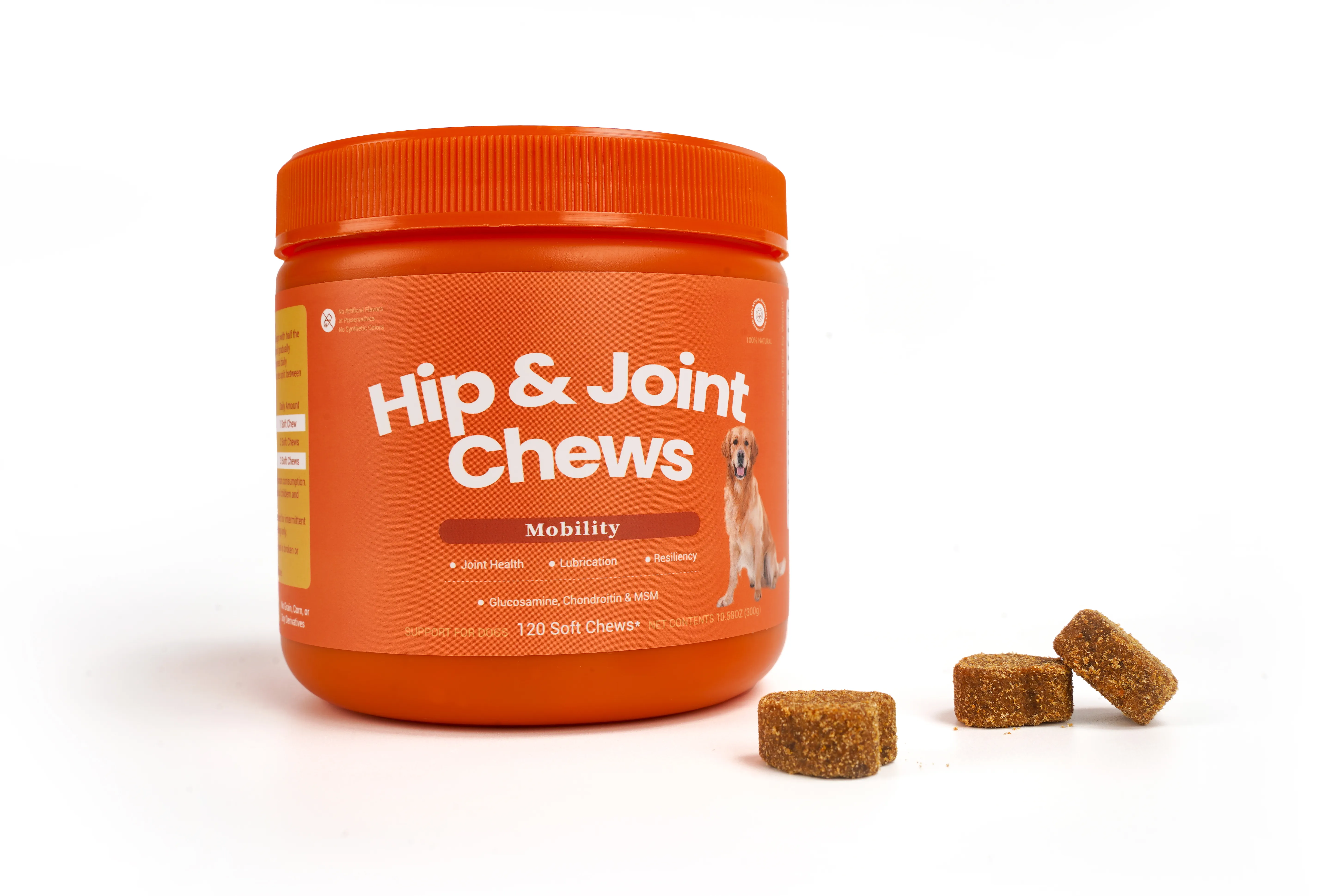
Joint & Bone Protection: Daily addition of Glucosamine Supplements For Dogs supplements + Dog Hip And Joint Supplement. Cane Corsos are prone to hip dysplasia, and prolonged exercise can cause joint wear. These two supplements work synergistically to strengthen joint cartilage and lubricate synovial fluid. For adults (1+ years): Administer daily based on body weight—500mg glucosamine + 300mg hip supplement (containing chondroitin, MSM) per 10kg. Increase dosage by 15% during periods of heightened exercise.
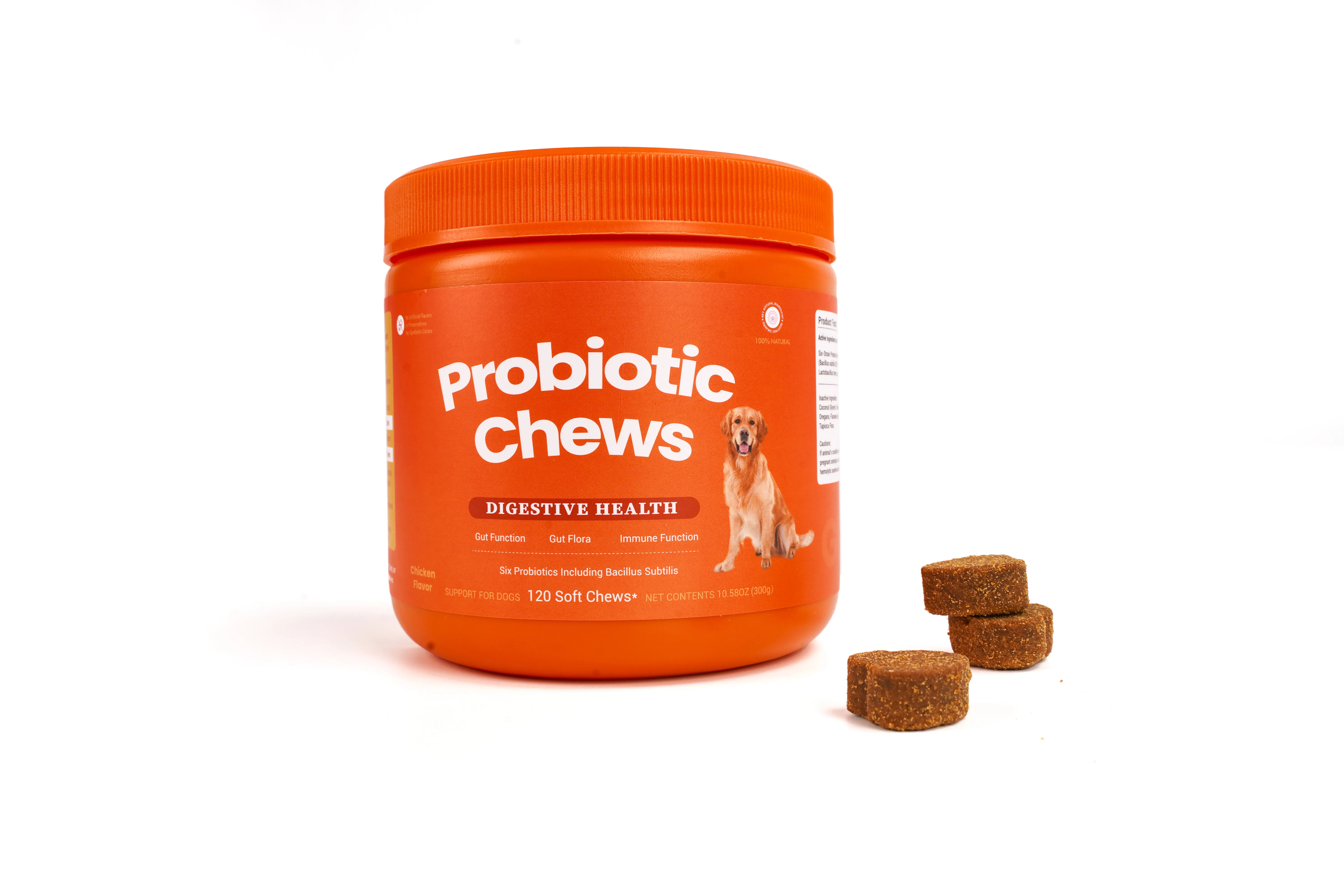
Digestive Health: Administer daily Canine Probiotic Supplement. Cane Corso dogs have relatively weak digestive systems, and large breeds often experience slower intestinal motility, leading to indigestion and constipation. Probiotics help regulate gut flora balance and enhance digestion and absorption. Incorporate pumpkin puree and beet pulp into their regular diet to stimulate intestinal movement and alleviate constipation.
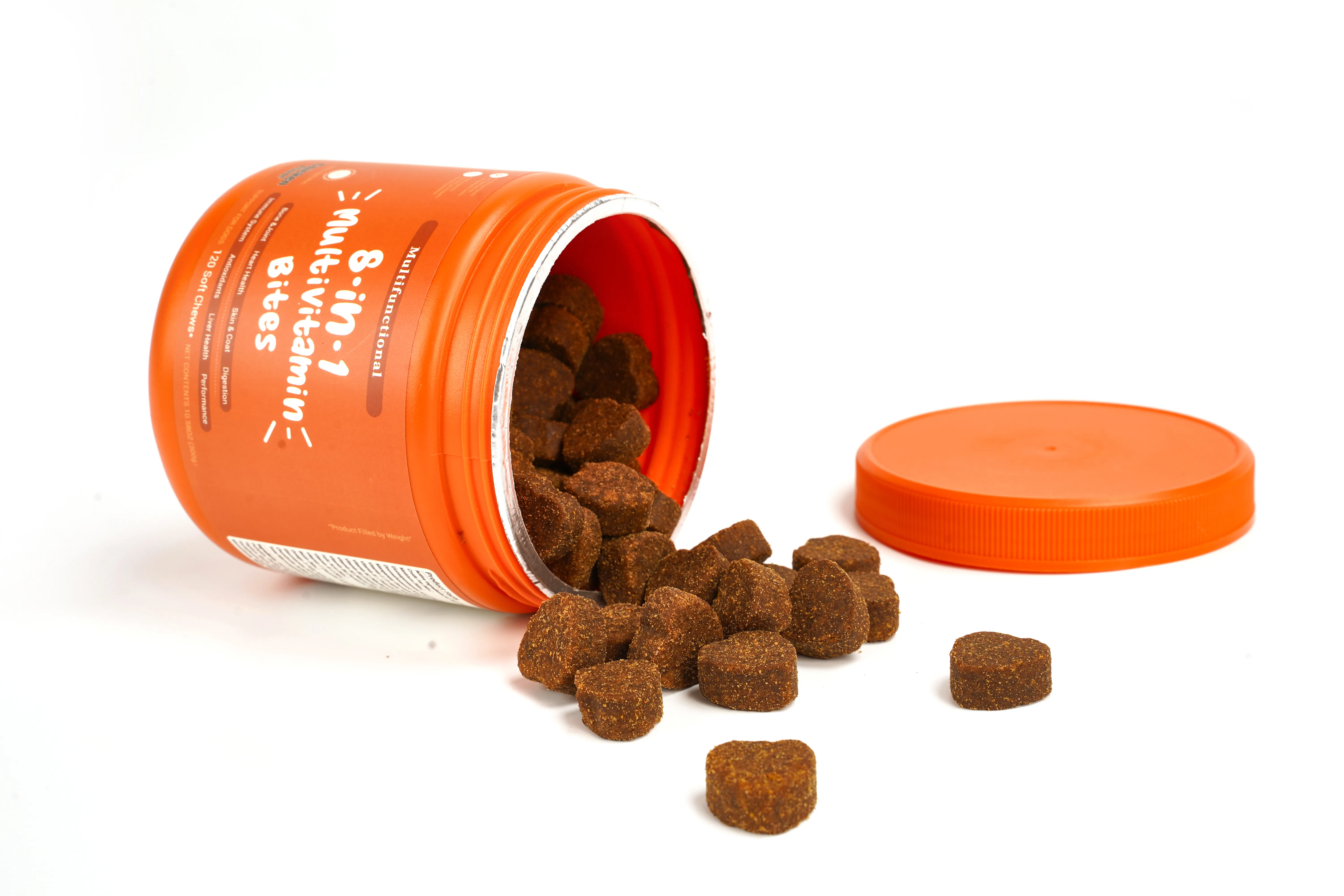
Comprehensive Nutrition Coverage: Administer one tablet of Canine Multivitamin daily to supplement micronutrients including Vitamin A, Vitamin D, iron, and zinc. Vitamin D promotes calcium absorption, preventing skeletal issues caused by calcium deficiency. During winter months with insufficient sunlight, supplement with additional Vitamin D preparations to prevent osteoporosis.
Feeding Guidelines
Feed twice daily (adult dogs) or 3-4 times daily (puppies). Portion size is calculated by weight (e.g., an 80-90kg adult Cane Corso requires approximately 800-900g of main food daily). Adjust dynamically based on activity level (increase by 8%-10% during high activity periods). Avoid overfeeding to prevent obesity, as excess weight significantly increases hip joint strain.
Ensure adequate water intake, calculated daily based on body weight (60-70 ml per kg). Provide room-temperature water after exercise to avoid stomach irritation from ice-cold water. Do not feed human food (e.g., chocolate, grapes, onions), especially bones (e.g., chicken or fish bones), to prevent gastrointestinal lacerations or blockages.
Choose high-protein, low-fat treats (e.g., air-dried beef jerky, freeze-dried chicken) limited to no more than 8% of daily caloric intake. Use as training rewards, avoiding high-sugar or high-fat snacks to maintain dietary balance and dental health.
Supplement Usage Guidelines
Administer all supplements strictly according to the dog's weight and product dosage instructions; never combine or exceed recommended amounts.
Puppies may begin glucosamine supplements at 6 months of age, with hip supplements added after 1 year.
Senior dogs may increase joint supplement dosage (to 120% of adult dosage) while reducing or discontinuing muscle-building supplements.
Consult a veterinarian before supplementing if your Cane Corso is pregnant, nursing, or suffers from joint or gastrointestinal diseases to avoid exacerbating symptoms. Calcium supplementation must be moderate; excessive intake may cause abnormal bone calcification.
Example of Equipment and Supplement Combinations (Weekly Reference)
|
Time |
Schedule of Activities |
Nutritional Pairing |
Age Range |
|
Monday |
1 hour outdoor walk + 25 minutes of guard dog obedience training |
Main Grain + Probiotics + Glucosamine + Multivitamins |
Adult dogs aged 1 to 8 years |
|
Wednesday |
Spring-loaded tug-of-war: 15 minutes + Scent search: 20 minutes |
Main grain + Muscle-building supplement (as directed) + Hip joint supplement + Multivitamin |
Young adult dogs aged 1–6 years |
|
Friday |
Treadmill 45 minutes (5 km/h) + Basic Command Review 15 minutes |
Main Grain + Probiotics + Multivitamins |
Adult dogs aged 1–8 years (reduce speed to 4 km/h for senior dogs) |
|
Weekend |
1.2-hour countryside hike + 10-minute drag training |
Main Grain + Glucosamine + Hip Joint Supplement + Multivitamin + Pre-Workout Energy Snack |
Adult dogs aged 1-8 years (Senior dogs should skip drag training and reduce walking duration to 50 minutes) |
Adjustment Guidelines for Different Age Groups
Puppies (2-12 months): Exercise should follow the principle of “short, frequent sessions.” Daily routine includes 2 walks (30-40 minutes each) + 2 light fetch games (10 minutes each). Avoid treadmills and strength training equipment. Nutrition: “Puppy-specific formula (approx. 26% protein, 1.2% calcium) + probiotics + multivitamins + glucosamine supplement (half dose)”. Do not add muscle-building or hip supplements yet. Feed small, frequent meals (4 times daily) to ensure balanced skeletal and joint development.
Young Adult Dogs (1-6 years): Follow the table standards. Gradually increase strength training intensity (e.g., slightly raising drag weights). Add muscle-building supplements on high-intensity exercise days. Select adult large breed dog food to ensure adequate protein and calcium. Weigh monthly and adjust feeding amounts promptly to prevent obesity.
Senior Dogs (9+ years): Replace exercise with “2 daily walks (40-50 minutes each) + 20 minutes of scent-based games”; eliminate treadmill, strength training, and agility equipment. Nutrition: Discontinue muscle-building supplements. Increase joint supplement dosage. Select senior large breed dog food (low-fat, high-fiber, high-calcium formula) paired with probiotics to reduce gastrointestinal and joint strain. Conduct regular skeletal health checks to prevent osteoporosis.


Blog comments
0 Comments