
Your Pit Bull is a bundle of energy, loyalty, and strength—they have unique physical and behavioral needs that set them apart from other breeds. While Pit Bulls are often misunderstood, they’re prone to specific health issues tied to their muscular build, medium-sized frame, and genetic traits. Understanding their growth journey, spotting stage-specific problems early, and using targeted supplements can help your Pit Bull live a long, healthy, and vibrant life.
Key Takeaways
* Pit Bulls have distinct growth patterns and health risks—tailoring care to their life stages is critical.
* Their muscular build and active nature make joint health, weight management, and heart care top priorities.
* Stage-specific supplements (e.g., joint support, heart protectants) can prevent common issues before they start.
* Regular vet checkups, proper nutrition, and safe exercise are non-negotiable for their well-being.
Pit Bull Growth Chart
| Growth Stage | Age Range | Male Weight Range (lbs) | Female Weight Range (lbs) | Key Physical Traits |
|---|---|---|---|---|
| Newborn | 0–2 Weeks | 1.5–2.5 | 1.2–2.2 | Eyes/ears closed; relies on mother for warmth/feeding |
| Transitional | 2–4 Weeks | 2.5–4.5 | 2.2–4.0 | Eyes open; starts crawling/walking; teeth erupt |
| Socialization | 4–12 Weeks | 4.5–15 | 4.0–13 | Rapid growth; develops social skills; teething ends |
| Adolescence | 3–12 Months | 15–60 | 13–50 | Muscles develop; height peaks; hormonal changes |
| Adulthood | 12–24 Months | 60–80 | 50–70 | Full size/weight; body matures; energy stabilizes |
Pit Bull Growth Stages: Key Issues & Preventive Supplements
1. Early Puppyhood (0–12 Weeks)
Key Issues
- Hip/Elbow Dysplasia: Genetic risk is high; rapid weight gain worsens it.
- Hypoglycemia: Small puppies (especially toy Pit Bull variants) have low blood sugar if fed irregularly.
- Nutritional Deficiencies: Lack of protein, calcium, or vitamins stunts bone/muscle growth.
Preventive Supplements
- Glucosamine + Chondroitin: 50–100mg/day (based on weight). Supports joint cartilage development to reduce dysplasia risk.
- Vitamin B Complex: 1–2mg/day. Prevents hypoglycemia by stabilizing energy levels; aids nerve function.
- Puppy-Specific Multivitamin: Choose formulas with calcium, phosphorus, and DHA. Ensures balanced nutrition for growth (avoid over-supplementing calcium—can cause bone issues).
2. Adolescence (3–12 Months)
Key Issues
- Muscle Strains: Overexercising (e.g., long runs, jumping) damages developing muscles/joints.
- Skin Allergies: Hormonal changes and environmental triggers (pollen, dust) cause itching, hot spots.
- Behavioral Anxiety: Territorial instincts kick in; may lead to destructive behavior.
Preventive Supplements
- Omega-3 Fatty Acids (Fish Oil): 200–500mg EPA/DHA daily. Reduces skin inflammation from allergies; supports brain health (eases anxiety).
- Joint Support Chews: Continue glucosamine (100–200mg/day) + add MSM (methylsulfonylmethane). Protects joints during high-energy play.
- L-tryptophan: 100–200mg/day. Amino acid that boosts serotonin; calms anxiety without drowsiness.
3. Adulthood (12–24 Months)
Key Issues
- Dilated Cardiomyopathy (DCM): Genetic risk in Pit Bulls; weakens the heart over time.
- Muscle Wasting: Inadequate protein or exercise leads to loss of lean muscle.
- Weight Gain: Slow metabolism + overfeeding increases joint strain and heart risk.
Preventive Supplements
- Coenzyme Q10 (CoQ10): 50–100mg/day. Boosts heart cell energy; reduces DCM risk (especially important for senior dogs later).
- Whey Protein Powder: 1–2 tbsp mixed into food 2x/week. Supports muscle maintenance (avoid if your dog has kidney issues).
- Probiotics: 1–2 billion CFUs/day. Aids digestion; helps maintain healthy weight by improving nutrient absorption.
4. Senior Years (7+ Years)
Key Issues
- Osteoarthritis: Joint cartilage wears down; causes pain and limping.
- Cognitive Dysfunction Syndrome (CDS): Memory loss, confusion, or changes in sleep.
- Kidney/ Liver Stress: Organ function declines with age.
Preventive Supplements
- Glucosamine + Chondroitin + Hyaluronic Acid: 200–300mg glucosamine/day. Hyaluronic acid lubricates joints; eases arthritis pain.
- Phosphatidylserine (PS): 25–50mg/day. Supports brain function; reduces CDS symptoms (e.g., disorientation).
- Milk Thistle: 50–100mg/day. Protects liver cells from damage; aids detoxification.
Tailored Care Beyond Supplements
Nutrition
- Puppies (0–12 Months): Feed high-protein (22–26%) puppy food for muscle/bone growth (e.g., chicken, turkey). Avoid grain-heavy formulas.
- Adults (1–7 Years): Choose lean protein (20–24%) adult food; limit treats to 10% of daily calories (use carrots or freeze-dried meat).
- Seniors (7+ Years): Switch to low-sodium, easy-to-digest food with added joint support; reduce calories by 10–15% to prevent weight gain.
Exercise
- Puppies: Short 5–10 minute walks 2x/day + gentle play (avoid jumping).
- Adults: 30–45 minutes of moderate exercise (walking, fetch, swimming) 2x/day—swimming is ideal for joint health.
- Seniors: 15–20 minute walks 1–2x/day; avoid hard surfaces (use grass or soft trails).
Vet Checkups
- Puppies: Monthly visits (6–16 weeks) for shots, deworming, and growth checks.
- Adults: Annual exams + heart screenings (echo/ECG) to monitor for DCM.
- Seniors: Bi-annual exams + blood work (kidney/liver function) + joint X-rays.
Environmental Adaptations
You must make a safe home. It must be comfy for your French Bulldog. Their special body needs changes. This stops injuries. It helps their health.
Your French Bulldog is sensitive to heat and cold. Do not exercise them. Do not do it when it is hottest. They need mild weather. Or they need AC in hot weather. This stops heatstroke.
Hide all cleaning products. Hide medicines. Hide toxic plants. Azalea, Daffodils, Rhododendron, and pine are bad. Put them on high shelves. Or put them in locked cabinets. Remove bad items. These are scented potpourri, oils, fake pearls, and citronella candles. Store bad food and drinks away. Chocolate, potato, alcohol, and xylitol are examples. Protect good items. Make safe spots for your puppy. Put baby locks on cabinets. Use auto-close dog doors. This stops access to rooms or stairs. Keep trash covered. Make your garden safe for your French Bulldog. Remove soil fertilizers. Remove sharp tools. Fence off bad plants. Make sure everyone knows rules. Make sure they follow them.
Make a small, safe area for your French Bulldog. A cozy bed or crate works. It should have toys. Your French Bulldog can go there. It is for quiet time. It is for safety. This spot should be calm. Give good food. Make sure they drink enough water. Ask a vet for advice. Watch food portions. This stops obesity. Obesity hurts joints. It makes breathing worse. Always give fresh water. This is key in warm months. Flavor water with chicken broth. Use low-sodium broth. This is if your French Bulldog drinks too little.
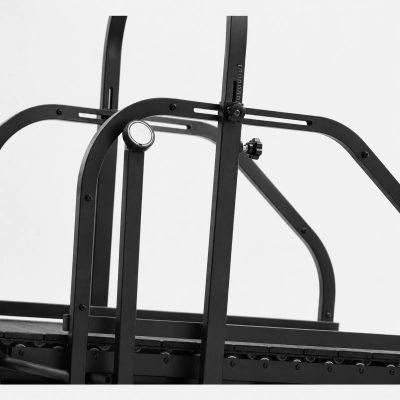
French Bulldogs can adapt. They fit in apartments. They fit in houses with small yards. They need some exercise. To stop back problems, keep a healthy weight. Do not do things that hurt their back. Think about a dog treadmill. This helps with controlled exercise. It helps manage their weight safely. Schedule vet check-ups often. These are yearly exams. These are dental check-ups. French Bulldogs often have teeth problems. These check-ups also cover shots. They cover parasite prevention. Good food and some exercise keep a healthy weight. This reduces stress on joints. It reduces stress on breathing. Be careful in hot weather. Be careful in humid weather. Do not exercise hard on hot days. Give fresh water and shade. Think about a GPS dog fence. This keeps your French Bulldog safe outside. This full plan helps their long-term health.
Understanding your French Bulldog's growth is key. Their special needs are vital. This smart care stops health problems. It helps them grow well. It makes them healthier. You give them a better life. Use this knowledge daily. You will bond more. You give your friend the best care. Being a smart owner helps a lot. You raise a happy French Bulldog.


Blog comments
0 Comments