
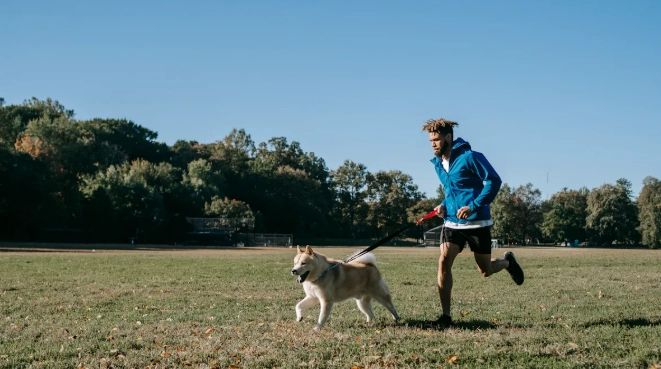
Strong muscles are very important for your dog's health. They help your dog move around. They also stop injuries. A strong dog can play sports better. Your dog will have more energy too. You can make your dog's muscles stronger. Give them good food. Do special exercises. Let them rest enough. Use smart supplements. How will you help your active dog stay healthy? How will you help their muscles work best?
Key Takeaways
Feed your dog good food. It needs protein, healthy fats, vitamins, and minerals. This helps muscles grow and stay strong.
Give your dog different exercises. Try swimming, walking uphill, or interval training. This builds muscle and makes them fit.
Let your dog rest. Rest helps muscles get stronger. Watch for signs of being too tired. Give them time to recover after exercise.
Supplements can help. Omega-3s reduce swelling. Joint support keeps joints healthy. Probiotics help your dog use food better. Always ask your vet first.
Optimal Nutrition for Muscle Growth
Good food is key. It makes your dog's muscles strong. A good diet gives your dog what it needs. This helps muscles grow. It also keeps your dog healthy. You must feed your dog the right food. This keeps them active. It also keeps them strong.
High-Quality Protein Intake
Your dog needs good proteins. These build and fix muscle. These proteins have important amino acids. These amino acids are key. They help muscles grow. Whole meats are great protein sources. Think about these for your dog's food:
| Protein Source | Key Amino Acids |
|---|---|
| Chicken (with skin and bone) |
Highest in almost all amino acids, especially Lysine |
| Beef | Second highest overall, particularly Arginine |
| Lamb | High in Valine and Isoleucine |
| Pork | Highest in Histidine |
| Turkey | Higher in Methionine |
| Pumpkin Seeds | Jam-packed with amino acids |
| Hemp Seeds | Rich in amino acids |
| Flaxseed | Contains amino acids and essential fatty acids |
Chicken, with skin and bone, has the most amino acids. The tiny muscles, sinews, and dark meat are best. These connect muscle to bone. They have the most protein. These parts are better. They are better than lean chicken breast for your dog.
Fats for Energy and Recovery
Fats are very important. They give your dog energy. They also help your dog recover. They are a strong energy source. This helps your dog keep going. It helps during activity. The right amount of fat depends. It depends on how active your dog is:
1.Endurance dogs: They need lots of fat. Up to 35% is good. This helps them exercise for a long time.
2.Medium-activity dogs: They need more fat. They also need more calories. This is true before events.
3.Sprinters: They do best with less fat. (12-17%) They need more carbs.
Fat helps your dog use energy well. It makes them less tired. Using fat for energy is also "cooler." It helps their body temperature. This helps during exercise. A balanced diet with good fats helps. It brings back lost energy.
Vitamins and Minerals for Muscle Health
Vitamins and minerals help muscle health. They also help energy levels. B vitamins are extra important. They help your dog change food into energy.
| Vitamin B | Role in Energy Metabolism & Muscle Health |
|---|---|
| Thiamine (B1) | Essential for glucose use and energy production |
| Riboflavin (B2) | Critical for cellular energy production |
| Niacin (B3) | Important for energy production and fat metabolism |
| Pantothenic Acid (B5) | Essential for the citric acid cycle |
| Pyridoxine (B6) | Vital for amino acid metabolism and protein synthesis. |
| Biotin (B7) | Critical for fat metabolism. |
| Cobalamin (B12) | Critical for fat metabolism and energy production |
These vitamins boost energy making. Glucosamine And Chondroitin For Dogs make glucose use better. They also help fix and keep muscle tissue. This helps your dog get better faster. It helps after exercise.
Building Dog Muscle Strength and Energy
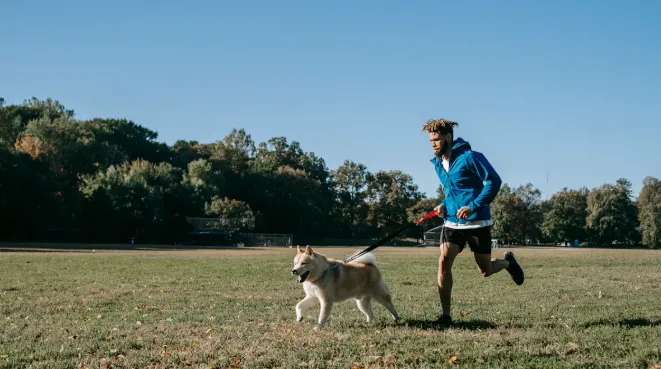
You want your dog to have strong muscles. You also want lots of energy. Good exercise helps your dog. It builds muscle mass. It makes them more fit. You can use different exercises. This helps reach your goal.
Strength Training Exercises
Strength training makes muscles stronger. You can try many exercises. Swimming is great. It works the whole body. It is gentle on joints. Ten minutes of swimming is like an hour of walking. Walking on sand or in shallow water builds muscle. It adds resistance. It does not cause hard impact. Running uphill strengthens back legs. You can use a flirt pole. This stick has a lure. It makes your dog chase and jump. This tires them fast. For advanced training, try weight pulling. Use a proper harness. Start with light weights. Increase them slowly. Walking backward strengthens hip muscles. Stability balls challenge your dog. They build core strength.
Always warm up your dog. Do this before strength training. A five-minute walk helps. A game of fetch helps too. It gets their muscles ready. Start with few repetitions. Use low resistance. Increase these as your dog gets stronger. This stops injuries.
Cardio for Stamina and Energy
Cardio exercise boosts stamina. It also boosts energy levels. You can build endurance in steps.
Phase 1: Foundation Building (4-6 weeks): Walk your dog for 20-30 minutes. Walk on different ground. Start with short trotting. Do this for 1-2 minutes. Then walk for 1 minute. Repeat this 5-8 times. Slowly trot for longer.
Phase 2: Building Capacity (4-6 weeks): Trot for 10-15 minutes straight. Add interval training. Trot fast or run for 2-3 minutes. Then walk for 1 minute to recover. Include uphill training here.
A planned interval training session looks like this:
1.Warm-up: Walk for five minutes. Then trot easily for five minutes.
2.Work Interval: Run fast for two minutes. Or do intense activity.
3.Recovery Interval: Walk for one minute.
4.Repetitions: Start with 3-5. Then work up to 8-10.
5.Cool-down: Trot easily for five minutes. Then walk for five minutes.
Tailored Exercise Plans
Every dog is unique. Your dog's exercise plan should fit them. It depends on breed, age, and energy. Aim for at least 30 minutes of exercise daily. This can be walks, play, or running. Daily movement builds muscle mass. It also builds flexibility. Some dogs use weight vests. This adds resistance during walks. It makes it harder. Always change the intensity. Change the length of activity. Do this for your dog's needs. A regular training schedule is key. It helps with long-term fitness.
Supporting Muscle Recovery
You work hard to build your dog's strength. You must also give them time to recover. Rest is just as important as exercise. It helps prevent injuries. It also allows their muscles to grow stronger.
Recognizing Overtraining
You push your dog during training. You must also know when to stop. Overtraining can hurt your dog. It can slow down their progress. Watch for these signs that your dog needs a break:
Your dog has less energy. They cannot do skills as well. They might struggle to hold positions.
They act differently with treats. They might grab them too fast. Or they might not want them at all.
Your dog barks or grumbles more. This is new during training.
They get easily distracted. They might yawn, sneeze, or scratch. They might sniff the ground a lot.
Their body form changes during exercises. They use wrong muscles. This can cause injury. For example, their back legs might spread wide.
Your dog seems tired. They try to leave the training area. They might flick their tongue. These are calming signals.
Cool-Down Strategies
A good cool-down is important. It helps your dog's body return to normal. It prevents muscle soreness. After intense exercise, you should gradually slow down. A cool-down should be like your warm-up. It usually lasts about 5-10 minutes. You can do a light jog for 10 to 15 minutes. Then finish with a slow walk. After a run or hike, decrease your dog's pace. Walk casually for several minutes. This helps their body temperature and heart rate go back to normal. This gentle movement aids recovery.
Rest and Relaxation
Rest is vital for muscle growth. It helps your dog's body repair itself. Adult dogs need a lot of sleep. They need 12-14 hours daily. This is about half their day. They can also relax for another 20% of the day. This rest activates their body's repair system. It helps process waste. This is key for muscle recovery after activity. A good training schedule includes enough rest. This ensures your dog has the energy levels for future activities. Proper post exercise rest helps your dog stay strong and healthy.
Supplements for Muscle Support
You can give your dog nutritional supplements. These help with muscle development and overall health. They support your dog's body and boost its energy.
Omega-3s for Inflammation
Omega-3 fatty acids are important. Muscle Supplements For Dogs help reduce inflammation in your dog's body. This is good for recovery after training. EPA is a key Omega-3 for joint health. You can see the right dosage for your dog below.
| Body Weight (lbs) | Body Weight (Kg) | Recommended Daily Dose (100 mg/kg total EPA/DHA) |
Maximum Daily Dose (mg/day) |
|---|---|---|---|
| 5 | 2.3 | 230 mg | 574 mg |
| 10 | 4.5 | 450 mg | 965 mg |
| 15 | 6.8 | 680 mg | 1308 mg |
| 20 | 9.1 | 910 mg | 1623 mg |
| 25 | 11.4 | 1140 mg | 1919 mg |
| 30 | 13.6 | 1360 mg | 2200 mg |
| 35 | 15.9 | 1590 mg | 2469 mg |
| 40 | 18.2 | 1820 mg | 2730 mg |
| 45 | 20.5 | 2050 mg | 2982 mg |
| 50 | 22.7 | 2270 mg | 3227 mg |
| 55 | 25 | 2500 mg | 3466 mg |
| 60 | 27.3 | 2730 mg | 3700 mg |
| 65 | 29.5 | 2950 mg | 3924 mg |
| 70 | 31.8 | 3180 mg | 4153 mg |
| 75 | 34.1 | 3410 mg | 4374 mg |
| 80 | 36.4 | 3640 mg | 4590 mg |
| 85 | 38.6 | 3860 mg | 4804 mg |
| 90 | 41 | 4100 mg | 5014 mg |
| 95 | 43.2 | 4320 mg | 5222 mg |
| 100 | 45.5 | 4550 mg | 5427 mg |
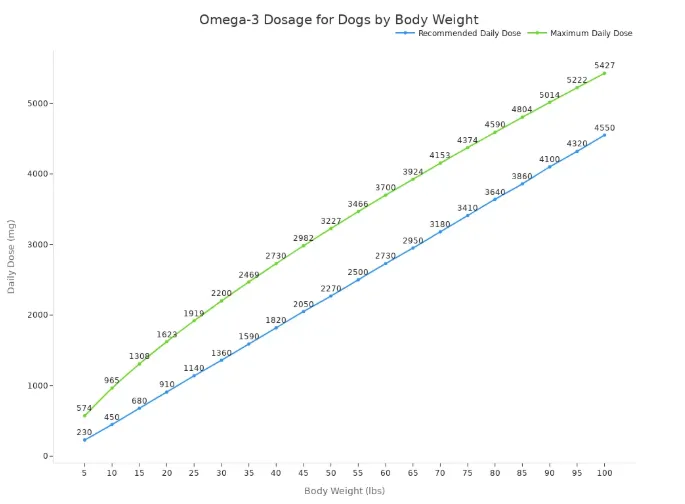
A line chart showing recommended and maximum daily Omega-3 dosages for dogs across different body weights.
Joint Support Supplements
Strong joints are key for an active dog. Glucosamine and chondroitin are popular joint supplements. They offer several benefits:
They can prevent or reduce cartilage breakdown.
They help repair cartilage.
They increase joint fluid production and improve its quality.
They decrease joint inflammation and pain. Glucosamine helps your dog's joints make cartilage. Chondroitin stops cartilage from breaking down. It also helps your dog produce more cartilage.
Probiotics for Absorption
Probiotics improve how your dog absorbs nutrients. This means your dog gets more from its food. This helps maintain good energy levels.
Probiotics make the gut barrier stronger. They create mucins and tight junction proteins. These are important for gut health.
Some probiotics produce enzymes. These enzymes help digest lactose and bile acids.
Probiotics change gut acidity. They release short-chain fatty acids.
They stop bad bacteria from growing. This leaves more nutrients for your dog.
Consider HMB (β-hydroxy β-methylbutyrate) for supporting your dog's strength. This unique ingredient helps build new tissue. It also protects existing tissue. HMB increases protein synthesis. It decreases protein breakdown. It helps maintain physical development and tone. It can reduce recovery time. HMB can reverse age-related tissue loss in senior dogs. Vitamin D3, with HMB, boosts its effects. It also supports bone health.
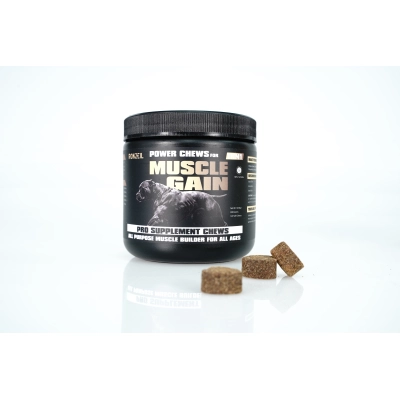
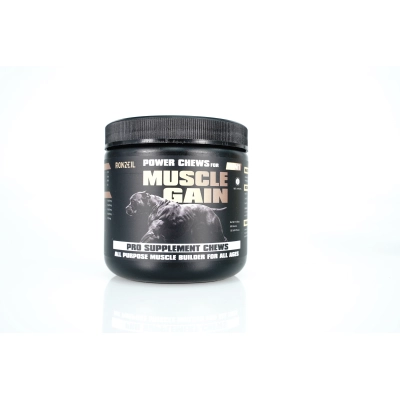
Dog Muscle Gain Supplement are available to meet the needs of every dog. This product is packed with the world's leading immune booster, ensuring your dog's health and strength, enhancing their resistance to disease. It's also rich in omega-3 fatty acids, ensuring a lustrous coat and healthy skin.
You can build your dog's strength. Focus on balanced nutrition, proper exercise, enough rest, and helpful supplements. This complete approach boosts your dog's long-term health and happiness. It ensures your dog thrives. Always talk to your veterinarian. Do this before you change your dog's diet or exercise routine. You will enjoy a strong, healthy, and active dog by your side. This commitment to your dog's well-being is rewarding.
FAQ
How often should you exercise your dog for muscle strength?
You should aim for at least 30 minutes of exercise daily. This includes walks, play, or running. For specific strength training, 3-5 sessions per week are good. Always give your dog rest days.
Can all dogs do strength training?
Most dogs can do some form of strength training. You must adjust exercises for your dog's age, breed, and health. Always talk to your vet first. They can help you create a safe plan.
What are signs of a healthy, strong dog?
A strong dog has good muscle tone. They move easily and have lots of energy. Their coat is shiny. They maintain a healthy weight. They recover well after activity.
Is it safe to give your dog supplements?
Many supplements are safe and helpful. You must choose high-quality products. Always talk to your veterinarian before starting any new supplement. They can advise you on the best choices for your dog.
Blog comments
0 Comments