
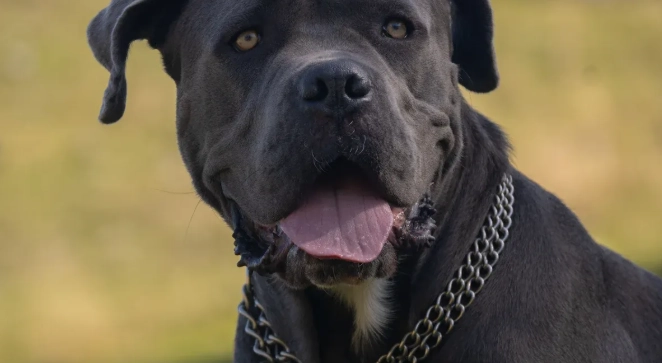
The large Cane Corso gets noticed. It is very loyal. This dog is strong and smart. It protects its family well. It makes a great friend. Before you get a Cane Corso, know what it needs. This is very important. This writing gives key facts. It is for people who own or want a Cane Corso. It talks about how to care for them. It also covers their health.
Key Takeaways
Cane Corsos are loyal, protective dogs. They need early training. They also need to meet new people and dogs. This makes them good family pets.
These big dogs need 60 to 90 minutes of exercise every day. This keeps them healthy. It also stops them from acting badly.
Cane Corsos need good food. They also need to see the vet often. This helps stop common health problems. These include bloat and joint issues.
New dog owners might find Cane Corsos hard to handle. These dogs need a strong leader. They also need steady care.
Good breeding is important. Careful introductions are too. This makes sure the dog is healthy. It also makes the home safe. This is for kids and other pets.
Cane Corso Breed Information: Overview
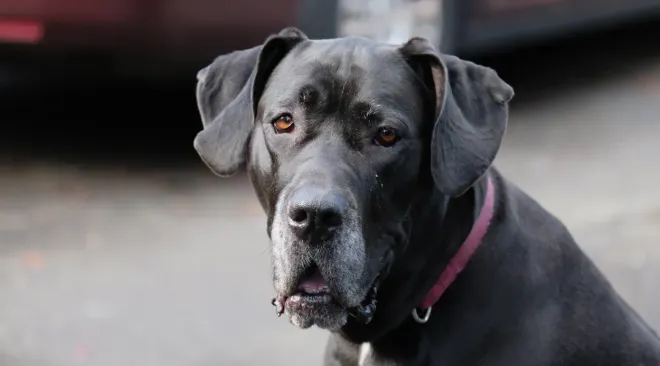
This part gives basic facts. It helps you understand their care. It also covers their health needs.
History and Origin
The Cane Corso Italiano has a long past. This dog comes from old Greek dogs. They were called Molossian dogs. The name "Cane Corso" is Latin. It means "guardian dog." These strong dogs were known as 'Canis Pugnax.' They were old Roman Molossian dogs. They helped the Roman army. They pushed enemies. They charged horses. They wore spiked collars.
After Rome fell, Cane Corsos got new jobs. They guarded farms in Italy. They kept animals safe. They kept bad people away. These dogs protected families. They hunted big animals. They hunted boar, deer, and bears. People called them 'coursing Mastiff.' They were also called Italian Mastiff.
The Cane Corso almost vanished. This was after World War II. But people saved them. This happened in the 1970s. The American Kennel Club said they were a real breed in 2010. This history shows they are working dogs. They are also guardians.
Physical Traits and Standards
The Cane Corso looks strong. It is a big, muscled dog. It shows power and quickness. Males usually weigh 110 to 140 pounds. They are 25 to 27.5 inches tall. Females are a bit smaller. They weigh about 85 to 115 pounds. Their height is 23.5 to 26 inches. This shows their big size.
| Gender | Weight Range (lbs) | Height Range (inches) |
|---|---|---|
| Male | 110-140 | 25-27.5 |
| Female | 85-115 | 23.5-26 |
The Cane Corso has short, stiff fur. It comes in many colors. These include black, fawn, red, and gray. Striped patterns are also common. A black brindle Cane Corso has black stripes. These are on a lighter color. A gray brindle Cane Corso has gray stripes. These are on a formentino coat. Formentino Cane Corsos are light fawn. They have a blue-gray face. The breed allows small white spots. These can be on the chest, throat, chin, or toes. A small white spot on the chest is normal. These Cane Corso colors are part of their breed look.
Temperament and Personality
The breed has a great personality. They are very loyal. They want to please their owners. This dog is very smart. It is also easy to train. A dog that meets many people is calm. It is also active. They are good watchdogs. They are also good protection dogs. They protect but are gentle. They have a very steady nature.
The Cane Corso Italiano loves its family. They often pick one family member. They become very close to them. This loyalty can make them protective.
The breed is naturally careful with strangers. This comes from being guard dogs. They tend to "patrol" their area. They walk along fences. This is a habit from guarding property. A well-behaved Cane Corso Italiano will accept strangers. This is if their owners are there. They are not fighting dogs. They will not start fights. But they will not back down. This is if they are challenged.
When raised right, they protect people. They protect homes and property. These facts show how they act. They love their people. They are true family dogs. This protective feeling does not make them mean. Early training helps them. They do well with strangers. They do well with other animals. They do well with calm children. These are key facts about the breed.
Lifespan and Size
Knowing how long they live is important. The Cane Corso Italiano lives 9 to 12 years. This is normal for a big dog. Good care helps them live long. Good food helps. Regular vet visits help.
Cane Corso Care: Training, Exercise, and Grooming
Training and Socialization
Good training is very important. Socialization is also key. Owners must be in charge. Do this from the start. Stop bad actions. These include growling or snapping. Early socialization helps puppies. They get used to new people. They also get used to other animals. This stops them from being too aggressive. Let your Cane Corso see many places. Let them hear many sounds. Use treats and praise. This builds trust. Keep up socialization as they grow. Puppy classes are very helpful. Trainers there know Cane Corso dogs. They can help owners. They show them how to handle things.
💡 Tip: Most behavior problems come from the owner. Train them well from a young age. This is very important.
Exercise Needs for Cane Corsos
A Cane Corso needs to move a lot. An adult needs 60 to 90 minutes of activity. This should be every day. Walks, runs, or hikes work well. Agility training is also good. It helps their body and mind. Cane Corsos are active. But they are also heavy. They should not run for too long. Controlled exercise is best. People should join in these activities. This makes their bond stronger. This breed needs regular exercise. Doggo Treadmills helps them stay healthy.
Cane Corso Grooming and Maintenance
Cane Corso grooming is quite easy. Their short coat needs brushing often. This gets rid of loose hair. It keeps their coat healthy. Use a rubber brush. A grooming mitt works too. Use these daily. A bristle brush helps more. A slicker brush also works. Owners need strong nail clippers. These are for big dogs. Dental care is also important. Use a toothbrush. Use dog-safe toothpaste. Cotton balls help clean ears. Gentle ear cleaner also helps.
Diet and Nutrition
Feeding your Cane Corso is important. They need good food. It must be high-quality. Look for real meat first. Do not use corn or soy. These are fillers. Control how much they eat. This stops them from getting fat. Adult Cane Corsos eat two meals a day. Puppies need three to four meals. This helps them grow fast. Food for large breeds is best. This is true for puppies. It helps them grow steadily. It helps their joints. Always give fresh water. Use a slow-feeder bowl. This lowers the risk of bloat.
Cane Corso Health: Common Concerns and Prevention
Cane Corso dogs are strong. But they can get sick. Owners must know these problems. This helps them give good care. Finding problems early helps. It helps your Cane Corso live long.
Genetic Health Conditions
Some health problems run in families. Hip dysplasia is one. The hip joint does not form right. This causes pain. It can cause arthritis. Other things make it worse. Dogs limp on their back legs. They have trouble standing. They have trouble walking. They move less. Young dogs might hop like a bunny.Appropriate doses of Glucosamine And Chondroitin For Dogsneed to be added to their daily diet.
Elbow dysplasia is another problem. It affects the elbow joint. This causes limping. It causes pain. It often leads to arthritis. Both hip and elbow problems are genetic.
Idiopathic epilepsy causes seizures. We do not know why. It often starts around age two. Demodex mites cause demodectic mange. All animals have these mites. A weak body can cause too many. This leads to skin problems. Young dogs get it often. This is due to weak immune systems.
Eye problems also happen. Ectropion means the eyelid rolls out. Entropion means it rolls in. Both hurt the dog. They often need surgery. Cherry eye is when a gland bulges out. This also needs surgery. Dilated cardiomyopathy (DCM) is a heart problem. It makes the heart weak. Hypothyroidism is a thyroid problem. It can cause weight gain. It causes tiredness. It causes skin issues.
Common Ailments and Symptoms
Bloat is very serious. It is also called GDV. It affects big dogs. The stomach fills with gas. It then twists. This is an emergency. Dogs try to throw up. Nothing comes out. Or only foam comes out. They may act worried. They may be restless. They might hide. They may hunch over. They may drool a lot. They may gag without throwing up. They may pant fast. Their gums might look dark red.
Skin problems are also common. Demodectic mange causes hair loss. It makes skin red. It makes skin itchy. Cane Corsos with weak bodies get it more. Hypothyroidism can cause hair loss. It can cause skin infections. Allergies can make skin itchy. They can make skin red. They can cause ear infections. These can be from food. They can be from the environment.
Preventative Care and Vet Visits
Vet visits are very important. Vets can find problems early. Shots protect puppies. Puppies get their first shot at 6 weeks. It is a 5-way shot. They get more shots every three weeks. They get shots at 9 and 12 weeks.
You can stop bloat. A surgery can stop the stomach from twisting. Vets can do this surgery. It can be done during spaying. It can be done during neutering. Change their food habits. Give small meals often. Do not give one or two big meals. Use slow-feeder bowls. This makes them eat slower. Do not exercise before meals. Do not exercise after meals. Make mealtime calm.Canine Probiotic Supplement can improve their digestive ability.
💡 Tip: Add healthy vegetables to kibble. Do not use brewer's yeast. Do not use soy in their food.
Responsible Breeding Practices
Good Cane Corso breeders are important. They stop genetic problems. They check parent dogs' health. This helps make healthy puppies. The OFA suggests checks. These include hip checks. They include elbow checks. Heart checks are important. Knee checks are also needed. Breeders should test for NCL. They should also test for DSRA. These tests stop bad genes. Good food helps. Controlled exercise helps. Joint pills help with joint problems.
Suitability: Is a Cane Corso Right for You?
Cane Corsos with Children and Other Pets
A Cane Corso can be a loyal family member. Owners must think about kids. They must think about other pets. Some Cane Corsos are not good with small animals. They like to hunt small prey. Do not put two male dogs together. This can cause fights. It is better to have one male and one female dog. Must Love Corsos Rescue avoids certain homes. They do not place dogs with high prey drives. This means no small animals. They rarely place same-sex dogs together. Introduce new pets carefully. This keeps all animals safe. A slow introduction is best. It should take at least two weeks. Rushing can cause problems. First meetings should be in a new place. Dogs can be protective of their space. Pick a second dog of the opposite sex. Choose one that does not want to be the boss.
First-Time Owners and the Cane Corso
New dog owners face problems with a Cane Corso. These dogs are big and strong. New owners may find them hard to handle. This is true during leash training. It is also true if the dog misbehaves. They need steady training. They need early socialization. This makes them well-behaved. Without it, they can have behavior issues. Cane Corsos can be bossy. They need an owner who is a strong leader. New owners might not be able to do this. These dogs need lots of exercise daily. This stops them from being bored. It stops them from being destructive. New owners might not know how much work this is. Their strong protective nature can be a problem. Owners must manage it well. Otherwise, they might be mean to strangers. Caring for a Cane Corso takes a lot of effort.
Living Environment Requirements
The space a Cane Corso needs depends on the owner. If the owner runs with the dog daily, a small home is okay. If the dog stays outside without exercise, it needs more space. A well-behaved Cane Corso needs mental and physical activity. They do well with a safe yard. This lets them explore safely.
Cost of Cane Corso Ownership
The cost of a Cane Corso changes. A puppy from a good breeder costs $1,500 to $2,000. A show dog with a rare color can be $3,000 to $4,000. A pet-quality puppy is about $1,000. Adopting from a rescue costs $250 to $500. First costs include shots ($75-$100). A rabies shot is $15-$20. Puppy things like bowls and toys cost $20 to hundreds. Microchipping is $20 to $30. Food costs $500 to $1,000 each year. Vet visits cost $300 to $1,000 yearly. Pet insurance is $204 to $676 per year. The average monthly insurance was $67 in 2024. Expect to pay $40 to $100 a month for food. This total cost shows a big commitment.
The Cane Corso is strong. It is loyal. It protects its family. Owners must know what it needs. Training is key. Start early. Help it meet people. This makes a good dog. A well-trained Cane Corso is a good family member. It is very loyal. It will protect you. This breed is great. It makes you happy. Keep it healthy. Keep it happy. 🐾
FAQ
Are Cane Corsos good family dogs?
Cane Corsos are loyal. They protect their families. They bond well with them. Train them early. Help them meet people. This makes them gentle. They will be good with kids. They will be good with other pets.
How much exercise does a Cane Corso need?
Adult Cane Corsos need to move. They need 60 to 90 minutes of activity. This can be walks or runs. It can be playtime. They are heavy dogs. So, controlled exercise is best. Moving often stops boredom. It stops bad actions.
Do Cane Corsos bark a lot?
Cane Corsos do not bark too much. They bark to warn owners. This is for strangers. It is for strange sounds. Their barks are deep. They sound strong. Good training helps control barking.
Are Cane Corsos easy to train?
Cane Corsos are smart. They like to please. This makes them easy to train. They learn well with rewards. Train them early. Keep training them. This helps them grow well.



Blog comments
0 Comments