
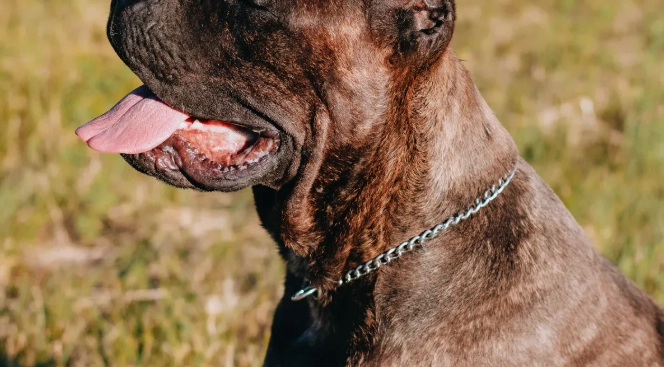
A Cane Corso usually lives for 9 to 12 years. This dog breed is very strong. But owners need to know about their health. Good care can make them live longer. Knowing about common health problems helps a lot. Knowing their special traits also helps them be healthy.
Key Takeaways
Cane Corsos usually live for 9 to 12 years. This is normal for a big dog.
Good care helps Cane Corsos live longer. This includes good food, exercise, and vet visits.
Cane Corsos can have joint problems like hip and elbow issues. They can also have heart problems and bloat.
Owners should watch for signs of sickness. Finding problems early helps dogs get better.
Responsible breeding and proper weight help Cane Corsos stay healthy.
Cane Corso Lifespan
Typical Age Range
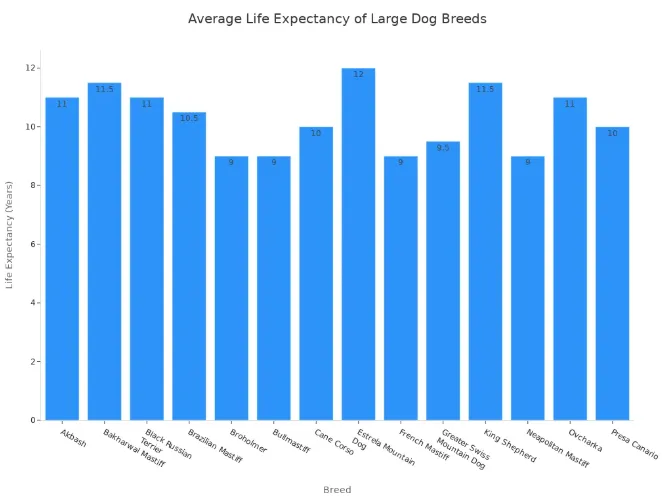
Cane Corso owners expect their dogs to live. They live for about 10 to 12 years. The average life is 9 to 12 years. This is normal for a big dog. It is a bit longer than for many giant dogs. A study in 2017 showed this. This big Molossian dog lives about 9.29 years. Other studies say they live 11 years.
The Cane Corso lives longer than some other big dogs.
| Breed | Life Expectancy (Years) |
|---|---|
| Cane Corso | 10 |
| Estrela Mountain Dog | 10-14 |
| Broholmer | 8-10 |
| Bakharwal Mastiff | 10-13 |
| Presa Canario | 9-11 |
| French Mastiff | 8-10 |
| Akbash | 10-12 |
| Greater Swiss Mountain Dog | 8-11 |
| Brazilian Mastiff | 9-12 |
| King Shepherd | 10-13 |
| Black Russian Terrier | 10-12 |
| Ovcharka | 10-12 |
| Bullmastiff | 8-10 |
| Neapolitan Mastiff | 8-10 |
Lifespan Influencers
Many things change how long a Cane Corso lives. Owners help their dog live longer. Genes and family health are things owners cannot change. Problems may not show up until later. Choosing a good breeder helps. They share health info about their dogs.
Good food helps a Cane Corso live longer. It also makes their life better. Regular vet visits help them live longer. This means check-ups and quick treatment. Enough exercise is key for a long life. Good training can lower stress. Less stress means a longer life.
Health problems also change life length. Hip Dysplasia is common in big dogs. The leg bone does not fit right. This causes pain. Vet checks, healthy weight, and exercise help. Gastric Dilatation-Volvulus (GDV) is very serious. It affects dogs with deep chests. The stomach fills with gas. It then twists. Feed small meals often to stop this. Do not let them exercise hard after eating.
Cane Corsos can have heart problems. Dilated cardiomyopathy makes the heart pump poorly. Finding it early is important. Elbow Dysplasia is a joint problem. It causes pain. Regular shots, bug control, and clean teeth help. Vet visits find problems early.
Mental health is also key. Training, play, and friends keep them happy. This stops boredom and stress. A safe home is also important. It should be comfy and fun. It should be free from danger. This lowers stress and stops injuries. Knowing their family history helps. It lowers the risk of inherited problems. Friendly dogs are less stressed. They adapt better. This means fewer injuries. Training helps their minds. It stops bad behaviors. Spaying or neutering can stop health issues. These include infections and cancers. It can also fix behavior problems. Talk to a vet about when to do this. The Cane Corso's size and traits also affect its health.
Cane Corso Health Concerns
Cane Corsos are strong dogs. They usually have good health. But this breed has some health problems. Owners must know about these issues. Finding them early helps. Good care helps manage them. This part talks about common cane corso health problems.
Joint Issues
Joint problems are a big worry for large dogs. Cane Corsos are like this too. Their size and fast growth stress their joints. Hip and elbow dysplasia are common. These are genetic problems. They make joints not line up right. Arthritis often comes with age. Big dogs can get arthritis sooner. Their weight adds strain to joints. Knowing these cane corso health problems helps owners. They can give better care.
Hip Dysplasia
Hip dysplasia is a genetic problem. It affects the hip joint. The thigh bone does not fit well. It does not fit into the hip socket. This bad fit causes pain. It makes dogs limp. Good breeders test their dogs. This stops the problem from passing to puppies. Finding it early helps manage it. A healthy Cane Corso needs early checks.
Elbow Dysplasia
Elbow dysplasia is another joint problem. It causes pain in the elbow. Dogs might limp. They might show lameness. This pain gets worse after activity. It is hard to see if both elbows hurt. The dog's walk may look normal. A dog might not want to exercise. This is an early sign. They avoid painful activities. Damaged elbows can swell. They may feel warm. They might be tender. The dog might yelp if touched. The problem can limit joint movement. This causes a 'robotic' walk. The dog might swing its leg out. Some dogs 'bunny hop'. They turn their elbows out. This lessens bending and pain. They might bob their head when walking. This also helps with pain. Owners of a Cane Corso should watch for these signs.
Osteochondritis Dissecans
Osteochondritis Dissecans, or OCD, affects cartilage and bone. It happens in the joints. Shoulders, elbows, knees, and ankles are common. This problem occurs when cartilage separates. It separates from the bone. Fast growth, genes, and food can cause it. Injury can also play a part. It leads to pain and limping.
Patellar Luxation
Patellar luxation means the kneecap moves. It slips out of its groove. This can happen in one or both knees. It causes skipping or limping. Vets rate how bad it is. It goes from mild to severe. Genes often cause this problem.
Genetic Conditions
All dog breeds can have genetic problems. Cane Corsos can too. Knowing about these problems helps owners. They can give the best care. Finding problems early helps dogs live better.
Idiopathic Epilepsy
Idiopathic epilepsy causes seizures. Vets think it is genetic. But there is no test for Cane Corsos. No gene is linked to it. Breeders cannot test for it. Owners should watch for seizures. Vets can then help with treatment.
Demodectic Mange
Demodectic mange is a skin problem. Tiny mites cause it. Mites live on most dogs. They usually cause no harm. A dog's body fights them. But some dogs get mange. Their body's defense is weak. Genes can make it weak. Puppies get it from moms. Hair loss or skin irritation can appear. Vets find it with a skin test. Treatment makes it better.
Eye Conditions
Good eye health is key for dogs. Cane Corsos can have eye issues. An ocular dermoid is one problem. It is skin or hair on the eye. It can bother the eye. It can affect sight. Vets can remove it. Eye checks find problems early. Owners should check for red eyes. Look for discharge. Watch for vision changes.
Cardiac Health
Heart problems are a big risk. Many large dog breeds get them. The Cane Corso is one of these. Owners need to know about these issues. Finding them early helps a lot. Good care makes a dog live better. Vet visits check a Cane Corso's heart.
Dilated Cardiomyopathy (DCM)
DCM is a big heart problem. It affects Cane Corsos. This disease makes the heart muscle weak. The heart chambers get bigger. The heart pumps blood poorly. It struggles to move blood. Symptoms include tiredness and coughing. Trouble breathing and a swollen belly are also signs. Vets find DCM with exams. They use X-rays and ECGs. Echocardiograms also help. Medicine often treats it. These drugs help the heart work better. They also manage symptoms. Regular vet visits are key for DCM dogs. They watch how the disease changes.
Heart Murmurs
A heart murmur means blood flows wrong. Vets often hear them. This happens during check-ups. A murmur sounds like a whoosh. It is a swishing noise. This noise is between heartbeats. Murmurs can be harmless. They can also be serious. Harmless murmurs are in puppies. They go away as they grow. Serious murmurs mean heart disease. These include valve problems. They also mean bad heart parts. Vets use echocardiograms. They find the cause of a murmur. They also see how bad it is. A Cane Corso with a bad murmur may need medicine. Other treatments might be needed. Owners should always listen to their vet. This is for heart murmurs.
Digestive Risks
Bloat (GDV)
Big dogs can get a bad stomach problem. It is called Bloat. Vets call it Gastric Dilatation-Volvulus (GDV). This happens very fast. The stomach fills with gas. Then it twists around. This stops blood flow. It cuts off blood to the stomach. Other body parts also lose blood. This is a very bad emergency. Dogs with deep chests get it more. The cane corso is one such dog. Owners must know the signs fast. The belly looks big and swollen. The dog tries to throw up. But nothing comes out. They may walk around a lot. They might seem very upset. They show signs of much pain. GDV needs a vet right away. Dogs can die in hours without surgery. To stop bloat, feed small meals. Give them food more often. Do not let them run after eating. Some owners use special bowls. These bowls make dogs eat slower. This means they swallow less air.
Food Sensitivities
Some dogs react to food. They have bad reactions. This is to things in their food. Signs often show on their skin. Dogs may itch a lot. Their skin can be red. They might get rashes. Stomach problems are also common. This means throwing up often. They might have diarrhea a lot. Ear infections can also be a sign. Common problem foods are beef. Chicken and dairy can also cause issues. Grains like wheat and soy can bother some dogs. Finding the problem food is important. This helps control the issue. Vets often suggest a special diet. This means feeding new protein. Only one carb is given for weeks. Then, owners add foods back slowly. This helps find the problem food. Managing food issues helps a cane corso. It makes their life much better. It stops them from hurting. It makes them healthier. Good food helps their body fight sickness. It keeps their fur nice.
Skin and Coat Health
A cane corso has short, thick fur. It does not need much grooming. But they can still get skin problems. Owners should look for signs of pain. Finding problems early helps fix them.
Allergies
Cane Corsos can get allergies. Many things can cause these. Things in the air can make skin itch. Food can also cause bad reactions.
Things that often cause allergies for Cane Corsos are:
- Pollen
- Grass
- Food (like wheat, chicken, or soy)
- Medicines (like penicillin or opiates)
- Perfumes
- Shampoos and cleaners
- Latex
Allergies make skin itchy. Dogs may scratch a lot. They might lick themselves. This can make skin red. It can cause hot spots. Finding what causes the allergy helps. Vets can suggest new foods. They can also give medicine.
Skin Infections
Skin infections are also common. They can make a cane corso hurt. Many kinds of infections affect them.
|
Skin Infection Type |
Prevalence in Cane Corsos |
Key Characteristics/Symptoms |
|---|---|---|
|
Demodectic Mange |
5-7% |
Caused by mites, leads to hair loss, bald patches, red/inflamed skin, excessive scratching, secondary skin infections. |
|
Allergies |
10-15% |
Triggered by food, environment, or parasites; causes itchy/red/inflamed skin, excessive scratching, can lead to ear infections. |
|
Hypothyroidism |
5-10% |
Can cause skin infections, hair loss/thinning coat, weight gain, lethargy. |
|
Ear Infections |
15-20% |
Common due to floppy ears trapping moisture/debris; leads to bacterial/fungal infections, frequent head shaking, scratching ears, foul odor, inflamed ear canal. |
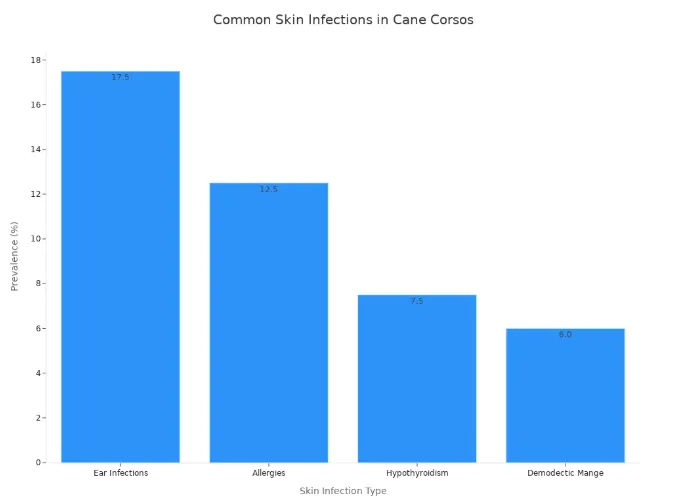
Demodectic mange is one type. Tiny mites cause it. It makes hair fall out. Skin gets red and swollen. Dogs scratch too much. This can cause more infections. Allergies can also cause skin issues. Hypothyroidism can make skin weak. This makes infections more likely. Ear infections happen often. The cane corso has floppy ears. Water and dirt get trapped. This helps germs grow. Owners should clean ears often. Watch for head shaking. Look for a bad smell. These mean an ear infection. Vets can treat these problems fast. This makes the dog healthier.
Cancer in Cane Corsos
Cancer is a big health worry. It affects many dog breeds. The cane corso is one of them. Owners should know about common cancers. They should also know early signs. This helps them act fast. It leads to better results.
Common Cancer Types
Many cancers can affect a cane corso. Osteosarcoma is bone cancer. It is very common in dogs. It often affects big dogs. The cane corso is a big dog. This cancer grows fast. It often shows up in legs. Other cancers are also a risk. Lymphomas affect the lymphatic system. Basal cell tumors grow on the skin. Histiocytic tumors affect immune cells. These can be in different body parts.
Early Detection
Finding cancer early helps a lot. It makes a dog's future better. Owners are very important here. They should check their dog often. Look for strange lumps. Notice if eating changes. Watch for weight changes. Look for new limping. Swelling also needs a look. A cough that won't go away is a sign. Trouble breathing needs care. Any behavior changes matter. Being tired or not wanting to play can be signs. Regular vet visits are a must. Vets can do exams. They can suggest tests. These tests find cancer early. See a vet quickly for any odd signs. This is always the best plan.
Maximizing Cane Corso Health
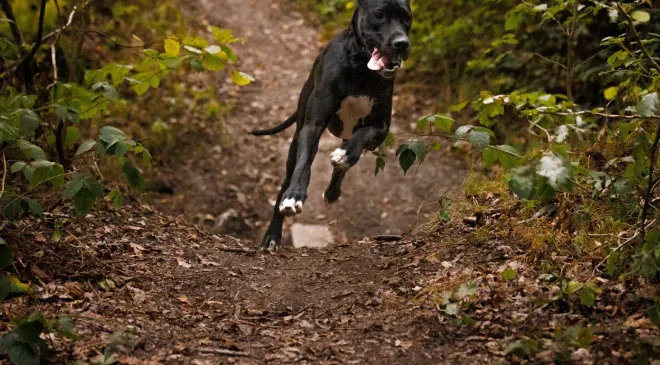
Owners help their cane corso be very healthy. Good care helps them live long. It helps them live a good life.
Responsible Breeding
Good breeding helps a cane corso live long. It helps them be happy. Breeders pick parent dogs carefully. They choose dogs with good traits. They test genes and health. This finds possible health risks. These risks include hip dysplasia. They also include PRA and DCM. This lowers problems passed down. Breeders also want calm dogs. They wait until female dogs are 24 months old to breed. They breed females only once a year.
Optimal Nutrition
Very good food is key for a cane corso. Dogs need good meat protein. This fixes muscles. Dog Muscle Gain Supplement can help them build muscle.Healthy fats help the brain. They also protect skin. Bone gives calcium. This makes bones and joints strong. Small amounts of fruits and veggies help. They give fiber and antioxidants. Offal has many nutrients. It acts like natural vitamins. When necessary, appropriate Canine Multivitamin may be taken.Water is needed for all cells. Owners should not give refined carbs. These often cause stomach problems. They also cause swelling.
Regular Exercise
Regular exercise keeps a cane corso busy. It helps them stay a good weight. Daily walks and play are key. This makes muscles and joints strong.Doggo Treadmills satisfy their need to run fast in limited spaces.
Routine Vet Care
Regular vet care is important. It helps dogs stay healthy. Adult dogs need check-ups. This is every 6-12 months. Older dogs are 7-10 years old. They need visits twice a year. A healthy adult cane corso needs one check-up a year.
Preventative Screenings
Screenings find problems early. These include hip and elbow tests. Heart checks look at the heart. Kneecap tests check for patellar luxation. DNA tests find NCL and DSRA.
Weight Management
Controlling weight is very important. It stops joint strain. It also helps overall health.
|
Gender |
Weight Range (pounds) |
|---|---|
|
Male |
110 to 140 |
|
Female |
85 to 115 |
Owners must watch their dog's weight. This keeps them in healthy ranges.
Cane Corsos live 9 to 12 years. They are strong dogs. Owners must know their health needs. Good care helps them. Responsible breeding helps too. Vet visits are important. These things help with joint and heart problems. A well-cared-for cane corso is a joy. Owners get a loyal friend. They have many healthy years together.
FAQ
What is the average lifespan of a Cane Corso?
A Cane Corso typically lives between 9 and 12 years. This is a normal lifespan for a large dog breed. Proper care helps them live longer.
What are the most common health problems for Cane Corsos?
Cane Corsos often face joint issues like hip and elbow dysplasia. They can also experience heart conditions such as Dilated Cardiomyopathy (DCM). Bloat (GDV) is another serious concern for the breed.
How does diet affect a Cane Corso's health?
Optimal nutrition is crucial for a Cane Corso's health. A balanced diet supports strong muscles and bones. It also helps maintain a healthy weight. Good food can prevent many health issues.
How much exercise does a Cane Corso need?
Cane Corsos need regular exercise to stay healthy. Daily walks and playtime are essential. This keeps their muscles strong and helps manage their weight. Exercise also prevents boredom and stress.




Blog comments
0 Comments