
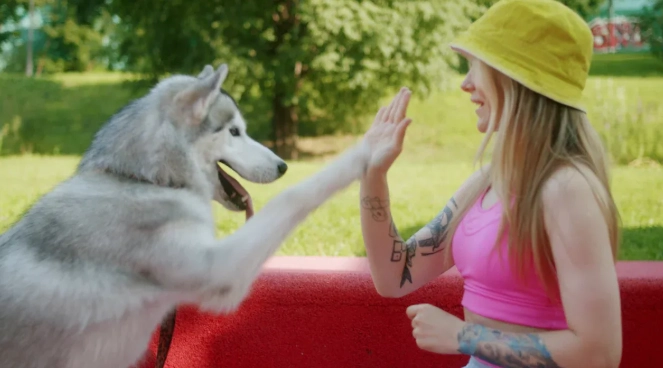
Siberian Huskies have lots of energy. They need much exercise. Doggo treadmills are good for your dog. They give steady exercise. This is true when you cannot go outside. You can be sure your dog gets enough activity. This helps them act well. Exercise keeps your dog healthy. It also makes them feel good. This makes them act better. Your dog will be happier. Your dog will be well-behaved. This guide helps you train safely. You will learn good ways to use the treadmill. This makes sure your dog gets needed activity.
Key Takeaways
Huskies need much exercise. They also need mental challenges. A dog treadmill helps them stay active. It keeps them happy. This is good when they cannot play outside.
Pick a treadmill that fits your Husky. It should match their size. It should match their strength. Look for safety features. Make sure it runs quietly. It should have adjustable speed. It should have adjustable incline settings.
Show your Husky the treadmill slowly. Give them treats. Give them praise. Make it a fun time. Never make your dog get on the machine.
Always watch your dog on the treadmill. Use a harness. Use a leash for safety. Look for signs of discomfort. Stop if your dog seems unhappy.
Be patient when training. Be consistent. Keep training times short. Make them positive. Do not rush. Do not use force. This can scare your dog.
Understanding Husky Exercise Needs
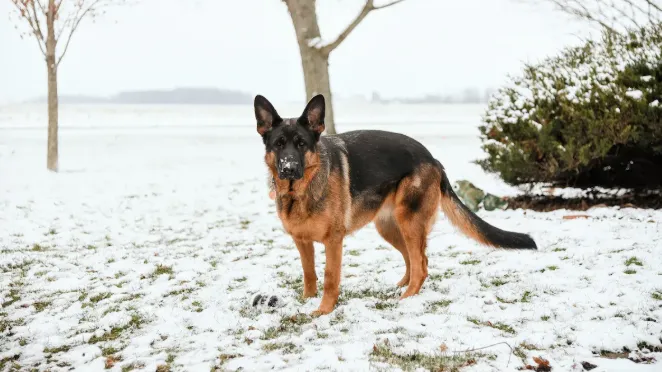
Siberian Huskies are special dogs. They need certain exercise. You must know these needs. This keeps your dog happy. It also keeps them healthy. Meeting these needs stops bad behavior.
High Energy and Instincts
Huskies have much energy. They need lots of movement. An adult Husky needs 80 minutes of exercise daily. Much of this time should be running. Your dog has strong natural urges. These make them need activity. Huskies like to pull things. They also like to hunt. A strong urge to run is key. It meets their high energy needs. These dogs live in groups. They like group activities. Huskies can go for a long time. They need hard and steady movement. This helps meet their energy.
Mental Stimulation
Moving their body is not enough. Huskies are very smart. They get bored fast. This boredom can cause bad actions. You must make them think. Harder training keeps their minds busy. Agility and obedience games are good. You can use fun toys. Puzzle feeders also help. Change these toys often. This keeps your dog interested. Automatic Ball Thrower For Dogs are also helpful. Play hide-and-seek with treats. Do scent games. These things keep your dog thinking. They also keep them happy.
Exercise Benefits
Regular exercise helps your Husky. It keeps your dog fit. Regular exercise makes your Husky's heart much better. It makes their heart strong. It also helps blood move well. This makes their heart system healthier. Steady activity helps control weight. It builds strong muscles. Exercise also lowers stress. A dog that exercises is calm. This stops common behavior issues. Knowing your dog treadmill needs is key. It gives steady activity. This makes sure your dog gets exercise.
Choosing the Right Doggo Treadmill
Selecting the correct Doggo Treadmills is important. You need a treadmill that fits your Husky's size, strength, and energy. A good treadmill ensures safe and effective exercise for your dog.
Size and Weight Capacity
Your Husky needs a treadmill built for its size. Choose a treadmill with a long running platform. This platform should be at least 1.5 times your dog’s length from nose to tail. This allows your dog to stride naturally. A small treadmill can cause discomfort or poor posture. It can also lead to joint stress. Check the weight capacity. It must support your dog's full weight. A powerful motor is also key. It handles your dog's strength and speed.
Speed and Incline
Look for a treadmill with variable speed and incline settings. These features let you customize workouts. You can start your dog slowly. Then you can increase the challenge. This helps your dog build stamina. It also provides varied activity. Most dogs walk at 2 to 2.5 mph. Many trot at 2.5 to 5 mph. Your treadmill should offer these ranges.
Noise and Durability
A quiet treadmill is best. Whisper-quiet motors will not frighten sensitive pets. This helps your dog feel more comfortable. A durable treadmill lasts longer. It handles your Husky's regular exercise. Look for strong construction. This ensures stability during use.
Safety Features
Safety is most important. Choose a Large Dog Treadmil with side rails. These rails help keep your dog on the belt. Always supervise your dog. Never leave your dog unattended on the treadmill. Keep your dog on a leash with a flat collar for control. Do not tie your dog to the treadmill. Incorporate warm-up and cool-down periods. This prevents muscle cramps. Do not feed or water your dog right before or after strenuous exercise. This prevents bloat and accidents. Start training slowly. Let your dog get used to the treadmill's sight and sound. This makes the experience positive.
Preparing for Treadmill Training
You must prepare properly before you start treadmill training with your dog. These steps ensure a safe and positive experience for your dog. You will set your dog up for success.
Positive Environment
Create a calm and distraction-free area for your dog's treadmill sessions. Your dog thrives when it spends time with you and other dogs. Socialization is a key part of training. This means exposing your dog to new places, people, dogs, sights, sounds, and smells. This process should start early in your dog's life and continue. Socialize your dog in a controlled setting. This helps you monitor its behavior and prevent accidents. If your dog gets easily triggered by noise, start training in a quiet place like your home. Then, slowly move to more stimulating areas. Huskies need lots of mental stimulation. Simple exercise is not enough for this dog. Give your dog constructive outlets for its energy. A designated digging spot can help. Your dog needs regular outdoor activity too.
Essential Equipment
Gather the right gear for your dog's treadmill activity. You need a well-fitting harness. This harness should be comfortable for your dog. Use a sturdy leash. This gives you control during training. Keep high-value treats ready. These treats will reward your dog for good behavior. Have fresh water available for your dog before and after its exercise.
Vet Consultation
Always talk to your veterinarian before starting any new exercise routine for your dog. Your vet will check your dog's health. They will make sure your dog is fit enough for treadmill activity. This step is very important. It prevents injuries and ensures your dog stays healthy. Your vet can offer advice specific to your dog's needs.
Introducing Your Husky to the Treadmill
You must introduce your dog to the treadmill carefully. This first introduction sets the tone. You want your dog to have a positive experience. This helps your dog accept the treadmill as a fun tool.
Acclimatization Without Power
First, let your dog get used to the treadmill when it is off. Place the treadmill in a quiet area. Allow your dog to sniff and explore the machine. You can put some of your dog's favorite toys near it. This helps your dog see the treadmill as a normal object. Do not force your dog to go near it. Let your dog approach it at its own pace. This first step is crucial for building confidence. Your dog needs to feel safe around the treadmill. Your dog will appreciate your patience.
Positive Association
Next, you will create a positive reinforcement experience. You want your dog to love the treadmill. Use high-value treats. These treats are special to your dog. Offer treats when your dog looks at the treadmill. Give treats when your dog walks by it. Reward your dog for putting a paw on the treadmill. Some excellent high-value treats include:
Chicken
Cheese
Lamb lung
Tripe
Salmon
Beef
Turkey
Bacon
Rabbit
Buffalo These treats make your dog associate the treadmill with good things. Your dog will learn that the treadmill means rewards. This makes the treadmill a happy place for your dog. Your dog will look forward to these sessions.
First Steps
Now, it is time for your dog's first steps. Stand in front of the treadmill. Hold your dog's leash. Gently guide your dog onto the treadmill belt. You can apply slight forward pressure on the leash. This encourages your dog to move forward. Start the treadmill at the very lowest speed. It should be just enough to move the belt. Your dog might feel strange on the moving surface. This is normal. Offer treats constantly. Reward every step your dog takes. Keep these first sessions very short. A few seconds is enough. You want your dog to end on a good note. Your dog needs time to adjust. The frictionless surface feels different. Your dog will get used to it. This training helps your dog learn. It makes the treadmill activity fun. Your dog will soon enjoy this new activity. This training is important for your dog's overall activity routine.
Step-by-Step Training Techniques
You are now ready to guide your dog through more structured treadmill training. This process requires patience and consistency. Remember to keep each training session short. Conduct multiple short sessions daily. Always stop before your dog shows any desire to get off the treadmill. This keeps the experience positive for your dog.
Gradual Speed Increase
Start your dog's treadmill sessions very slowly. Begin with just a few seconds of movement. Gradually build up to sessions lasting three minutes. Your dog needs time to adjust to the moving belt. Most dogs walk comfortably at about 2 to 2.5 mph. As your dog gains confidence, you can increase the speed. Many dogs enjoy a trot at a pace of 2.5 to 5 mph.
To build endurance, follow a steady progression. Start by feeding your dog from the front of the treadmill. Gradually increase the time between treats. As your dog becomes accustomed, slowly increase both speed and duration. After a few weeks, your dog should be able to run for 5 to 10 minutes. From there, increase each workout by 1 to 2 minutes until you reach a total of 30 minutes. Remember, Huskies are high-energy dogs. They typically require 1 to 2 hours of vigorous activity daily. Treadmill activity is a great part of their overall exercise routine.
Positive Reinforcement
Positive reinforcement is key to successful training. Your dog learns best when you make the experience rewarding. Use high-value treats or a favorite toy to encourage your dog.
Here is how to use positive reinforcement effectively:
1.Start with the treadmill off: Guide your dog onto the belt. Have your dog walk to the front. Give several treats for standing there. Repeat this step. Feed treats specifically while your dog is on the treadmill. This helps your dog associate the treadmill with positive experiences.
2.Introduce the sound: With your dog off the treadmill, turn it on briefly. Let your dog hear the sound. Reward your dog with treats or praise for accepting the sound.
3.Begin movement: Guide your dog onto the treadmill. Turn it on at a very low speed, for example, 0.5 mph. Give treats as long as your dog stays on the belt during movement. Encourage a few steps. Then stop the treadmill, give a treat, and have your dog exit. Gradually increase the number of steps over several repetitions.
4.Use treats and praise consistently: Throughout the entire training process, use treats and praise. This keeps your dog happy and relaxed. Always end sessions on a positive note. This builds your dog's confidence and makes future training easier.
Calm Demeanor
Your attitude greatly influences your dog. Maintain a calm and patient demeanor during all training sessions. If you feel frustrated, your dog will sense it. This can make your dog anxious or reluctant to continue. Speak in a soothing voice. Offer gentle encouragement. Your calm presence helps your dog feel secure. This builds trust and makes the training process more effective.
Verbal Cues
Use clear and consistent verbal commands. This helps your dog understand what you want. Simple commands like "Walk," "Trot," and "Stop" are very useful. Say the command clearly. Then, immediately follow with the action or reward. For example, say "Walk" as you start the treadmill at a walking pace. Reward your dog for walking. This links the command to the action. Practicing basic commands on the treadmill also reinforces your dog's obedience training. This makes your dog more responsive to your commands in all situations. Consistent use of these commands will improve your dog's focus during treadmill activity.
Advanced Treadmill Workouts
You might face some challenges during your dog's treadmill training. This is normal. Stay patient and consistent. You can overcome these hurdles.
Overcoming Reluctance
Your dog might show reluctance to use the treadmill. Do not force your dog. Go back to the initial steps. Let your dog explore the treadmill when it is off. Use more high-value treats. Reward your dog for simply being near the machine. Keep sessions very short. End on a positive note. You want your dog to associate the treadmill with good things. This builds your dog's confidence.
Managing Distractions
Distractions can make treadmill training difficult. Choose a quiet area for your dog's exercise. Remove toys or other pets from the room. You can use a visual barrier if needed. This helps your dog focus on the task. Gradually introduce minor distractions as your dog becomes more comfortable. This prepares your dog for different environments.
Addressing Vocalization
Some dogs bark or whine on the treadmill. This can be a sign of anxiety or boredom. First, ensure your dog is not in pain. If your dog is healthy, try to redirect the vocalization. Use a calm voice. Give a simple command like "Quiet." Reward your dog when it stops barking. If your dog barks for attention, ignore the behavior. Reward quiet moments. This teaches your dog that quiet behavior gets rewards.
Dealing with Refusal
Your dog might completely refuse to get on the treadmill. This means you need to re-evaluate your approach. Take a break from treadmill activity. Revisit the very first introduction steps. Ensure your dog has no underlying fear or pain. Consult your vet if you suspect pain. Make the experience fun. Use lots of praise and treats. Never punish your dog for refusing. This creates a negative association. Your dog needs to feel safe and happy during its training.
Troubleshooting Challenges
You might face some challenges during your dog's treadmill training. This is normal. Stay patient and consistent. You can overcome these hurdles.
Overcoming Reluctance
Your dog might show reluctance to use the treadmill. Do not force your dog. Go back to the initial steps. Let your dog explore the treadmill when it is off. Use low-stress handling techniques. This helps your dog get used to the treadmill. A session-by-session acclimation protocol prevents long-term aversion. Minimize distractions in the training environment.
Here are steps to help your dog:
1.Allow your dog to sniff the treadmill. Reward their curiosity.
2.Entice your dog onto the treadmill. Reward them while they stand on it.
3.Make it a game. Encourage your dog to jump on and off. Gradually increase the time they spend on it. Reward them each time.
4.Turn on the treadmill when your dog is in the room but not on it. Your dog can get used to the sound.
5.Use a flat collar or harness and a leash. Never tie your dog. This assists your dog once the treadmill moves.
6.Start the treadmill at the lowest speed. Gently guide your dog into a steady pace. Do not force your dog to stay if they want to get off. Reward a calm, steady pace. Repeat until your dog feels comfortable.
7.Gradually increase the speed. The cardio workout becomes its own reward. Patience is key. It can take several weeks for your dog to get used to it.
Food rewards, like frozen peanut butter and water mix, work very well. They offer a high rate of reinforcement. This allows for intermittent rewards to keep your dog motivated. If your dog does not like food, use a toy reward. This might need more impulse control training. Give rewards intermittently, about every 15 seconds. Stop the treadmill before giving a toy reward. This prevents your dog from jumping on a moving surface.
Managing Distractions
Distractions can make treadmill training difficult. Choose a quiet area for your dog's exercise. Remove toys or other pets from the room. You can use a visual barrier if needed. This helps your dog focus on the task. Gradually introduce minor distractions as your dog becomes more comfortable. This prepares your dog for different environments.
Addressing Vocalization
Some dogs bark or whine on the treadmill. This can be a sign of anxiety or boredom. First, ensure your dog is not in pain. If your dog is healthy, try to redirect the vocalization. Use a calm voice. Give a simple command like "Quiet." Reward your dog when it stops barking. If your dog barks for attention, ignore the behavior. Reward quiet moments. This teaches your dog that quiet behavior gets rewards. This improves their obedience.
Dealing with Refusal
Your dog might completely refuse to get on the treadmill. This means you need to re-evaluate your approach. Take a break from treadmill activity. Revisit the very first introduction steps. Ensure your dog has no underlying fear or pain. Consult your vet if you suspect pain. Make the experience fun. Use lots of praise and treats. Never punish your dog for refusing. This creates a negative association. Your dog needs to feel safe and happy during its training. This builds their confidence and improves their obedience to your commands.
Ensuring Training Safety
Harness and Leash Use
You must use the right gear for your dog. A well-fitting harness is essential. It provides better control than a collar. A harness prevents strain on your dog's neck. Always use a sturdy leash. Hold the leash firmly. This gives you immediate control over your dog. Never tie your dog to the treadmill. This is very dangerous for your dog. Your dog needs to move freely and safely. This setup keeps your dog secure during training.
Never Unattended
You must never leave your dog alone on the treadmill. Accidents can happen quickly. Your dog could fall or get tangled in the belt. This can cause serious injury to your dog. Always stay with your dog. Watch your dog closely during the entire session. Your constant presence ensures your dog's safety. Your dog relies on you for supervision.
Hydration and Cool-Down
Your dog needs proper hydration. Offer fresh water before and after exercise. Do not give water right before intense activity. This prevents stomach upset for your dog. A warm-up is important for your dog. Start with a slow walk for a few minutes. A cool-down period is also vital for your dog. Gradually decrease the speed over several minutes. This helps your dog's muscles recover properly. It prevents muscle cramps for your dog.
Recognizing Discomfort
Watch your dog for signs of discomfort. Your dog might pant excessively or drool a lot. Your dog might lag behind the belt. Your dog might try to get off the treadmill. These are clear signals from your dog. Stop the treadmill immediately if your dog shows these signs. Your dog's well-being is paramount. Do not push your dog too hard. Listen to your dog's body language. This ensures a positive experience for your dog. This makes your dog enjoy the training.
Common Training Mistakes
You want your dog to succeed on the treadmill. Avoid common mistakes. These errors can slow progress. They can also create negative feelings for your dog.
Rushing Process
Many people make a big mistake. They rush the training process. You want your dog to learn fast. But it needs time. Each dog learns at its own speed. Pushing your dog too quickly creates stress. Your dog might fear the treadmill. This makes future training harder. Always go at your dog's pace. Celebrate small wins. This builds your dog's confidence. Your dog will enjoy the experience more.
Using Force
Never use force during training. Forcing your dog onto the treadmill is wrong. It creates a bad memory for your pet. Your dog will associate the treadmill with fear. This harms your bond with your dog. Your dog needs to trust you. Use positive methods instead. Lure your dog with treats. Praise your dog for trying. This makes your dog want to participate. Your dog learns better with kindness. Your dog will be happier.
Ignoring Body Language
Your dog talks to you. It uses its body. You must watch your dog's body language. Signs of stress include:
Lip licking
Yawning
Tail tucked
Ears back
Excessive panting If your dog shows these signs, stop. Your dog feels uncomfortable. Pushing it will make things worse. Listen to your dog. Adjust your training. This keeps your dog safe. It also makes training positive. Your dog's well-being is important. This makes your dog enjoy the process.
Inconsistent Schedule
An inconsistent schedule confuses your dog. Your dog thrives on routine. Random training times make your dog unsure. Your dog does not know what to expect. This can lead to unwanted behavior. Set a regular time for treadmill sessions. Your dog will learn the routine. It will anticipate the activity. Consistency builds good habits. It helps your dog understand the training. Your dog will be more cooperative. This makes the training effective for your dog. Your dog will thank you.
Successfully training your dog has many benefits. You make your dog healthier. Regular exercise helps. This activity also stops bad behavior. You get closer to your dog. Be patient. Be consistent. Use positive rewards. These are key for good training. Think of the treadmill as a good tool. It helps your dog stay well. This makes your dog happy. Your dog will be well-behaved for years. Your dog thinks more with this activity.
FAQ
How long should my dog's treadmill sessions be?
Start your dog with short sessions, about 5-10 minutes. Gradually increase the time as your dog gets used to it. Aim for 20-30 minutes. Your dog's energy and fitness level will guide you. Always watch your dog for signs of fatigue. This keeps your dog safe.
Can all dogs use a treadmill?
Most healthy dogs can use a treadmill. Always talk to your vet first. Your vet ensures your dog is fit for this exercise. Some dogs with health issues may not be suitable. Your dog's safety is key.
What if my dog refuses to get on the treadmill?
Do not force your dog. Go back to the first steps. Let your dog explore the treadmill when it is off. Use high-value treats and praise. Make it a fun game for your dog. Your dog needs positive experiences.
How often should my dog use the treadmill?
Aim for 3-5 times a week. This provides consistent exercise for your dog. Adjust the frequency based on your dog's energy levels and overall activity. Listen to your dog's needs. This helps your dog stay healthy.
Is treadmill exercise enough for my dog?
Treadmill exercise is a great tool for your dog. It supplements outdoor activities. Your dog still needs walks, playtime, and mental stimulation. It is part of a balanced routine for your dog.


Blog comments
0 Comments