
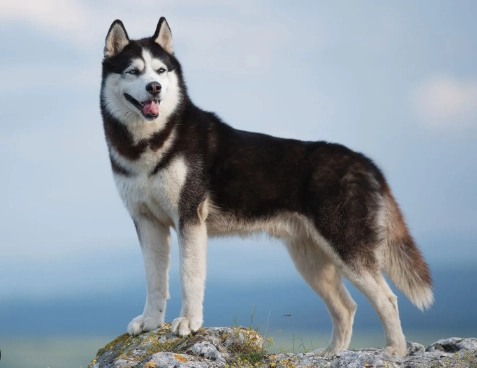
As a working dog from the cold regions, the Siberian Husky's exercise needs to focus on the three core aspects of "endurance + interaction + mental stimulation." Nutrition should emphasize "high protein, moderate fat, joint protection, and gastrointestinal regulation." The equipment and supplements you currently have are fully compatible with these needs, and a reasonable combination can maximize their physiological and behavioral requirements.
Exercise Plan for Siberian Huskies
1.Endurance Exercise: Unleashing Primitive Working Genes
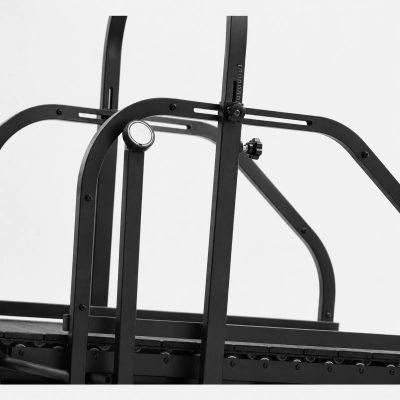
A large Doggo Treadmills precisely replaces outdoor long-distance jogging: 1-1.5 hours daily, with a speed set at 6-8 km/h (for adult Huskies). This helps avoid the inconvenience of not being able to go outside in extreme weather (high temperatures > 30℃, low temperatures < -10℃), making it especially suitable for urban pet owners. Before exercising, the dog should be acclimated to the treadmill (starting with slow walking for a short duration), with someone accompanying them throughout to avoid stress.
Key Points: After treadmill exercise, a simple 10-minute walk can help the dog relax their muscles and reduce the stress of sudden stops on their joints.

2.Interactive Strength Exercise: Consuming Excess Energy + Enhancing Bonding
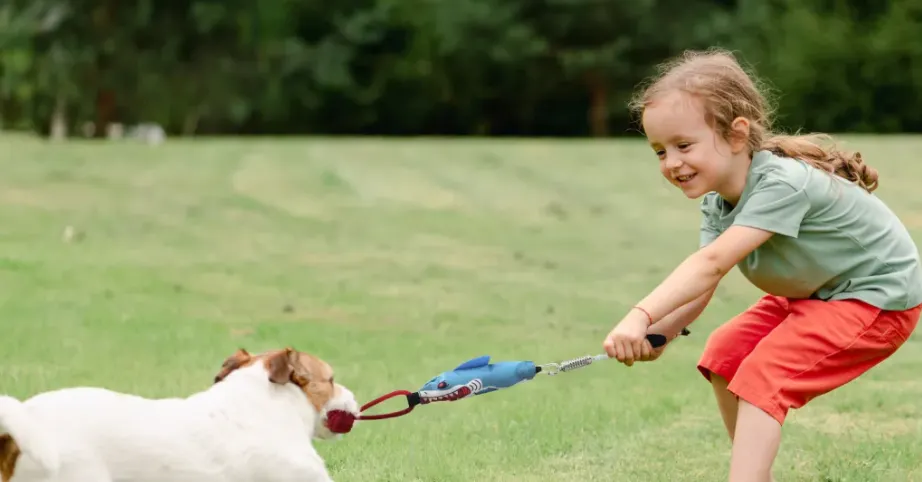
Spring Pole Dog Toys For Tug Of War: 1-2 times daily, each session lasting 15-20 minutes. The elasticity of the spring increases the difficulty of pulling, exercising the Husky's core strength and bite force, while also satisfying their primitive instinct to "pull." Care should be taken to control the force to avoid excessive strain that could injure the neck or mouth.
Advanced Play: Incorporate commands like "drop it" and "swap" during tug-of-war to combine physical exercise with mental training, reducing the chances of the dog becoming overly excited and losing control.
3.Agility + Mental Exercise: Activating Brain and Body Coordination
Canine Agility Training Equipment (hurdles, tunnels, etc.): 2-3 times a week, each session lasting 30 minutes, gradually progressing from "low difficulty to high difficulty." This not only improves physical coordination but also consumes mental energy through "following commands to complete actions," preventing the mental emptiness that can result from purely physical exercise.
Training Tips: Warm up with scent games (hiding treats near the equipment) before training, and reward with small healthy treats after training to enhance participation.

Exercise Precautions
Avoid short bursts of high-intensity sprints; all exercises should focus on "long duration, moderate to low intensity," aligning with the Husky's endurance traits.
For puppies (under 6 months), reduce the use of agility equipment and treadmills, focusing on free walks and light fetching to protect skeletal development. Adult dogs (1-7 years) can engage in normal activities, while senior dogs (8 years and above) should have treadmill speeds and agility equipment difficulty reduced, with increased walking durations.
Essential Nutrition Plan for Siberian Huskies
1.Basic Macronutrients: Supporting High Metabolic Needs
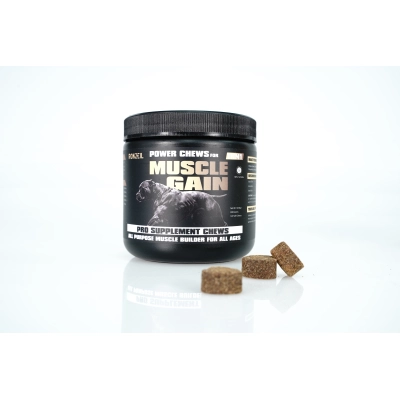
High Protein: 25%-30% of daily diet, prioritizing animal proteins such as chicken, fish, and beef. If the dog has a very high activity level (e.g., over 2 hours daily), a moderate amount of muscle-building supplements can be added (according to the dosage on the label, avoiding excess) to aid muscle repair and growth, preventing muscle loss post-exercise.
Moderate Fat: 15%-20%, primarily from unsaturated fatty acids (fish oil, flaxseed oil), providing high energy while also caring for the coat and reducing shedding.
Adequate Carbohydrates: 40%-50%, choosing low-glycemic carbohydrates like brown rice, oats, and sweet potatoes, avoiding refined sugars and high-fat grains to prevent obesity and reduce joint strain.
2.Targeted Supplements: Precisely Addressing Core Needs
Joint Protection: Daily addition of Glucosamine And Chondroitin For Dogs, especially important for regular supplementation after reaching adulthood. During agility training and treadmill workouts, the dosage can be increased appropriately (based on weight) to reduce joint wear and prevent hip dysplasia (a common joint issue in Huskies).

Gastrointestinal Regulation: Huskies have sensitive stomachs; adding Canine Probiotic Supplement during daily feeding can alleviate diarrhea and vomiting caused by exercise stress or dietary changes. Daily diets can also include dietary fibers like pumpkin and beet pulp to enhance regulation.

Comprehensive Nutritional Coverage: One Canine Multivitamin daily to supplement basic nutrients (such as Vitamin A, Vitamin D, calcium, iron, etc.), especially during winter when exercise decreases and sunlight exposure is insufficient, to avoid nutritional imbalances, boost immunity, and support bodily functions required for exercise.

Supplement Usage Principles: All supplements should be administered according to the dog's weight and the dosage on the label, avoiding excessive combinations; if the dog is sick or pregnant, consult a veterinarian before use.
Feeding Precautions
Feed in 2-3 meals daily, avoiding large meals within 1 hour before and after exercise to prevent gastrointestinal discomfort.
Ensure adequate water intake, especially after treadmill exercise and agility training, providing warm water promptly to prevent dehydration.
Treat intake should not exceed 10% of the total daily calories, prioritizing dried meat and vegetable snacks while avoiding high-sugar and high-fat treats.
Example of Equipment and Supplement Combination Usage (Weekly Reference)
|
Time |
Exercise Arrangement |
Nutritional Combination |
Age Compatibility |
|
Monday |
Treadmill for 1 hour (7 km/h) + Tug-of-war for 15 minutes |
Main food + Probiotics + Glucosamine + Multivitamin |
1-7 years adult dogs |
|
Wednesday |
Agility equipment training for 30 minutes (low difficulty) + Walk for 1 hour |
Main food + Muscle-building supplement (according to dosage) + Glucosamine + Multivitamin |
1-5 years young adult dogs |
|
Friday |
Treadmill for 40 minutes (6 km/h) + Scent game for 20 minutes |
Main food + Probiotics + Multivitamin |
Dogs over 8 years (senior dogs) |
|
Weekend |
Outdoor walk for 1.5 hours + Tug-of-war for 20 minutes (light intensity) |
Main food + Glucosamine + Fish oil + Probiotics |
1-7 years adult dogs (can also be applied to dogs over 8 years, with reduced tugging intensity) |
Adjustments for Different Age Groups
Puppies (2-6 months): Not suitable for treadmill and agility equipment training as outlined in the table; it is recommended to replace this with "outdoor free walks for 30-40 minutes (twice daily) + light fetching games for 10 minutes." Nutrition should focus on "main food + probiotics + multivitamin," without adding muscle-building supplements to avoid increasing kidney burden.
Young Adult Dogs (1-5 years): Can follow the table standards, with agility training gradually increasing in difficulty (e.g., increasing hurdle height, shortening command response time). Muscle-building supplements can be added in moderation during peak activity levels (e.g., after high-intensity outdoor activities on weekends).
Senior Dogs (8 years and above): Treadmill speed should be reduced to 4-5 km/h, with single sessions not exceeding 40 minutes; agility training should only include low-intensity activities like "tunneling," and hurdles should be removed. The proportion of fish oil can be increased (to support cardiovascular health), and muscle-building supplements should be reduced or paused to avoid excessive muscle consumption that could increase joint pressure.

Blog comments
0 Comments