
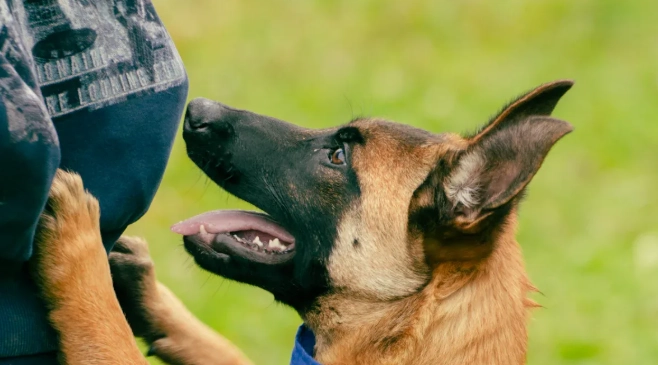
Belgian Shepherds are very smart. They are also good at sports. They are very loyal. This breed makes a great friend. This blog post will teach you how to care for them. You will learn about these amazing dogs.
It is important to know what they need. This helps you have a good relationship.
These dogs are very active. They need to use their brains. Many owners want to learn about this. Learning how to care for them helps them. Training and exercise make them happy. This makes them well-behaved dogs.
Key Takeaways
Belgian Shepherds are smart and active dogs. They need lots of exercise and mental challenges to be happy.
These dogs need 60 to 120 minutes of strong exercise daily. Simple walks are often not enough for them.
Belgian Shepherds are easy to train. Use positive rewards like treats and praise. Keep training sessions short and fun.
Early socialization is very important for puppies. It helps them get along with people and other dogs.
Belgian Shepherds need regular grooming due to their double coat. They also need a balanced diet and regular vet check-ups.
Belgian Shepherd Breed Guide: Overview
History and Origin
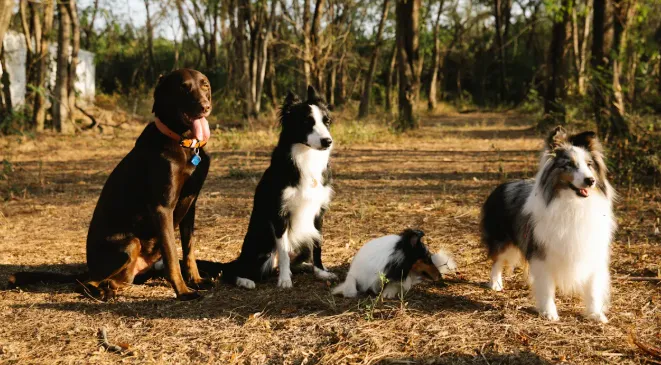
The belgian shepherd breed guide starts with their past. The Belgian Shepherd Dog came from Belgium. Farmers used these dogs. They herded animals. They also protected flocks. They kept predators away. By the late 1800s, people wanted to make the breed standard. The Club de Chien Berger Belge started in 1891. Adolphe Reul helped sort these dogs. He looked at their coat type and color. This made different kinds. The belgian shepherd groenendael is one kind. It is named after its area. These belgian shepherds quickly became useful. They worked in police and military jobs. Taki, a Malinois, carried messages in WWI. Police in Ghent used belgian sheepdogs. They were the first police dogs there. They wanted a special Belgian sheepdog. The belgian shepherd groenendael was part of this. You can trace its family tree. It goes back to these early efforts.
Physical Traits
Belgian Shepherds are medium-sized dogs. They are strong and athletic. They stand tall and proud. Their physical characteristics are a bit different. This depends on the four types. For example, the belgian shepherd groenendael has long, black fur. Male belgian sheepdogs are 24-26 inches tall. They weigh 60-75 pounds. Female belgian sheepdogs are 22-24 inches tall. They weigh 45-60 pounds. Male Belgian Malinois weigh 60-80 pounds. Female Malinois weigh 40-60 pounds. These characteristics show they are strong. They are also quick. The belgian shepherd groenendael shows these strong traits. Its special look is a main part.
Temperament and Personality
Belgian Shepherds are alert. They have a smart temperament. They like to work hard. These characteristics make them easy to train. They are great at dog sports. They need to use their brains. Give them things to do. Give them a purpose. They become very close to their families. They are loyal. They protect their owners. They are shy with new people. They have lots of energy. They need much activity. The belgian shepherd groenendael is like this. This dog needs a job. You will see how devoted they are. They bond closely with family. The belgian shepherd groenendael is known for being watchful. It has an active temperament.
Is a Belgian Shepherd for You?
Think if a Belgian Shepherd fits your life. They are not for everyone. If you are often away from home, this dog is not for you. They need 1-2 hours of strong exercise daily. You must train them always. Families with small kids might find them hard. They like to chase things. They are not good for apartment living. They need lots of mental games. If they get bored, they cause problems. But if you are active, they are a great match. You must give them enough energy time. Train them with good rewards. Start socializing them early. They bond strongly with family. They love having a 'job'. The belgian shepherd groenendael does well in this kind of home. These belgian shepherds are smart. They are easy to train. The belgian shepherd groenendael needs an owner who cares a lot.
Belgian Shepherd Care Essentials
Caring for a Belgian Shepherd means you will meet their needs. These dogs do well with steady care. You must give them good daily care. This means their body and mind are healthy.
Belgian Shepherd Exercise Needs
Belgian Shepherds have lots of energy. They need much physical exercise daily. An adult Belgian Shepherd needs 60 to 120 minutes of play. A big part, 60 to 90 minutes, should be strong. Use a Doggo Treadmills ball launcher or Frisbee. This helps them use their energy. Walking on a leash is often not enough. For example, a belgian malinois needs 30 minutes of hard exercise twice a day. Or they need 60 to 90 minutes of strong play daily. Without enough exercise, a belgian malinois can have bad behaviors.
Try these things to meet their needs:
- Search and rescue training
- Agility training
- Long walks (30-60 minutes twice daily)
- Running or jogging (1-2 miles)
- Fetch games (15-20 minutes)
- Swimming
- Tug-of-war
- Off-leash play
- Flirt poles (5 minutes can equal 20 minutes of regular play)
- Hide-and-seek games with toys
- Play before training
- Agility courses and Flyball racing are great for these athletic dogs.
These dogs love to work. Giving them a job keeps them happy and healthy.
Mental Stimulation
Your Belgian Shepherd is very smart. You must challenge their intelligence. Mental exercise is as key as physical exercise. It stops them from getting bored. Boredom can cause bad actions.
You can give mental fun in many ways:
- Puzzle toys keep their minds busy.
- Fetch lets them run and think.
- Agility training starts with simple things. Teach them to jump and go through tunnels.
- Interactive toys, like puzzle toys with treats, make them solve problems.
- Play games like hiding Salmon Skin Chews For Dogs for your dog to find.
- Use treat balls or Kong toys with frozen peanut butter.
- Puzzle boards, snuffle mats, and scent games are great.
- Muffin tins with tennis balls and treats work well. Food cubes also work.
- Bubble machines with safe bubbles add fun. Interactive plush toys too.
- Lick mats calm your dog's mind.
These things use their natural skills. They help your adult belgian malinois stay smart.
Effective Training Strategies
Belgian Shepherds are easy to train. They learn fast. You must use steady, positive rewards. Harsh ways do not work with their gentle nature.
Here are good training methods:
- Reward good actions. This makes training better.
- Clicker training helps your belgian malinois link good acts to rewards.
- Use treats, praise, or play as rewards. This makes your dog want to learn.
- Being steady is key. Have regular training times.
- Keep sessions short and fun. This helps your dog focus.
Your belgian malinois can be great in many service jobs. This includes police work, rescue, and therapy dog work. They love to learn. This makes them perfect for these jobs.
Socialization
Early socialization is key for your puppy. It helps them become a good adult dog.
Socializing with Other Dogs:
Puppy dogs learn to be okay with other dogs from 3 to 8 weeks old. They should stay with their mom and siblings then.
After 8 weeks and shots, let your puppy meet good adult dogs. Also, meet other puppies with shots.
Always make sure meetings are good. Stop play if a dog is stressed.
Introduce puppies to other dogs at 10 to 12 weeks old. They must have all shots and be healthy. You can make exceptions for healthy family dogs.
Start with scent swaps. Then slowly show them to each other. Watch short leash meetings. Reward good behavior.
Socializing with People:
Let them meet many kinds of people. Young, old, tall, short, calm, and loud.
Teach good manners through play. Use toys, not biting people.
Encourage quiet time. Your puppy should like petting and hugs.
Use training for polite greetings. For example, have them sit for things they want.
The key time for puppies to socialize is 3 to 14 weeks old. Early socialization stops fear later.
Start meeting people a day or two after you get them. Do this after a vet check and they settle in. Use treats for good behavior. Talk with a good voice and body language.
Grooming Your Belgian Shepherd
Belgian Shepherds have a double coat. This coat needs regular care.
Brush your dog two to three times a week. This stops mats and removes loose hair.
During shedding times, you may need to brush daily.
Use a pin brush and a slicker brush. This keeps their coat free of tangles.
Regular grooming also helps you check for skin problems or bugs.
Diet and Nutrition
A high-energy dog like the belgian malinois needs good food.
Feed your adult dog a balanced diet. Choose food for active breeds.
Look for food with real meat first.
Follow food package guides. Change amounts based on your dog's activity.
Do not overfeed. This can make them gain weight.
Always give fresh water.
Talk to your vet about your dog's food needs. This makes sure they get the best care.
Health and Wellness
Common Health Concerns
Belgian Shepherds are usually healthy. But they can get sick. You should know about this. Some problems run in families. For example, two brain problems (SDCA1 and SDCA2) can hurt their nerves. Tests can find these. Seizures are another worry. They often start when dogs are 6 months to 3 years old. Heart problems like CJM also happen. A test for CJM is ready.
Your dog can also get immune system diseases. These include brain swelling and thyroid issues. Eye problems like pannus are also possible. Cancer, like stomach cancer, is being studied. Shots can stop infections like parvo, rabies, and distemper. Too much weight is a big problem. It makes joint and heart issues worse. Worms and fleas can cause pain. Regular checks and medicine help. Eye problems like cloudy eyes can cause blindness. Hip and elbow problems are also common.
Preventative Care
You can help your Belgian Shepherd stay healthy. Good teeth care is important. Brush your dog's teeth daily. This stops gum disease. Vet cleanings are also good. Shots protect against many sicknesses. Keep your dog at a good weight. Do not feed too much. Give them lots of play. This stops them from getting fat. Use regular bug control. This means tests and medicine.
Think about spaying or neutering your dog. This can lower cancer risk. For dogs with deep chests, bloat is a danger. A surgery can fix the stomach. This stops it from twisting. For eye problems like pannus, eye drops and doggie glasses can help. Keep food and play steady. Regular vet visits are also key.
Lifespan and Senior Needs
A Belgian Shepherd usually lives 12 to 14 years. As your dog gets older, their needs change. You should change their care. Give them good food for their age. Wet food is often easier to eat. It also helps kidneys. You might add Glucosamine And Chondroitin For Dogs for joint pain.
Walk your older dog often. Do not do too much at first. Watch for hip and elbow problems. These can cause stiff joints. Give them soft, thick beds. Special beds help sore joints. Use rugs on hard floors. This helps them walk better. Pet steps or ramps can help them get on beds or in cars. Watch for cloudy eyes and thyroid issues. Regular vet visits are important for older dogs.
Living with Your Belgian Shepherd
Family Integration
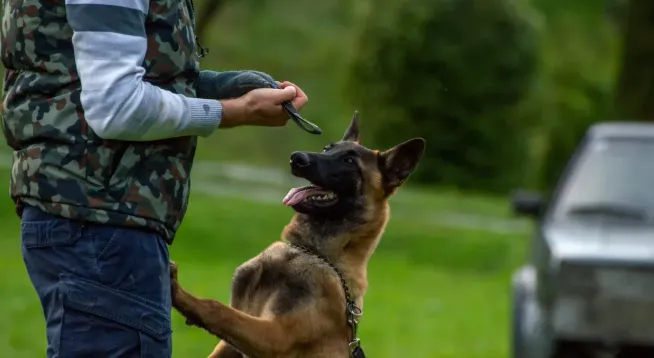
Think about bringing a Belgian Shepherd home. You want your new pet to fit in. Obedience training is a must. Teach commands like “sit” and “stay.” Also teach “leave it.” These help your dog behave. They make your home safer. Make training fun. This builds a strong bond. Socialization is also key. Let your dog meet people. Let them see new places. Watch them with kids and other pets. Bring them together slowly. This stops too much excitement. It helps build trust. Early socialization shapes your dog. It helps them handle stress.
Fun Facts About the Breed
Belgian Shepherds are interesting dogs. There are four types. The Belgian Laekenois has a wiry coat. It is alert and loving. This type often loves one person most. It is also very rare. The Belgian Malinois is smart. It loves to work hard. This dog is great in police work. It is good at search and rescue. Some say it is the smartest dog. The Belgian Tervuren has a long, fawn coat. It is very active. This type is often shy. The Belgian Groenendael has a silky, black coat. It is smart and loyal. This type found hurt soldiers in WWI.
Behavioral Challenges
Belgian Shepherds can be a bit hard. They are good watchdogs. This means they protect you. They might act mean to strangers. They can also react to other dogs. They often get lonely when alone. This is called separation anxiety. Your dog might bark a lot. They might chew things up. Their strong herding urge makes them chase cars. High energy can cause digging. They might try to escape. Some dogs can also be scared. You can fix these problems. Use positive rewards. Give treats or praise for good acts. Clicker training helps them learn fast. Early socialization stops fear. Teach a strong "leave it." Give them lots of exercise. This helps stop bad behaviors.
You now know what Belgian Shepherds need. They need steady care. They need training. They need exercise. This is very important. You get a smart, loyal dog back. This dog gives great friendship. Use what you learned. Make your bond strong. Your dog will do well with your work. Being a good owner is a great trip. Have fun with your amazing dog.
FAQ
How much exercise does a Belgian Shepherd need?
Your Belgian Shepherd needs much exercise. Plan for 60 to 90 minutes. This should be strong play every day. This stops them from getting bored. A Belgian Malinois likes jobs. These are things like agility or long runs. Walks on a leash are often not enough. This is true for your Belgian Shepherd Groenendael. You will see your Belgian Malinois happy. This is after good exercise.
Are Belgian Shepherds good with families?
Yes, Belgian Shepherds are loyal to their families. They make strong bonds with you. Early socialization helps them. They accept children and other pets. A well-trained Belgian Malinois can be a great family member. You must watch when they are with kids. This is true for young kids. Your Belgian Shepherd Groenendael will protect its family.
Are Belgian Shepherds easy to train?
Yes, Belgian Shepherds are very smart. You will see they want to learn. Use good rewards. Steady training helps your Belgian Malinois do well. A Belgian Shepherd Groenendael learns fast. They like having a job. Your Belgian Malinois will surprise you.
💡 Tip: Start training early. This builds a strong base. This is for your Belgian Shepherd Groenendael.
What is the difference between the types of Belgian Shepherds?
There are four types of Belgian Shepherd dogs. They are different in their fur. This is about its type and color. The Belgian Malinois has short fur. The Belgian Shepherd Groenendael has long, black fur. You also have the Tervuren and Laekenois. Each type is much alike. A Belgian Malinois often works with police.
Do Belgian Shepherds shed a lot?
Yes, Belgian Shepherds do shed. They have two layers of fur. You will need to brush your Belgian Malinois often. A Belgian Shepherd Groenendael sheds more. This happens when seasons change. Brushing every day helps. It gets rid of loose hair. This keeps your home cleaner. Your Belgian Shepherd Groenendael needs this care.


Blog comments
0 Comments