

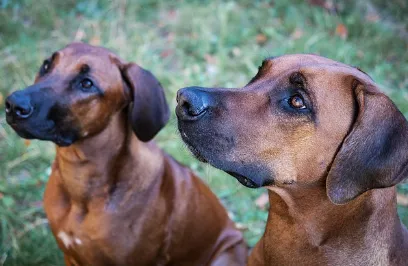
Rhodesian Ridgeback (abbreviated as "Ridgeback") originated in Southern Africa. It is a hunting dog specifically bred for tracking large game, possessing exceptional stamina, explosive power, and a robust physique. Its exercise regimen must center on "long-duration stamina + strength enhancement + hunting simulation," while nutrition should focus on "high protein, high energy, targeted hip joint protection, gastrointestinal regulation, and comprehensive nutrient coverage." Your existing equipment and supplements perfectly match its needs — reasonable combination can fully unleash its natural instincts and safeguard its health.
Exercise Plan for Rhodesian Ridgebacks
Core Stamina Exercises: Align with Hunting and Tracking Instincts
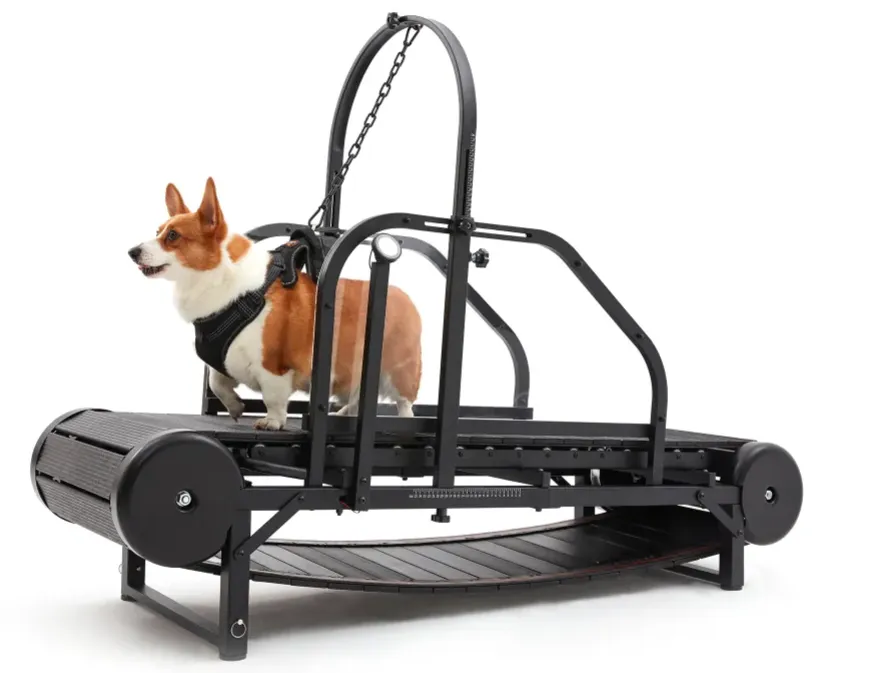
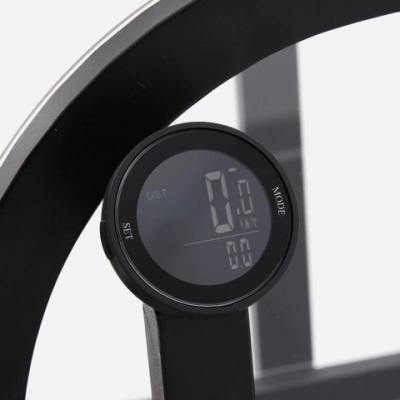
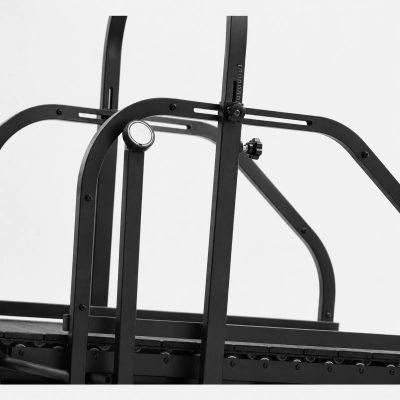
Doggo Treadmills (replacing outdoor long-distance jogging): 1.5-2 hours daily at 8-10km/h (for adult Ridgebacks). This caters to their stamina genes for prolonged game tracking in the wild and avoids the hassle of being unable to go out in extreme weather (high temperatures >35℃, low temperatures < -5℃). Let the dog adapt gradually (start with 30 minutes of brisk walking, add 10 minutes weekly) with human supervision to prevent stress. Follow with 15 minutes of brisk walking post-exercise to relax muscles and reduce joint impact.
Outdoor long-distance hiking: 2-3 times a week, over 2 hours per session. Prioritize complex terrains like mountains and woodlands to simulate hunting conditions, allowing free exploration and energy expenditure to meet primitive exercise needs.
Strength + Interactive Exercises: Enhance Core and Emotional Bond
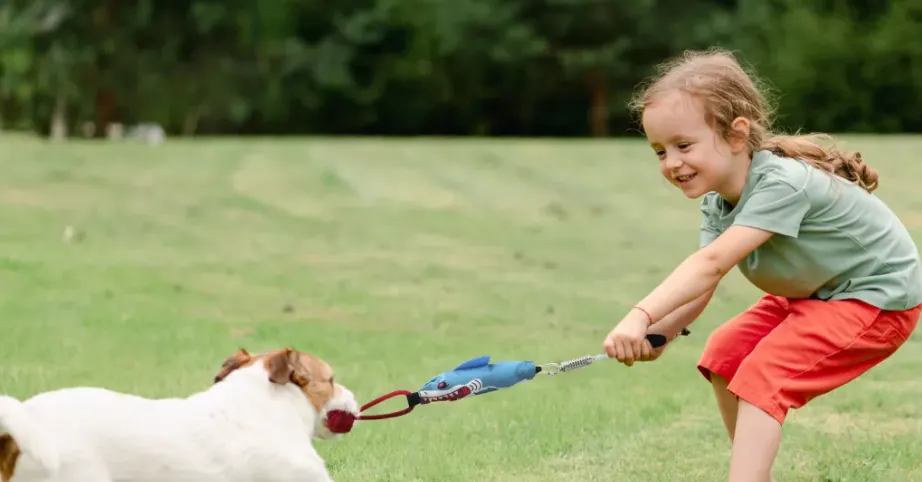
Spring Pole Dog Toys For Tug Of War: 1-2 times daily, 15-20 minutes per session. The spring’s elasticity increases resistance, exercising the Ridgeback’s core strength, bite force, and neck muscles — matching its power needs for tackling prey during hunting. Control interaction rhythm and incorporate commands like "drop it" and "pause" to avoid muscle strains from overexcitement.
Weighted heeling training: Have the dog wear a lightweight weighted harness (weight ≤10% of body weight) during walks or jogs. 2 times a week, 30 minutes per session. Gradually improve strength and stamina to adapt to the physical exertion of hunting.
Agility + Hunting Simulation Exercises: Activate Coordination and Instincts
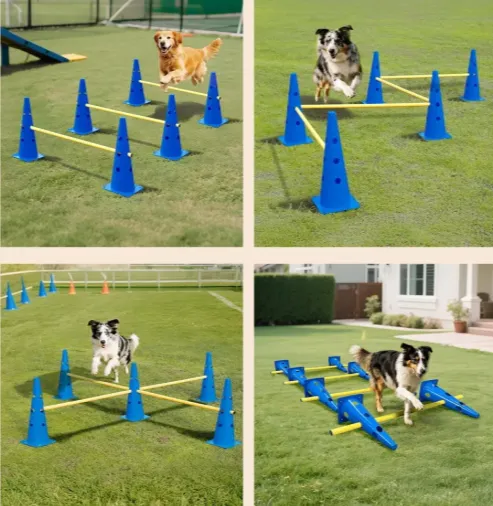
Canine Agility Training Equipment (hurdles, tunnels, balance beams): 3 times a week, 30-40 minutes per session. Progress from "basic movements to combined obstacles." With strong limb coordination and quick reflexes, Ridgebacks benefit from these exercises to build explosive power, body control, and adaptability to complex terrains — perfectly suiting their need for agile movement during hunting. Warm up with scent games and offer small treats as rewards post-training to boost engagement.
Scent tracking training: Set up long-distance tracking routes (indoor or outdoor) using animal-scented cloth or game models. 30 minutes daily. This directly aligns with their hunting-related olfactory instinct, while enhancing focus and mental stimulation to avoid boredom from pure physical exercise.
Exercise Precautions
Ridgebacks have exceptional stamina, but puppies (under 6 months) should avoid high-intensity exercise. Focus on short walks (30 minutes, twice daily) and mild retrieval games. Do not use treadmills, agility equipment, or weighted training to protect bone and joint development.
Adult dogs (1-8 years) can engage in all exercise types, with a daily total of at least 1.5 hours. Insufficient exercise may lead to behavioral issues like anxiety or destructive chewing.
Senior dogs (over 9 years) need reduced treadmill speed (5-6km/h) and agility difficulty. Discontinue weighted training and increase walking and scent-tracking duration.
Avoid outdoor activities during high-temperature periods (12:00 PM - 5:00 PM). Ridgebacks have thick coats that hinder heat dissipation. Choose early mornings (6:00-8:00 AM) for summer exercise, carry ample water, and offer hydration every 30 minutes. Cool the dog’s abdomen and paw pads with a damp towel post-exercise to prevent heatstroke.
Do not allow heavy eating or drinking within 1 hour of exercise to prevent gastric torsion. Always use a leash during outdoor activities, especially in open areas, to avoid loss from chasing small animals.
Essential Nutrition Plan for Rhodesian Ridgebacks
Basic Macronutrients: Precise High-Energy Ratio
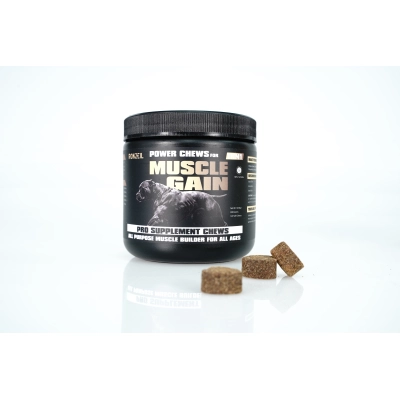
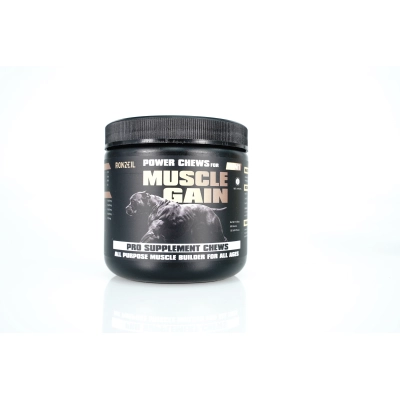
High protein: 32%-35% of daily diet. Prioritize high-quality animal proteins (beef, venison, ostrich, salmon) to support muscle repair and energy replenishment after intense exercise. Sufficient protein prevents muscle loss, critical for Ridgebacks with high muscle consumption during hunting. For daily exercise exceeding 2 hours, add Dog Muscle Gain Supplement (1-2g per 10kg body weight daily, per product instructions) to aid muscle growth and recovery.
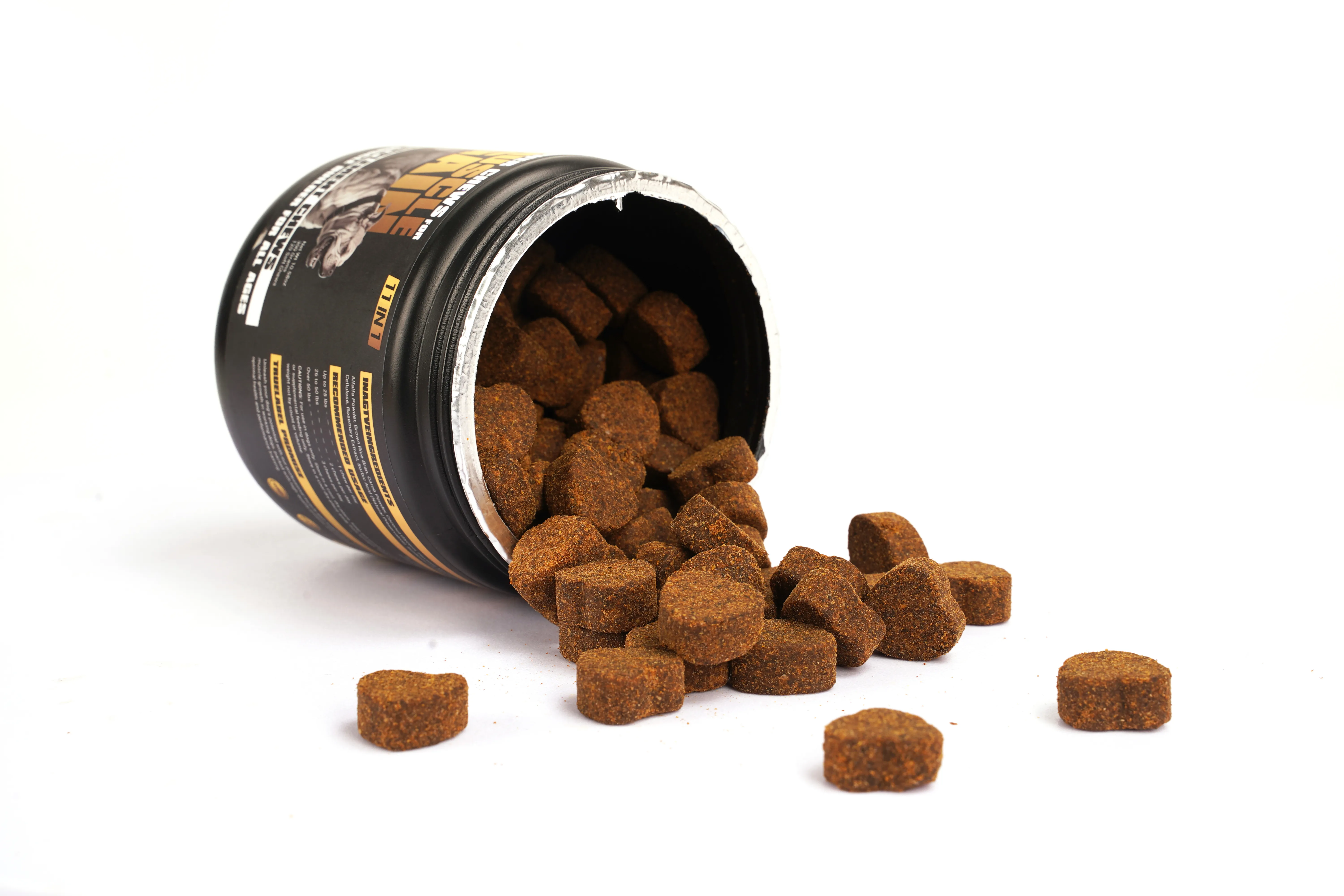
Moderate high fat: 20%-23%, primarily unsaturated fatty acids (fish oil, flaxseed oil, animal lecithin). Provide high energy for prolonged exercise while nourishing the coat to reduce dryness and split ends.
Complex carbohydrates: 40%-45%. Choose low-glycemic carbs (brown rice, oats, sweet potatoes) paired with vegetables like broccoli and carrots. Deliver sustained energy, increase dietary fiber, and promote intestinal peristalsis to avoid constipation from exercise stress.
Targeted Supplements: Address Core Needs Precisely
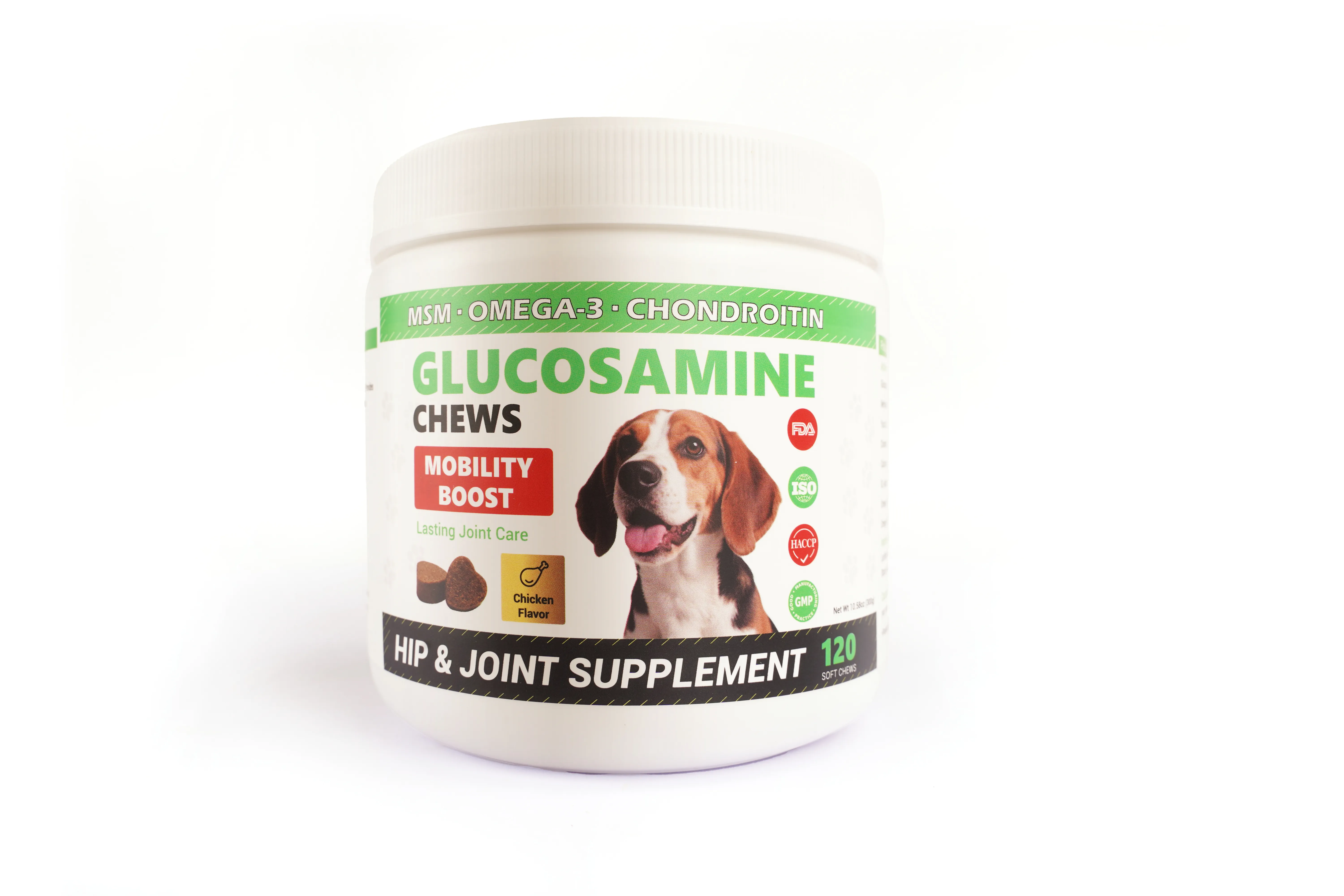
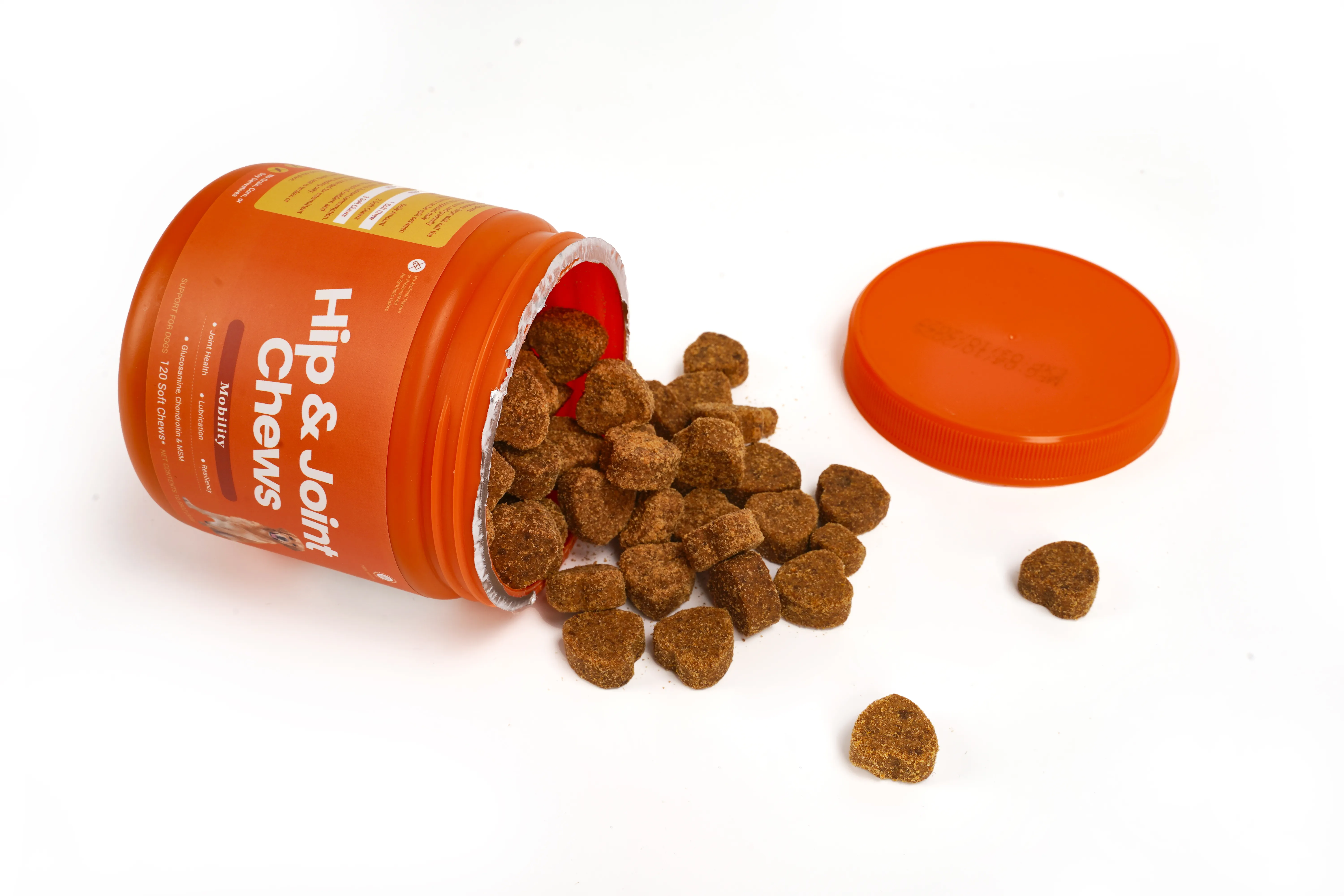
Joint and hip protection: Daily Glucosamine Supplements For Dogs + Dog Hip And Joint Supplement. Ridgebacks are prone to hip dysplasia, and long-term high-intensity exercise easily causes joint wear. The combination strengthens joint cartilage, lubricates synovial fluid, and reduces the risk of hip arthritis. For adults (over 1 year old), dosage per 10kg body weight: 500mg glucosamine + 300mg hip supplement (containing chondroitin and MSM) daily. Increase by 20% during periods of higher exercise intensity.
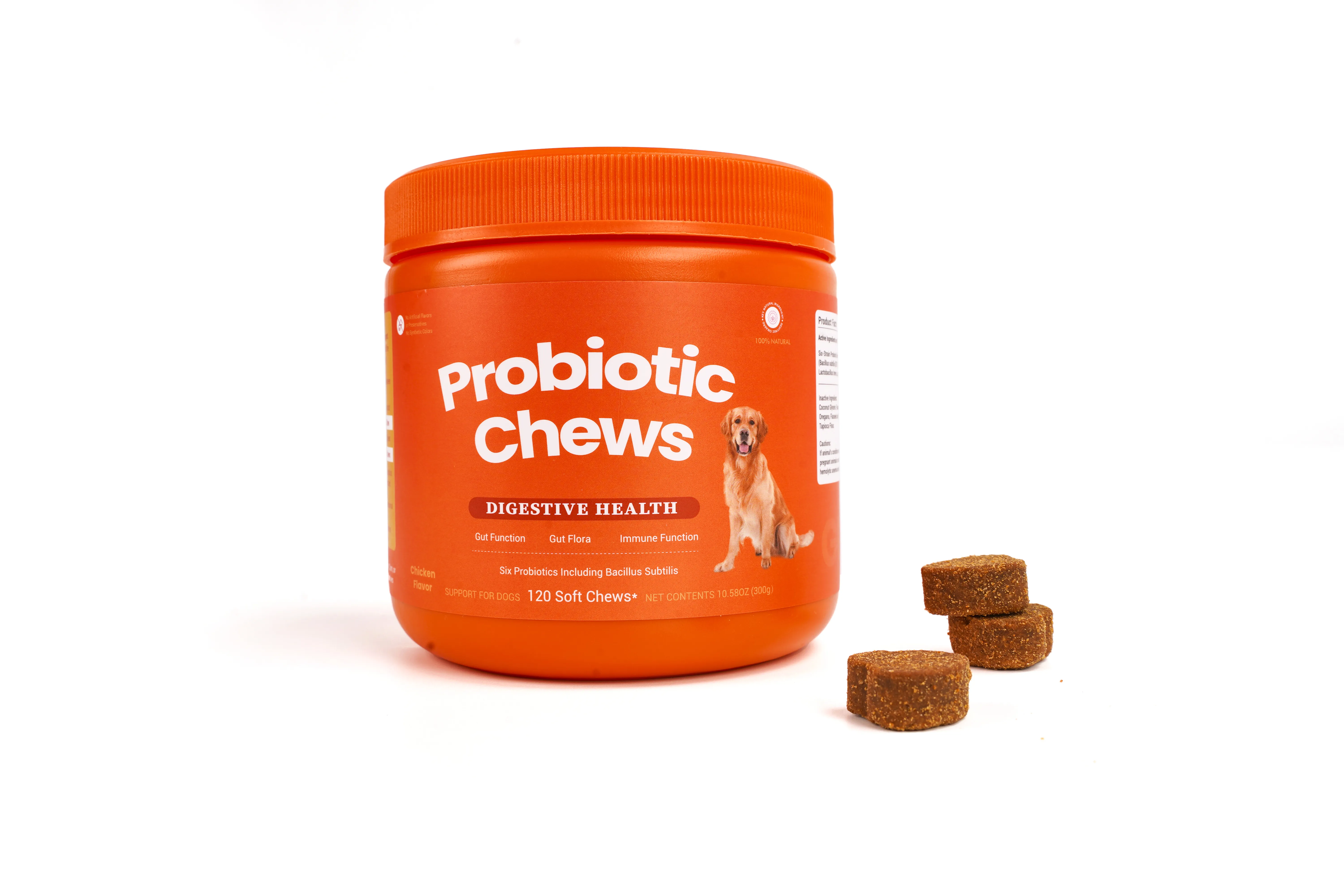
Gastrointestinal regulation: Daily Canine Probiotic Supplement. Ridgebacks have moderate gastrointestinal function — intense exercise or dietary changes may trigger stress diarrhea. Probiotics balance intestinal flora and improve digestion. Add pumpkin puree or beet pulp to daily meals to enhance intestinal peristalsis and reduce discomfort.
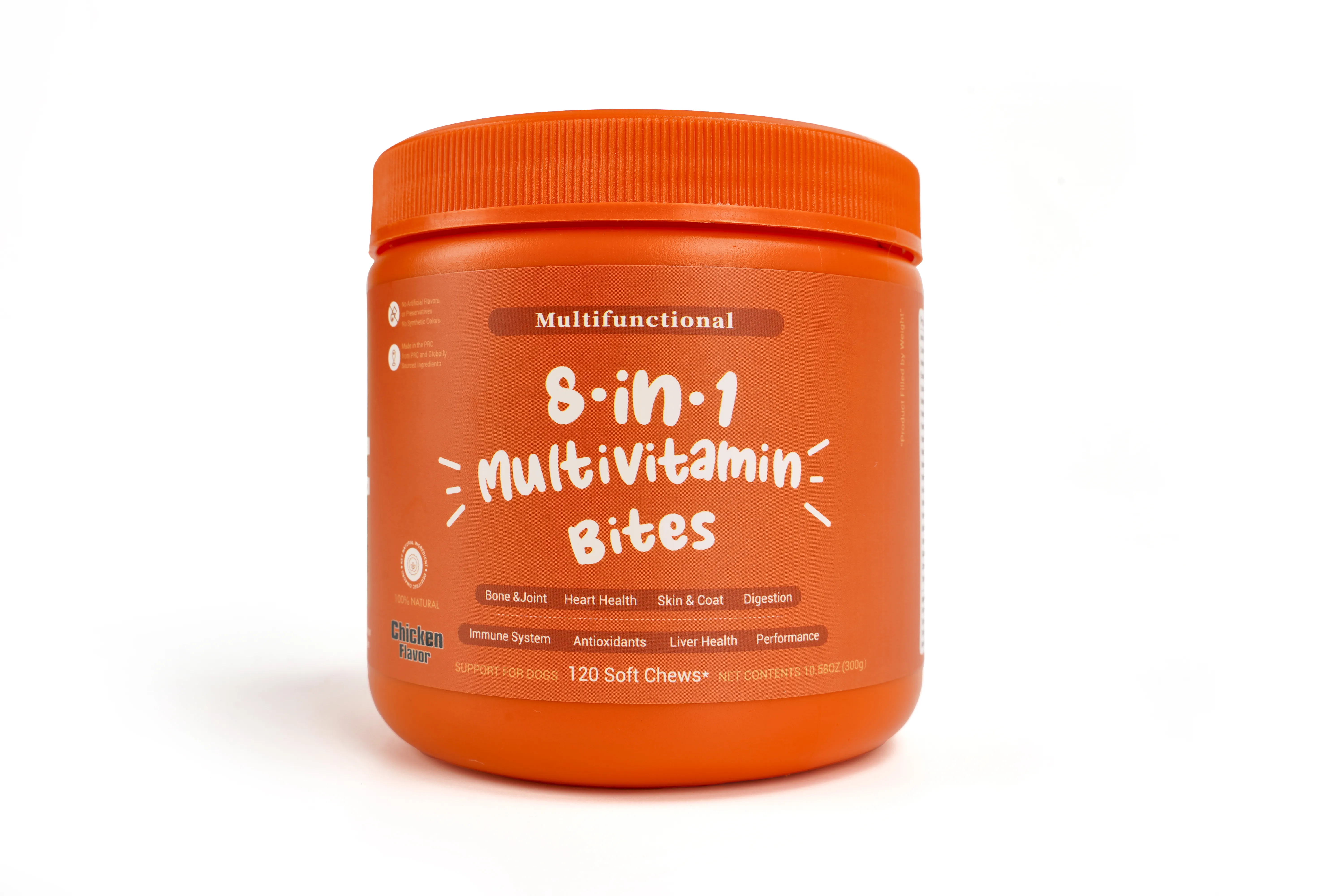
Comprehensive nutrition: 1 daily Canine Multivitamin to supplement vitamins A, E, iron, zinc, selenium, and other trace elements. Prevents nutritional imbalance from intense exercise. Vitamin E in particular protects muscle cells and boosts immunity, matching their high metabolic needs. Supplement with additional vitamin D in winter when sunlight is insufficient to promote calcium absorption.
Feeding Precautions
Feed 2 meals daily (adults) or 3-4 meals (puppies). Portion based on weight (600-700g of main food daily for 30kg adult Ridgebacks), adjusting dynamically with activity level (increase by 10%-15% for high exertion). Avoid overfeeding to prevent obesity and increased joint burden.
Ensure adequate water intake: 70-90ml per kg of body weight daily. Provide room-temperature water post-exercise to avoid gastrointestinal irritation from ice water. Carry a portable water bottle for outdoor activities.
Choose high-protein, low-fat treats (e.g., air-dried beef, freeze-dried venison). Limit treats to ≤10% of daily caloric intake — use them as training rewards. Avoid high-sugar, high-oil, or high-salt treats to maintain dietary balance.
Supplement Usage Principles
Administer all supplements per body weight and product instructions; avoid overstacking. Puppies do not need muscle-building supplements. Start with a small amount of hip supplement (half a tablet daily) from 6 months old, switching to full dosage in adulthood.
Consult a veterinarian before using supplements for pregnant, lactating Ridgebacks or those with joint or gastrointestinal diseases to prevent symptom exacerbation.
Example Equipment + Supplement Combination (One-Week Reference)
| Time | Exercise Arrangement | Nutrition Combination | Suitable Age |
|---|---|---|---|
| Monday | 1.5-hour treadmill (9km/h) + 15-minute tug game | Main food + probiotics + glucosamine + hip supplement + multivitamin | Adult (1-8 years) |
| Wednesday | 40-minute agility training (combined obstacles) + 30-minute scent tracking | Main food + muscle-building supplement (per dosage) + glucosamine + hip supplement + fish oil | Young adult (1-6 years) |
| Friday | 40-minute indoor scent game + 1-hour brisk walk | Main food + probiotics + multivitamin + hip supplement | All ages (simplify scent difficulty for puppies) |
| Weekend | 2.5-hour outdoor hike + 20-minute spring pole tug | Main food + glucosamine + hip supplement + multivitamin + pre-exercise energy treats | Adult (1-8 years; reduce hike to 1.5 hours for seniors) |
Age-Specific Adjustments
Puppies (2-6 months): Follow the "short, frequent" exercise principle — 2 walks (30 minutes each) + 2 mild retrieval sessions (10 minutes each) daily. Do not use treadmills, agility equipment, or spring pole tug. Nutrition: Puppy-specific food (≈30% protein) + probiotics + multivitamin + small amount of hip supplement (half a tablet daily). No muscle-building supplements; feed 4 small meals daily to ensure balanced bone and joint development.
Young adults (1-6 years): Implement the standard plan above. Gradually increase agility obstacle difficulty; add muscle-building supplements on high-intensity exercise days. Choose high-energy adult food to meet protein and fat needs for high expenditure. Weigh monthly to avoid obesity.
Seniors (over 9 years): Replace exercise with 2 daily walks (1 hour each) + 30-minute scent games + simple command reviews. Discontinue treadmills, agility equipment, weighted training, and high-intensity tug. Nutrition: Reduce or suspend muscle-building supplements, increase fish oil (supports cardiovascular health), use senior-specific food (low-fat, high-fiber, joint-friendly formula). Administer glucosamine and hip supplements at 80% of the adult dosage, paired with probiotics to reduce gastrointestinal and joint burden.
Blog comments
0 Comments