
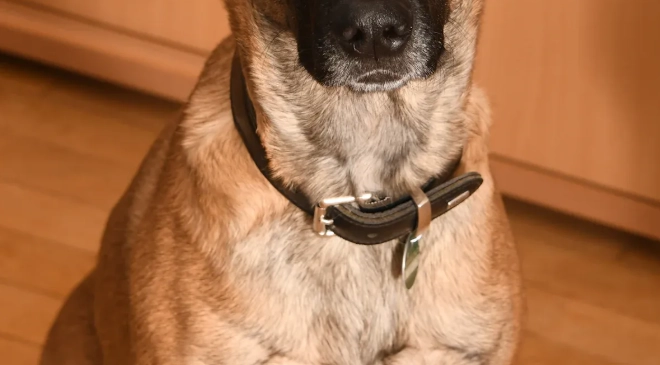
Belgian Malinois are smart, active, and very loyal. This energetic dog is great at working. It is also a loving friend. You need to take care of your Belgian Malinois's health early. This helps them live a long, happy life. They usually live 10 to 14 years. This dog breed has special health needs. They can get problems like bad hips and elbows. They can also get bloat and seizures. Giving your Belgian Malinois good care is very important.
This dog needs owners who will give it special attention.
Key Takeaways
Belgian Malinois need early and consistent care. This helps them live a long, healthy life.
This breed can get certain health problems. These include hip and elbow issues, bloat, and seizures. Regular vet visits help find these problems early.
Give your Belgian Malinois good food. It needs lots of protein and healthy fats. This keeps them strong and full of energy.
Belgian Malinois need a lot of exercise. They also need mental games every day. This keeps them happy and well-behaved.
Regular grooming is important. Brush their coat, clean their teeth, and check their ears. This helps keep them healthy and clean.
Belgian Malinois Health Concerns

You need to know about health problems. They can affect your Belgian Malinois. These dogs are strong. But they are very active. They sometimes act without thinking. This can cause vet visits. It can also cause big health issues. Also, watch for common sicknesses. These include parvovirus, rabies, and distemper. Shots protect your dog. They prevent these bad diseases.
Hip and Elbow Dysplasia
These are big bone problems. They affect many large dogs. This includes the Belgian Malinois. Hip dysplasia means the hip joint is not right. Elbow dysplasia means the elbow joint is not right. Both can cause pain. They can make your dog limp. They can also cause arthritis.
| Condition | Risk Profile |
|---|---|
| Hip Dysplasia | Medium |
| Elbow Dysplasia | Medium |
| Cataracts | Medium |
| Progressive Retinal Atrophy | Not specified |
| Pannus | Not specified |
| Hemangiosarcoma | Not specified |
Belgian Malinois often get Canine Hip Dysplasia (CHD). This is true for working dogs. Genes play a part in CHD. Food and hormones also affect it. We don't fully know how genes work. For elbow dysplasia, X-rays are suggested. This is done by a special group. They take pictures of the elbow. They use a score from 0 to 3. This shows how bad it is.
Gastric Dilatation-Volvulus (Bloat)
Bloat is very dangerous. The stomach fills with gas. It then twists. This stops blood flow. It can kill your dog fast. Your Belgian Malinois is at high risk. Other dogs also face high risk. These include Great Danes. German Shepherds and Weimaraners too. Even small dogs can get bloat. But it is more common in big dogs. These dogs have deep chests. You must know the signs. The belly gets big. Your dog tries to throw up. It can't. It also acts restless.
Epilepsy
Epilepsy is a brain problem. It causes seizures again and again. Seizures can be mild. They can cause confusion. Or a little twitching. Some seizures are bad. Your dog might pass out. Its whole body shakes. If your dog has seizures, see a vet. Do it right away. Learn about seizures. Understand your dog's problem. This helps manage it. Your vet can find the type. They can talk about treatment. You will learn to handle seizures well.
Eye Conditions
Your Belgian Malinois can get eye problems. These include PRA. It also includes cataracts. PRA makes eyes worse over time. It leads to blindness. Cataracts make the eye cloudy. This makes it hard to see. Another eye disease is Pannus. It is common in Belgian Malinois. Researchers are studying genes. They look for pannus risk. They need blood samples. They get them from sick dogs. They also get them from old, healthy dogs. This helps their research.
Hypothyroidism
Hypothyroidism happens when the thyroid gland. It does not make enough hormones. This can cause many signs. Your dog might gain weight. It might be tired. It can lose hair. It can have skin problems. Vets use blood tests to find it. They look for low TT4. They also look for low FT4. High TSH also helps. This mix confirms the problem. We don't have exact numbers. Not for Belgian Malinois. But know the signs. Talk to your vet about worries.
Cancer Risks
Many dog breeds get cancer. Belgian Malinois can too. Hemangiosarcoma is one risk. This cancer is aggressive. It affects blood vessel lining. It can be in the spleen. It can be in the heart. Or on the skin. Regular vet visits are key. They help find cancer early. Watch your dog for lumps. Look for behavior changes. Watch for weight loss. Early finding helps a lot. It makes treatment better. This is true for many cancers.
Belgian Malinois Nutrition and Care
Choosing the Right Food
Your Belgian Malinois needs good food. This gives them energy. Look for lots of protein. Dog food should list meat first. Aim for 25-30% protein. This keeps muscles strong. It gives them energy. Healthy fats are also key. They give lasting energy. They make coats shiny. A good diet is vital. It helps your dog stay healthy. It gives them energy. It helps them live long. Include good protein. Chicken, beef, or lamb are great. They build muscles. They help growth. Fats come from healthy oils. Fish oil or flaxseed are good. Carbs like rice or sweet potatoes give energy. Fruits and veggies give vitamins.
Feeding Schedule and Portions
Feed your dog at set times. Adult Malinois eat twice a day. Puppies need more meals. Change food amounts carefully. Think about how active your dog is. Their age matters too. Don't feed too much. This stops them from getting fat. Always give fresh water. Ask your vet for advice. They know what your dog needs.
Supplements and Diet
Supplements can help your dog. Joint health is key.
| Supplement Combination | Overall Pain Reduction (120 days) |
Pain Upon Limb Manipulation Reduction (120 days |
Exercise-Associated Lameness Reduction (120 days) |
|---|---|---|---|
| Undenatured Type II Collagen (UC-II) alone |
62% | 91% | 78% |
| UC-II + Glucosamine Supplements For Dogs + Chondroitin |
57% | 53% | 53% |
| Best Glucosamine For Dogs + Chondroitin alone |
Some alleviation | Some alleviation | Some alleviation |
These supplements are safe. They have no bad effects. A product called 'Healthy Breeds Supplement for Belgian Malinois' exists. Its parts are not listed. Always talk to your vet. They will check if supplements are right.
Foods to Avoid
Know what foods to skip. Some things are bad.
- Artificial Colors: They can make dogs hyper.
- MSG: It has no nutrients. It often causes allergies.
- Corn Syrup: This raises blood sugar. It causes fatness and diabetes. It is also habit-forming.
- Xylitol and Other Sugar Alcohols: These are poison. They can cause high blood sugar. They can cause seizures. They can cause liver failure or death.
- Gluten, Farmed Salmon, Nitrites/Nitrates/Sodium Nitrite, Soy, Sodium Tripolyphosphate (STPP), Salt, Rendered Fat, Propylene Glycol, Vegetable Oil, Animal By-Products, Cellulose, Brewer’s Rice, Corn, Sodium Hexametaphosphate, Artificial Flavors, “Animal Digest,” and Pea Protein: Do not give these to your dog. They offer little good. Some can be harmful. Good care means a careful diet.
Exercise and Mental Stimulation

Your Belgian Malinois has lots of energy. It needs much physical and mental activity. Give it regular exercise. This stops worry and bad habits. Hard, long training is also key.
Daily Physical Activity
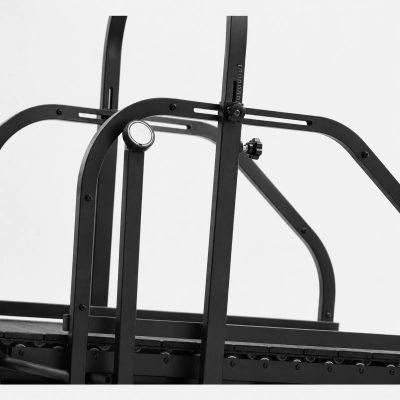
Your Belgian Malinois needs strong exercise. Do this for 1 to 3 hours daily. You can run with your dog. Go hiking or biking. Agility training is also good. These things challenge your dog. They keep your dog fit. Daily exercise helps health. It also makes your bond stronger. A simple walk is not enough. This breed needs fast activity.Doggo Treadmills allow dogs to run quickly in a limited space, effectively expending their energy.
Mental Engagement Needs
Mental activity is just as important. Use puzzle toys every day. Training keeps their minds sharp.
| Activity Type | Frequency |
|---|---|
| Puzzle toys | Daily |
| Training exercises | Daily |
| Agility training | Daily |
| Tracking exercises | Daily |
| Obedience drills | Daily |
| Herding-inspired games | Daily |
| Scent work | Daily |
| Controlled exploration | Daily |
Agility training uses obstacle courses. These have weave poles and jumps. Protection training needs an expert. Herding training uses their natural skills. Mental games like scent work are good. Steady training and meeting others are vital. They help your Belgian Malinois do well.
Puppy Exercise Limits
Puppies have growing bones. Limit their exercise. Do not do long runs. Avoid hard jumps. Too much exercise can harm joints. Short play times are best. Let them rest often. Add more exercise slowly as they grow.
Safe Exercise Practices
Always warm up your Belgian Malinois. Do this before hard exercise. Cool them down after. Check their paws for hurts. Give them fresh water. Do not exercise in hot weather. Listen to your dog. If they look tired, stop. Good social skills and training are vital for safe exercise.
Grooming and Hygiene Care
Proper grooming is important for your Belgian Malinois. It keeps them healthy and happy. Regular care helps you spot any health issues early. Understanding the grooming needs of a Belgian Malinois is key to their well-being.
Coat Care and Shedding
Your Belgian Malinois has a short coat. This coat needs minimal grooming. Regular brushing a few times a week helps manage shedding. It also keeps their coat clean. Smooth-coated dogs, like your Belgian Malinois, require brushing weekly. You can brush them a few times a week. Shedding increases during seasonal changes. You should brush them more often then. Brush them a few times a week or even daily during these periods. Use a curry comb or a round brush. A soft-bristled brush or a grooming glove also works well. Brushing weekly helps manage shedding. It also spreads natural skin oils.
Dental Health
Dental care is vital for your dog. Brush your Belgian Malinois's teeth at least twice a week. Ideally, brush them daily. Use a properly sized toothbrush. Use vet-approved toothpaste. Clean with gentle, circular motions. Focus on the gumline. Reach all teeth. Make brushing a positive experience. Give rewards and praise. Gradually increase brushing time. Aim for daily sessions. Offer dental chews like Greenies or Oravet. These fight plaque and tartar. Use approved dental wipes or water additives for extra support. Your veterinarian monitors dental health during regular wellness exams. Most vets recommend professional teeth cleaning once a year. This includes examination, scaling, and polishing. It uses general anesthesia. Dental X-rays are also part of it. Dogs with a history of dental disease may need cleanings every six months.
Ear Cleaning and Checks
Check your dog's ears often. Look for signs of infection. Your dog might whine more than usual. They might shake their head frequently. These are signs of ear problems. For vulnerable breeds, clean ears twice weekly. Use a product your veterinarian recommends. Follow the technique they show you. Do not clean your dog's ears more often than advised. Avoid cotton swabs. They can push debris deeper. They can also damage the eardrum.
Nail Trimming
Regular nail trimming is important. Long nails can cause discomfort. They can also lead to foot problems. Trim your dog's nails every few weeks. Use proper clippers. Be careful not to cut the quick. If you are unsure, ask your vet or a groomer for help. This simple care prevents pain. It keeps your dog's paws healthy.
Vet Care and Staying Healthy
You must take your Belgian Malinois to the vet often. This helps them stay healthy for a long time. Regular vet visits are a main part of good pet care.
Yearly Check-ups and Shots
Regular vet check-ups are very important. They help find problems early. Your vet team will check your dog well. They will talk about your Belgian Malinois's shots. Puppies get many main shots. These include:
Rabies: This is a bad virus. It often kills. It harms the brain. It can spread to people. Laws often say dogs need this shot.
Parvovirus: This causes bad stomach problems. It is risky for young, old, or sick dogs.
Distemper: This virus spreads easily. It harms breathing. It harms digestion. It harms the brain. It often kills.
Canine Adenovirus (Hepatitis): This can hurt the liver. It can cause breathing problems. It can also cause death.
Canine Parainfluenza: This causes coughs. It causes breathing issues. It is part of kennel cough. It is key for puppies who meet other dogs.
Bordetella: This is another breathing sickness. It spreads easily. It causes kennel cough. It is common where dogs gather.
Puppies usually start shots early.
1.6-8 weeks of age: Your puppy gets the first DHPP shot (distemper, hepatitis, parainfluenza, parvovirus). They may also get the first Bordetella and Lyme disease shots.
2.10-14 weeks of age: Your puppy gets the next DHPP, Bordetella, and Lyme disease shots. They might also get Leptospira (Lepto).
3.16-20 weeks of age: Your puppy gets the last DHPP, Bordetella, and Lyme disease shots. They also get their first rabies shot. This is often required by law. They get a second Lepto shot if needed.
Adult dogs need more shots. They get the DHPP shot every three years. They need Lepto, Canine influenza, and Lyme disease shots every year. Bordetella is yearly. Or every six months in risky places. Rabies shots are every one to three years. This depends on your state's laws. These shots and care keep your dog safe.
Worm and Bug Control
You must keep your Belgian Malinois safe from bugs. This means fleas, ticks, heartworms, and gut worms. Your vet can suggest the best ways to stop them. These often include monthly medicines. Regular deworming is also key. This keeps your dog healthy and happy.
Finding Problems Early
Knowing early signs helps you act fast. This can greatly change your dog's health.
| Health Issue | Early Warning Signs | Recommended Diagnostic Tests for Early Detection |
|---|---|---|
| Bloat (GDV) | Retching/heaving (nothing comes out), restlessness, enlarged abdomen, prayer positio |
Immediate veterinary examination |
| Epilepsy | Seizures (start between 6 months and 3 years |
Initial diagnostic workup, periodic blood testing |
| Hip and Elbow Dysplasia | Stiffness in hips or elbows, limping, difficulty getting up |
X-rays of bones |
| Eye Problems | Cloudiness, redness, itching, any eye abnormality |
Eye evaluations at every check-up |
| Hypothyroidism | Dry skin/coat, hair loss, weight gain, fearfulness, sluggishness |
Annual blood screening test |
| Dental Disease | Tartar build-up, bad breath, red gums, broken teeth |
Regular dental cleanings, home care |
You should watch for any changes. Look at how much they eat or drink. Look for itchy skin. Look for hair loss. Look for being tired. Any changes in how they act need care. Like being scared or mean. Call your vet for any general worries. Get emergency help for bad signs. These include dry heaving. A painful belly. Or shaking that won't stop.
Spaying and Neutering
Spaying or neutering your Belgian Malinois helps their health. It lowers the chance of some cancers. It stops unwanted puppies. This surgery also lets your vet fix other issues. They can do hip X-rays. Or remove puppy teeth. This happens while your dog is asleep. Blood tests before surgery find risks. They let your vet be careful. This makes the surgery safer.
You now know a lot. It is about Belgian Malinois health. This guide talked about food. It covered exercise. It also talked about grooming. Vet care was included too. Your Belgian Malinois needs steady care. Good care makes a strong bond. It helps your dog live long. It helps them be happy. Remember their special needs. They need training. They need to be busy. Watch them closely. Ask your vet for help. Your effort helps them. It helps their health. It helps their training.
FAQ
How long do Belgian Malinois usually live?
Your Belgian Malinois lives 10 to 14 years. Good care helps them live long. Good food helps too. Vet visits are important. You help them live a long life.
How much exercise does a Belgian Malinois need daily?
Your Belgian Malinois needs 1 to 3 hours. This is for strong exercise. Running is good. Hiking is good. Agility training helps. Mental games are also key.
What kind of food is best for my Belgian Malinois?
Pick good dog food. Meat should be first. Look for 25-30% protein. This builds muscles. It gives energy. Healthy fats are also key. They make coats shiny.
How often should I brush my Belgian Malinois?
Brush your Belgian Malinois often. Do it a few times a week. This helps with shedding. It keeps their coat clean. Brush more during shedding times. Do it daily then.
What are common health issues for Belgian Malinois?
Belgian Malinois can have hip problems. Elbow problems too. They might get bloat. Epilepsy is a risk. Some eye issues can happen. Vet checks find problems early.

Blog comments
0 Comments