
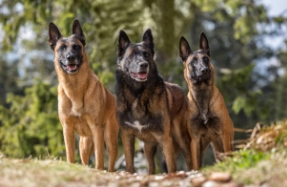
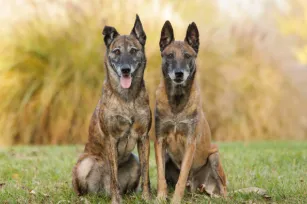
Belgian Shepherd Dogs (including Malinois, Tervuren, and other subspecies) originated in Belgium. These versatile working dogs excel in herding, guarding, and military/police applications, possessing exceptional obedience, endurance, and mental agility. Their exercise regimen must center on “high-intensity comprehensive training + mental stimulation + skill reinforcement.” Nutritional focus should be on “high protein, high energy, joint protection, and comprehensive nutritional coverage.” This approach meets the core needs of its working dog heritage while adapting to the realities of family ownership.
Exercise Program Tailored for Belgian Shepherds
Core Endurance Training: Unleash the working dog's endurance genes
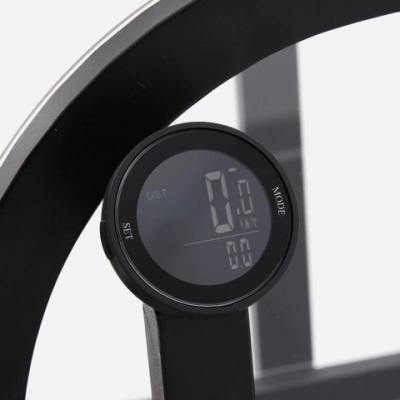
Long-distance jogging/cycling accompaniment: 1.5-2 hours daily at 8-10 km/h (for adult Belgian Shepherds). This adapts to their endurance needs for extended herding and task performance. Choose open areas like park trails or rural roads to burn energy while satisfying their working instinct to “move on command.”
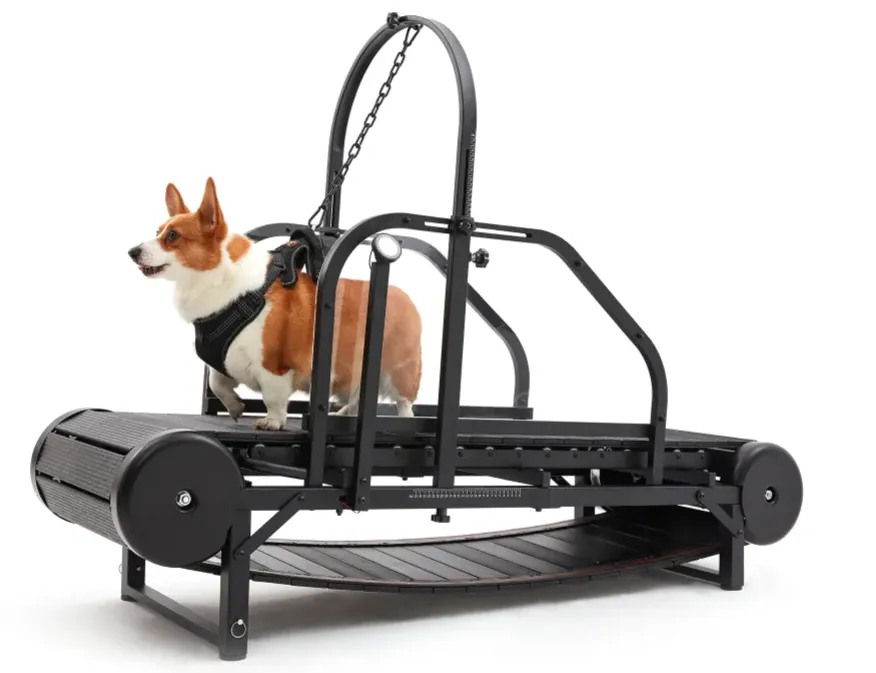
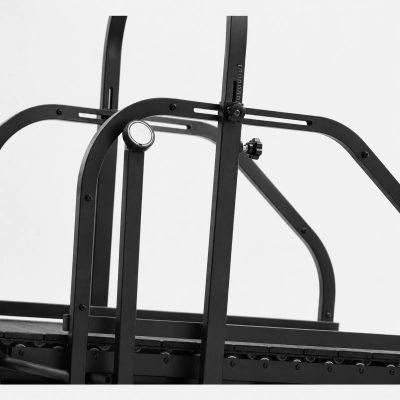
Doggo Treadmills Training (Indoor Alternative): When outdoor access is limited, provide 1–1.5 hours daily on a treadmill (7–9 km/h). Gradually acclimate the dog beforehand (starting with 30 minutes of slow walking), and always supervise to prevent stress. Follow with 10 minutes of slow walking to cool down and reduce joint impact.
Mental + Skill Exercises: Aligns with high-IQ traits
Advanced Obedience Training: 20-30 minutes daily. Teach complex commands like “distant recall,” “crawling,” “food refusal,” and “multi-command sequences.” Reinforce with positive rewards (treats, praise). Belgian Shepherds rank among the most intelligent breeds; this training fully engages their minds, preventing anxiety or destructive behaviors from mental idleness.
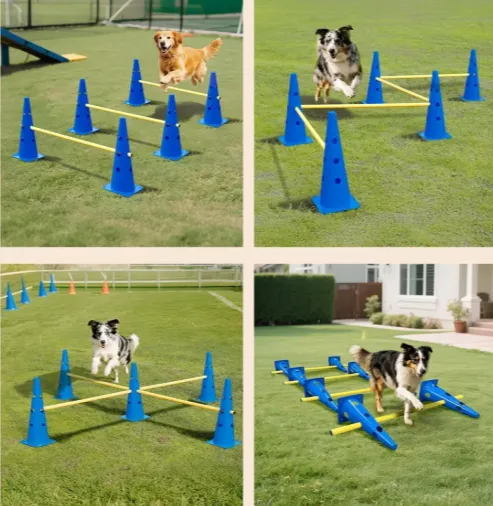
Scent Search + Task Simulation: Hide toys, treats, or designated items, set up multi-level obstacles (e.g., weave poles, hurdles), and have them locate and retrieve items on command. 15-20 minutes daily. Alternatively, simulate herding scenarios (using toys and fencing) to have them perform “corral” and “guide” actions, precisely aligning with their herding instincts while balancing mental and physical exertion.
Agility + Strength Training: Enhancing Physical Coordination
Canine Agility Training Equipment (Hurdles, Tunnels, Weave Poles, Balance Beams): 3-4 times weekly, 30-40 minutes per session. Progress gradually from “basic movements → obstacle combinations → advanced techniques.” Belgian Shepherds possess strong coordination and quick reactions. These exercises develop explosive power, body control, and adaptability in complex environments, aligning with their task-specific agility needs. Warm up with basic commands before training and reward promptly afterward to boost engagement.
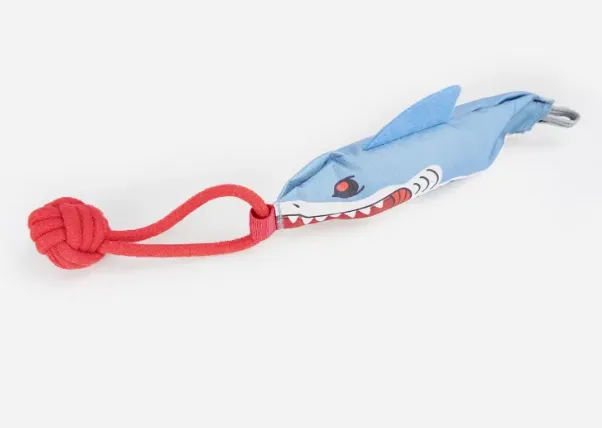
Interactive Strength Games: Spring Pole Dog Toys For Tug Of War (15 minutes daily), weighted retrieve runs (with lightweight harness, twice weekly). Builds core strength, bite force, and muscular endurance. Reinforces obedience through “release” and “pause” commands to prevent injury from overexertion during excitement.
Exercise Considerations
Belgian Shepherds require high levels of both physical and mental stimulation. Daily exercise should total at least 1.5 hours; insufficient activity or mental engagement may lead to behavioral issues. Puppies (under 6 months) should avoid high-intensity exercise and agility equipment training. Focus on short walks (30 minutes twice daily), basic command training, and gentle fetch games to protect skeletal development. Adult dogs (1-8 years) can engage in all types of exercise normally. Senior dogs (9+ years) should reduce jogging speed and agility training difficulty, increasing walking time and low-intensity mental games.
Avoid exercising in hot, humid environments. Their dense coat slows heat dissipation. In summer, prioritize early morning or evening outings. After exercise, promptly brush the coat and wipe the skin to prevent heatstroke. In winter, exercise duration may be extended appropriately, but protect paw pads from frostbite on ice and snow.
Avoid large meals or excessive water intake within 1 hour after exercise to prevent gastric torsion. Always use a leash during outdoor activities, especially in unfamiliar environments, to prevent accidents caused by overexcitement or protective instincts.
Essential Nutrition Plan for Belgian Shepherds
Core Macronutrients: High-Energy Precision Formulation
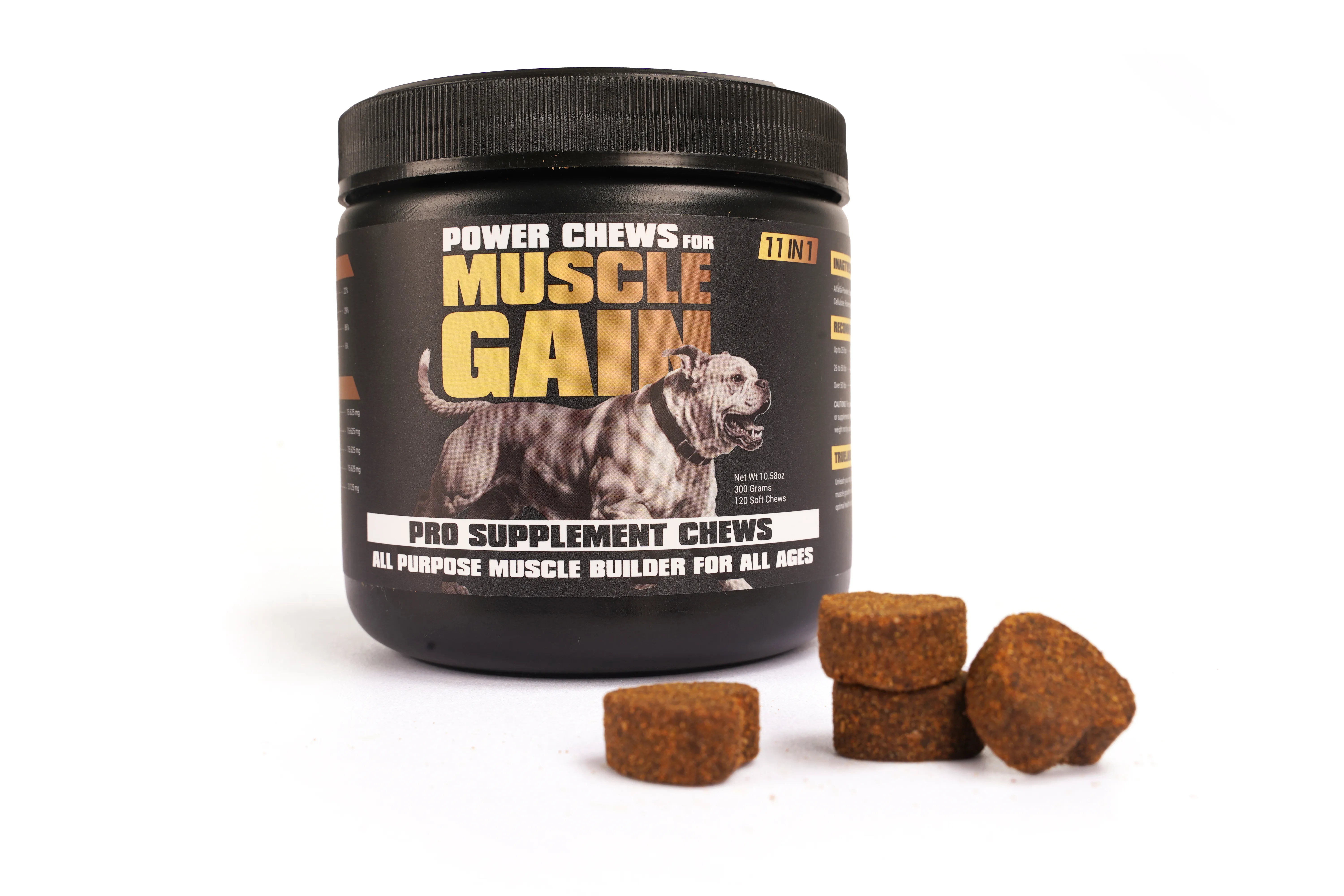
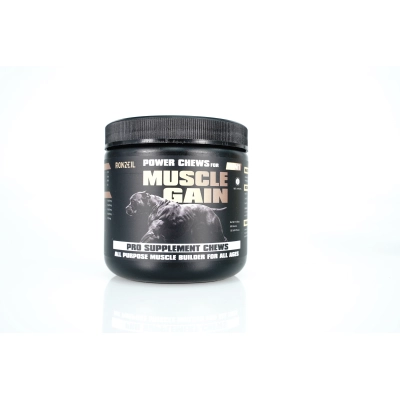
High Protein: 28%-32% of daily diet. Prioritize premium animal proteins (chicken, beef, salmon, lamb) to support muscle repair and energy replenishment after high-intensity exercise and training. Belgian Shepherds experience significant muscle exertion; adequate protein is crucial to prevent muscle loss and maintain stamina. During peak activity periods (e.g., over 2 hours of combined training daily), supplement with Dog Muscle Gain Supplement (per label instructions) to aid muscle growth and recovery.
Moderate-to-High Fat: 18%-22% of total calories, primarily from unsaturated fatty acids (fish oil, flaxseed oil, animal lecithin). This provides sustained energy for prolonged physical and mental exertion while promoting coat health, reducing shedding, and alleviating skin inflammation.
Complex Carbohydrates: 40%-45% of total calories. Choose low-glycemic carbohydrates like brown rice, oats, and quinoa, paired with vegetables such as carrots and broccoli. This provides sustained energy while increasing dietary fiber intake, promoting intestinal motility, and preventing exercise-induced constipation.
Targeted Supplements: Precisely Address Core Needs
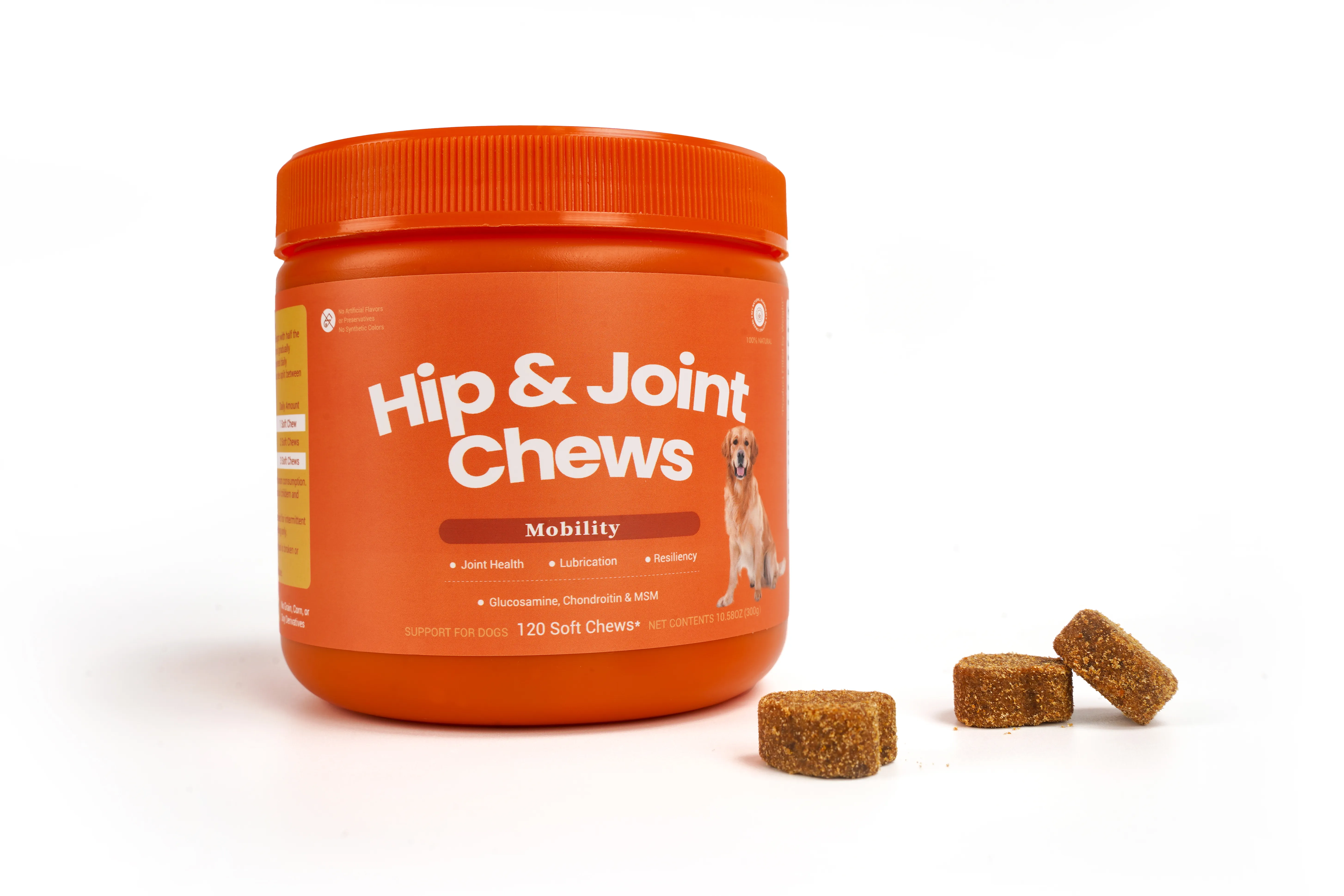
Joint Protection: Daily Glucosamine And Chondroitin For Dogs. As an active breed, Belgian Shepherds experience joint wear from prolonged high-intensity exercise. Regular supplementation is essential after adulthood (1+ years), with increased dosage (based on body weight) during agility training or long-distance runs to prevent hip dysplasia and elbow issues.
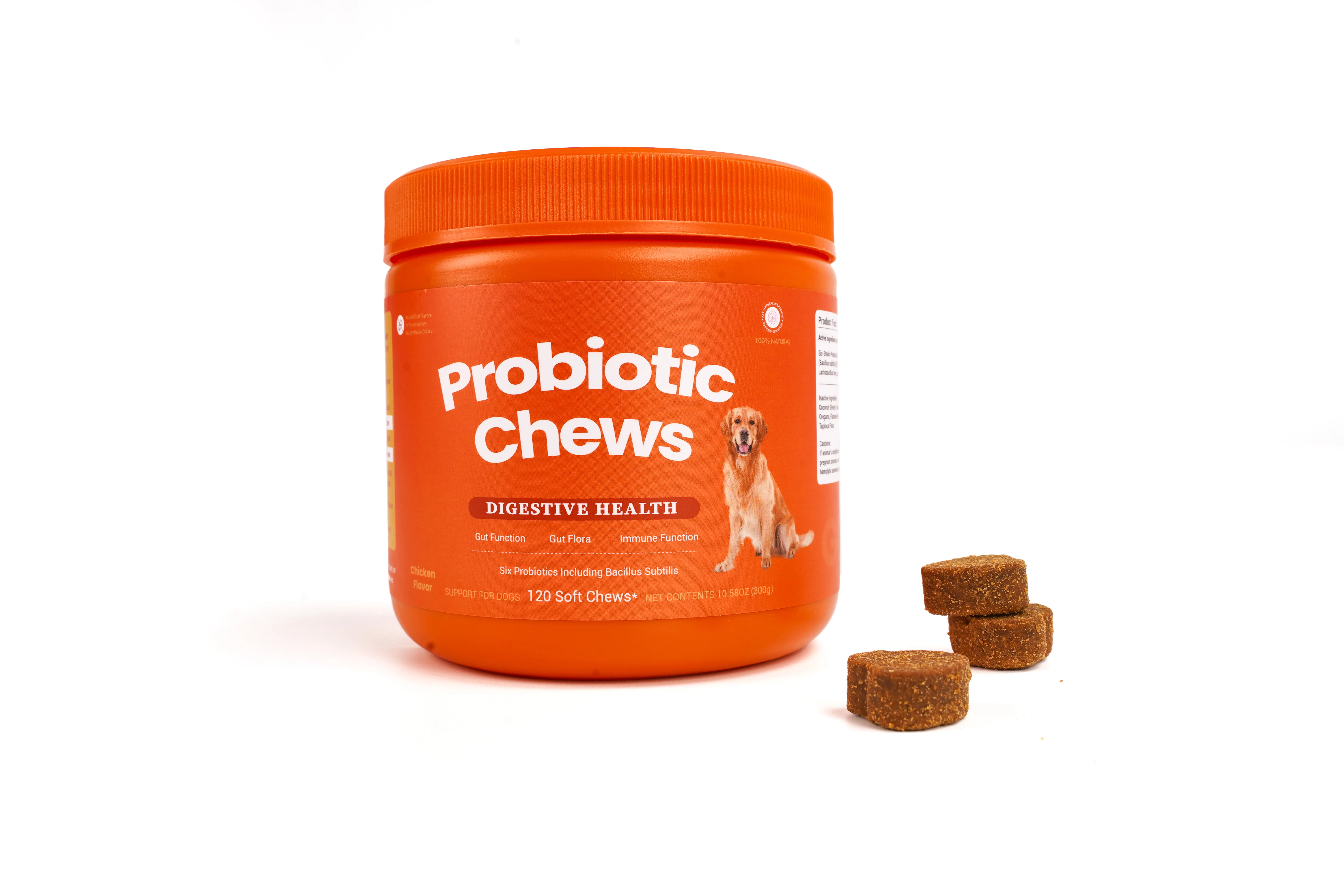
Gastrointestinal Support: Administer daily Canine Probiotic Supplement. Belgian Shepherds have moderate gastrointestinal tolerance; intense training or dietary changes may trigger stress-induced diarrhea. Probiotics regulate gut flora balance and enhance digestion and absorption. Incorporate pumpkin puree or beet pulp into daily meals to boost digestive health.
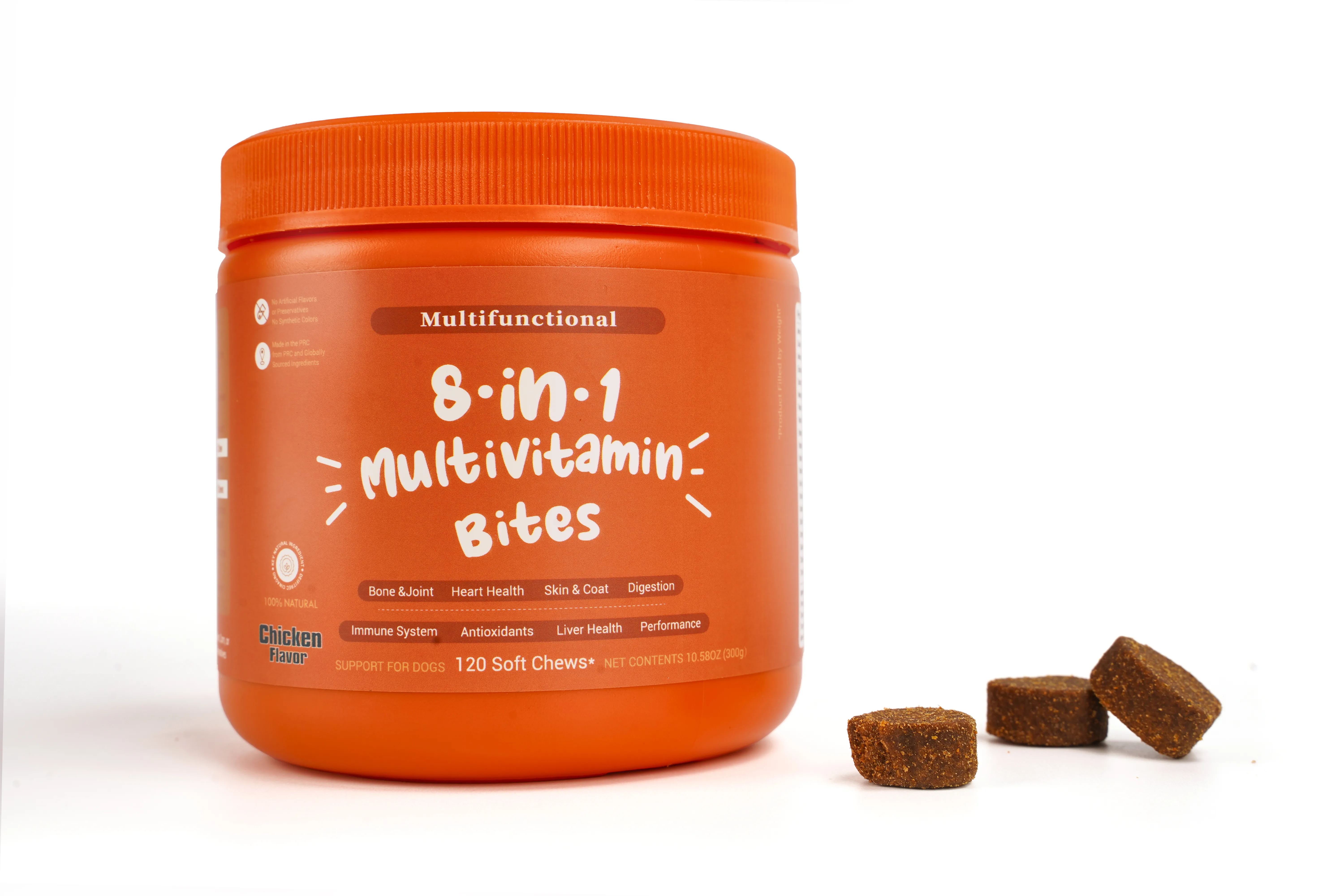
Comprehensive Nutrition Coverage: Administer one tablet of Canine Multivitamin daily to supplement micronutrients including Vitamin A, Vitamin E, iron, zinc, and selenium. This prevents nutritional imbalances caused by high-intensity exercise and training. Vitamin E specifically protects muscle cells and boosts immunity, aligning with their high metabolic demands.
Feeding Guidelines
Divide daily meals into 2-3 portions (puppies: 3-4 meals daily; 2 meals for adult dogs, 2-3 meals for senior dogs). Portion size is calculated by weight (approx. 500-600g daily for a 25kg adult Belgian Shepherd). Adjust dynamically based on activity level (increase by 10%-15% during high exertion) to prevent obesity from overfeeding.
Ensure adequate water intake, calculated daily based on body weight (70-80 ml per kg). Provide room-temperature water after exercise to avoid stomach irritation from ice-cold water. Offer small amounts of water during training breaks to prevent dehydration.
Select high-protein, low-fat treats (e.g., jerky, dried vegetables, freeze-dried snacks). Limit intake to no more than 10% of daily caloric intake. Use as training rewards while avoiding high-sugar, high-fat, or high-salt snacks to maintain dietary balance and health.
Supplement Usage Guidelines
All supplements must be administered according to the dog's weight and the dosage specified in the product instructions. Do not combine supplements to exceed the recommended amount. Puppies do not require muscle-building supplements. For senior dogs, reduce (or discontinue) muscle-building supplements and prioritize joint protection agents and multivitamins.
If Belgian Shepherds are pregnant, lactating, or have medical conditions (e.g., joint issues, gastrointestinal disorders), consult a veterinarian before using supplements to avoid exacerbating symptoms.
Example Equipment and Supplement Combinations (Weekly Reference)
|
Day |
Activity |
Nutritional Pairing |
Suitable Age |
|
Monday |
1.5 hours cycling + 20 minutes obedience training |
Main diet + Probiotics + Glucosamine + Multivitamins |
1-8 years (adult dogs) |
|
Wednesday |
Agility equipment training 40 min + Scent search 20 min |
Main diet + Muscle-building supplement (as directed) + Fish oil + Glucosamine |
1-6 years (young adult dogs) |
|
Friday |
Treadmill 1 hour (8 km/h) + Advanced Command Training 25 min |
Main Diet + Probiotics + Multivitamins |
Adult dogs aged 1-8 years (senior dogs reduce speed to 6 km/h) |
|
Weekend |
Outdoor Hike 2 hours + Tug-of-War Game 15 min |
Main Diet + Glucosamine + Multivitamins + Pre-Exercise Energy Snack |
1-8 years old adult dogs (senior dogs reduce hiking duration to 1 hour) |
Adjustment Notes for Different Age Groups
Puppies (2-6 months): Exercise follows the “short, frequent, multiple sessions” principle: 2 walks daily (30 minutes each) + 2 basic command training sessions (10 minutes each) + 1 light fetch game; Nutrition: Puppy-specific food (approx. 28% protein) + probiotics + multivitamins. Do not add muscle-building supplements yet. Feed small, frequent meals (4 times daily) to prevent obesity and protect bone/joint development.
Young Adult Dogs (1-6 years): Follow the chart standards. Gradually increase obstacle difficulty in agility training. Add muscle-building supplements on high-intensity exercise days. Choose adult high-energy formula for main meals to ensure adequate protein and fat for high energy demands. Weigh monthly and adjust feeding amounts promptly.
Senior Dogs (9+ years): Replace exercise with "2 daily walks (1 hour each) + 30 minutes of low-intensity scent games + basic command review." Eliminate agility equipment, high-intensity jogging, and tug-of-war games. Reduce muscle-building supplements in nutrition while increasing fish oil proportion (for cardiovascular health). Select senior dog-specific food (low-fat, high-fiber, joint-support formula) paired with probiotics and glucosamine to reduce digestive and joint strain.
Blog comments
0 Comments