
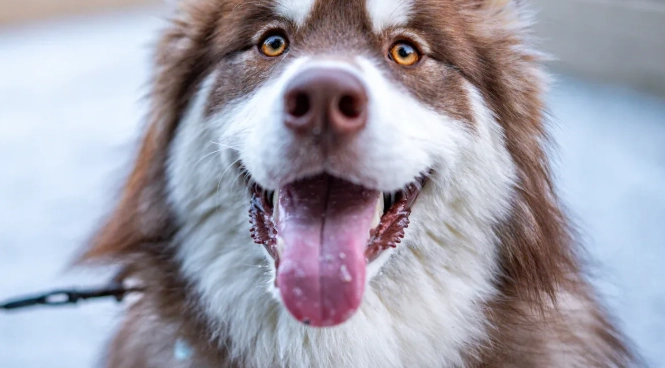
Siberian Huskies look amazing. Many people like them. They are very popular dogs. In 2025, they were the 6th most popular dog breed. Their popularity was 70%. Do you want a Siberian Husky? This guide talks about good things and hard things. It helps you decide. You need to know what they need. They have lots of energy. You might use Doggo Treadmills. You must be ready for a long time. Then you can get one.
Key Takeaways
- Siberian Huskies look striking and are very friendly dogs.
- They are clean dogs and groom themselves often.
- Huskies need a lot of exercise every day, about two hours.
- They are smart but can be stubborn, so training needs patience.
- Huskies shed a lot and like to howl instead of bark.
Siberian Husky Pros
Striking Appearance
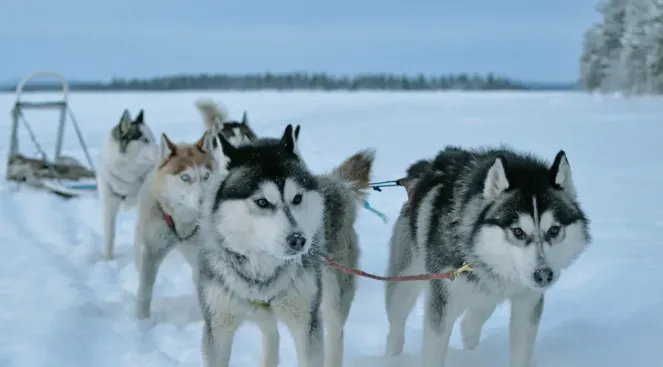
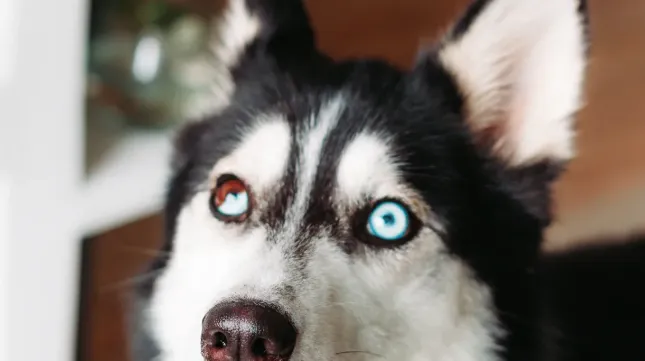
Siberian Huskies have a truly captivating look. Many people notice their wolf-like appearance. They have a medium-length double coat. This coat is often darker on their back and head. You will see white or light-colored markings on their mouths, chests, and legs. Their long, furry tails may have a slight curl. Their eyes are especially beautiful. They often come in bright blue or deep brown shades. Sometimes, a Husky even has one blue eye and one brown eye!
These dogs are medium-sized working dogs. They are quick and light on their feet. Male Huskies typically stand 21 to 23.5 inches tall at the shoulder. They weigh 45 to 60 pounds. Females are a bit smaller, standing 20 to 22 inches tall and weighing 35 to 50 pounds. Their bodies are compact and well-furred. This shows their Northern heritage. Their body length is a little longer than their height. This balance gives them power, speed, and endurance.
Look at their head, and you will see a keen, friendly, and sometimes mischievous expression. Their skull is medium-sized and slightly rounded. It tapers to their eyes. Their muzzle is also medium in length and width. It tapers to the nose. Their almond-shaped eyes are moderately spaced. They are set slightly at an angle. Their ears are medium-sized, triangular, and thick. They are well-furred and set high on the head. They stand straight up with slightly rounded tips. The nose color changes with the coat color. It can be black, liver, or even flesh-colored for white dogs. Some have a lighter-streaked 'snow nose.' Their neck is medium in length and arched. They carry it proudly when standing. Their chest is deep and strong, but not too wide. It has well-sprung ribs that flatten on the sides. This allows them to move freely. Their back is straight and strong. It has a level topline from the shoulders to the hips.
Their double coat is medium in length. It gives them a well-furred look without hiding their body shape. The undercoat is soft and dense. It supports the straight, smooth outer coat hairs. You can find Huskies in many colors. These include black, gray, agouti, sable, red, and white. They can be solid, have many shades, or feature white markings. Many Huskies have symmetrical or asymmetrical markings and patterns. This includes piebald patterns.
Affectionate Companions
Siberian Huskies are very affectionate dogs. They love being part of a family. You will find them to be gentle and outgoing. They enjoy spending time with people of all ages. They are known for their friendly nature. They do not have a strong guarding instinct. This means they are usually welcoming to strangers. They are not typically aggressive. Instead, they prefer to make new friends. This makes them wonderful companions for many households. They thrive on interaction and attention from their human family members.
Clean and Odorless
You might think a dog with such a thick coat would be messy or smelly. However, Siberian Huskies are surprisingly clean dogs. They are known for being quite odorless. They also have good grooming habits. They often groom themselves much like cats do. This helps them stay clean.
You can help them maintain their cleanliness with regular care.
Regular Brushing: You should brush your Husky 3-4 times a week. During shedding seasons, you will need to brush them more often. Use an undercoat rake or slicker brush. This removes loose fur and prevents mats. It also spreads natural oils. This keeps their coat healthy and reduces fur around your house.
Bathing: Bathe your Husky every couple of months. You can also bathe them when they get dirty. Use lukewarm water and a gentle dog shampoo. Make sure to rinse them thoroughly. This prevents skin irritation. Towel dry them, then use a blow dryer on a cool setting. Remember, never shave a Husky's double coat. It protects them from both heat and cold.
Nail and Paw Care: Trim their nails every few weeks. Be careful to avoid the quick, which is a sensitive part of the nail. Regularly check their paw pads for cuts, debris, or dryness. You can use paw balm to keep their pads moisturized.
Ear and Dental Hygiene: Clean their ears with a vet-recommended cleaner and a cotton ball. Brush their teeth 2-3 times a week with dog toothpaste. You can also give them dental chews. This prevents health problems and bad breath.
Diet: Feed your Husky the Canine Multivitamin. It should be rich in proteins, fats, and vitamins. Omega-3 and Omega-6 fatty acids are especially good for their coat health. They reduce shedding and keep their fur shiny. Fresh water is also very important.
Intelligent and Sociable
Siberian Huskies are intelligent dogs. They show their smarts in unique ways. They often excel at brain games and food puzzles. They are especially good at these when they are motivated. Their ability to solve puzzles clearly shows their problem-solving skills. They can figure things out.
However, their intelligence does not always mean they learn traditional obedience quickly. This is because they have an independent nature. They think for themselves. This can sometimes make them seem stubborn. Despite this, they are very sociable animals. They enjoy being around people and other dogs. They love to interact and play. This combination of intelligence and sociability makes them engaging pets. You will find them to be clever and friendly companions.
Siberian Husky Cons
Owning a Siberian Husky brings unique challenges. You need to understand these challenges before you bring one home. They are working dogs. This means they need more time, energy, and training than many other breeds. You commit to them for 12 to 14 years. Their high exercise needs last their whole life.
High Exercise Demands
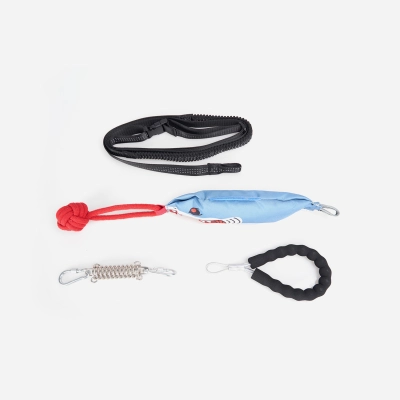
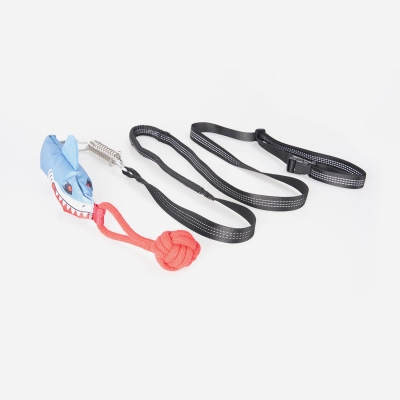
Siberian Huskies have very high energy levels. They need a lot of exercise every day. A sedentary lifestyle is very bad for them. You must provide vigorous daily exercise. Huskies need at least 80 minutes of exercise daily. A big part of this time should be running. They also need mental stimulation. You can give them Doggo Treadmills and Spring Pole Dog Toys For Tug Of War. They need a minimum of 2 hours of exercise daily. This is one of the highest requirements for any dog breed. Their history as sled dogs, pulling loads over long distances, explains this high demand.
If your Husky does not get enough exercise, they can face health problems. They can become obese. This increases the risk of other illnesses. Their muscles can weaken. This is called muscle deterioration. They might also have joint pain. Huskies who do not get enough exercise often live shorter lives. Some Huskies can even become depressed. They might sleep more, eat less, and lose interest in activities.
Doggo Treadmills and Exercise Solutions
Meeting your Husky's high exercise demands can be tough. You might not always have time for long runs outside. This is where Doggo Treadmills can help. Dog Treadmill For Large Dogs offer a great way to ensure your Husky gets enough activity.
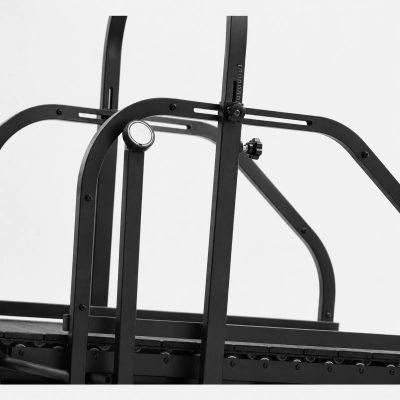
The Ronzeil dog treadmill is a core piece of equipment for your Husky's daily exercise routine. Its key advantages lie in space, tracking, and safety.
It provides a timed activity area to meet your bulldog's diverse exercise needs, including running and strength training. A built-in pedometer tracks mileage in real time, helping owners accurately monitor their progress. The Ronzeil dog treadmill features a double-chain treadmill and acrylic protective barrier to prevent damage during exercise, providing both convenience and safety for your bulldog's daily exercise. Doggo Treadmills are a valuable tool for active breeds.
Escape Artists
Siberian Huskies are famous for being escape artists. They are intelligent and curious. They love to run. This makes them try to get out of yards or enclosures. They can climb fences, dig under them, or squeeze through small gaps.
You can take steps to prevent escapes. Invest in a high fence. A board-on-board wooden fence is hard to climb. Invisible fences are also an option, but they need a lot of training. Secure the top of your fence. You can install a part that curves inwards. A Coyote Roller also stops dogs from jumping over. Secure the bottom of your fence too. Use a concrete footer or bury chicken wire. Make sure the sharp edges of the wire face inwards. Planting shrubs or bushes along the fence can help. They block your dog's view of outside things. This keeps their attention inside the yard. Do not chain or tether your dog. This can make them aggressive. Do not correct your dog after they escape. Corrections only work if you catch them in the act. Otherwise, they just become fearful. If your Husky escapes because of fear, punishment will make it worse. Use positive reinforcement. This works better than negative reinforcement.
Strong Prey Drive
Siberian Huskies have a strong prey drive. This means they have a natural urge to chase small animals. This instinct comes from their ancestors. It is an evolutionary trait. Their wolf ancestors hunted for food. Huskies were also bred to pull sleds in harsh Arctic conditions. This history made them naturally want to chase and explore. The tough environment in Siberia helped create this strong prey drive. Even modern Huskies might see small animals as prey. This can be a problem if you have smaller pets like rabbits or guinea pigs. You must keep them secure.
Constant Shedding
Siberian Huskies shed a lot. Some shed constantly. Others shed twice a year. They typically 'blow their coat' at least once a year. This process lasts about 4 to 8 weeks. For example, a Husky might shed in the fall and spring for 4 to 6 weeks each time. Some Huskies shed year-round. This means you will find hair everywhere.
You need the right tools to manage their shedding. An undercoat rake is very important. It removes loose undercoat fur. This prevents matting and helps air circulate. A slicker brush helps detangle and smooth their outer coat. A detangling comb is good for areas that mat easily, like behind the ears. A FURminator deShedding Kit can also help reduce shedding.
Stubborn Nature
Siberian Huskies are intelligent, but they can also be stubborn. They are independent and strong-willed. They often test boundaries. They do not always aim to please like some other breeds. They tend to question commands instead of just following them.
Consistency is very important when training a Husky. They like routine. You must be firm but gentle. Do not let them get away with disobedience sometimes and not others. Establish clear schedules for feeding, walking, and training. Use positive reinforcement. Punishment does not work and can make them rebellious. Use treats, affection, and playtime as rewards. If your Husky ignores a command, do not yell or punish them. This only creates fear. Instead, redirect them. Distract them with a toy or a known command. Then, try the original request again. A tired Husky is a well-behaved Husky. Provide at least two hours of daily physical exercise. Give them mental stimulation with puzzle toys and agility work. Huskies are natural pullers on a leash. Use tools like front-clip harnesses or head halters to reduce pulling. Treat them as an intellectual equal. They learn quickly with rewards. The challenge is getting them to repeat behaviors.
Vocal Communication
Siberian Huskies are very vocal dogs. They do not bark much. Instead, they howl, whine, and make other unique sounds. They can be quite loud. Their howling can be intense and persistent. This can be disruptive, especially if you live in an apartment or have close neighbors. You need to be prepared for their vocal nature.
Not for Novice Owners
Siberian Huskies are not suitable for first-time dog owners. Their high energy and extensive training needs are too much for many people. You need to commit to 12 to 14 years of daily vigorous exercise. They demand more time, energy, and training than an average dog.
Huskies are social and get bored easily. They do not do well when left alone all day. They love to run. If you do not give them an outlet, they will create their own. This can lead to destructive behaviors. They are built for cold weather. They struggle in hot or humid climates all year round. They shed a lot, so you will clean up hair frequently. Their stubbornness and independence make training difficult. They are master escape artists. They will climb fences, dig holes, or dart out doors. This is because of their intelligence, curiosity, and desire to run. They also have a strong predatory drive. This means they can be a threat to small pets. Their stamina is immense. They need regular exercise and mental stimulation to prevent boredom and restlessness. Their loud howling can also be a problem for neighbors.
Making an Informed Decision
You know the good and bad parts. This is about owning a Siberian Husky. Now, think if you are ready. Look at your life. Think about your time. Think about your money. This helps you choose wisely.
Lifestyle Compatibility
See if a Husky fits your life. Huskies love to roam. They do not have a homing sense. You must keep them safe. Keep them in a yard or on a leash. This stops them from getting hurt. It stops them from causing trouble. They are very curious. This can lead to danger. They love to hunt. They love to chase. They love to explore. They need lots of exercise. Play hard for 20 minutes. Do this every other day. A fenced yard works for this. Huskies shed a lot. This happens a few times a year. Be ready for this. They also love to dig. You can give them a digging spot. You cannot stop them from digging. Their howling might bother neighbors.
Long-Term Commitment
Getting a Husky is a big promise. They live for 12 to 14 years. You promise to care for them. This is for over ten years. You will handle their health. Huskies can get sick. They can get eye problems. These are cataracts and PRA. They can get corneal dystrophy. They can also get thyroid issues. They can get hip problems. Be ready for the money. Be ready for the feelings. This is for their long health.
Training and Socialization
Training is key for a good Husky. Socializing them is also key. The best time is 3 to 14 weeks old. This is when they learn best. Puppies like new things then. They also have two fear times. The first is 7 to 12 weeks. The second is 6 to 14 months. Show them new people. Show them new places. Show them other safe dogs. Do this during these times. This helps them act well. Keep socializing them later too. New things might need more patience. Use good rewards.
________________________________________
Siberian Huskies are special dogs. They are great for the right owner. Their problems are big. They need hard work. But their good points make them amazing friends. Being a good owner needs patience. It needs steady training. You must know what they need. Learn all you can. Get ready well. This makes a happy life for you and your Husky.
FAQ
🐾 Are Siberian Huskies good with children?
Huskies are generally good with children. They are affectionate and gentle companions. Always supervise interactions between dogs and young kids. This ensures safety for everyone.
🛁 How much grooming do Siberian Huskies need?
You need to groom Huskies regularly. Brush them 3-4 times a week. Brush them more during shedding seasons. This helps manage their constant shedding. It keeps their coat healthy.
🏙️ Can you keep a Siberian Husky in an apartment?
You can keep a Husky in an apartment. But, you must meet their high exercise needs. They need at least 2 hours of vigorous activity daily. Without it, they become destructive.
🗣️ Do Huskies bark a lot?
Huskies do not bark much. They are very vocal. They howl, whine, and make unique sounds. Be ready for their loud communication. Your neighbors might hear them.


Blog comments
0 Comments