
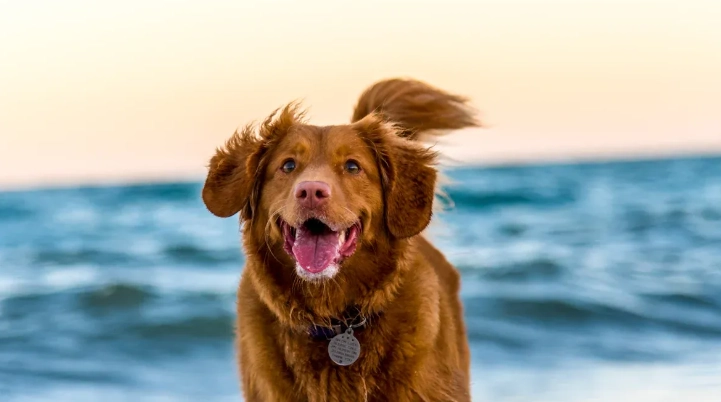
A balanced diet is very important for your dog's health. Just like people, dogs need different nutrients to be healthy. These nutrients help keep their energy up, support their immune system, and improve their overall health. Here are eight important nutrients your dog needs:
- Protein
- Fats
- Carbohydrates
- Vitamins
- Minerals
- Water
- Fiber
- Dog multivitamin
Each one helps keep your dog happy and healthy!

Key Takeaways
- A good diet is very important for your dog's health. Include protein, fats, carbohydrates, vitamins, minerals, and fiber to keep them happy and healthy.
- Pick high-quality protein sources like chicken, beef, and salmon. These help build strong muscles and support good health.
- Healthy fats, especially omega fatty acids, are important for energy. They also help keep a shiny coat. They support joint and heart health too.
- Vitamins and minerals are key for your dog's immune system and overall health. Think about giving a dog multivitamin to fill any gaps.
- Always give fresh water for hydration. A good rule is one ounce of water for each pound of body weight to avoid dehydration.
Protein
Protein Benefits
Protein is very important for your dog's health. It helps build muscles and fix them when they are hurt. It also keeps your dog strong and full of energy. When you give your dog enough protein, they can stay at a healthy weight and grow strong muscles. Important amino acids in protein, like leucine and lysine, are needed for muscle growth and healing. These amino acids help make new muscle and fix tissues.
Did you know a 45-pound dog that is active needs about 56 grams of protein each day? That’s about 1.2 grams for each pound they weigh! The Association of American Feed Control Officials (AAFCO) says adult dogs should have at least 18% protein in their food. This helps them get the nutrients they need to be healthy.
Sources of Protein
Quality is key when choosing protein sources. Here are some good options for your dog:
- Chicken: Lean and full of B vitamins, it helps muscles and joints.
- Beef: A great source of iron and amino acids, good for active dogs.
- Salmon: Full of omega-3 fatty acids, it helps joints and brain health.
- Turkey: A lean protein that is easy on sensitive stomachs.
- Lamb: Tasty and healthy, it gives important nutrients and fats.
- Duck: Easy to digest and full of nutrients, good for dogs with allergies.
- Eggs: A complete protein with all the amino acids needed.
- Venison: Lean and great for dogs with many allergies.
- Rabbit: Low in calories and good for muscle growth, especially for sensitive dogs.
- Plant-based proteins: Options like peas and lentils can be good for dogs with special diets.
By picking high-quality protein sources, you make sure your dog gets the best nutrition. This helps their muscles and overall health.
Fats
Types of Fats
Fats are very important in your dog's diet. They give energy and help keep your dog's skin and coat healthy. Fats also help your dog absorb vitamins A, D, E, and K. You should add healthy fats to your dog's meals to help them grow strong.
Here are the main types of fats you should know:
- Saturated Fats: These fats are solid at room temperature. You can find them in animal products. They can give energy, but too much can cause health problems.
- Unsaturated Fats: These are liquid at room temperature and are healthier. They come from plant oils and fish. Unsaturated fats are good for your dog's heart and overall health.
Omega Fatty Acids
Omega fatty acids are a special kind of unsaturated fat. They have many health benefits for your dog. There are two main types: omega-3 and omega-6 fatty acids.
Here’s why omega fatty acids are important:
- They help reduce swelling and support joint health. This is especially helpful for older dogs or those with arthritis.
- Omega-3 fatty acids, like EPA and DHA, are good for heart health and brain function.
- They make your dog's skin and coat shiny and healthy.
To help you understand how much fat your dog needs, look at this table:
| Activity Level | Percentage of Fat Intake |
| Endurance Dogs | Up to 35% |
| Medium-Activity Dogs | Not specified |
| Sprinters | 12-17% |
Adding the right amount of fats to your dog's diet can really help their health and happiness. So, choose high-quality fat sources to keep your furry friend feeling great!
Carbohydrates
Energy Source
Carbohydrates help give energy to your dog, but they aren't a must. The National Research Council (NRC) says dogs can get energy from fats and proteins too. This means your dog can handle carbohydrates, but they don’t need them to be healthy. Many active dogs, like sled dogs, do well on low-carb diets. They can use fat for energy, which keeps their energy steady all day. This change also helps them avoid running out of quick energy when playing or exercising.
Healthy Carbohydrates
If you want to add carbohydrates to your dog's diet, pick healthy ones. Here are some good carbohydrate sources that can help your furry friend:
| Carbohydrate Source | Dry Matter Digestibility (%) | Nitrogen-Free Extract Digestibility (%) |
| Rice | 92.45 | 97.08 |
| Corn | 92.95 | 96.14 |
| Brown Rice | 91.61 | 95.56 |
| Barley | 88.81 | 90.10 |
| Mung Beans | 80.74 | 83.38 |
These carbohydrate sources give energy and help your dog's health. For more energy, rice and corn are great choices. If you want to help your dog stay at a healthy weight, barley and mung beans are good options. Also, diets with legumes like mung beans may help control blood sugar better than grain-based diets. This means they can help keep your dog's blood sugar steady.
Adding healthy carbohydrates to your dog's meals can improve their diet and keep them happy and full of energy! 🌟
Vitamins
Key Vitamins
Canine vitamins are very important for your dog's health. They help with many things like energy and the immune system. Here are some key dog vitamins you should know:
- Vitamin A: Helps with vision, skin, and the immune system.
- B Vitamins: Help turn food into energy and keep the nervous system healthy.
- Vitamin C: Works as an antioxidant and helps the immune system.
- Vitamin D: Helps control calcium and phosphorus for strong bones.
- Vitamin E: Protects cells and supports skin health.
If your dog doesn’t get enough of these vitamins, you might see some worrying signs. Common signs of vitamin shortages include:
- Crusty, scaly skin
- Hair loss
- Slow healing of wounds
- Bone fractures
- Weakness
- Neurological signs like muscle shakes or seizures
- Vomiting or diarrhea
- Tiredness
- Not wanting to eat
- Losing weight
- Bad skin and coat condition
Dog Multivitamin Benefits
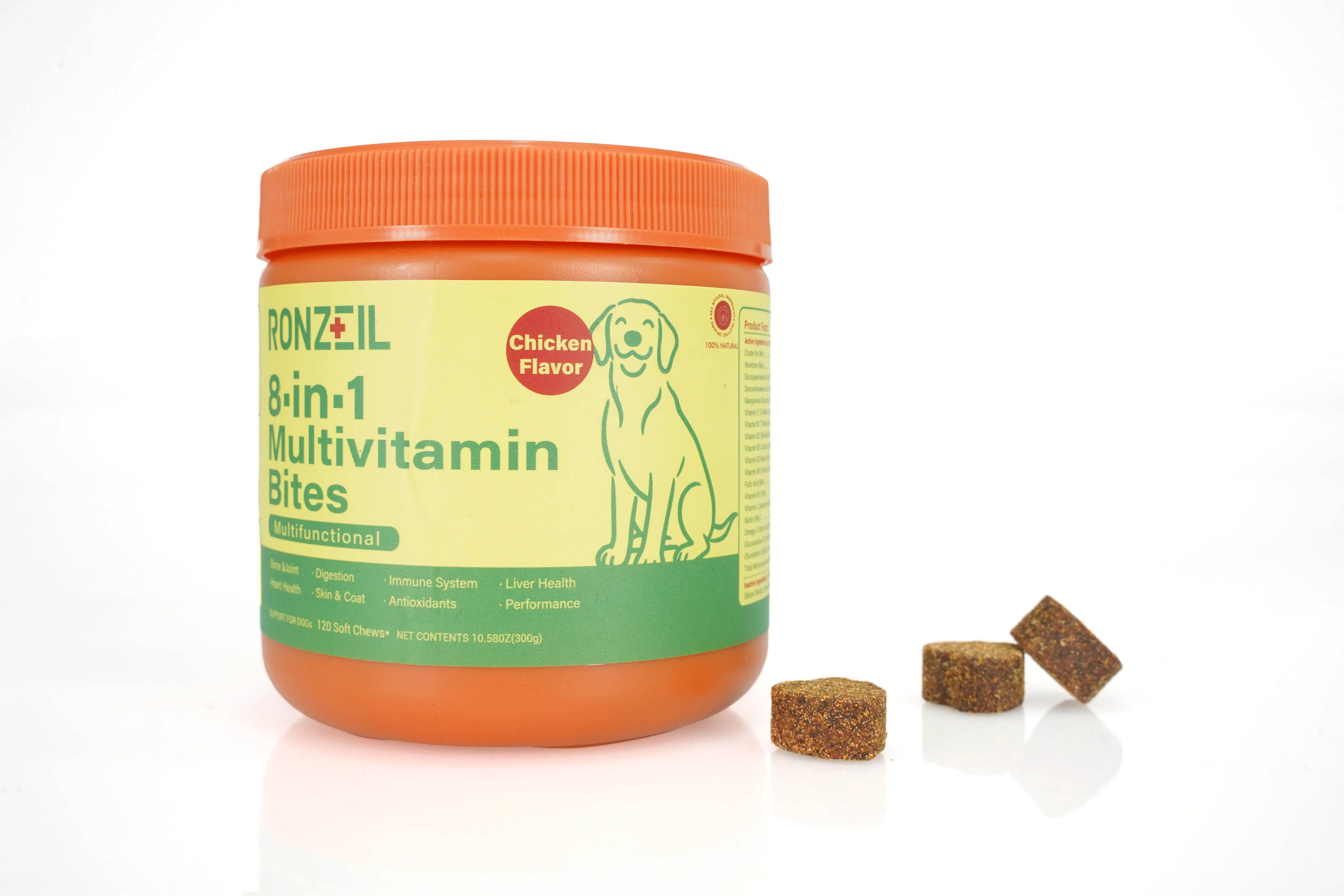
A dog multivitamin can help make sure your furry friend gets all the nutrients they need. Many dogs, especially those eating home-cooked meals, may not get enough vitamins from their food. Here’s how a dog multivitamin can help:
| Evidence Description Source | Link |
| Multivitamins help dogs on home-cooked diets that often miss nutrients. | Dog Cancer |
| Multivitamins aim to meet nutritional needs not met by food. | Dog Cancer |
| Good multivitamins can help dogs with cancer by filling nutritional gaps. | Dog Cancer |
| Case studies show that multivitamins can help with missing nutrients in home diets. | Dog Cancer |
| Multivitamins provide important vitamins and minerals for good nutrition. | Dog Cancer |
| Home-cooked diets may not have enough nutrients on their own. | Dog Cancer |
Adding a dog multivitamin to your dog's daily routine can help fill any gaps in nutrition. It’s an easy way to support their health and keep them feeling great!
Minerals
Essential Minerals
Minerals are very important for your dog's health. They help different body functions and keep your dog feeling good. Here are some key minerals you should know:
- Calcium: Needed for strong bones and teeth.
- Phosphorus: Works with calcium to build bones and teeth.
- Zinc: Helps skin health and the immune system.
- Potassium: Supports muscle function and nerve signals.
- Sodium: Keeps fluid balance and helps nerve function.
Mineral Functions
Each mineral has special jobs that help your dog's health. Here’s a quick look at how much they need each day:
| Mineral | Recommended Daily Intake (per 1000 kcal) |
| Calcium | 2.5 g (growing/reproducing) / 1.5 g (adult) |
| Phosphorus | 2.0 g (growing/reproducing) / 1.25 g (adult) |
| Potassium | 1.5 g (both growing and adult) |
| Sodium | 0.80 g (puppies) / 0.20 g (adult) |
| Zinc | 25 mg (all dogs) |
Getting the right amount of these minerals is very important. For example, not enough calcium can make bones weak and lead to fractures. Not enough phosphorus can hurt bone health. Zinc is needed for skin health, and not having enough can cause hair loss and a weak immune system.
Here are some signs of mineral shortages you should look for:
- Zinc shortage can cause hair color changes and skin problems.
- Calcium shortage may lead to bone fractures and weakness.
- Potassium shortage can cause tiredness and heart problems.
Making sure your dog gets enough minerals is key to keeping them healthy and happy! 🐾
Water
Hydration Importance
Water is very important for your dog's diet. Just like you, your dog needs water to stay healthy. It helps with digestion and keeps their body temperature normal. Water also keeps their joints moving smoothly. If your dog doesn’t drink enough water, they can get dehydrated quickly. This can cause serious health problems.
Dehydration is a common issue for pets. It can lead to emergency visits to the vet. So, it’s important to watch your dog's hydration. Here are some signs that your dog might be dehydrated:
- Dry or sticky gums
- Less appetite
- Low energy or tiredness
- Skin that doesn’t bounce back quickly
- Advanced signs include:
Sunken eyes
Pale or dark red gums
Fast heart rate
Weak pulses
Fainting or confusion
Daily Water Needs
How much water does your dog need each day? A good rule is to give about one ounce of water for every pound they weigh. For example, if your dog weighs 50 pounds, they should drink about 50 ounces of water daily. But this can change based on how active they are, their age, and what they eat.
If your dog eats dry food, they may need more water than a dog that eats wet food. Always make sure they have fresh, clean water. You can help your dog drink more by:
- Filling their water bowl often
- Adding ice cubes for fun
- Giving them water during and after playtime
Keeping your dog hydrated is very important for their health and happiness. By watching how much water they drink, you can help stop dehydration and keep your furry friend feeling great! 🐶💧
Fiber
Digestive Health
Fiber is very important for your dog's digestion. It helps their stomach work well and can stop constipation. Adding fiber to your dog's food makes their poop bigger, which helps them go to the bathroom easier. This can lead to better bowel movements and a happier dog! Also, fiber can help your dog manage their weight by making them feel full without too many calories.
Did you know that how much fiber your dog needs can change? You should change it based on your dog's energy level, body condition, and how well they digest food. A little fiber is important, but more can help dogs that need fewer calories. Insoluble fiber can help lower energy density, speed up digestion, and make poop volume bigger. So, watching your dog's fiber intake is key for their health!
Fiber Sources
You have many choices when adding fiber to your dog's diet. Here are some good fiber sources that vets suggest:
| Source | Type of Fiber | Notes |
| Oats | Soluble (50%) | Very small amount recommended |
| Amaranth | Balanced | Lower in both fiber and insoluble fiber |
| Sorghum | Balanced | Lower in both fiber and insoluble fiber |
| White Rice | Refined | Lowest fiber content |
| Brown Rice | Insoluble | Contains almost entirely insoluble fiber |
| Corn | Insoluble | Contains almost entirely insoluble fiber |
| Cassava | Balanced | Good source of fiber |
| White Potato | Balanced | Good source of fiber |
| Sweet Potato | Balanced | Fiber reduces to half when canned |
By adding these fiber sources to your dog's meals, you can help their digestion and keep them feeling great! 🌟
In conclusion, giving your dog a balanced diet is very important for their health. Important nutrients like protein, fats, carbohydrates, vitamins, minerals, and fiber help keep your dog happy and healthy. Also, don’t forget how important water is!
Surprisingly, only 6% of homemade dog food recipes meet the needed nutrition. This shows that planning is very important. A dog multivitamin can help fill in any missing nutrients, especially for dogs with health problems.
To help your dog do well, think about talking to a vet to make a diet that fits their needs. Remember, a good diet helps your pet live a longer and healthier life! 🐾
FAQ
What are the signs my dog needs more nutrients?
Look for signs like low energy, poor coat condition, or weight loss. If your dog seems lethargic or has trouble healing, it might need more nutrients.
Can I feed my dog a vegetarian diet?
Yes, but ensure it includes all essential nutrients. Consult your vet to create a balanced vegetarian diet that meets your dog's needs.
How much water should my dog drink daily?
A good rule is one ounce of water per pound of body weight. Adjust this based on activity level and diet type.
Are dog multivitamins necessary?
They can be helpful, especially for dogs on homemade diets. Multivitamins fill nutritional gaps and support overall health.
How do I know if my dog is dehydrated?
Check for dry gums, low energy, or skin that doesn’t bounce back. If you notice these signs, encourage your dog to drink more water.


Blog comments
0 Comments