
Australian Kelpies are amazing dogs. They are smart and quick. These herding dogs from Australia need a lot of activity. They also need mental challenges. It is important to know how to care for them. A good care guide can really help. Regular exercise keeps your Kelpie happy and healthy. Doing activities like herding or agility training helps them use their natural skills. Putting in some effort for their care helps your dog live a happy life.
Key Takeaways
Australian Kelpies need at least 60 minutes of exercise every day to be happy and healthy. They are smart dogs and like mental challenges such as puzzle toys and training. A balanced diet with good protein and no fillers is important for their health. Socializing Kelpies early helps them grow into confident and well-behaved adults. Regular vet visits and keeping an eye on their weight can help prevent common health problems.
Kelpie Characteristics
Temperament
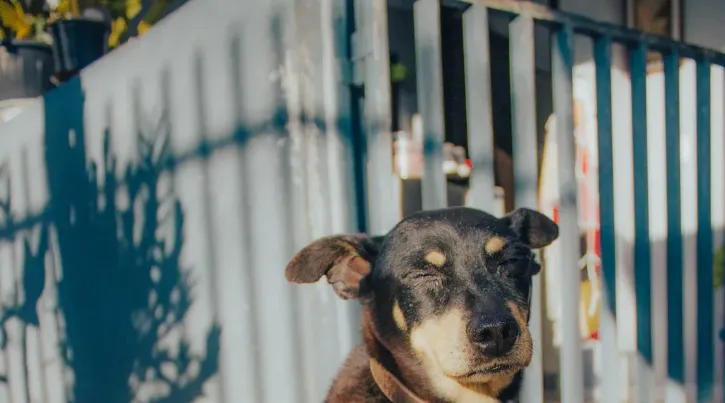
Australian Kelpies are lively and full of energy. They love to be active and enjoy mental challenges. Their strong work ethic makes them great for active people. You can see different types of Kelpies, each with their own behavior traits:
- Yard Kelpies: These dogs are more excited and eager to help. They tend to bark and bite more often.
- Paddock Kelpies: These dogs are calmer and rarely get excited, bark, or bite.
- Utility Kelpies: They mix traits from both Yard and Paddock Kelpies, showing average behavior.
Even though they are energetic, Kelpies are good with kids. This makes them great family pets. They are usually friendly and loyal. However, they need proper training and socialization to use their energy in a good way.
Physical Traits
Australian Kelpies are medium-sized dogs with a balanced build. Here’s a quick look at their size:
| Gender | Height (inches) | Weight (pounds) |
| Males | 20-23 | 35-60 |
| Females | 18-22 | 22-55 |
Their coat is another special feature. The outer coat is short, flat, and straight. It helps them handle different weather. You might see a short, thick undercoat, especially in colder months. The hair on their head, ears, feet, and legs is short. It can be a bit longer around the neck, back thighs, and tail, forming a brush. This coat not only looks nice but also keeps them safe while they work or play outside.
Health and Diet
Common Issues
Caring for your Australian Kelpie means knowing about their health. These dogs can have some common health problems. Here’s a quick list of them:
| Health Issue | Prevalence Rate |
| Dental Disease | Affects 80% of all dogs by age two |
| Hip Dysplasia | Common in Australian Kelpies |
| Knee Problems | Common in Australian Kelpies |
| Obesity | A serious health problem |
| Cerebellar Abiotrophy | Affects some breeds, including Kelpies |
| Progressive Retinal Atrophy (PRA) | More common than in other dogs |
You should watch your Kelpie's weight. Obesity can cause joint issues and other health problems. Regular vet visits can help find these issues early.
Balanced Nutrition
Feeding your Kelpie a balanced diet is very important for their health. Here are some tips to make sure they get good nutrition:
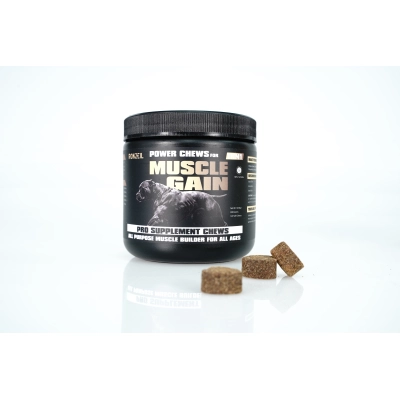
- Watch your puppy as they grow. Change their food amounts to keep them slim and protect their joints.If necessary, you can add essential dog supplements to their food, such as Canine Multivitamin.
- Some puppies might need more or less food, so be flexible within the suggested limits.
- Think about a raw diet. It helps with strong bones, healthy organs, and a strong immune system.
- Stay away from grains, fillers, or artificial additives. These can hurt your dog's gut health.
Australian Kelpies usually live between 12 to 15 years. Giving them good care with the right diet and regular exercise can help your Kelpie have a long, happy life.
Exercise Needs
Daily Routine
Australian Kelpies need daily exercise to be happy. They should get at least 60 minutes of activity each day. If they don’t get enough exercise, they might act out. You could see your Kelpie digging, barking too much, or chewing furniture. These behaviors happen because they are bored and have extra energy.
To make a good daily routine, try these activities:
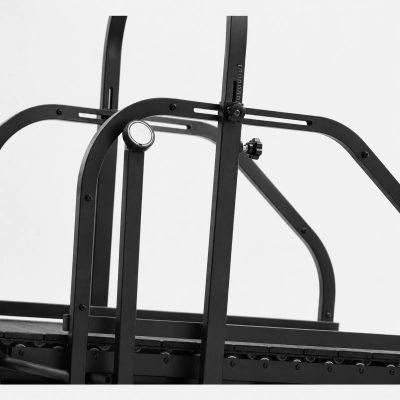
- Morning Walks: Start the day with a fast walk. This helps use up some energy and makes the day better.If you don't have time to take them for a walk outdoors, letting them run on a Dog Treadmill For Large Dogs indoors is also a good option.
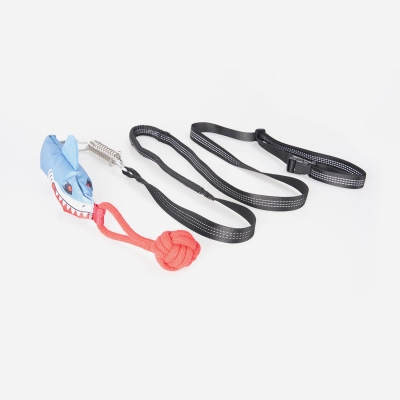
- Playtime: Play games like fetch or tug-of-war. These are fun and help them stay active and think.
- Training Sessions: Have short training times during the day. This helps them behave well and keeps their minds sharp.
Here’s a quick look at how exercise needs change as your Kelpie gets older:
| Age Group | Exercise Duration | Key Considerations |
| Puppies (8-16 weeks) | Limit to 5 minutes/session | Focus on making it fun, avoid hills until 12 months |
| Adolescents (6-18 months) | 15-20 minutes/session | Add play breaks to keep them from getting bored |
| Adults (1.5+ years) | 25-35 minutes/session | Use interval training to keep them fit |
| Seniors (7+ years) | 10-15 minutes/walk | Focus on joint health, stick to flat areas |
Mental Stimulation
Your Kelpie also needs mental stimulation. They are very smart and need challenges to keep their minds busy. Here are some fun ways to give them both mental and physical exercise:
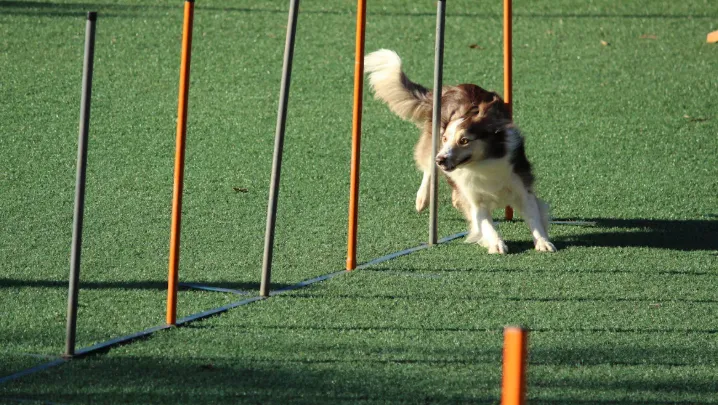
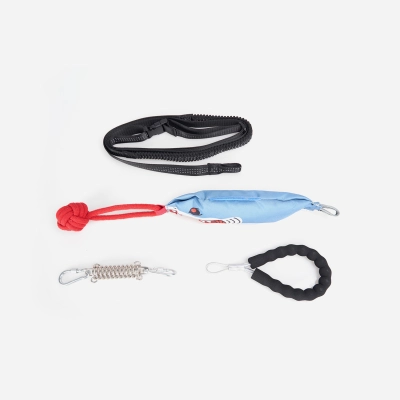
- Obstacle Courses: Set up Canine Agility Training Equipment in your yard to create a small agility training course. This makes them think and tests their skills.
- Find and Retrieve the Treat: Hide treats around your home or yard. Your Kelpie will love finding them, which helps their problem-solving skills.
- Herding Activities: If you have animals, let your Kelpie practice herding. This uses their natural skills and gives them a great experience.
By adding these activities to your Kelpie's routine, you help them stay happy and balanced. Remember, a dog that gets enough exercise is a well-behaved dog!
Training Tips
Positive Reinforcement
Training your Australian Kelpie can be fun when you use positive reinforcement. This means giving your Kelpie treats, praise, or playtime when they follow commands. It helps them feel good and makes training fun. Here’s why positive reinforcement is effective:
| Benefit | Explanation |
| Builds Confidence | Positive reinforcement helps dogs feel good about learning, boosting their confidence. |
| Prevents Canine Fear | It lowers the chance of dogs freezing up from fear, as they get rewards for good behavior. |
| Increases Enjoyment of Training | Dogs look forward to training sessions when they are rewarded, making learning enjoyable. |
To get the best results from your training, keep sessions short and fun. Try to make them 10-15 minutes long to keep your Kelpie's attention. Be consistent by using the same words and gestures for each command. This helps your Kelpie learn faster and reduces confusion.
Skill Development
Australian Kelpies are eager to learn and easy to train. Start with basic commands like sit, stay, and come. These are the building blocks for more advanced training. Add in fun activities like scent games and new tricks to keep your Kelpie's smart mind busy.
Here are some important skills and activities for your Kelpie:
- Basic Obedience Commands: Start with commands like sit, stay, and come.
- Dog Sports: Try agility and herding trials for physical and mental challenges.
- Daily Exercise: Regular walks, hikes, and playtime are important to manage their energy.
- Obedience Training: This helps control their herding instincts and ensures good behavior.
- Mental Stimulation: Use puzzle toys and interactive games to keep their minds active.
You might face training challenges like barking too much, jumping, or pulling on the leash. To fix these, understand why they happen and use the right techniques to change their behavior. With patience and consistency, your Kelpie will do well as both a worker and a companion.
Fun Activities
Games and Sports
Playing games and sports with your Australian Kelpie is a great way to keep them active and thinking. Here are some fun activities that Kelpies are really good at:
- Agility: Run through jumps, tunnels, and weave poles. This fast sport is perfect for Kelpies because they love to run and solve problems.
- Flyball: A relay race where dogs jump over hurdles to get a tennis ball. It’s a fun way to build teamwork and speed.
- Nosework: Let your Kelpie use their amazing sense of smell to find hidden treats. This helps them think and solve problems.
- Swimming/Dock Diving: Many Kelpies love water. Swimming or jumping in can be a fun way to cool off and exercise.
Doing these activities gives your Kelpie physical exercise and stops boredom. Boredom can cause behavior problems, so keeping your Kelpie busy is very important.
| Dog Sport | Description Skills | Needed |
| Agility | Fast obstacle course with tunnels, jumps, and other challenges. | Agility, speed, obedience |
| Musical Canine Freestyle | A fun routine with music that shows teamwork and talent. | Creativity, obedience |
Socialization
Socialization is very important for your Kelpie's growth. Meeting different people, pets, and places helps them become well-rounded adults. Here are some tips for good socialization:
- Start socializing your puppy before they are 16 weeks old. This is the best time for learning.
- Introduce them to different people and pets. This helps them feel safe in new situations.
- Regularly take your Kelpie to new places. This could be parks, busy streets, or pet-friendly stores.
- If your dog seems stressed, remove them from uncomfortable situations. This helps them learn to cope without being scared.
Good socialization can stop common behavior problems like aggression towards strangers or other animals. By joining in social activities, you help your Kelpie do well in many different settings.
Taking care of your Australian Kelpie means knowing what they need. Here are some important points:
- Impulse Control: Help your Kelpie learn self-control by training them to wait calmly for their food.
- Socialization: Let them experience different things early on. This helps them become confident adults.
- Exercise Requirements: Make sure they get a few hours of active play each day to stay happy and healthy.
- Herding Instinct Management: Use training or dog sports to guide their natural herding instincts.
By giving your Kelpie regular exercise and mental challenges, you will keep them from getting bored. This helps them be a happy and well-adjusted dog. Remember, a happy Kelpie is a well-behaved Kelpie!
FAQ
How much exercise do Australian Kelpies need daily?
Australian Kelpies need at least 60 minutes of active exercise every day. This keeps them happy and healthy. Good activities include running, playing fetch, or doing agility training to use up their energy.
Are Australian Kelpies good with children?
Yes, Australian Kelpies are usually good with kids. They are friendly and loyal. However, you should watch them when they play to keep everyone safe. Proper training and socializing help them be great family pets.
What is the best diet for an Australian Kelpie?
A balanced diet with good protein, healthy fats, and important nutrients is best. Avoid grains and fillers. A raw diet can help with strong bones and a healthy immune system. Change food amounts based on your Kelpie's age and how active they are.
How can I mentally stimulate my Australian Kelpie?
Keep your Kelpie busy with puzzle toys, scent games, and training sessions. These activities challenge their brains and keep them entertained. You can also make an obstacle course or play hide-and-seek with treats for more mental fun.
Do Australian Kelpies have any common health issues?
Yes, they can have problems like hip dysplasia, knee issues, and obesity. Regular vet visits and a balanced diet can help manage these risks. Watch their weight and make sure they get enough exercise to keep their joints healthy.

Blog comments
0 Comments