
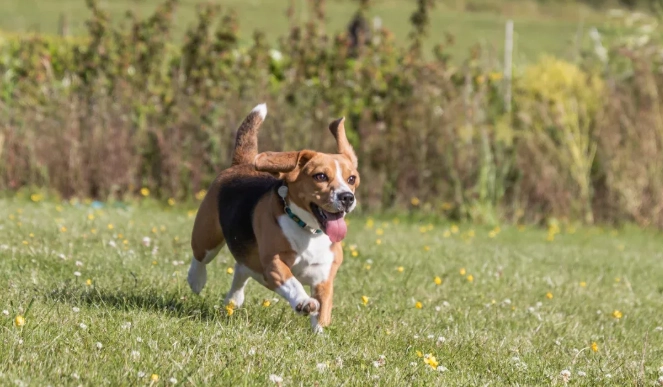

Active dogs need more than a short walk. Sometimes your dog still has energy after a long walk. A canine treadmill helps your dog use up extra energy in a safe way. Treadmill training is different from outdoor walks. You can set the speed and help your dog get stronger. It also helps your dog build endurance and muscle. Veterinary experts say a canine treadmill keeps your dog's gait straight. It also cuts down on distractions. This helps your dog focus and stay healthy. Always think about your dog's needs before new training. You should also talk to your vet first.
Key Takeaways
- Canine treadmills let active dogs use up extra energy safely. This is helpful when the weather is bad outside.
- Planned treadmill workouts help dogs get stronger and build endurance. These workouts also help dogs pay attention. This is very important for athletic dogs.
- Treadmill training lowers the chance of injuries. It gives dogs a safe place to exercise. This helps dogs stay healthy.
- Doing treadmill sessions often can help your dog's behavior. It can also help your dog learn to be calm at home.
- Always talk to your veterinarian before you start treadmill training. This makes sure it is safe for your dog's health needs.
Why Athletic Dogs Need More Than Walks
Conditioning vs. Casual Exercise
Many people think a walk is enough for their dog. Athletic dogs need more than just walks. Conditioning is much more than simple exercise. It helps your dog get stronger and builds stamina. It also helps your dog focus better. Structured workouts help your dog gain power and endurance. Conditioning makes bones stronger and helps dogs handle cold weather. It can even help your dog live longer.
Here’s how conditioning helps athletic dogs:
- Makes muscles stronger and firmer
- Builds up bone strength
- Helps dogs last longer on land and in water
- Makes dogs more alert and focused
- Lowers injury risk by balancing muscle use
- Builds a strong core for better results
You can try endurance, strength, or skills training. Endurance training means steady activity for at least 20 minutes. Strength training uses short, fast movements like sprinting or fetching. Skills training helps your dog learn things needed for their sport.
Challenges of Outdoor Workouts
Outdoor exercise sounds fun, but it can be hard. Bad weather can stop you from training your dog. Rain, snow, or heat can make it unsafe. Sometimes there is not enough daylight or a safe place to train. Busy days can also make it tough.
Some breeds need more than a walk outside. Border Collies, Belgian Malinois, German Shepherds, Dobermans, Australian Shepherds, Labrador Retrievers, and Siberian Huskies need special workouts. These dogs do best with routine and challenge. If you only use outdoor exercise, your dog may not get the conditioning they need to stay healthy and happy.
Tip: To help your dog do their best, add structured conditioning to their routine. A canine treadmill lets you train your dog no matter the weather or your schedule.
Canine Treadmill Benefits for Dogs
Cardiovascular Endurance
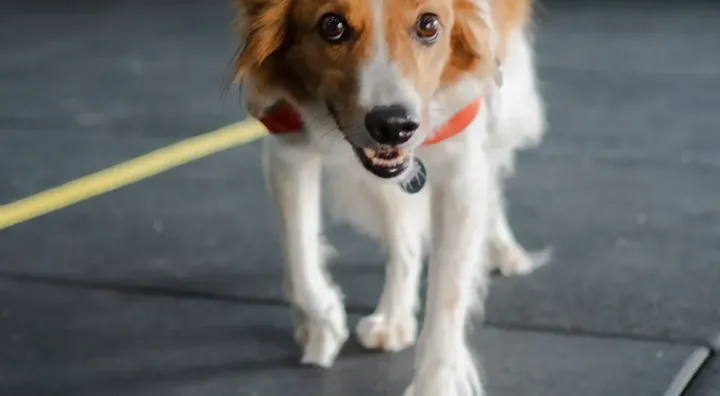
You want your dog to have a healthy heart and lungs. Treadmill exercise helps your dog build endurance in a safe way. You can pick the speed and keep your dog moving. Studies show that high-intensity interval workouts help dogs get better at using oxygen. This means your dog can play and run longer without getting tired. A treadmill routine helps your dog's heart and keeps them active for many years.
Muscle Strength and Conditioning
Strong muscles help your dog move well and avoid getting hurt. Treadmill exercise works important muscles like the legs, shoulders, and core. You can change the speed or add resistance to make it harder. This helps your dog build muscle and stay fit. Underwater treadmill sessions also help joints and muscles. Dogs who use treadmills often have better muscle tone and flexibility. Here is a quick look at how treadmill workouts help:
| Health Benefit | Description |
| Improved Muscle Tone | Regular treadmill exercise makes your dog's muscles stronger. |
| Increased Endurance | Helps your dog build stamina over time. |
| Stress Relief | Helps high-energy dogs feel less stressed. |
| Versatility in Exercise | Gives your dog exercise even when the weather is bad. |
| Substitute for Walks | Good for owners who cannot walk their dogs outside. |
Focus and Mental Discipline
Dogs need to use their minds, not just their bodies. Treadmill exercise teaches your dog to focus and listen to commands. Your dog learns to keep a steady pace and ignore things around them. This mental training helps with other types of training and daily life. When your dog pays attention on the treadmill, you will see better behavior at home and outside. Many owners see their dogs become calmer and more focused after treadmill sessions.
All-Weather Exercise
You cannot always take your dog outside to exercise. Bad weather, heat, or snow can make it unsafe. Treadmill exercise lets your dog stay active no matter the weather. You can train your dog indoors and never miss a workout. Here are some reasons treadmill workouts are good for all seasons:
- Treadmill workouts give your dog exercise when you cannot go outside.
- They help your dog stay fit and keep a healthy weight all year.
- You can watch your dog and make sure they feel safe.
Injury Prevention
Keeping your dog safe is very important. Treadmill training lets you control the speed and surface. This lowers the risk of injuries from rough ground or sharp turns. Dogs get a steady workout that builds strength without hurting their joints. Treadmill conditioning helps balance muscle use and keeps your dog moving straight. This lowers the chance of injuries and helps your dog recover faster after hard play. Using a treadmill helps your dog stay healthy and avoid common injuries.
Note: Treadmill exercise for dogs helps their health, behavior, and is easy for owners. You can use it for training, conditioning, or just to help your dog use up energy. Your dog will be healthier and better behaved with regular treadmill sessions.
Which Dogs Benefit Most
Not every dog needs the same workout. Some dogs love to run and play all day. Others like to relax on the couch. You want to know if your dog will benefit from a canine treadmill. Let’s look at the types of athlete dogs that get the most from treadmill training.
| Dog Type | Training Goal | How a Canine Treadmill Helps |
| Working Dogs | Endurance, Strength | Builds stamina and muscle for tough jobs |
| Performance Dogs | Speed, Agility, Focus | Supports skill drills and mental discipline |
| Agility & Sporting Dogs | Muscle, Injury Prevention | Offers safe, steady workouts for competition |
| High-Energy Family Dogs | Burn Energy, Weight Control | Gives a safe outlet for daily exercise |
Working and Performance Dogs
You might have a working dog like a police K9, search-and-rescue partner, or a service dog. These dogs need strong bodies and sharp minds. Treadmill training helps them build strength and speed. It also improves stamina for long days on the job. Underwater treadmill sessions can boost flexibility and help with recovery. Many trainers use treadmill workouts to keep working dogs ready for action. You will see better focus and more energy for important tasks.
Agility and Sporting Dogs
Agility and sporting dogs love to move fast and jump high. They need strong muscles and quick reflexes. Treadmill training gives them a safe way to practice speed and endurance. Cross-training on a treadmill helps prevent injuries. It also works muscles that regular sport drills might miss. You can use treadmill sessions to keep your dog in top shape for competitions. Your dog will stay healthy and ready to win.
High-Energy Family Dogs
Some dogs have endless energy. Breeds like Border Collies, Australian Shepherds, and Siberian Huskies need lots of exercise. A canine treadmill helps high-energy dogs burn off steam indoors. It also helps manage weight and keeps your dog from getting bored. Treadmill training gives your dog a fun way to stay fit, even when the weather is bad. You can use it for daily exercise or to help your dog recover from an injury.
Tip: If your dog loves to move and play, a treadmill can make training easier and more fun. You will see a happier, healthier dog with regular workouts.
Treadmill Exercise for Dogs: Sample Workouts
Ready to get your dog moving? A good treadmill routine helps dogs build strength and stay healthy. You can start slow and work up to more advanced training. Here’s how you can set up safe and fun workouts for your dog.
Beginner Plans
If your dog is new to treadmill training, start with short, easy sessions. Make sure the area is calm and the treadmill is stable. Give your dog space to step on and off safely. Here’s a quick setup guide:
| Setup Component | Description |
| Calm Environment | Place the treadmill in a quiet area to help your dog focus and feel secure. |
| Stability Check | Make sure the treadmill is on a flat, stable surface. |
| Clear Entry/Exit | Give your dog enough space to approach and step off safely. |
Begin with 1-3 minutes per session, once daily. Let your dog walk at a slow pace. Always watch for signs of stress. Praise your dog and offer treats to make training fun.
Intermediate Sessions
Once your dog feels comfortable, you can increase the time and add a little speed. Try 5-10 minutes per session, once or twice daily. Start with a gentle warm-up, then let your dog walk or trot. Give your dog a short rest after each session. This level helps dogs build endurance and confidence.
Advanced Intervals
For athletic dogs, advanced workouts keep things exciting. Mix walking and trotting. Try intervals—walk for a few minutes, then trot for a short burst. You can also add incline walking for 10 minutes to build strength. Aim for 15-30 minutes per session, three times a week. Watch your dog’s performance and adjust as needed.
Here’s a handy table for all levels:
| Level | Duration | Warm-up | Workout | Rest | Frequency |
| Beginner | 1-3 min | 1 min walk | Slow walk | 1 min | Once daily |
| Intermediate | 5-10 min | 2 min walk | Walk/trot | 2 min | 1-2 times daily |
| Advanced | 15-30 min | 3 min walk | Walk/trot/incline intervals | 3-5 min | 3 times per week |
Tip: Always keep training positive. Watch your dog for signs of tiredness. Adjust the treadmill routine to fit your dog’s needs.
Manual vs. Electric Canine Treadmill
Manual Treadmill Advantages
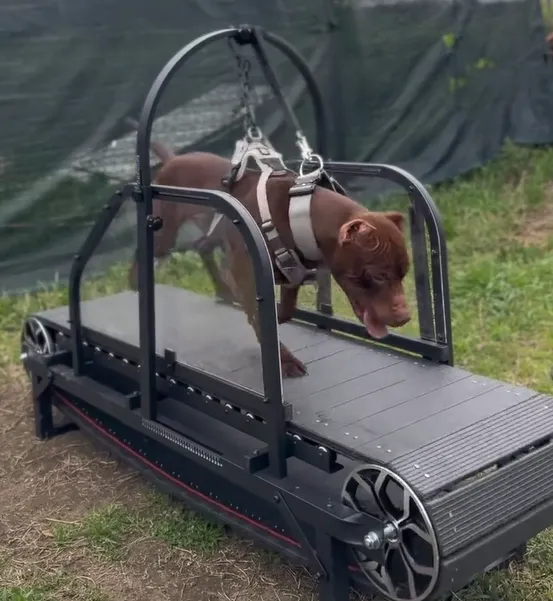
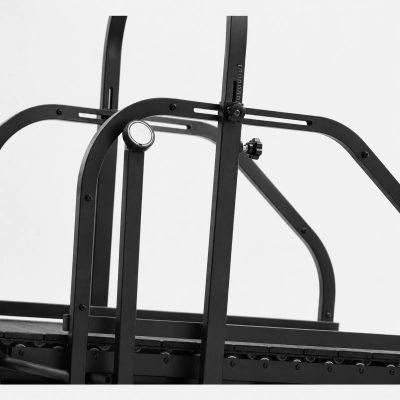
A manual treadmill is made just for dogs. Many trainers like these because the dog sets the speed. This lets your dog move in a way that feels normal. It also keeps your dog interested in the workout. You can watch your dog and change things if needed. Manual treadmills are quiet and simple to use. They do not have motors, so there are no loud sounds or sudden stops.
Check out these advantages of manual treadmills:
| Advantage | Description |
| Durability | Steel-reinforced ABS frame stands up to daily use by many dogs. |
| Adaptability | Adjustable incline fits different breeds and training levels. |
| User-centered design | Manual operation lets you and your dog work together and stay in sync. |
| Low maintenance | No electrical parts means less upkeep and no noise problems. |
| Safety | Smart materials lower injury risk during tough workouts. |
Manual treadmills help your dog walk in a natural way. Your dog learns to pay attention and feel more sure of themselves. You can use these treadmills for building strength, endurance, or conditioning.
Electric Treadmill Features
Electric treadmills have features that help keep dogs safe. You can pick the speed and let your dog walk or run. Many electric treadmills have side rails to guide your dog. Non-slip surfaces help stop slips and falls. The emergency stop button lets you stop the treadmill fast if your dog needs it. This keeps your dog safe during exercise.
- Side rails help your dog stay in the middle.
- Emergency stop button keeps your dog safe if they need to stop.
- Non-slip surfaces help your dog avoid slipping.
- Important safety features make electric treadmills good for exercise.
Both types of treadmills are useful. You can choose the one that works best for your dog and your training plans.
Underwater Treadmill and Advanced Options
Benefits for Athletic Dogs
You may wonder how a dog water treadmill helps your athletic dog. The underwater treadmill uses hydrotherapy for a special workout. Water holds up your dog's body, so joints do not hurt as much. Your dog can get a hard workout without getting hurt. Hydrotherapy exercises for dogs make muscles stronger and help with endurance. Warm water helps relax muscles and helps your dog heal. You can change the water level and speed for each session. This makes the hydrotherapy treadmill good for many different dogs.
Check out this table to see how underwater and regular treadmill workouts compare:
| Feature | Underwater Treadmill | Traditional Treadmill |
| Joint Impact | Reduced joint load due to buoyancy | Higher impact on joints |
| Muscle Resistance | Water resistance builds muscle effectively | Air resistance is less effective for muscle building |
| Gait Training | Reinforces normal walking pattern | Does not specifically train gait |
| Customization | Adjustable parameters for each session | Limited customization options |
| Rehabilitation Focus | Ideal for rehabilitation and conditioning | Primarily for general fitness |
| Environment | Warm water relaxes muscles and aids recovery | Dry environment may not provide muscle relaxation |
Hydrotherapy lets your dog work hard and stay safe. You can use dog water treadmill workouts for both exercise and therapy. Many canine aquatic centers have hydrotherapy treadmill sessions for athletic dogs. Water workouts help your dog heal faster after hard training or injury.
When to Use Underwater Treadmills
You should think about underwater treadmill therapy when your dog needs gentle exercise. Hydrotherapy is great for older dogs who want to stay active. It also works for dogs healing from surgery or injury. Hydrotherapy helps dogs with arthritis or joint pain. Warm water makes the workout feel good and helps your dog get better.
Here are some times when hydrotherapy helps most:
- Older dogs who need easy exercise
- Dogs healing from bone or back surgery
- Dogs with arthritis or sore joints
- Dogs who need stronger muscles without hurting their joints
Hydrotherapy treadmill sessions help your dog move and get stronger. You can use hydrotherapy for healing and getting better. Water workouts help your dog move easier and feel good. You get a safe workout that helps your dog heal and get fit.
Tip: If your dog needs extra help, hydrotherapy can really help. Ask your vet about underwater treadmill therapy for your dog's healing and fitness.
Training Scenarios for Athletic Dogs
Agility Dog Conditioning
Agility dogs love to move fast and think quickly. You want your dog to stay sharp and strong. Start each session with a gentle five-minute walk to warm up muscles. Then, use the dog treadmill for short bursts of speed. Try intervals—one minute of fast trotting, then one minute of walking. Repeat this five times. This routine builds speed and focus. End with a slow walk for three minutes to cool down. Agility treadmill workouts help your dog improve reach, movement, and body awareness. You will notice better attention and fewer injuries.
Working Dog Endurance
Working dogs need stamina for long days. Begin with a five-minute walk to get the blood flowing. Increase the treadmill speed to a steady trot for ten to fifteen minutes. This builds endurance and strengthens muscles and bones. Add a short incline if your treadmill allows. Inclines help with strength and joint health. Finish with a slow walk for five minutes. Regular treadmill sessions help your working dog stay fit, focused, and ready for any task.
Sporting and Hunting Dog Fitness
Sporting and hunting dogs need power and quick reactions. Warm up with a three-minute walk. Use the canine treadmill for intervals—two minutes of fast running, then two minutes of walking. Repeat this four times. You can add resistance or incline for extra muscle building. This routine boosts explosiveness and flexibility. Cool down with a gentle walk for three minutes. Treadmill training helps your dog stay lean, strong, and ready for field trials or hunting trips.
Search and Rescue Conditioning
Search and rescue dogs work in tough places. Start with a five-minute warm-up walk. Use the treadmill for steady trotting, about ten minutes. Add short sprints to build speed and focus. Try one-minute sprints, then two minutes of walking. Repeat three times. End with a slow walk for five minutes. These workouts improve endurance, mental stimulation, and reduce anxiety. Your dog will stay healthy and alert for every mission.
Tip: Always watch your dog during workouts. Adjust routines to fit your dog's needs and energy level.
Safe Treadmill Training for Dogs
Step-by-Step Introduction
Starting treadmill training with your dog can feel exciting. You want your dog to feel safe and happy every step of the way. Here’s a simple guide to help you introduce your dog to the treadmill:
- Let your dog sniff and explore the treadmill while it’s turned off. This helps your dog get comfortable with the new equipment.
- Use treats and praise to encourage your dog to step onto the treadmill. Keep the mood light and positive.
- Turn the treadmill on at the lowest speed. Stand beside your dog and offer gentle encouragement. Let your dog walk for a short time.
- Watch your dog’s comfort and safety. Check their breathing and body language. If your dog seems unsure, stop and try again later.
Never force your dog onto the treadmill. Always supervise your dog during exercise.
Tip: Take your time. Every dog learns at their own pace. Patience and kindness make training easier.
Positive Reinforcement
Dogs love rewards. When you use treats, toys, or praise, your dog will enjoy treadmill training more. Give your dog a treat when they step onto the treadmill or walk calmly. Use a happy voice and gentle petting. This helps your dog connect exercise with good feelings. Over time, your dog will look forward to each session.
Signs of Stress or Discomfort
You need to watch your dog closely during every session. Look for these signs:
- Heavy or fast breathing
- Changes in your dog’s face or mood
- Excessive panting
- Signs of soreness or pain
- Limping or slowing down
If you see any of these, stop the session right away. Your dog’s safety comes first.
Common Mistakes to Avoid
Many owners make the same mistakes when starting treadmill training. Here are a few to watch out for:
- Leaving your dog alone on the treadmill
- Pushing your dog to go too fast or too long
- Skipping warm-ups or cool-downs
- Not checking for signs of stress
Regularly exercising your dog on a treadmill should always feel safe and fun. With patience and the right approach, you help your dog build confidence and enjoy every workout.
Canine Treadmill Workouts vs. Outdoor Exercise
Complementary Roles
You might wonder if treadmill workouts can replace outdoor adventures. The truth is, both play important roles in your dog's routine. Outdoor exercise gives your dog fresh air, new smells, and a chance to explore. It helps your dog stay social and curious. Treadmill workouts offer something different. You get a controlled environment where you can adjust the speed and length of each session. This helps you match the workout to your dog's fitness level.
Veterinary experts say treadmill workouts are great for urban dogs or those who do not have safe places to run outside. You can use the treadmill when the weather is bad or when you cannot leave home. Consistent movement on a treadmill supports your dog's mental well-being. It can help reduce anxiety and stop destructive behaviors. You do not have to choose one over the other. Instead, you can use both to keep your dog happy and healthy.
- Treadmill workouts provide a controlled environment for exercise.
- They work well for dogs with limited access to safe outdoor spaces.
- Consistent treadmill movement supports mental health and reduces anxiety.
When to Use Each Option
You need to decide when to use treadmill workouts and when to go outside. Look at the weather first. Extreme heat or cold can make outdoor exercise unsafe. Indoor options like a treadmill keep your dog active when the weather is not good. Think about your dog's breed, age, and health. Some breeds need more exercise, while older dogs may prefer gentle indoor sessions.
Your dog's personality matters too. Some dogs love outdoor adventures for sensory fun. Others feel more comfortable with indoor workouts. You can mix both types to fit your dog's needs. If your dog enjoys exploring, take them outside when you can. If your dog feels anxious or the weather is bad, use the treadmill for a safe workout.
- Consider weather conditions for safety.
- Assess your dog's breed, age, and health status.
- Evaluate your dog's personality and preferences.
Tip: You do not have to pick just one. Use treadmill workouts to supplement outdoor exercise. This way, your dog gets the best of both worlds.
Consult Your Veterinarian
Health Checks Before Training
Before you start any new exercise routine with your dog, you need to talk to your veterinarian. Your vet knows your dog's health history and can spot problems you might miss. Some dogs have hidden issues that make certain workouts unsafe. You want your dog to feel good and stay safe during every session.
Here are a few things you should check with your vet:
- Ask for a full health check or get cleared by a K9 physiotherapist or rehab specialist.
- Share any strange signs or behaviors you notice in your dog.
- Request your vet to explain any recommended tests or screenings.
Your vet can help you decide if your dog is ready for treadmill exercise. If your dog has joint pain, heart issues, or other health concerns, your vet will guide you on the best steps. You want to start strong and avoid injuries.
Note: Always listen to your vet's advice. They want your dog to stay healthy and enjoy every workout.
Customizing Workouts
Every dog is different. Your vet can help you build a workout plan that fits your dog's needs. Some dogs need gentle exercise, while others can handle more intense routines. Your vet will look at your dog's age, breed, and fitness level. They might suggest shorter sessions or special warm-ups.
You can ask your vet about the best way to use a treadmill for your dog. They may recommend certain speeds or inclines. If your dog has special needs, your vet can help you adjust the plan. You want your dog to feel comfortable and happy during exercise.
- Make changes based on your dog's health and energy.
- Use your vet's advice to keep workouts safe and fun.
- Check in with your vet if you notice any problems.
Tip: Regular checkups help you catch issues early. Your vet is your partner in keeping your dog fit and strong.
A canine treadmill gives your active dog a safe way to build strength, focus, and endurance. You still need outdoor walks and play, but treadmill workouts help fill in the gaps. Your dog can stay fit all year, no matter the weather. Want to boost your dog’s fitness? Check out non-electric canine treadmills and see how easy indoor training can be!
FAQ
Is a canine treadmill good for working dogs?
Yes! You can use a canine treadmill to keep your working dog fit and focused. It helps build endurance and strength. You get a safe, controlled workout every time.
Can agility dogs use a treadmill?
Absolutely. Agility dogs love treadmill sessions. You can set up intervals for speed and stamina. Treadmill training helps your dog stay sharp for competitions.
How long should athletic dogs run on a treadmill?
Most athletic dogs do well with 15–30 minutes per session. Start slow and watch your dog’s energy. You can adjust the time as your dog gets stronger.
Is a manual treadmill better than an electric treadmill?
Many trainers prefer manual treadmills. Your dog controls the pace. This feels more natural and keeps your dog engaged. Manual treadmills also run quietly and need less maintenance.
Can puppies use a canine treadmill?
You should wait until your puppy’s bones finish growing. Ask your vet before starting treadmill training. Puppies need gentle exercise and lots of supervision.
Blog comments
0 Comments