
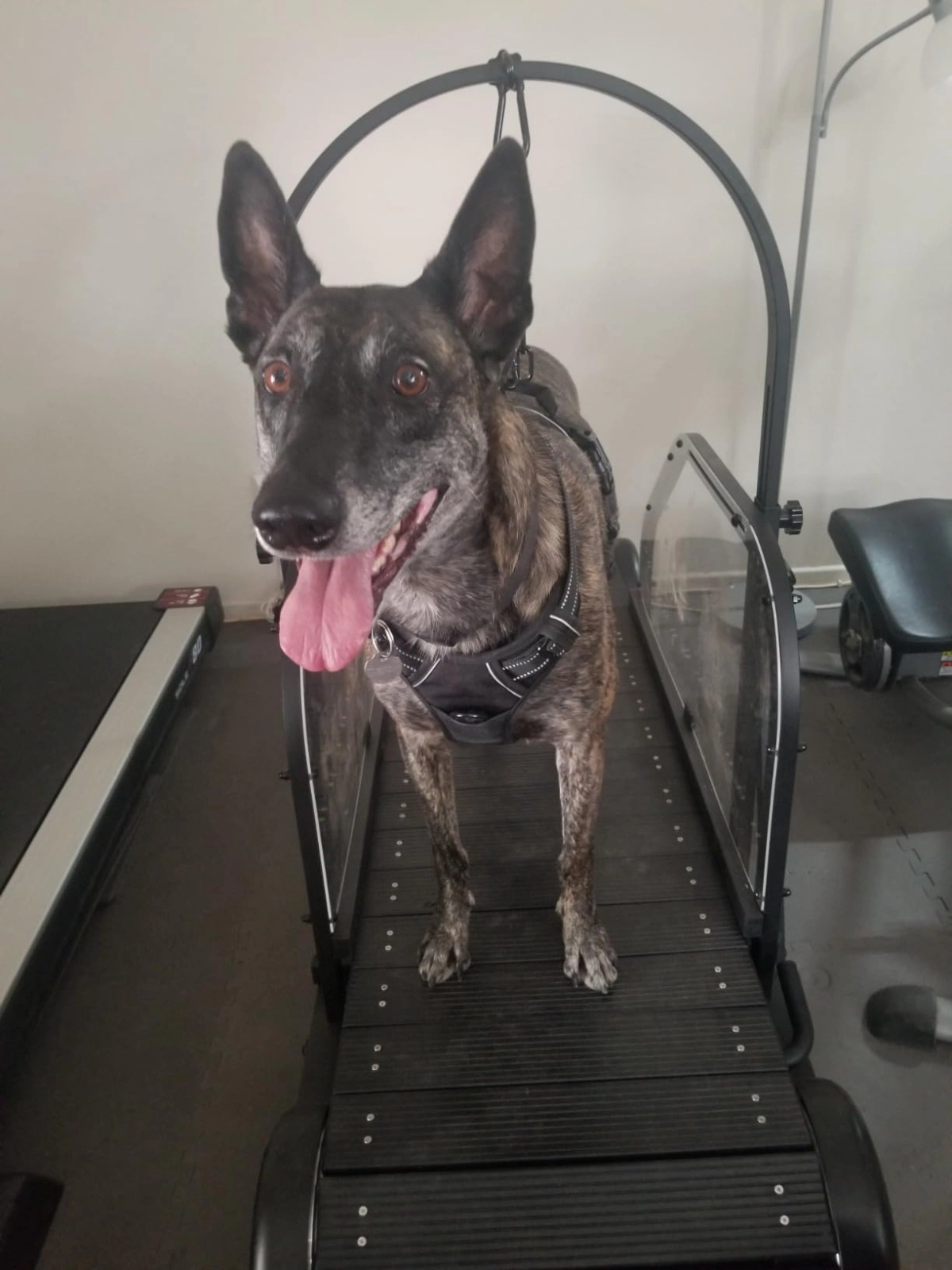
Dog treadmills, like the Ronzeil Treadmill, are becoming increasingly popular among pet owners. Many of you face challenges such as bad weather, busy schedules, and limited living spaces. These factors can make it difficult to provide your dog with the exercise they require. Consider this: dog treadmills enable your pets to remain active, even if they have health issues. They also alleviate the guilt of not being able to take your dog for long walks outdoors.
In fact, the dog treadmill market is expanding rapidly, with North America leading the way due to the high number of pet owners who prioritize their pets' health. With the right treadmill, such as the Ronzeil Treadmill, you can effectively manage your dog's energy levels and ensure they stay healthy, regardless of the circumstances.
- Key Takeaways
Pick a treadmill that matches your dog's size and weight. This helps them feel comfortable and safe while exercising. - Know your dog's breed and energy level. This helps you choose a treadmill that fits their exercise needs.
- Think about your dog's age and health when picking a treadmill. Puppies and older dogs have special needs.
- Search for important safety features like side rails and emergency stops. These keep your dog safe on the treadmill.
- Set up a regular exercise routine with short sessions. Slowly increase the time as your dog gets used to it.
Dog Size
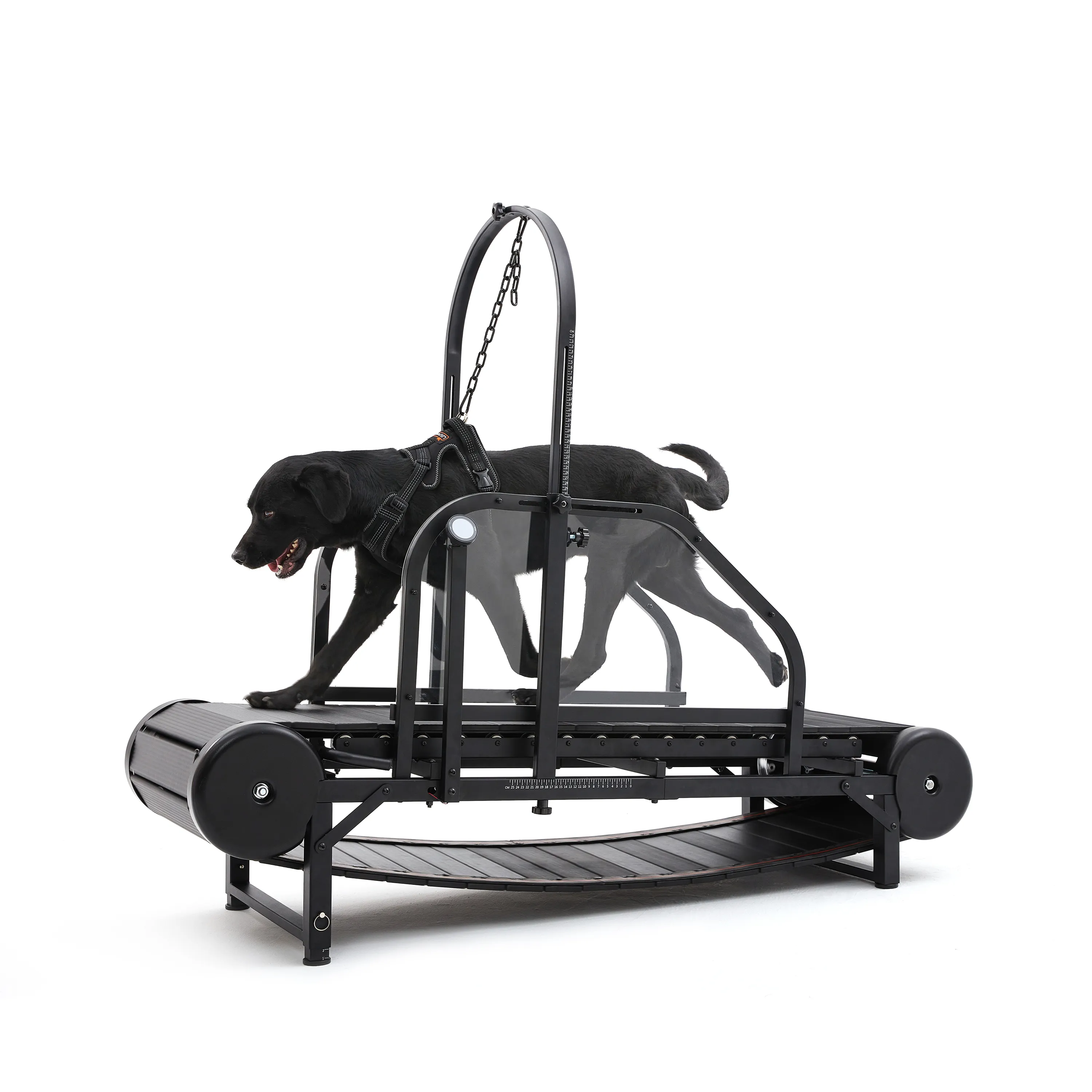
When you pick a dog running treadmill, size is important! You need to make sure the treadmill fits your dog's size and weight. A treadmill that is too small can cause pain or injury. A treadmill that is too big may not keep your dog safe. Here’s what to think about for small, medium, and large dogs.
Small Breeds
For small dogs, like Chihuahuas or Dachshunds, choose a treadmill with a shorter and narrower belt. This helps them run comfortably without feeling scared in a big space. Here are some tips:
- The treadmill should be at least 2.5 times your dog’s length from nose to tail.
- Make sure the belt length fits your dog’s stride well.
- Look for models that can hold your breed's weight.
A small treadmill made for little dogs will help your pet feel safe while exercising.
Medium Breeds
Medium dogs, like Beagles or Cocker Spaniels, need a treadmill with more space. They need a mix of comfort and room to move. Think about these things:
- Pick a treadmill with a belt that lets them run naturally.
- Check that the weight limit is good for your dog's weight.
- Bigger models usually have longer belts for larger paws.
A doggy treadmill that fits these needs will help your medium dog stay active and healthy, even when the weather is bad.
Large Breeds
For large dogs, like Golden Retrievers or German Shepherds, you need a treadmill with plenty of space. These breeds need more room to run comfortably. Here’s what to remember:
- Choose a treadmill with a longer belt for their stride.
- Make sure the dog treadmills can support your dog's weight.
- Look for features that improve safety and stability, especially for big dogs.
Buying the right treadmill for large dogs will help them exercise safely and comfortably.
By thinking about your dog's size and weight, you can choose the right treadmill. This will help keep your pet healthy and happy, no matter the weather!
Breed & Energy Level
When you pick a dog treadmill, knowing your dog's breed and energy level is very important. Different breeds have different exercise needs. Understanding these needs helps you choose the right treadmill for your dog.
High-Energy Breeds
High-energy breeds, like Border Collies and Labrador Retrievers, need a lot of exercise. These dogs love to be active and need about 60 to 120 minutes of hard exercise each day. If you live in a city or have bad weather, a dog treadmill can really help. Here are some important things to think about for high-energy breeds:
- Size and Weight Capacity: Make sure the treadmill has a running area at least 2.5 times your dog's length and can hold their weight.
- Motorized vs. Non-Motorized: Motorized treadmills let you change speeds, which is good for high-energy dogs. Non-motorized ones let dogs run at their own speed.
- Safety Features: Look for side rails and emergency stop buttons to keep them safe.
- Noise Level: Quieter motors help reduce stress for dogs that don’t like loud sounds.
- Incline and Speed: Adjustable inclines and speeds (0.5–10 mph) allow for different workouts.
High-energy dogs often need fun ways to exercise, especially in small spaces. A treadmill can give them the regular workout they need to stay happy and healthy.
Low-Energy Breeds
On the other hand, low-energy breeds, like Bulldogs and French Bulldogs, usually need much less exercise. These dogs only need about 15 to 30 minutes of gentle walking each day. They are often good for apartment living since they don’t need a lot of space to run. Here are some things to think about for low-energy breeds:
- Gentle Workouts: A treadmill with lower speed settings is best for these breeds. They do better with short, easy sessions instead of long, hard workouts.
- Comfort Features: Look for treadmills with soft surfaces to protect their joints while they exercise.
- Compact Design: A smaller treadmill can fit easily in your home, making it easy for quick workouts.
Low-energy breeds may not need much exercise, but they still need regular activity. A dog treadmill can help keep them healthy and stop them from getting overweight, especially if outdoor walks are hard to do.
By knowing what your dog's breed needs for exercise, you can choose a treadmill that works for them. Whether you have a high-energy dog or a relaxed buddy, the right treadmill can help keep them active and healthy.
Age & Health
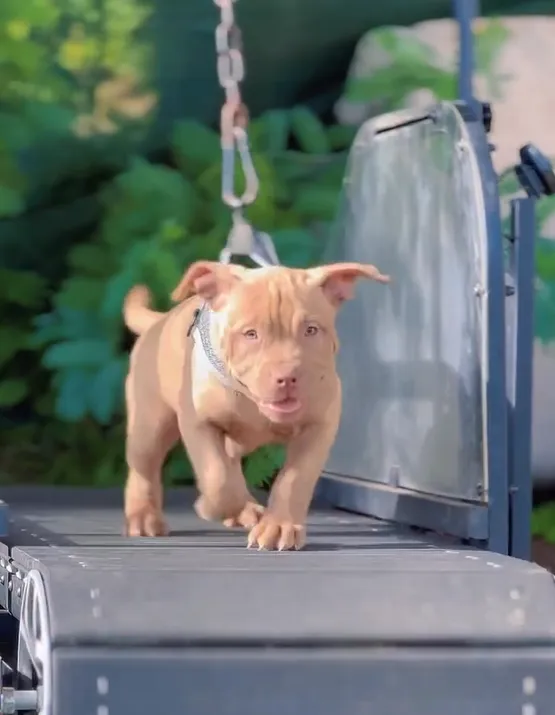
When you pick a treadmill for your dog, age and health are very important. Puppies and older dogs have special needs that you should think about to keep them safe and healthy.
Puppies
Puppies are still growing, so be careful when using a treadmill. Here are some key points to remember:
- Age Matters: Don’t use a treadmill for puppies under 6–8 months. This helps protect their growing joints.
- Individual Needs: Think about what your puppy needs. Each puppy is unique, and their exercise needs can be different.
- Gradual Introduction: Start slowly. Let your puppy check out the treadmill while it’s off. This helps them feel comfortable.
- Supervision is Key: Always watch your puppy when they use the treadmill. This keeps them safe and lets you help if needed.
By following these tips, you can help your puppy enjoy exercise without hurting their health.
Senior Dogs
Older dogs often have different challenges. As they get older, they may have less energy and joint problems. Here’s what to remember:
- Safety First: Look for doggie treadmill with safety features like rails and emergency stop buttons. Always supervise your dog while they use it.
- Size Matters: Choose a treadmill that fits your senior dog's size and breed. Make sure it meets their exercise needs without tiring them out too much.
- Gentle Training: Introduce the treadmill slowly. Let your dog explore it when it’s off, and reward them for good behavior. This helps build their confidence.
A study shows that older dogs can get tired more easily after exercise. This means you should change their workout routines to keep them comfortable and safe.
By thinking about your dog's age and health, you can choose a treadmill that helps them stay well. Whether you have a playful puppy or a wise senior, the right treadmill can really help their exercise routine.
Temperament & Training
Your dog's temperament is very important when using a treadmill. Knowing if your dog is nervous or curious can help make training better.
Nervous Dogs
If your dog gets anxious, be careful during treadmill training. Here are some tips to help your nervous dog feel safe:
- Start with the treadmill off. Let your dog check it out slowly. Use treats to make it a good experience.
- Spend at least two weeks getting your dog used to the treadmill. Reward any interaction, even small ones.
- Introduce movement slowly. Use distractions like a lick mat to help ease their anxiety at first.
These techniques can help your dog feel more relaxed and lower their stress.
| Training Technique | Description | Outcome |
| Low-Stress Handling | Helps dogs get used to the treadmill area | Stops fear and lowers stress |
| Food Rewards | Give treats every 15 seconds to keep dogs motivated | Keeps them interested and motivated |
| Toy Rewards | Works well for dogs who don’t care much about food | Needs training for impulse control |
Curious Dogs
Curious dogs usually get excited about new things. You can use their curiosity to help them learn about the treadmill. Here’s how to do it step by step:
- Teach your dog to put one foot on the treadmill.
- Slowly increase to two, three, and then four feet on the treadmill.
- Make sure your dog is okay stepping onto the treadmill before moving on.
- Once they are comfortable, let them practice walking on the treadmill when it’s off.
- After they are used to the still treadmill, show them the motor and moving belt.
By following these steps, your curious dog can become a treadmill expert quickly!
Types of Dog Treadmills
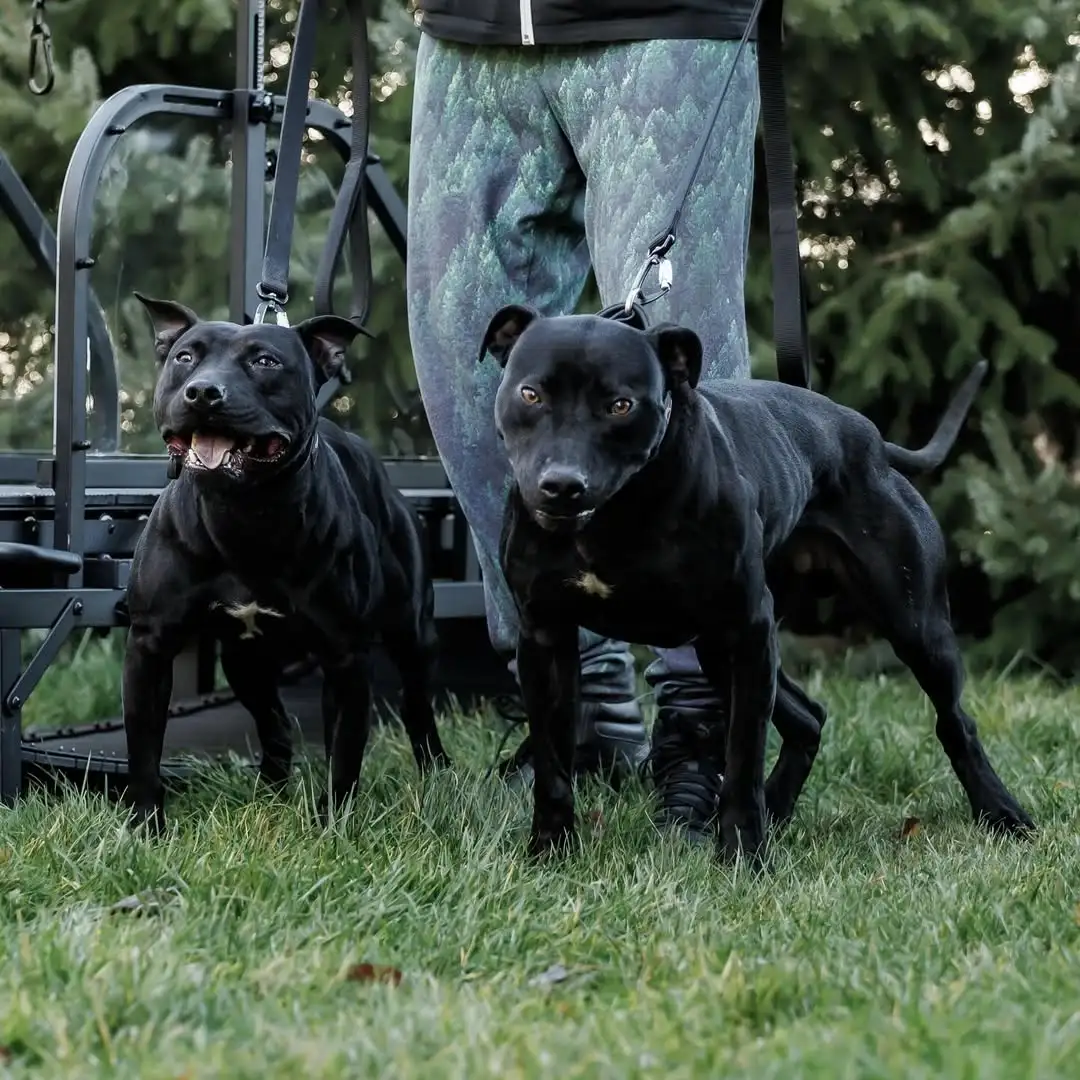
When you think about dog treadmills, there are two main types: manual and electric. Each type has its own good and bad points. Let’s look at them.
Manual Treadmills
Manual treadmills are a good choice if you want your dog to control their workout. Here are some good and bad points:
Pros:
- Cost-Effective: Manual treadmills usually cost less than electric ones.
- Control Over Pace: Your dog can pick their speed, making it feel more natural.
- Safety Features: They stop right away when your dog steps off, which lowers injury risk.
Cons:
- Owner Involvement: You need to help your dog with their workout. This means making sure they warm up and cool down.
- Potential Overstimulation: Some dogs might get too excited, which can cause anxiety before and after exercise.
“Manual treadmills don’t just condition the body—they retrain the nervous system’s relationship with effort and control. That’s irreplaceable in anxious or reactive dogs.” — Dr. Elena Ruiz, Board-Certified Veterinary Sports Medicine & Rehabilitation, University of Tennessee College of Veterinary Medicine
Electric Treadmills
Electric treadmills give a different experience. You can set speeds and inclines, making them good for different workouts. Here’s what you should know:
Pros:
- Automatic Speed Control: You can easily change the speed, which is great for interval training.
- Consistent Motion: Electric treadmills have a smooth surface, helping your dog stay focused.
- Safety Features: Many have safety features like emergency stop buttons.
Cons:
- Higher Price Tag: Electric models usually cost more.
- Maintenance Required: You need to check the motor and other parts to keep them working well.
| Factor | Manual Treadmill | Motorized Treadmill |
| Safety Profile | Low risk of getting stuck | Higher risk of getting stuck |
| Joint Impact | Encourages natural weight-shifting | Steady, low-impact movement |
| Noise & Stress | Runs quietly | Average noise level |
Choosing between a manual and electric treadmill depends on what your dog needs and your lifestyle. Both types can help keep your furry friend active and healthy!
Key Features to Consider
When you choose a dog treadmill, several key features can make a big difference in your dog's exercise experience. Let's break down the most important ones.
Running Surface Size
The running surface size is crucial for your dog's comfort and safety. A treadmill that fits your dog's size and weight will help them run naturally. Here’s a quick guide:
| Dog Size Category | Recommended Weight Limit | Minimum Length | Minimum Width |
| Small Dogs | Up to 30 lbs | N/A | N/A |
| Medium Dogs | Up to 60 lbs | N/A | N/A |
| Large Dogs | Up to 150 lbs | 60 inches | 24 inches |
| Extra Large Dogs | Up to 225 lbs | 60 inches | 24 inches |
Make sure the treadmill is at least 2.5 times the length of your dog. This ensures they have enough space to move comfortably.
Weight Capacity
Weight capacity is another vital factor. You want a treadmill that can safely support your dog’s weight. Most dog treadmills accommodate dogs weighing from 1 lb to 179 lbs. For larger breeds, look for models that can handle up to 200 lbs. Always check the specifications to ensure it meets your dog's needs.
- Ensure the treadmill supports at least 150 lbs for larger breeds.
- Look for options that offer a bit of extra capacity for safety.
Safety Features
Safety features are non-negotiable when it comes to dog treadmills. You want to keep your furry friend secure while they exercise. Here are some essential safety features to look for:
- Side Rails: These help prevent your dog from stepping off the treadmill while in motion.
- Emergency Stop Mechanism: This feature allows you to halt the treadmill instantly if needed.
- Non-Slip Surfaces: These surfaces help prevent slips and falls during workouts.
Choosing a treadmill with these safety features will give you peace of mind while your dog enjoys their exercise routine.
By considering these key features—running surface size, weight capacity, and safety—you can find the perfect treadmill for your dog. This will help keep them active and healthy!
Usage Scenarios
Apartment Living
Living in an apartment can make it hard to exercise your dog. A dog treadmill can really help. You need one that is small and quiet, so your neighbors won’t complain. A manual dog treadmill is a great choice. It’s compact and doesn’t use electricity, so it’s very quiet—my neighbors don’t hear anything. This makes it easier to keep your dog active without needing much space.
High-Energy Dogs
High-energy dogs need a lot of exercise to stay happy and healthy. If you have a breed like a Border Collie or a Labrador Retriever, look for a treadmill with adjustable speeds. This way, you can match their energy levels. Here are some features to consider:
- Size and Weight Capacity: Make sure the treadmill can hold your dog's weight and has enough room for them to run comfortably.
- Safety Features: Check for side rails and emergency stop buttons to keep your dog safe while they exercise.
- Noise Level: A quieter treadmill helps calm dogs that might be scared of loud noises.
Senior Dogs
Older dogs have different exercise needs. You want to make sure their treadmill is safe and comfy. Here are some features that help senior dogs:
- Adjustable speed settings
- Non-slip surfaces
- Strong safety enclosures
| Feature | Benefit for Senior Dogs |
| Adjustable Speed | Lets you change the speed to match the dog's comfort. |
| Non-Slip Surfaces | Stops slipping, keeping them safe while exercising. |
| Strong Safety Enclosures | Keeps the dog from falling off the treadmill. |
| Size and Weight Capacity | Makes sure the treadmill fits the dog's size safely. |
By thinking about where you live and your dog's needs, you can find the right treadmill to keep them active and healthy!
Common Mistakes
Choosing the right dog treadmill can be tricky, and many pet owners make common mistakes. Let’s dive into two major areas where you might go wrong: price versus size and noise issues.
Price vs. Size
When shopping for a treadmill, it’s easy to get caught up in the price. You might think that a higher price means better quality. However, if the treadmill is too small for your dog, it won’t matter how much you spend. Here are some key points to consider:
- Weight Limits: Make sure the treadmill can support your dog's weight. For example, small dog treadmills usually hold up to 30 lbs, while large ones can handle up to 150 lbs.
- Size Matters: A treadmill that’s too small can lead to injuries. Always check the dimensions to ensure it fits your dog comfortably.
| Dog Size Category | Weight Limit |
| Small Dog Treadmill | Up to 30 lbs |
| Medium Dog Treadmill | Up to 60 lbs |
| Large Dog Treadmill | Up to 150 lbs |
| Extra Large Pro Dog Treadmill | Up to 225 lbs |
Investing in a treadmill that suits your dog's size will save you money in the long run.
Noise Issues
Noise can be a significant factor when choosing a treadmill. Some dogs are sensitive to sounds, and a noisy treadmill can create stress. Here’s what you should know:
- Treadmill Type: Foldable dog treadmills can be quite loud, reaching noise levels of 68–74 dB, similar to a vacuum cleaner. This can disturb both your dog and your neighbors.
- Quiet Options: On the other hand, treadmill ramps produce minimal noise (2–4 dB), making them a better choice for anxious dogs.
Choosing a quieter treadmill can help your dog feel more comfortable and encourage them to use it regularly.
By avoiding these common mistakes, you can find the perfect treadmill for your dog. Remember, it’s not just about the price; it’s about ensuring your furry friend has a safe and enjoyable exercise experience!
Training Your Dog
Getting your dog used to a treadmill can be fun! You want your furry friend to feel safe and happy during this new experience. Here are some easy steps to help you start:
Initial Steps
- Familiarize Your Dog: Let your dog sniff and look at the treadmill while it’s off. This helps them get used to it without any stress.
- Start Slow: When your dog seems okay, turn on the treadmill at the lowest speed. Let them walk at their own pace. This slow start helps them feel more confident.
- Use a Leash and Harness: Always use a leash and harness to keep your dog safe on the treadmill. This keeps them secure and gives you better control.
- Keep Sessions Short: Start with short training times of about 5–10 minutes. Slowly increase the time as your dog gets used to the treadmill.
- Encourage and Reward: During the session, give praise or treats to encourage your dog. Positive reinforcement makes it fun and helps them think of the treadmill as a good thing.
By following these steps, you can make the treadmill experience positive for your dog.
Frequency Recommendations
Once your dog is comfortable on the treadmill, set up a regular exercise routine. Here’s a helpful table for how long and how often different types of dogs should exercise:
| Dog Type | Initial Duration | Gradual Increase Duration |
| Puppies and Small Breeds | 5-10 minutes | 15-20 minutes |
| Medium to Large Breeds | 10-15 minutes | 30 minutes or more |
| Senior Dogs or Health Issues | 5-10 minutes | Consult veterinarian |
| High-Energy Breeds | Monitor for fatigue | Longer sessions possible |
Having a routine helps make sure your dog gets the exercise they need. Change the time based on your dog’s energy and health. Always watch for signs of tiredness, especially at first.
With these tips, you can help your dog enjoy their treadmill workouts while keeping them healthy and active!
Choosing the right dog treadmill is all about your furry friend's needs. Remember, size, breed, age, and health all play a big role in your decision. Don't just focus on the price tag! A treadmill that fits your dog's unique requirements will keep them happy and healthy.
Explore the options available to you. 🐾 Find the perfect treadmill that suits your dog's lifestyle, and watch them thrive!
FAQ
Are dog treadmills safe?
Yes, dog treadmills are safe when used correctly. Always supervise your dog during workouts and choose a treadmill with safety features like side rails and emergency stops.
How often should my dog use a treadmill?
You can start with short sessions, about 5-10 minutes, and gradually increase the duration. Aim for 20-30 minutes a few times a week, depending on your dog's energy level and health.
Can puppies use a dog treadmill?
Puppies should avoid treadmills until they are at least 6-8 months old. Their joints are still developing, so focus on gentle play and outdoor walks instead.
How long should a dog walk on a treadmill?
Most dogs can walk for 15-30 minutes on a treadmill, depending on their age and fitness level. Always monitor your dog for signs of fatigue.
What features should I look for in a dog treadmill?
Look for a treadmill with a suitable running surface size, weight capacity, safety features, and adjustable speed settings. These features ensure a comfortable and safe workout for your dog.


Blog comments
0 Comments