

Many dog owners ask if their dogs need multivitamins. This is especially true when they eat store-bought dog food. The truth is, some dog foods have enough nutrients, but not all do. In fact, many dog owners worry about how complete these diets are. Knowing your dog's specific needs will help you choose what is best for their health.
Key Takeaways
- Pick dog food that says 'complete and balanced.' This helps your dog get all the nutrients they need.
- Think about your dog's age, health, and diet. This will help you decide if they need extra dog vitamins or supplements.
- Talk to your veterinarian before adding any vitamins. This can help avoid health risks for your dog.
Dog Food Nutrition
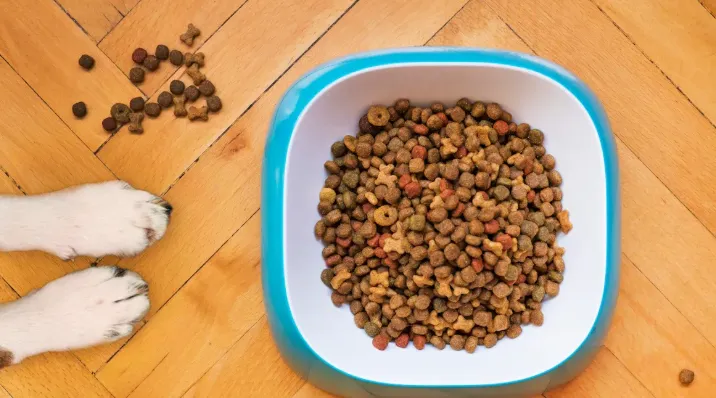
Complete and Balanced Diet
When you pick commercial dog food, make sure it gives a complete and balanced diet for your dog. Groups like AAFCO explain what this means. Dog food is complete if it has all needed nutrients like proteins, vitamins, and minerals. It is balanced when these nutrients match the right amounts for the calories in the food.
AAFCO splits dog food nutrient needs into two main life stages: Adult Maintenance and Growth and Reproduction. This is important because puppies need different nutrition than adult dogs. For example, puppies need certain calcium-to-phosphorus ratios for healthy bone growth.
Pet food makers can say their food is complete and balanced in two ways: Laboratory Analysis and Feeding Trials. Laboratory Analysis is used more often, but Feeding Trials give a better check of the food’s nutrition.
Nutritional Loss from Processing
Even though commercial dog food tries to meet your dog’s nutritional needs, making the food can cause nutrient loss. Heat, moisture, and time during processing can break down important vitamins and minerals. For example, vitamin A can lose much of its strength during milling and extrusion.
Here are some vitamins and minerals that may be lost during processing:
- Vitamin A: Very sensitive to heat and can lose a lot of its power.
- Vitamin C: Also breaks down with heat and moisture.
- Fat-soluble vitamins (A, D, E, K): These often lose a lot during extrusion.
| Mineral | Deficiency Rate | Health Risks |
| Selenium | 4% - 48.5% | Can cause muscle problems, kidney issues, trouble reproducing, and less appetite. |
| Zinc | Below minimum | Can cause hair color loss, skin problems, hair loss, eye inflammation, and vomiting. |
| Copper | Below minimum | Can lead to poor reproduction and other health problems. |
To make up for these losses, many companies add vitamins and minerals to their dog foods. This helps make sure your dog gets the nutrients it needs, even if some are lost during processing. Still, it’s important to pick good brands that follow strict rules to keep the food nutritious.
The Role of Vitamins in Dog Health

When Are Vitamins Needed?
Vitamins are very important for your dog's health. They help with many body functions like the immune system, digestion, and nervous system. Here are some important points about when your dog might need more vitamins:
- Age and Life Stage: Puppies, adult dogs, and older dogs need different nutrients. For example, older dogs might need extra vitamins for their joints and energy.
- Health Conditions: If your dog has health problems, like inflammation or digestion issues, they might need more vitamins. These problems can stop them from absorbing nutrients well, so extra vitamins can help.
- Dietary Deficiencies: Some dog foods might not have all the vitamins and minerals your dog needs. If you make your dog's food at home or use a different type of dog food, think about adding vitamin and mineral supplements to help them get enough nutrition.
Veterinarians often suggest giving extra vitamins to dogs in certain situations. For instance, older dogs with joint issues or dogs recovering from sickness may need more vitamins to stay healthy.
| Vitamin/Mineral | Role in Health | Deficiency Effects |
| Omega-3 Fatty Acids | Reduces inflammation, supports brain function, maintains healthy coat | Dull fur, skin lesions, cognitive issues |
| B-complex Vitamins | Supports energy levels, immune function, and coat quality | Fatigue, poor coat quality, decreased immune function |
| Vitamin D | Crucial for calcium absorption and bone health | Rickets, osteoporosis |
Risks of Over-Supplementation
Even though vitamins are important for your dog's health, giving too many can cause serious problems. Here are some risks of giving your dog too many vitamins:
- Too many vitamins and minerals can cause health issues, especially if your dog eats a balanced diet.
- Too much calcium can cause bone problems in large puppies.
Giving too much vitamin A can lead to dehydration, joint pain, and blood vessel damage. - High amounts of vitamin D can cause kidney failure and could be deadly.
Signs of too many vitamins can include stomach upset, like vomiting and diarrhea. Allergic reactions can also happen unexpectedly. Always talk to your veterinarian before adding new canine supplements to your dog's diet. It's important to watch your dog for any bad reactions after starting new vitamins.
Expert Opinions on Dog Vitamins
To sum up, most dogs eating good dog food get enough nutrients. Around 60% of store-bought dog foods have all the vitamins dogs need. But each dog is different because of age, breed, and health. Always ask your vet before giving dog supplements. They can guide you to choose what is best for your dog’s health.
FAQ
Do all dogs need multivitamins?
Not every dog needs multivitamins. Most dogs that eat good dog food get enough nutrients.
Can I give my dog human vitamins?
Do not give human vitamins to dogs. They may have harmful ingredients or wrong amounts for your pet.
How can I tell if my dog needs vitamins?
Watch for signs like low energy, bad coat quality, or health problems. Talk to your veterinarian for advice.




Blog comments
0 Comments