
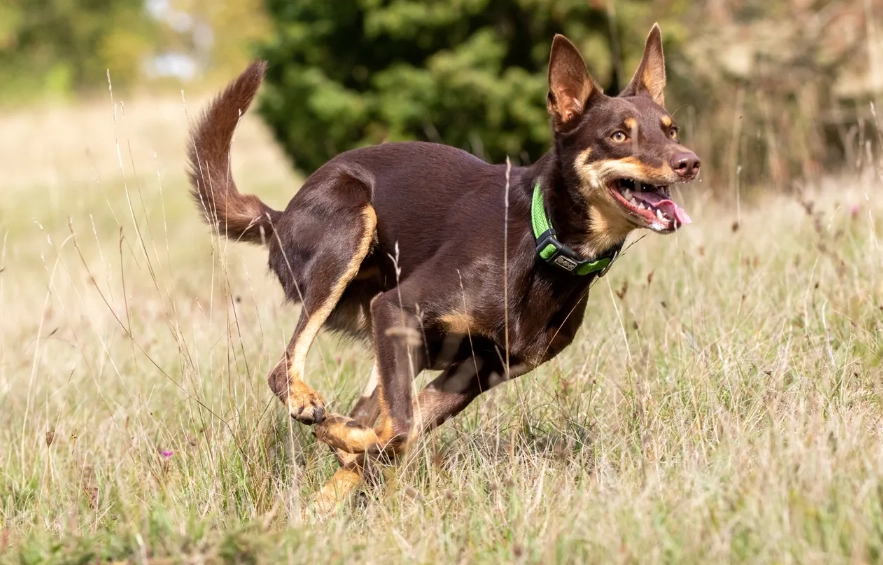
Indoor exercise is very important for your dogs. This is especially true when the weather is bad. A dog treadmill can be a great way to keep your dog active and happy. With a treadmill, your dog can get the exercise it needs, even inside. Always remember that safety is important! Keep an eye on your dog while it exercises. This way, you can make sure it stays safe and comfortable on the treadmill.
Key Takeaways
- Dog treadmills are a safe way for your pet to exercise inside, especially when the weather is bad.
- Pick the right treadmill by thinking about size, speed, and safety features that match your dog's needs.
- Begin treadmill sessions slowly and increase time and speed little by little to help your dog get used to it.
- Always watch your dog while they use the treadmill to keep them safe and healthy.
- Combine treadmill workouts with outdoor activities for a balanced exercise plan that helps your dog's health.
What Is a Dog Treadmill
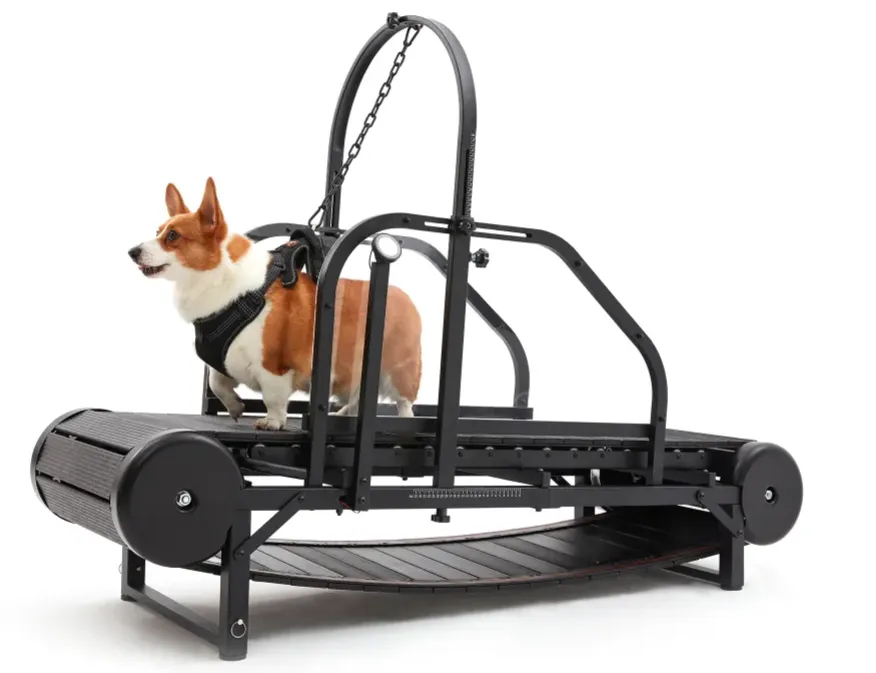
A dog treadmill is a special exercise machine made for your pet. Unlike treadmills for people, these machines are made just for dogs. They provide a safe and comfy place for indoor workouts. They come in different styles, so you can find one that fits your dog's size and energy.
Types of Pet Treadmills
When picking a pet treadmill, you will see two main kinds:
- Motorized Treadmills: These have a motor that controls how fast it goes. They keep a steady speed, which helps your dog have a good workout. Motorized treadmills are easy to use and can change speed by themselves.
- Non-Motorized Treadmills: Also called slat treadmills, these need your dog to move them. Your dog can run or jog, which is fun for active breeds. But they might need more help to get going.
Key Features to Consider
When choosing a dog running treadmill, think about these important features:
- Safety Features: Look for treadmills with side barriers to stop falls and emergency stops if your dog goes off track. These features help keep your dog safe while exercising.
- Running Surface: A wider and longer running area fits different dog sizes. This design lets your dog move freely without feeling cramped.
- Noise Levels: Pick a treadmill that is quiet. Dogs can get scared by loud sounds, so a quieter machine will help them feel calm during workouts.
- Speed Range: Make sure the treadmill starts at a low speed, around 0.1 km/h, to help your dog get used to it slowly. This feature is important for making your dog comfortable on the treadmill.
- Durability: Look for a strong build with a non-slip surface. This design keeps your dog's paws and joints safe while they run.
By thinking about these things, you can find the best pet treadmill that fits your dog's needs and keeps them active indoors.
Is a Dog Treadmill Right for Your Dog?
Choosing if a dog treadmill is good for your pet means thinking about a few things. Every dog is different, and their exercise needs can change a lot. Here are some important points to consider:
Tip: Always check your dog's needs before using a treadmill for exercise.
Factors to Consider
| Factor | Description |
| Deck Size | The treadmill should fit your dog’s stride. It should be at least 1.5 times your dog's body length. |
| Speed Range | Look for treadmills that start at 0.3 mph for walking and can reach 8–10 mph for running breeds. |
| Motor Power | A treadmill should have at least 1.0 HP for medium dogs and 2.0+ HP for large or giant breeds. |
| Safety Mechanisms | Make sure it has auto-stop clips, remote controls, guardrails, and emergency shut-off switches. |
| Noise Level | Choose models with motors below 65 dB for a quieter experience at home. |
| Incline Functionality | While not needed for everyone, incline options can make workouts more interesting. |
| Weight Capacity | Always check the manufacturer's specs to ensure it fits your dog's needs. |
| Conformation | Matters Some breeds, like Pugs and Bulldogs, may not be good due to exercise limits and tiredness. |
Is Your Dog a Good Fit?
Some dogs do better with treadmill workouts. For example, high-energy breeds like Border Collies or Labrador Retrievers need regular exercise. A treadmill can help them use up extra energy, especially when the weather is bad.
If you have an older dog or one with health problems, treadmills can give a safe place for gentle exercise. Always talk to your vet before starting any new exercise plan, especially for older dogs or those healing from surgery.
Mental Health Matters
Using a dog treadmill can also help your dog's mental health. Here’s how:
- Treadmills can cut down boredom and anxiety by giving a way to use energy, leading to better behavior.
- They provide mental challenges as dogs learn to use the treadmill, which can tire them out mentally.
- Treadmills can help change behavior for dogs with specific problems, allowing them to exercise safely.
But remember, outdoor exercise gives special mental stimulation and chances to socialize that treadmills can't match. While treadmills are good for burning energy, they don’t offer the different experiences found outside.
Are Dog Treadmills Safe?
Using a treadmill for your dog can bring up some safety worries. You want your pet to have fun while exercising without any dangers. Here are some important safety tips to remember:
- Size and Treadmill Type: Make sure the dog treadmills is the right size for your dog. A small treadmill can be uncomfortable, while a big one might scare them.
- Treadmill Speed and Control: Always start at a slow speed. This helps your dog get used to it without feeling scared. Watch them closely to avoid overdoing it.
- Training and Positive Reinforcement: Slowly introduce your dog to the treadmill. Use treats and praise to make it a good experience. This way, they will think of the treadmill as fun, not scary.
- Supervision Is Key: Never leave your dog alone while they exercise. Being there can help stop accidents and make them feel safe.
- Consult Your Vet: Before starting any new exercise plan, talk to your vet. They can give advice based on your dog's health and exercise needs.
By following these safety tips, you can make a safe space for your dog to enjoy treadmill workouts. Remember, safety is not just about avoiding accidents; it’s also about making sure your dog feels happy and comfortable while exercising indoors.
Using a dog treadmill can be a great way to meet your dog's exercise needs, especially when you can't go outside. Just be sure to follow these tips to keep your furry friend safe and happy!
Step-by-Step Guide for Beginners
Preparing for Indoor Exercise
Before you start using the treadmill for pet exercise, you need to set the stage for success. Here are some steps to prepare:
- Choose a quiet and comfortable location for the treadmill. This helps your dog feel relaxed.
- Ensure the treadmill is clean and free of distractions. A tidy space makes it easier for your dog to focus.
- Have treats and a leash or harness ready. These will help you guide your dog and create positive experiences.
Once you have everything set up, it’s time to introduce your dog to the treadmill. Follow these steps to ensure a smooth start:
- Familiarization: Let your dog inspect the treadmill while it's off. This helps them feel more comfortable.
- Positive Associations: Use treats and praise to create positive associations with the treadmill. Reward them for showing interest.
- Leash or Harness: Attach a leash or harness for safety. This keeps your dog secure during their first sessions.
- Desensitization: Turn on the treadmill at the lowest speed without your dog on it. Let them hear the sound and see it move.
- The 'Place' Command: Teach your dog to step onto the treadmill and reward them. This builds confidence.
First Use Tips
When it’s time for your dog's first doggy treadmill session, keep these tips in mind:
- Start slow! Guide your dog to walk on the treadmill at the lowest speed. This helps them adjust without feeling scared.
- Gradually increase time and speed over sessions. Aim for short sessions at first, around 5–10 minutes.
- Introduce commands like 'walk' or 'run' to help your dog understand what to do. Consistency is key!
- Always supervise your dog during use. This ensures their safety and helps you monitor their comfort level.
Remember, patience is essential. Regular short sessions are better than infrequent long ones. By following these steps, you can create a positive experience for your dog and make indoor exercise enjoyable!
Frequency and Duration of Use
Using a dog treadmill means you need to find the right amount of time and how often to use it. You want your dog to get enough exercise but not too much. Here are some tips to help you:
- Start Slow: If your dog is new, begin with short sessions of 5-10 minutes. This helps them get used to the treadmill without feeling scared.
- Gradual Increase: As your dog feels more comfortable, slowly increase the time and effort of the workouts. Aim for 20-30 minutes for adult dogs and up to 40 minutes for active breeds like terriers and German shepherds. These energetic dogs often need more exercise than just a simple walk.
Tip: Always start treadmill sessions at a slow speed. This helps your dog get used to the movement before you speed it up.
Here's a quick comparison of treadmill exercise versus outdoor walking:
| Exercise Type | Recommended Duration |
| Treadmill | 5-10 minutes (new users), 20-30 minutes (adult dogs), up to 40 minutes (active breeds) |
| Outdoor Walking | Longer times usually suggested, generally more than treadmill sessions |
Remember, the goal is to create a balanced exercise plan that fits your dog's needs. Daily exercise is important, whether it's on a treadmill or outside. Mixing both types of exercise can keep your dog happy and healthy.
By following these tips, you can help your dog enjoy their indoor exercise while keeping them safe and happy!
Common Mistakes to Avoid
When using a dog treadmill, you want your furry friend to have fun and stay safe. But many dog owners make mistakes that can cause issues. Here are some things to avoid:
- Choosing the Wrong Treadmill: Always pick a treadmill made for dogs that fits your pet's size. A small treadmill can be uncomfortable, while a big one might scare your dog.
- Not Introducing the Treadmill Slowly: Before your dog gets on, let them sniff and check out the treadmill while it’s off. This helps them feel more at ease and less anxious.
- Starting Too Fast: It’s easy to want to speed things up, but always start at the lowest speed. Let your dog walk at their own pace. This slow start helps them get used to it without being scared.
- Neglecting Safety Measures: Always watch your dog during treadmill time. Make sure they are secured with a harness or leash to avoid accidents.
Tip: Pay attention to your dog’s body language. If they look stressed or uneasy, slow down or stop the session.
Overdoing it can also be a problem. Studies show that too much treadmill use can cause injuries or joint issues. For example, dogs with ACL injuries might get arthritis quickly if they overdo it. But moderate exercise can be good for them.
| Study | Findings |
| O’Connor et al | Dogs with ACL injury showed early arthritis within 8 weeks; severe arthritis by 18 weeks. |
| Arokoski et al | No degeneration in cartilage despite high exercise levels (40 km/day for a year). |
| Kiviranta et al | Decreased cartilage thickness after 15 km/day uphill running for 40 weeks. |
| Newton et al | No arthritis developed in dogs running on a treadmill for 10 years at 3 km/hr. |
By avoiding these common mistakes, you can help your dog have a great time on the treadmill. Remember, the goal is to give them good exercise options that keep them healthy and happy!
Benefits of Using a Dog Treadmill
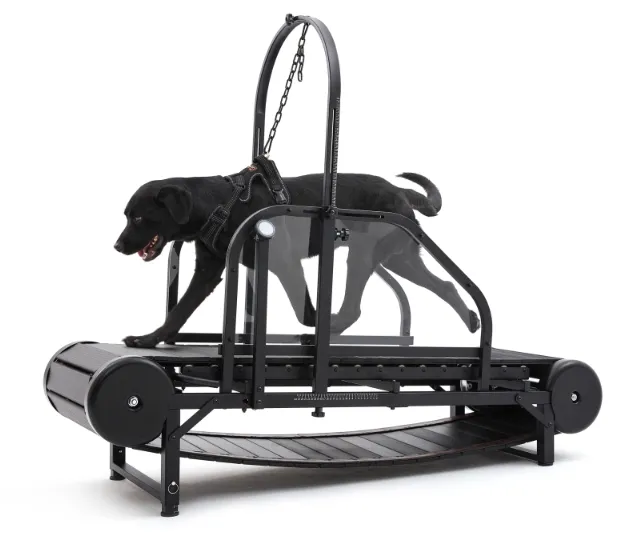
Using a dog treadmill has many benefits for you and your dog. Here are some important advantages to think about:
- Weight Management: Regular treadmill workouts help fight obesity. This can prevent serious health problems. Keeping your dog active helps avoid weight-related diseases.
- Muscle Building and Tone: Treadmill exercise works specific muscle groups. This builds strength and helps prevent injuries, making your dog more agile.
- Cardiovascular Health: Continuous aerobic activity boosts heart and lung health. A strong cardiovascular system keeps your dog energetic and healthy.
| Evidence Type | Description |
| Weight Loss Improvement | Regular treadmill exercise helps dogs lose weight faster. |
| Owner Compliance | More owner commitment to exercise sessions improves overall weight management success. |
| Appetite Regulation | Exercise can positively affect appetite, helping with better weight management. |
Besides physical health, using a treadmill can improve your dog's behavior. Here’s how:
- Regular treadmill exercise helps lower anxiety in dogs.
- It reduces bad behaviors caused by boredom or too much energy.
- Consistent treadmill use makes dogs more eager to join in obedience training.
By adding a treadmill to your dog's exercise routine, you can create a balanced way to keep them active. This not only keeps them fit but also helps them behave better. So, if you want to keep your dog active indoors, a treadmill could be the perfect choice!
When to Consult a Veterinarian
Before using a treadmill with your dog, it’s very important to talk to your veterinarian. They can check if your dog is ready for this kind of exercise. Here are some times when you should definitely reach out:
- If your dog has any health problems.
- When you’re not sure if your dog can use a treadmill.
- If you want to set up safe exercise plans, think about talking to a sports medicine expert.
Your vet can look at your dog's health and fitness. This helps you avoid any risks.
Some health issues can make treadmill use unsafe for your dog. Here’s a quick list of those issues:
| Health Condition | Contraindication for Treadmill Use |
| Congestive Heart Failure (CHF) | Should not engage until stabilized through medication. |
| Clinical signs of congestion | Physical training is contraindicated until stabilized. |
| Pulmonary edema | Requires stabilization before exercise. |
| Severe kidney disease | Advisable against treadmill use. |
| Uncontrolled heart disease | Advisable against treadmill use. |
| Respiratory distress | Advisable against treadmill use. |
If your dog shows any signs of pain or strange behavior while using the treadmill, stop right away and talk to your vet. Signs like heavy panting, limping, or not wanting to continue can mean something is wrong.
Always remember, your dog's health and safety are the most important. By talking to a veterinarian, you can make a safe and good exercise plan that keeps your dog happy and healthy!
How to Choose the Right Bronzeil Treadmill
Picking the right Bronzeil treadmill for your dog can seem hard, but it can be easy! Here are some important things to help you choose:
| Criteria | Description |
| Deck Size | Make sure it fits your dog’s stride. It should be at least 1.5 times your dog’s body length. |
| Speed Range | Find a treadmill that starts at 0.3 mph for walking and can reach 8–10 mph for running breeds. |
| Motor Power | A motor with at least 1.0 HP is good for medium dogs, while bigger breeds need 2.0+ HP. |
| Safety Mechanisms | Look for features like auto-stop clips, remote controls, guardrails, and emergency shut-off switches. |
| Noise Level | Choose models with motors below 65 dB, especially if your dog is sensitive to noise. |
| Incline Functionality | While not needed for everyone, incline options can make workouts more interesting. |
| Weight Capacity | Always check the manufacturer's specs to make sure it meets your dog's needs. |
When you shop, keep these extra tips in mind:
- Belt Size: A minimum of 60" x 20" is best for medium to large dogs.
- Side Rail Height: Look for rails that are at least 8–12 inches high to stop slipping.
- Remote Control & Safety Leash: These features let you adjust hands-free and shut down quickly if needed.
By thinking about these things, you can find a Bronzeil treadmill that fits your dog perfectly. Remember, the right treadmill can make indoor exercise fun and safe for your furry friend!
In conclusion, using a dog treadmill is a great way to keep your dog active, especially when the weather is not good. Here are some important points:
- Convenience: Treadmills let you exercise your dog no matter the weather.
- Safety: They create a safe space, lowering risks like traffic or bad weather.
- Health Benefits: Regular treadmill use helps control your dog's weight and boosts heart health.
Always remember, a good routine should include both treadmill and outdoor activities. Outdoor play gives mental challenges and chances to socialize, while treadmill workouts can help with behavior problems and healing from injuries. By mixing both, you can keep your dog happy and healthy!
FAQ
What size treadmill do I need for my dog?
Choose a treadmill that fits your dog's stride. It should be at least 1.5 times your dog's body length to ensure comfort and safety.
How often should I use the treadmill with my dog?
Start with 5-10 minute sessions for beginners. Gradually increase to 20-30 minutes, depending on your dog's energy level and fitness.
Can all dogs use a treadmill?
Not all dogs are suitable for treadmill use. Consult your vet if your dog has health issues or is very young or old.
How do I keep my dog motivated on the treadmill?
Use treats and praise to encourage your dog. Keep sessions short and fun, gradually increasing time as they become more comfortable.
What should I do if my dog shows signs of stress?
If your dog appears anxious or stressed, stop the session immediately. Reassess their comfort level and consider shorter, more frequent sessions.


Blog comments
0 Comments