
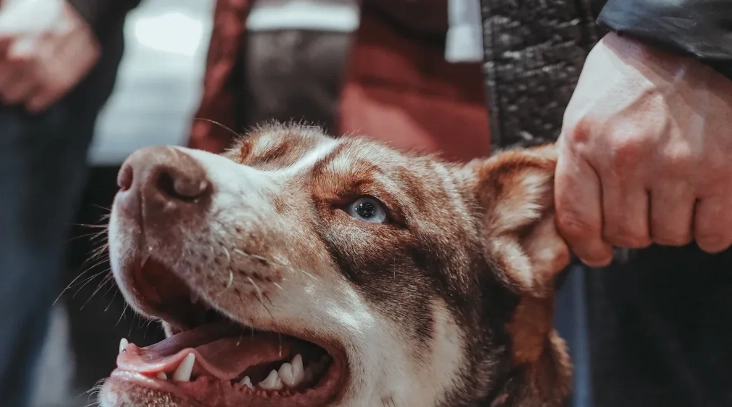
You might worry your dog will panic or refuse the moving ground, but most dogs can learn with patience and positive reinforcement.
- Many breeds and ages succeed with treadmill training.
- Mark and reward calm behavior to boost confidence.
- Make every dog on treadmill session fun and stress-free.
Key Takeaways
- Let your dog get used to the treadmill step by step. Give treats and praise to help your dog feel happy about it.
- Watch your dog closely during training. Safety is very important for good results.
- Begin with short times at a slow speed. Make sessions longer and faster as your dog feels more sure.
Common Concerns and Safety Tips
Why Dogs Hesitate with Treadmills
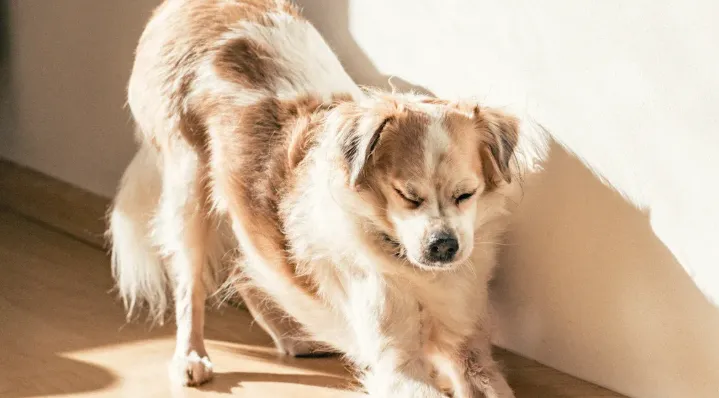
You might notice your dog acting unsure around a treadmill. This is normal! Dogs often feel nervous when they see new equipment. They may sniff, circle, or even avoid the dog treadmill at first. Some dogs show signs of fear like shaking, tucking their tail, barking, or trying to escape. If your dog acts this way, don’t worry. You can help by desensitizing your dog to the noise and movement of the treadmill. Let your dog explore at their own pace. Give lots of praise and treats for calm behavior.
Tip: If your dog seems scared, take a break and play a fun game. This helps your dog relax and keeps training positive.
Safety Tips Before You Start
Safety comes first when you want to exercise your dog indoors. Before you begin, check your space and equipment. Here’s a quick table of common safety incidents to keep in mind:
| Incident Type | Description |
| Child Injury | Children can get hurt if left unsupervised near treadmills. |
| Cluttered Environment Hazard | Toys or clutter can cause accidents if your dog or a child gets too close. |
| Dog Training Safety | Never leave your dog alone on the treadmill to prevent injury. |
Before each session, follow these steps:
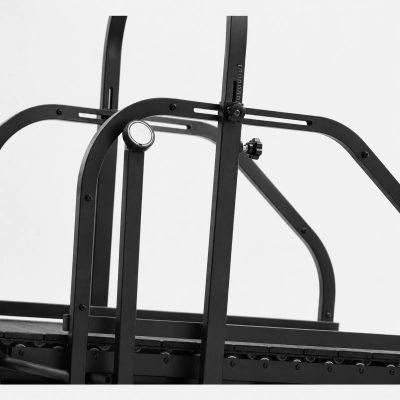
- Make sure the treadmill sits on a flat, stable surface.
- Check that the walking belt moves smoothly and the frame feels secure.
- Clear the area around the treadmill so your dog has space to get on and off safely.
- Use a leash for guidance, but never tie your dog to the treadmill.
- Always watch your dog during training. Never leave them alone.
Veterinarians also suggest starting slow. Don’t force your dog onto the treadmill. Warm up and cool down for a few minutes. Watch for signs of stress or fatigue. If your dog seems tired or upset, stop and try again later. Remember, a lack of exercise can lead to boredom or unwanted behaviors, but safety always comes first.
How to Get Your Dog on Treadmill
Let Your Dog Explore the Treadmill
You want your dog to feel comfortable around the treadmill before any training begins. Place the treadmill in a quiet spot and keep it turned off. Let your dog sniff, walk around, and check out the equipment. Dogs often feel nervous about new things, so give your dog time. You can sit nearby and encourage your dog with a calm voice. If your dog seems curious, praise them right away. This first step helps your dog on treadmill training start off with confidence.
Tip: Keep the area clear of clutter. Your dog needs space to move freely and safely.
Reward Curiosity and Calm Behavior
Dogs love rewards. When you see your dog approach the treadmill or show interest, offer a treat, a favorite toy, or gentle praise. Some dogs respond best to food, while others prefer toys or affection. Try different rewards to see what motivates your dog. If your dog touches the treadmill or stands near it, reward them again. You build positive associations by marking every calm behavior. This makes your dog on treadmill training feel like a fun game.
| Reward Type | When to Use | Example |
| Treats | When your dog sniffs or touches | Small pieces of chicken |
| Toys | For playful dogs | Tug or squeaky toy |
| Praise | For calm or brave behavior | "Good job!" |
Encourage Standing on the Treadmill
Once your dog feels comfortable, you can guide them to step onto the treadmill. Use a leash or harness for safety, but never force your dog. Ask your dog to place one paw, then two, and eventually all four paws on the treadmill. You can use the "place" command if your dog knows it. If your dog hesitates, wait and reward any progress. Getting on the treadmill should feel safe and rewarding. Repeat this step until your dog stands confidently.
Note: If your dog refuses, take a break and try again later. Patience helps train your dog without stress.
Start with Slow Movement
Now you can begin introducing your dog to the treadmill's movement. Turn the treadmill on at the lowest speed. Let your dog watch and listen to the sound. Feed your dog from the front of the treadmill to encourage calmness. When your dog seems ready, guide them to walk slowly. Always start your dog slow. Keep sessions short, just one or two minutes at first. Gradual progression helps your dog on treadmill training adapt without feeling overwhelmed. Increase speed and time only when your dog shows confidence.
- Watch for signs your dog is ready to progress:
- Willingly steps onto the treadmill
- Maintains a steady pace
- Shows excitement before sessions
If your dog shows signs of tiredness, heavy breathing, or discomfort, stop the session right away. You want every workout to be positive.
End Sessions Positively
Always finish each session with a reward and praise. Stop before your dog gets tired or frustrated. You can play a favorite game or offer a treat after training. Ending on a happy note helps your dog on treadmill training look forward to the next session. Short, regular sessions work best. Consistency and patience will train your dog to use the treadmill confidently.
Callout: Regular short sessions, two to three times per week, help most dogs adapt within 7 to 15 days. Only a few dogs need more time, so keep your routine steady.
If you follow these steps, introducing your dog to the treadmill becomes a smooth process. You build trust, confidence, and a positive experience for your dog. Remember, every dog learns at their own pace. Celebrate small wins and keep training fun.
Treadmill Train Your Dog: Progress and Troubleshooting
Signs of Progress in Training
You might wonder how to spot progress as you treadmill train your dog. Look for signs like your dog stepping onto the treadmill without hesitation, keeping a steady pace, and showing excitement before sessions. Some dogs even wag their tails or look to you for their next workout. These behaviors mean your dog feels comfortable and enjoys the routine. Regular exercise brings a great physical and mental workout, helping your dog stay calm and happy.
| Benefit | Description |
| Reduces Anxiety | Calms dogs and lowers anxiety-related behaviors. |
| Maintains Physical Health | Supports overall health through activity. |
| Prevents Destructive Behaviors | Mitigates boredom and anxiety-driven actions. |
Common Mistakes to Avoid
You can avoid setbacks by watching for these mistakes:
- Moving too fast with training steps.
- Forcing your dog onto the treadmill.
- Ignoring signs of stress or fatigue.
- Skipping warm-up or cool-down periods.
Tip: Always monitor your dog's condition. Stop if you see distress or overheating.
What to Do If Your Dog Refuses
If your dog refuses to exercise your dog on the treadmill, try these troubleshooting steps:
- Start with the dog treadmill off and reward voluntary approaches.
- Use treats or toys to lure your dog, keeping your tone calm.
- Pause if you notice stress and let your dog relax.
- Keep sessions short and consistent.
- Make training fun with upbeat music and praise.
How Long Does It Take to Train Your Dog
Every dog learns at their own pace. Some dogs adapt in a week, while others need more time. Consistency matters most. Short, daily sessions help your dog see treadmill training as a regular activity. Over time, you’ll notice your dog gaining confidence and enjoying each session.
You can help your dog succeed with treadmill training by following these steps:
- Introduce the doggie treadmill slowly with rewards.
- Supervise every session.
- Start with short, easy walks and adjust for your dog’s comfort.
- Celebrate small wins—track progress or keep a journal.
| Training Benefit | Description |
| Most dogs can learn | With patience and support, dogs adapt and thrive |
Stay patient and enjoy each milestone together! 🐾
FAQ
Will my dog be afraid of the treadmill?
Most dogs show curiosity, not fear. You can help your dog by using treats, praise, and slow introductions. Patience works best.
Can older dogs learn treadmill training?
Yes! Many older dogs can learn. Start slow and ask your vet first. Watch for signs of tiredness or discomfort.
What if my dog refuses to use the treadmill?
Try shorter sessions. Use your dog's favorite treat or toy. Celebrate small steps. If your dog still refuses, take a break and try again later.


Blog comments
0 Comments