

Keeping your dog active in summer can be very hard. The heat makes the ground very hot. Walks can hurt your dog’s paws. You may see limping, red skin, or blisters after a short walk. Most owners walk their dogs less in summer. Many also make exercise easier when it is hot. The table below shows how fast surfaces get unsafe:
| Condition | Temperature (°F) | Surface Temperature (°F) |
| Asphalt | 85 | Over 130 |
| Concrete | 85 | Hot long after sunset |
| Beach Sand | 85 | Extremely hot in sunlight |
A dog treadmill is a safe way for your dog to move inside. It helps dogs with lots of energy. It is also good for busy owners who care about their dog’s health and safety.
Key Takeaways
- A dog treadmill is a safe way for dogs to exercise inside. It helps keep your dog’s paws safe from burns and hurts on hot days.
- Non-electric dog treadmills let your dog pick their own speed. This lowers the chance of getting hurt and makes exercise easier.
- Using a treadmill often helps active dogs use up energy. It stops them from getting bored or acting out when they can’t go outside.
- A dog treadmill can be used with outdoor walks. It gives a safe place for exercise and helps dogs who need extra care.
- Daily treadmill use can make your dog healthier and happier. It also helps busy owners keep their dogs moving.
Summer Challenges for Dog Exercise
Hot Pavement and Paw Safety
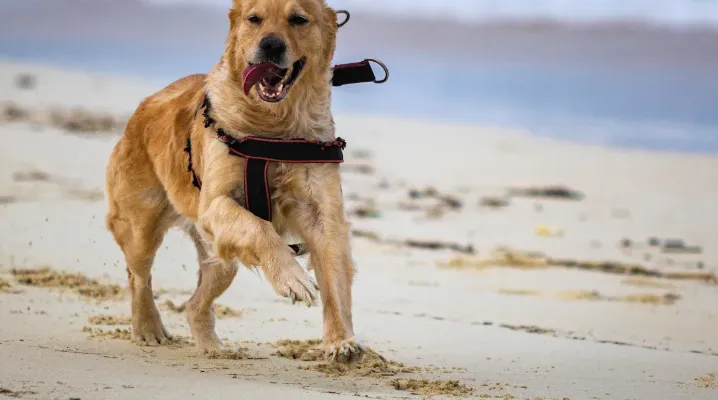
You want your dog to enjoy summer exercise, but hot pavement can quickly turn a walk into a painful experience. On sunny days, pavement heats up much faster than the air. Even when the air feels comfortable, the ground can burn your dog's paws in seconds. Hot pavement can cause burns, blisters, and skin damage. You might notice limping, licking of the paws, or red and raw skin after a walk. These injuries hurt your dog and can take weeks to heal.
- On an 85-degree day, asphalt can reach over 130 degrees Fahrenheit.
- At just 77°F, pavement can hit 125°F, causing skin damage in about a minute.
- Even at 75°F, sunny pavement can burn your dog's paws in 60 seconds.
You cannot always tell if the ground is too hot. If you cannot hold your hand on the pavement for five seconds, it is too hot for your dog. A dog treadmill keeps your dog active indoors and protects sensitive paws from these dangers.
Overheating Risks in Dogs
Dogs face serious heat risks during summer exercise. They do not sweat like humans. Instead, they cool off by panting, which does not work well in high heat or humidity. Some breeds, like Bulldogs and Pugs, have a harder time cooling down. Overweight, older dogs, and those with heart or breathing problems also face higher risks.
Signs of overheating include heavy panting, drooling, seeking shade, whining, and refusing to play. Severe symptoms can include vomiting, confusion, or collapse. Outdoor exercise in hot weather increases the risk of heatstroke, which can be life-threatening. You can lower these risks by choosing indoor activities. A dog treadmill lets you control the environment and avoid dangerous heat.
Reduced Outdoor Activity
Many owners shorten walks or skip them during hot weather. You want to keep your dog safe, but less exercise can lead to boredom, weight gain, and destructive behavior. High-energy dogs need regular movement and mental stimulation, even when it is hot outside. A dog treadmill gives you a way to provide summer exercise without exposing your dog to heat risks. You can keep your dog healthy, happy, and active all year long.
How a Dog Treadmill Supports Indoor Exercise
Safe Workouts Regardless of Weather
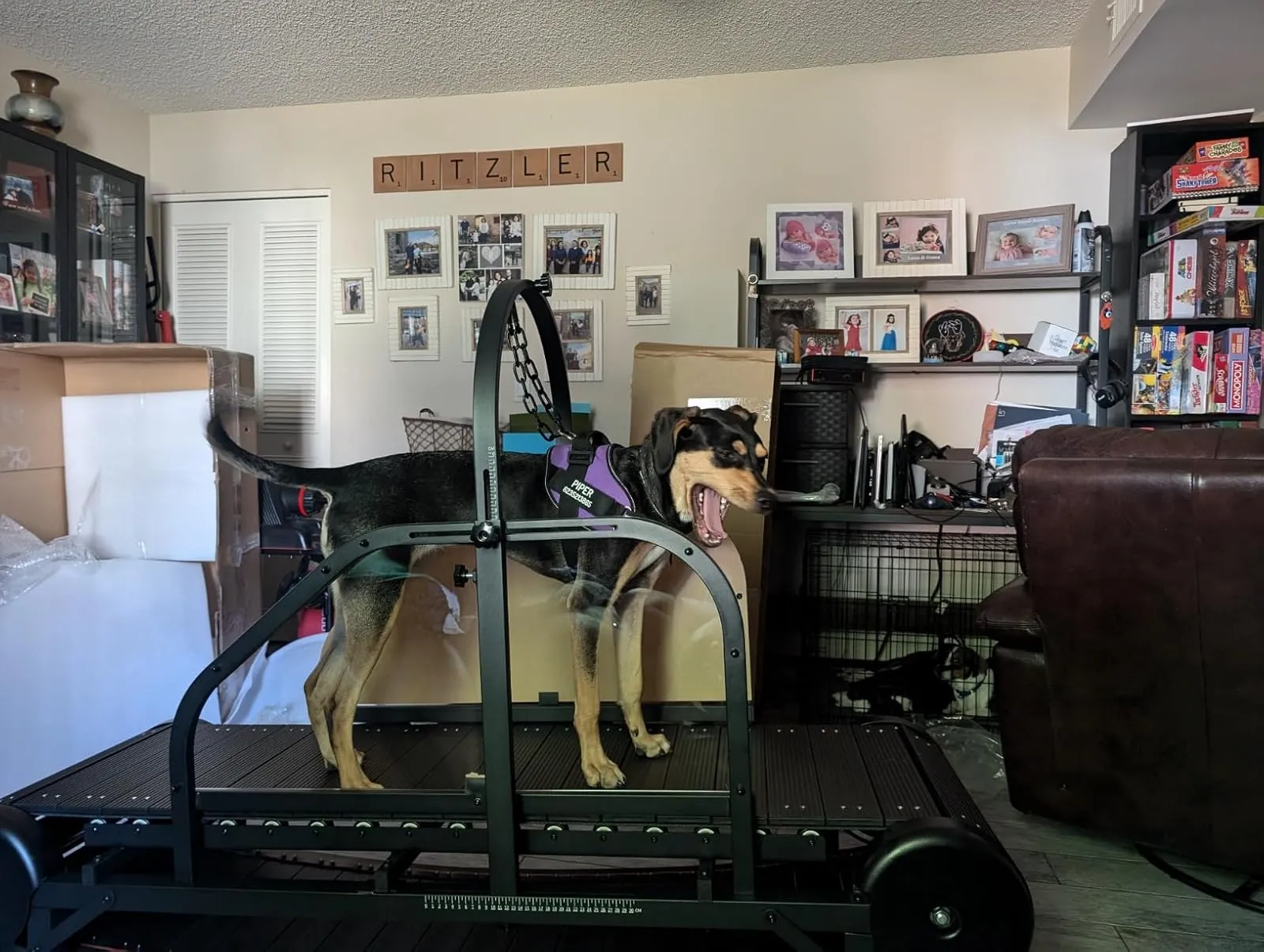
You want your dog to move every day. Summer heat, rain, or ice can make walks unsafe. A dog treadmill lets your dog exercise inside, no matter the weather. You do not have to worry about hot pavement or storms. Your dog can stay active in a cool room every day.
Tip: If your dog feels sad when walks are canceled, a dog treadmill helps keep your routine steady.
- High temperatures can cause heatstroke in dogs, so outside exercise can be dangerous.
- Hot pavement can burn paws, which is a big risk in summer.
- A treadmill lets your dog exercise safely inside, no matter the weather, so your dog stays healthy and active.
- Dog treadmills are a safe indoor exercise choice when outside is not safe.
- They help your dog stay active even when it is too hot or cold outside.
Consistent Daily Activity for Health
Dogs need regular movement to stay healthy. A dog treadmill makes daily exercise easy. This helps your dog keep a healthy weight and strong muscles. It also keeps your dog’s mind happy. High-energy breeds need regular treadmill exercise to stop boredom and bad habits. Busy owners like that a dog treadmill helps keep a steady routine, even when life is busy.
Dog treadmills give a safe place for exercise. This makes sure dogs get enough activity, which is important for high-energy breeds. Regular exercise stops behavior problems from not moving enough. It is a good choice for busy owners who cannot always walk their dogs outside.
Dog Treadmill for Home Convenience
You want easy solutions for your busy life. A dog treadmill brings exercise right to your home. You can use it before work, after dinner, or anytime you have a few minutes. You do not need to worry about weather or rushing home before dark. Treadmill exercise gives you freedom and peace of mind. Your dog gets the activity they need at home.
Why Choose a Non-Electric Dog Treadmill
Choosing the right dog treadmill for your home matters, especially when you want the best for your dog’s health and safety. A non-electric dog treadmill stands out as the safest and most practical choice for summer exercise. You want your dog to stay active, but you also want peace of mind. Let’s see why a non-electric dog treadmill gives you both.
Self-Paced Dog Treadmill Benefits
A non-electric dog treadmill puts your dog in control. Your dog sets the pace, starts, and stops whenever they want. This self-paced dog treadmill design means your dog never feels forced or rushed. You do not need to worry about a motor moving too fast or too slow. Your dog can walk, trot, or run at their own speed. This freedom helps your dog feel comfortable and confident.
You want to keep your dog safe. A non-electric dog treadmill lowers the risk of injury because your dog controls every step. There is no sudden movement or noise from a motor. You can relax, knowing your dog will not get scared or hurt by a machine that moves without warning. Many owners find that a self-paced dog treadmill helps anxious or sensitive dogs enjoy exercise again.
Tip: If your dog is new to treadmills, a non-electric dog treadmill makes training easier and less stressful.
Natural Movement and Confidence
Dogs move best when they feel in charge of their bodies. A non-electric dog treadmill supports natural movement. Your dog walks or runs just like they do outside. The self-paced dog treadmill lets your dog find their rhythm. This builds confidence and trust in the equipment.
Some dogs feel nervous around loud machines. A non-electric dog treadmill stays quiet and smooth. Your dog does not hear sudden noises or feel jerky motions. This calm experience helps your dog relax and enjoy exercise. You will see your dog’s confidence grow with every session.
A self-paced dog treadmill also helps your dog learn body awareness. Your dog learns to balance, adjust speed, and move with purpose. This skill carries over to outdoor walks and play. You give your dog a safe space to build strength and trust.
Simple Maintenance, No Power Needed
You want a dog treadmill that is easy to use and care for. A non-electric dog treadmill does not need electricity. You can set it up anywhere in your home. You do not need to worry about finding a power outlet or dealing with cords. This makes your routine simple and flexible.
A non-electric treadmill has fewer parts that can break. You do not need to pay for repairs or worry about a motor failing. You save money on energy bills because a non-electric dog treadmill uses no power. Over time, you spend less and get more value from your investment.
- Manual treadmills do not require electricity, so you avoid extra costs.
- Electric treadmills may need more maintenance and repairs.
- A non-electric dog treadmill gives you freedom and peace of mind.
You want the best for your dog. A non-electric dog treadmill offers safety, comfort, and convenience. You help your dog stay active and healthy all summer long.
Dog Treadmill vs Outdoor Walks
Complementary Benefits
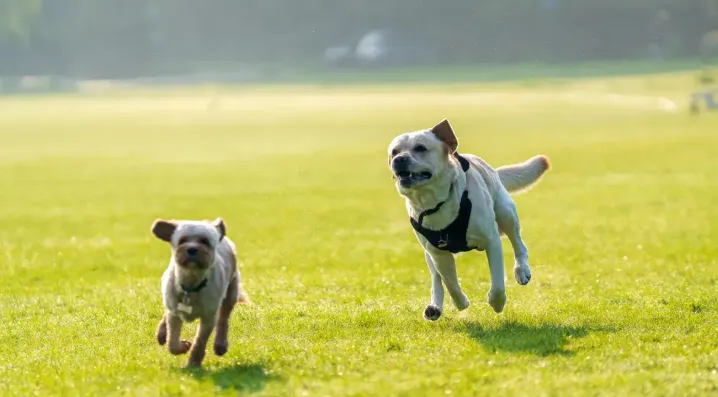
You want your dog to be healthy and happy. Outdoor walks let your dog explore and smell new things. Your dog can meet other dogs and people. These walks help your dog learn how to act around others. They also give your dog’s mind something fun to do. You should still take your dog for walks outside. But you can also use a dog treadmill for more exercise.
A dog treadmill gives some special benefits that walks do not:
- You can use a dog treadmill when it is too hot or unsafe outside.
- Dogs who are hurt or have trouble moving can still exercise inside.
- A dog treadmill helps working and sporting breeds stay fit.
- You can pick the speed and time, which helps dogs heal from injuries.
- Your dog gets steady exercise, even when it is cold or rainy.
Note: Using both outdoor walks and a dog treadmill is best for your dog. This helps your dog use energy, build muscle, and keep their mind sharp.
When to Use Each Option
Use a dog treadmill if it is too hot or stormy outside. It is also good when you are busy or your dog needs more exercise. If your dog is healing from an injury, a treadmill is a safe way to move. High-energy dogs can use a treadmill to get extra activity.
Outdoor walks are important for meeting people and other animals. Walks let your dog see new places and breathe fresh air. Dog treadmill sessions give gentle exercise in a safe place. This helps your dog stay calm and happy, especially if they are shy outside.
You do not have to pick just one. You can use both outdoor walks and a dog treadmill. Your dog will get the best exercise and fun from each one.
Who Should Use a Dog Treadmill for Home
High-Energy and Working Breeds
If you have a high-energy dog, you know how hard it is to keep up with their exercise needs. Some breeds, like Border Collies, Huskies, and Belgian Malinois, need more than just a walk around the block. A dog treadmill for home gives these dogs a way to burn off extra energy every day. You help your dog stay calm and happy by giving them a regular workout.
- High-energy breeds need more exercise than most owners can provide outdoors.
- A dog treadmill helps prevent boredom and destructive behavior.
- Dogs with lots of energy can use a treadmill to stay fit and focused.
You can also use a dog treadmill for home if your dog is overweight or needs physical therapy. Many trainers and veterinarians recommend treadmill sessions for dogs who need to lose weight or recover from injury.
Busy Owners and Multiple Dogs
Life gets busy. You may not always have time for long walks, especially if you have more than one dog. A dog treadmill for home makes it easy to give each dog the exercise they need, even when your schedule is full.
| Benefit | Description |
| Convenience | You can exercise your dog at any time, even before work or after dinner. |
| Weather Independence | Your dog stays active, no matter the weather outside. |
| Energy Management | You help your dogs burn off energy, which reduces anxiety and bad behavior. |
You can use a dog treadmill to manage weight, build confidence, and keep your dogs happy. It is a smart choice for busy families and homes with several dogs.
Trainers and Canine Athletes
If you train dogs or have a canine athlete, you want the best tools for fitness and focus. A dog treadmill gives you a controlled way to build endurance and reinforce commands. Trainers use treadmills to help working breeds stay in top shape. You can use a dog treadmill for home to improve your dog’s strength, speed, and attention.
- Treadmills help dogs build endurance and muscle.
- You can use a treadmill to warm up your dog before training or competition.
- Regular treadmill exercise improves focus and reduces anxiety.
A dog treadmill for home is a powerful tool for anyone who wants to give their dog the best care and training.
Safe Introduction to a Dog Treadmill
Gradual Training Steps
You want your dog to feel safe and confident on a treadmill. Start slow and make each step fun. Animal behaviorists recommend a step-by-step approach for the best results:
- Teach Enter and Exit: Let your dog sniff and explore the treadmill while it is off. Reward any interest or bravery.
- Teach Stand and Stay: Ask your dog to stand on the treadmill. Increase the time slowly. Give treats and praise for staying calm.
- Attach the Harness: Once your dog stands comfortably, attach their harness to the treadmill. Reward your dog for staying relaxed.
- Build Confidence: Move from standing beside your dog to standing in front. Keep rewarding your dog for calm behavior.
- Introduce Movement: Turn the treadmill on at the lowest setting. Encourage your dog to walk forward. Mark and reward every step.
- Increase Speed and Duration: Slowly raise the speed, incline, or session length. Always watch your dog’s comfort and energy.
- Set Exercise Goals: Begin with short sessions. Watch for signs of fatigue. Increase goals as your dog gains confidence.
Tip: Patience pays off. Let your dog set the pace for each step. Celebrate small wins to build trust.
Supervision and Positive Reinforcement
Stay with your dog during every treadmill session. Your presence gives comfort and keeps your dog safe. Use positive reinforcement to make treadmill time enjoyable:
- Clicker training works well and uses only rewards.
- Dogs learn faster and feel happier with treats and praise.
- Positive reinforcement builds a strong bond between you and your dog.
- Your dog will look forward to treadmill sessions when they feel successful.
Note: Always end each session on a positive note. A happy dog will want to exercise again tomorrow!
How Long Should Dogs Use a Treadmill
Session Length by Age and Breed
You want your dog to get the most out of every treadmill session. The right session length depends on your dog’s age, breed, and fitness level. Puppies and senior dogs need shorter sessions to protect their joints and support senior dog mobility. High-energy breeds can handle longer workouts, but you should always start slow.
- New dogs should begin with 1–3 minutes a day. This helps them build confidence and supports senior dog mobility.
- By week four, you can increase sessions to 15–20 minutes. Include walking, jogging, and running for variety.
- Dogs in top condition can enjoy 20–30 minute workouts three times a week. Always include a warm-up and cool-down for senior dog mobility.
- Start each session with 1–2 minutes of slow walking. End with the same to help your dog recover.
You know your dog best. Watch for signs of tiredness or discomfort. If your dog seems stiff or slow, shorten the session to protect senior dog mobility.
Adjusting for Fitness and Goals
You can tailor treadmill workouts to match your dog’s needs. Some dogs need gentle exercise for weight control. Others want high-energy sessions to build strength. Use the table below to find the best routine for your dog.
| Workout Type | Description | Duration | Goals |
| Fast Walking | For dogs not ready to run, engaging them with encouragement to walk at a fast pace. | 30 minutes | Build stamina, confidence, and assist in weight control. |
| HIIT | High Intensity Interval Training for energetic dogs, alternating between fast running and rest. | 10 minutes warm-up, followed by intervals | Improve fitness and energy levels through intense bursts of activity. |
You can adjust the speed, incline, and time as your dog gets stronger. Always focus on safety and senior dog mobility. If you have questions, ask your vet for advice. You want every session to support your dog’s health and happiness.
You want your dog to stay active and safe during summer. A non-electric dog treadmill gives you peace of mind. Your dog controls the speed, which means a natural and safe workout every time. You avoid sudden starts or stops. You spend less time on maintenance. These treadmills last longer and reduce the risk of injury. Choose a dog treadmill that fits your dog's needs and make indoor exercise part of your routine.
FAQ
Are dog treadmills safe for all breeds?
Yes. You can use a dog treadmill for most breeds. Always start slow and supervise your dog. Adjust the session length for your dog’s age and energy level.
Can my dog use a treadmill every day?
Absolutely! Daily treadmill sessions help your dog burn energy and stay fit. You can adjust the time and speed to match your dog’s needs.
Is a non-electric treadmill better than an electric one?
You get more control with a non-electric model. Your dog sets the pace. This makes exercise safer and more natural. You also avoid power cords and noise.
Will a treadmill replace outdoor walks?
No. You should still walk your dog outside for social time and new smells. Use a treadmill for extra exercise or when the weather is bad.
How do I choose the right size treadmill?
Check your dog’s weight and length. Pick a treadmill that fits your dog’s stride. Most brands offer size guides to help you decide.



Blog comments
0 Comments