
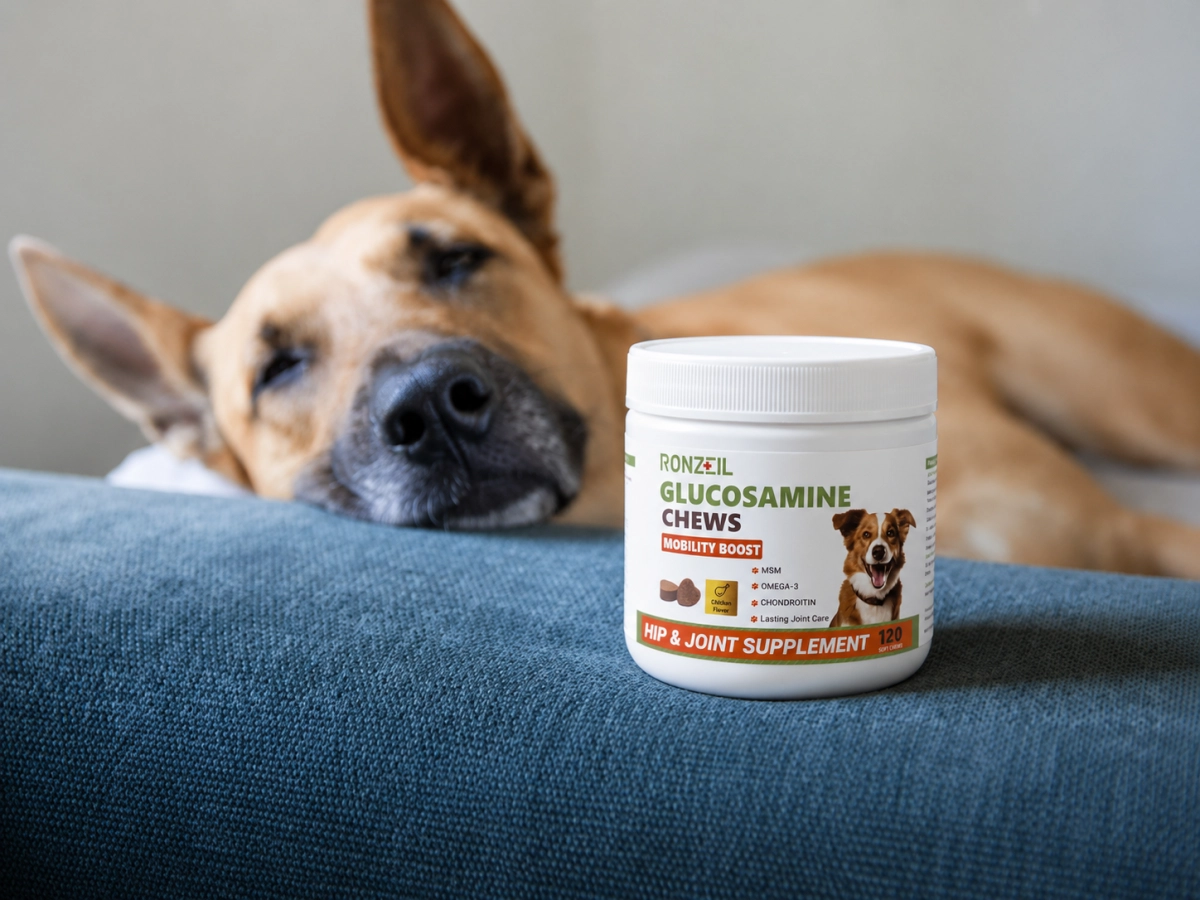
If your dog is experiencing arthritis or joint pain, you might wonder if glucosamine and chondroitin for dogs are both necessary. Many dogs with joint issues exhibit changes in behavior. They may be reluctant to jump, feel stiff after resting, or show less interest in play. You're not alone in considering these supplements; many dog owners across the U.S. use glucosamine and chondroitin for dogs to address arthritis and joint pain. While some studies suggest these supplements may not always be effective, veterinarians still recommend them for dogs with arthritis. Ensuring your dog feels comfortable is crucial, so understanding the true benefits of glucosamine and chondroitin for dogs is important.
Key Takeaways
- Glucosamine helps make and fix cartilage. It is important for dogs with joint pain.
- Chondroitin protects cartilage and can lower swelling. It helps keep joints healthy.
- Using glucosamine and chondroitin together can help dogs with arthritis more.
- Always talk to your vet before giving new supplements. This makes sure they are right for your dog.
- Watch how your dog reacts to the supplements. Change them if needed to help your dog's joints stay healthy.
What Is Glucosamine?
Glucosamine’s Role in Dog Joints
You might hear about glucosamine for dogs if your pet has joint pain. Glucosamine is an amino sugar. It helps your dog’s body build and keep cartilage in the joints. Cartilage works like a cushion between bones. Healthy cartilage stops pain and stiffness when your dog moves. Glucosamine for dogs gives what your pet needs to fix damaged cartilage and make new tissue. You help your dog by helping cartilage cells grow and lowering swelling in the joints.
Glucosamine for dogs can help with osteoarthritis symptoms. It may lessen pain and help your dog move better. You might see your dog walk, run, or play with less pain. Glucosamine also helps lower stress on joints from hip dysplasia or changes in bone shape. If your dog is healing from joint surgery or a spinal disc injury, glucosamine for dogs can help the healing go smoother. Young dogs use glucosamine to keep their joints healthy and stay active.
Glucosamine for dogs may have mild anti-inflammatory effects. By lowering swelling inside the joint, glucosamine can help your dog move more easily.
Forms and Sources
You can get glucosamine for dogs in different forms. Glucosamine hydrochloride and glucosamine sulfate are the most common types. Glucosamine hydrochloride has a 12% oral bioavailability. Glucosamine sulfate is also popular for joint support. Many owners pick glucosamine msm for dogs, which mixes glucosamine with MSM for extra help.
Natural sources of glucosamine for dogs include chicken feet, beef trachea, bone broth, and green lipped mussels. Chicken feet have about 450 mg of glucosamine each. Beef trachea is full of cartilage and gives both glucosamine and chondroitin. Bone broth has nutrients from cooked bones and tissue. Green lipped mussels give glucosamine, chondroitin, and Omega 3 fatty acids.
You may want to choose the best glucosamine for dogs based on what your pet needs. Glucosamine for dogs comes as tablets, chews, powders, and liquids. Glucosamine sulfate and glucosamine hydrochloride are easy to add to your dog’s daily routine. Glucosamine msm for dogs is another choice for joint health.
| Form | Source | Benefit for Dogs |
| Glucosamine sulfate | Supplements | Joint support |
| Glucosamine hydrochloride | Supplements | Joint repair |
| Glucosamine msm for dogs | Supplements | Joint comfort |
| Chicken feet | Natural food | Joint health |
| Beef trachea | Natural food | Joint support |
| Bone broth | Natural food | Joint maintenance |
| Green lipped mussels | Natural food | Joint protection |
What Is Chondroitin?
Chondroitin’s Function in Joint Health
You may hear about chondroitin when you look for ways to support your dog's joint health. Chondroitin is a natural part of your dog's body. It helps keep cartilage strong and flexible. Cartilage acts as a cushion between bones in each joint. When your dog moves, healthy cartilage stops bones from rubbing together. Chondroitin helps maintain this cushion, so your dog can walk, run, and play with less pain.
Chondroitin does more than just support cartilage. It helps block enzymes that break down cartilage in the joint. This means chondroitin can slow cartilage loss in dogs with joint problems. You may notice less swelling and pain if your dog takes chondroitin. Many experts believe chondroitin can reduce inflammation in the joint. This makes it easier for your dog to move and feel comfortable.
- Chondroitin helps maintain cartilage health and joint cushioning.
- It may block enzymes that damage cartilage, which can lower pain and swelling.
- Chondroitin is a key part of your dog's body for healthy joints.
If your dog has arthritis or joint discomfort, chondroitin may help protect the cartilage. You give your dog a better chance to stay active and happy with chondroitin.
Forms and Sources
You can find chondroitin in many forms for dogs. The most common type is chondroitin sulfate. Chondroitin sulfate is easy to add to your dog's daily routine. You may see it in tablets, chews, powders, or liquids. Many joint supplements for dogs use chondroitin sulfate because it works well with other ingredients.
Natural sources of chondroitin include animal cartilage. Beef trachea and chicken feet are rich in chondroitin sulfate. Green lipped mussels also provide chondroitin for dogs. You can give your dog these foods as treats or add them to meals. Some owners choose supplements with chondroitin sulfate for a steady dose.
| Form | Source | How to Use for Dogs |
| Chondroitin sulfate | Supplements | Tablets, chews, powder |
| Beef trachea | Natural food | Treat or meal topper |
| Chicken feet | Natural food | Snack or chew |
| Green lipped mussels | Natural food | Add to food |
You can talk to your vet about the best way to give chondroitin to your dog. Chondroitin sulfate is safe for most dogs and supports joint health at any age.
Key Differences
How Each Works
You might want to know how glucosamine and chondroitin help your dog. Both are important for healthy joints, but they work in different ways.
- Glucosamine helps your dog make collagen in cartilage. This keeps the joint strong and helps fix damaged tissue. Glucosamine is a building block for glycosaminoglycans. These are needed for healthy cartilage. Giving glucosamine to dogs gives the materials for new cartilage.
- Chondroitin stops enzymes from breaking down cartilage in the joint. This slows cartilage loss in dogs with joint problems. Chondroitin also helps make glycosaminoglycans and proteoglycans. These are needed for strong cartilage.
Glucosamine and chondroitin both help your dog's joints by making and fixing cartilage. They also help lower swelling and pain in dogs with joint issues. Your dog may move better and feel less stiff when using these supplements.
Tip: Glucosamine and chondroitin are often used together in joint supplements for dogs. They help different parts of joint health.
Benefits and Limitations
You might wonder what glucosamine and chondroitin do for your dog's joints. Many owners think these supplements help with pain and movement. Glucosamine helps fix cartilage and lowers swelling. Chondroitin protects cartilage and may lower swelling in the joint.
But these supplements do not always work for every dog. Some studies show mixed results. There is not a lot of strong proof for glucosamine and chondroitin. Many vets are careful about using them as the only treatment for joint pain in dogs. Glucosamine and chondroitin may work for some dogs, but not all.
You should also think about cost. Glucosamine and chondroitin are cheap for long-term use. A bottle of thirty pills costs about $10. This is much less than surgery, which can cost over $1,000. Many owners try supplements first because it makes sense.
Note: Always talk to your vet before starting any new supplement. Your dog may need something different.
You want your dog's joints to stay healthy. Glucosamine and chondroitin may help, but you should not expect too much. Watch your dog for changes and work with your vet to find the best plan.
Glucosamine and Chondroitin for Dogs
Combined Benefits
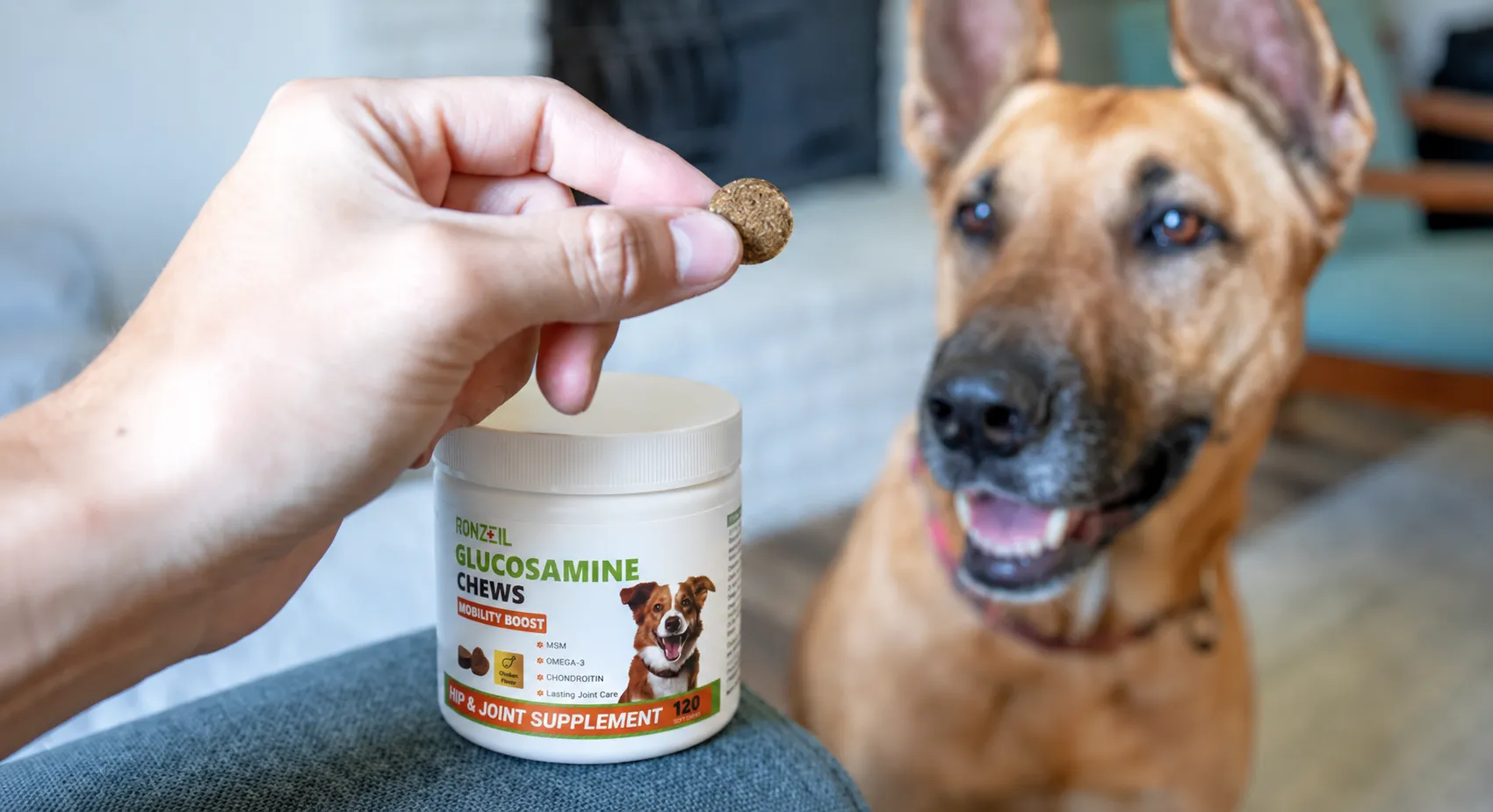
You might ask if using glucosamine and chondroitin for dogs together works better than using just one. Many vets suggest both for dogs with arthritis or sore joints. These two supplements help your dog's joints in different ways. Glucosamine helps build and fix cartilage. Chondroitin keeps cartilage from breaking down. When you use both, your dog gets more joint support.
Some studies have checked how glucosamine and chondroitin for dogs work together. Some show dogs feel less pain and move better. Other studies do not show clear results. Look at the table below to see what the studies found:
| Study | Design | Subjects | Outcomes | Efficacy |
| McCarthy et al. (2007) | Multi-centered, prospective, randomized, double-blinded trial | 42 client-owned dogs with chronic lameness and OA | Pain, weight-bearing, overall condition | Significant improvements in pain, weight-bearing, and overall condition at 70 days |
| D’Altilio et al. (2007) | Prospective, randomized, double-blinded study | 20 client-owned dogs with OA | Pain, body weight, hepatic and renal function | Reduction in pain not significant; benefits lost after withdrawal |
| Gupta et al. (2012) | Prospective, randomized, double-blinded study | 31-37 client-owned dogs with moderate OA | Pain, peak vertical force, impulse area | Significant reduction in pain at 90 days; no additional benefit with UCII |
Some dogs get real help from glucosamine and chondroitin for dogs, but not all studies agree. Experts say these supplements may help some dogs, especially as part of a full joint care plan. Always watch your dog for changes and ask your vet about the best joint supplement.
Glucosamine supplements for dogs come in many forms. You can find liquids, powders, capsules, and tablets. Many owners pick chews or flavored tablets because dogs like them. Powders or liquids can be mixed with food. This makes it easy to give glucosamine and chondroitin for dogs every day.
| Form | Description |
| Liquid | Given by mouth, easy to mix. |
| Powder | Mix with food or water. |
| Capsule | Good for exact dosing. |
| Tablet | Simple to use and store. |
Make sure your dog gets the right amount. Most glucosamine supplements for dogs have clear instructions. Follow the label or ask your vet. Giving the supplement with food can help avoid stomach upset.
Synergistic Effects
You might hear that glucosamine and chondroitin for dogs work better together. This is called a "synergistic effect." Using both gives your dog more joint support. Glucosamine helps make new cartilage. Chondroitin keeps cartilage strong and stops enzymes from breaking it down. Together, they help your dog move with less pain.
Some experts think combining glucosamine and chondroitin for dogs gives better results than using just one. Others say the benefits are not clear. See what some studies and vets say in the table below:
| Study | Findings |
| McKenzie (2010) | Evidence is limited and results are mixed. |
| KuKanich (2013) | Research does not support glucosamine and chondroitin for osteoarthritis pain. |
| Comblain et al. (2016) | Studies show different results. |
| Bhathal (2017) | Clinical benefit is still uncertain. |
Many vets still suggest glucosamine and chondroitin for dogs with joint problems. They do this because these supplements are safe and may help some dogs. Results can be different. Some dogs improve a lot, others do not change much.
Note: Glucosamine is safe for dogs to use for a long time. Some dogs may get mild stomach upset, gas, or loose stools. Giving the supplement with food can help. If your dog is allergic to shellfish, pick a plant-based or synthetic glucosamine supplement. High doses may cause more thirst or urination. Always ask your vet before starting a new supplement.
You want your dog to stay active and comfortable. Glucosamine and chondroitin for dogs help support joint health without strong drugs. You can use these supplements as part of a full plan for joint care.
- Glucosamine and chondroitin for dogs are simple to give.
- You can find them as liquids, powders, capsules, and tablets.
- Most dogs take these supplements with no trouble.
- Always watch for side effects and talk to your vet if you worry.
You give your dog the best chance for healthy joints when you use a joint supplement that fits your dog's needs. Glucosamine supplements for dogs, along with chondroitin, can help keep cartilage healthy and your dog moving.
Should You Use Both?
When Both Are Recommended
You might wonder if your dog needs both glucosamine and chondroitin. Many vets say both are helpful in some cases. If your dog has arthritis, using both can work better. These supplements help build and fix cartilage together. They also help lower swelling and pain from arthritis. Some experts think both can help dogs move better and feel less sore, especially if joint problems last a long time.
You should think about both supplements if your dog is in one of these groups:
- Senior dogs lose cartilage after age 7 and need help moving.
- Large or giant breeds, like Labs or Great Danes, have more joint stress.
- Working or active dogs run and jump a lot every day.
- Dogs with joint problems, like arthritis or hip dysplasia, need extra care.
- Breeds with joint risks, like German Shepherds or Bulldogs, may need help early.
- Overweight dogs put more pressure on their joints.
Tip: Giving glucosamine and chondroitin early to high-risk breeds can slow joint problems.
Here is a table to show which dogs get the most help from both supplements:
| Breed/Age Group | Benefits from Supplements |
| Senior Dogs | Lose cartilage after age 7, need help moving and feeling good. |
| Large and Giant Breeds | Heavy dogs have more joint stress; early help is good. |
| Working and Active Dogs | Hard work stresses joints; supplements help them stay strong. |
| Dogs with Existing Conditions | Needed for pain from arthritis or hip dysplasia. |
| Breeds with Genetic Risks | Early supplements can slow joint issues in these breeds. |
| Overweight Dogs | Extra weight hurts joints; supplements help during weight loss. |
Many vets and experts say chondroitin sulfate helps with pain and may fix some arthritis damage. Glucosamine and chondroitin keep joints flexible, absorb shock, and feed the tissues. These supplements also help stop damage from swelling.
When One May Be Enough
Sometimes, your dog may not need both supplements. You might pick just glucosamine or just chondroitin for your dog's needs. If your dog is young, healthy, and active, glucosamine alone may keep joints strong. Some owners give glucosamine daily to protect against joint problems later.
Think about these things when you decide if one is enough:
- Your dog's age and breed. Young or small dogs may only need glucosamine.
- Activity level. Dogs that do not move much may not need both.
- Weight. Healthy-weight dogs with no pain may do fine with just glucosamine.
- Health. If your dog is only a little stiff, one supplement may be enough.
- Diet. If you feed foods like chicken feet or green lipped mussels, your dog may get chondroitin already.
Note: Always ask your vet before starting new supplements. Your vet can help you choose if your dog needs both or just one.
You should also think about what you want and your dog's life. Dogs in the country may be more active and need more joint help. If you feed mostly dry food, your dog may need extra supplements. Older or sick dogs often need more joint support.
Some studies show different results about glucosamine chondroitin for dogs. Some research says the benefits are not clear, but many owners and vets still see dogs move better and feel happier. You may see your dog walk easier or act more playful after starting these supplements.
If you want your dog to move better and stay active, glucosamine chondroitin for dogs can help. Always watch your dog for changes in movement and comfort. Change the supplements as needed with your vet's help.
Practical Tips for Dog Owners
Choosing Supplements
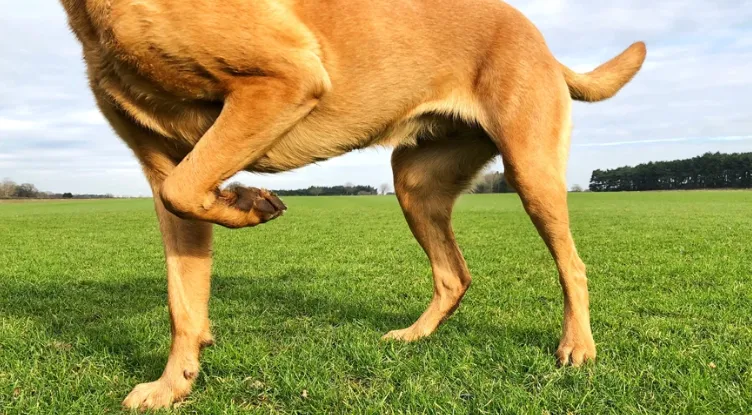
You want the best for your dog's joints. Picking the right supplement can make a big difference. When you choose glucosamine or chondroitin for your dog, keep these tips in mind:
- Think about your dog's age, size, and breed. Large breeds and older dogs often need more support.
- Look for high-quality ingredients from trusted brands. Check for certifications like the National Animal Supplement Council (NASC).
- Read the label for clear dosage instructions and the number of servings in each container.
- Avoid products with unnecessary fillers or harmful additives.
- Choose supplements with science-backed ingredients, such as glucosamine, chondroitin, and omega-3 fatty acids.
- Pick a form your dog likes, such as flavored chews or powders, to make daily use easy.
Veterinarians suggest a tailored approach. Your dog's health history and any current medications matter. Always talk to your vet before starting new dietary supplements for dogs. This helps you avoid unwanted interactions and ensures the supplement fits your dog's needs.
Tip: Keep a journal to track your dog's walk length, eagerness to move, and any changes in stairs or jumping. Short videos every two weeks can help you and your vet see progress in joint mobility.
Dosage and Safety
Giving the right amount of glucosamine keeps your dog safe and helps their joints. Use this table to find the right dose based on your dog's weight:
| Dog Weight | Loading Dose (First 4 to 6 Weeks) | Maintenance Dose (Ongoing) |
| Under 10 lbs | 250 to 500 mg daily | 125 to 250 mg daily |
| 10 to 24 lbs | 500 mg daily | 250 mg daily |
| 25 to 49 lbs | 1,000 mg daily | 500 mg daily |
| 50 to 99 lbs | 1,500 mg daily | 750 to 1,000 mg daily |
| Over 100 lbs | 2,000 mg daily | 1,000 to 1,500 mg daily |
Watch for side effects, especially at high doses. Some dogs may have mild stomach upset, gas, or soft stools. Others may show increased thirst, urination, or trouble sleeping. Rarely, allergic reactions can happen. If you see swelling, rash, or breathing problems, call your vet right away.
- Track your dog's progress weekly during the first month and monthly after that.
- If you notice vomiting, diarrhea, or no improvement, consult your vet.
- Regular check-ups help ensure glucosamine is working and safe for your dog.
Every dog is unique. The right supplement and dose depend on your dog's age, breed, and health. Careful monitoring and open communication with your vet will help your dog stay active and comfortable.
You care about your dog's joints. Experts say glucosamine and chondroitin may help dogs with arthritis. Glucosamine helps make cartilage. Chondroitin keeps cartilage safe. Try these tips before you start any supplement:
- Ask your vet before giving any supplement.
- Buy glucosamine made for dogs, not humans.
- Choose brands that other pet owners like.
Glucosamine can help your dog feel good and move easily.
FAQ
How long does it take to see results from glucosamine and chondroitin in dogs?
You may notice changes in your dog’s movement after 4 to 6 weeks. Some dogs show improvement sooner. Track your dog’s activity and comfort for the best results.
Can you give glucosamine and chondroitin to puppies?
You can give these supplements to puppies in high-risk breeds or those with joint issues. Always ask your veterinarian before starting any supplement for a young dog.
Are there any side effects of glucosamine and chondroitin for dogs?
Most dogs tolerate these supplements well. Mild side effects may include soft stools, gas, or mild stomach upset. If you see vomiting, diarrhea, or allergic reactions, stop use and contact your vet.
Can you give human glucosamine and chondroitin to dogs?
You should not give human supplements to dogs. Dog supplements have the right dose and ingredients for pets. Always choose products made for dogs to keep your pet safe.


Blog comments
0 Comments