
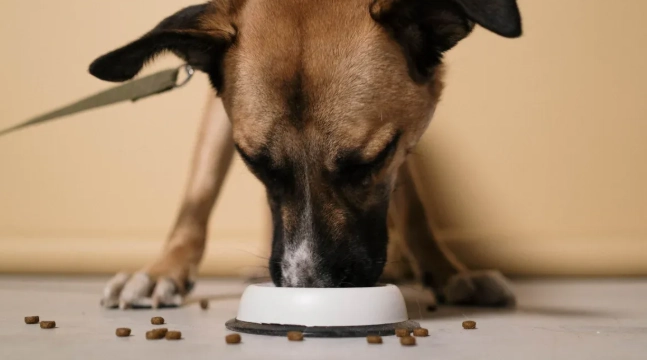
Rhodesian Ridgebacks are strong dogs. They have lots of energy. They need the best food. This helps them stay healthy. It helps them live a long time. Good food stops many problems. For example, some Ridgebacks have food allergies. About 1 out of 100 do. This is from a health survey. You need to pick good food for your dog. Think about what to feed them. Also, think about helpful dog supplements.
Key Takeaways
Rhodesian Ridgebacks need a special diet. This diet gives them energy. It helps them stay healthy.
Choose dog food with good protein. Avoid fillers like corn or soy. This helps prevent allergies.
Feed puppies and older dogs special food. Their needs change as they grow. This keeps them strong.
Supplements can help your dog. Joint support and Omega-3s are good. Always ask your vet first.
Prevent bloat by feeding small meals. Use a slow feeder bowl. Do not let your dog exercise right after eating.
Rhodesian Ridgeback Nutritional Needs
Breed-Specific Dietary Needs
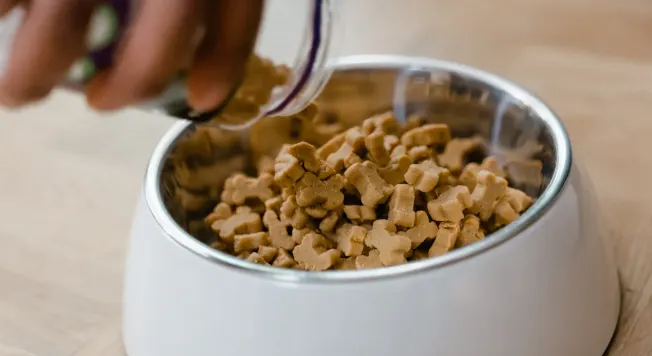
Rhodesian Ridgebacks are active dogs. They need special food. This food gives them energy. It helps their muscles grow strong. It makes their coat healthy. Good food keeps them quick. It also prevents sickness. You must pick the right food. It should fit their needs. This breed does well with good ingredients.
Key Macronutrients
Macronutrients are important. They keep your Ridgeback healthy. These are protein, fats, and carbs. Protein builds and fixes body parts. Fats give energy. They help use vitamins. Carbs give fast energy. Adult Rhodesian Ridgebacks need certain amounts. These are the percentages for their food:
| Nutrient | Percentage |
|---|---|
| Protein | 20-35% |
| Carbohydrates | 25% |
| Fat | 10% |
Your dog needs enough protein. Look for good animal protein. Fish oil gives good fats. Flaxseed also has good fats. Complex carbs give lasting energy.
Vital Micronutrients
Micronutrients are vitamins and minerals. They are very important. They help your Ridgeback's body. Vitamins help fight sickness. They also help with sight. They make bones strong. Minerals like calcium build strong bones. Iron helps blood carry oxygen. Zinc helps skin and coat. A balanced diet gives these nutrients. You find them in whole foods. Fresh veggies and fruits have many vitamins. Make sure your dog's food has all these. This keeps your Ridgeback healthy.
Selecting the Best Food

Picking the right food is a big choice. It is for your Rhodesian Ridgeback. You want food with lots of protein. It should not cause allergies. It needs to be easy to digest. Look for good protein sources. Chicken, beef, or fish are good. Make sure it has whole ingredients. Avoid unneeded fillers.
Quality Dry Kibble
Choose good dry kibble. The first ingredient should be meat. This means chicken, beef, or fish meal. Not just "meat by-products." Whole foods are good. Sweet potatoes, peas, and carrots are examples. Do not use corn, soy, or wheat. They do not add much nutrition.
You may ask about grain-free food. Some dogs do well without grains. Others need grains. If you pick grains, choose good ones. Oats, brown rice, and quinoa are good. They give fiber and energy. If your dog has skin issues, try fish kibble. Chicken and beef can cause allergies.
Wet Food Benefits
Wet food is good for your Ridgeback. It has much water. This helps your dog stay hydrated. It is good if your dog does not drink enough. Wet food often tastes better than kibble.
Canned wet food tastes great. It helps dogs that are picky eaters.
If your dog is picky, wet food can help. You can feed it alone. Or mix it with dry kibble. This makes meals more fun.
Raw Food Considerations
A raw food diet uses uncooked food. This includes meat, bones, fruits, and veggies. Many owners see good results. Coats get shinier. Teeth get cleaner. Dogs have more energy. Raw food also gives minerals. These help joints. Calcium and phosphorus are examples.
But raw food has risks. Handle raw meat carefully. This stops germs from spreading. Make sure the diet is balanced. An unbalanced diet can cause problems. Always ask your vet first. They can help make a safe plan.
Home-Cooked Meal Guidelines
Cooking for your dog gives you control. You use fresh, human-grade food. This helps their health and happiness. It keeps them active. It can stop common health issues. Processed kibble can cause problems.
Fresh food has Omega-3 fats. These reduce swelling. They help with arthritis. This is good for Ridgebacks. Fresh food keeps these fats good. They do not go bad. Fresh food has good protein. This builds strong muscles. It helps the heart. It also helps digestion. Stools will be smaller and less smelly.
When you cook, measure portions. Base them on age and weight. Also, consider activity. This helps keep a healthy weight. Do not overfeed your dog. Being overweight causes problems. It can lead to arthritis, diabetes, and cancer. A fresh food plan helps manage weight.
How to Feed Your Dog as They Grow
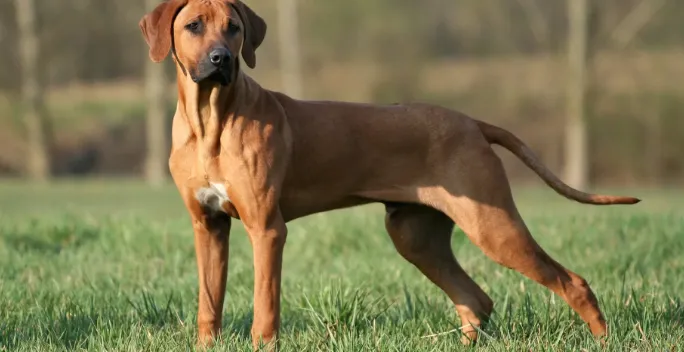
Your Rhodesian Ridgeback's food needs change. This happens as they get older. You need to change their food. It must fit each stage of life. This keeps them healthy and strong.
Feeding Puppies
It is key to feed your Ridgeback puppy right. Pick puppy food for big dogs. Some puppy foods have too much protein. They also have too much calcium. This can make big puppies grow too fast. Fast growth can hurt their body parts. These include tendons, muscles, and bones. Find puppy food for big dogs. It needs the right protein and calcium. You can also give them adult food right away. If you use puppy food, change it. Switch to adult food around 6 to 9 months old. Give your puppy 2-3 cups of good dry food daily. Split this into two meals.
Feeding Adults
Adult Rhodesian Ridgebacks need good food all the time. Give them 2-3 cups of good dry food every day. Split this amount into two meals. This helps stop bloat. Change the amount of food. Do this based on how active your dog is. Also, think about their body's speed. An active Ridgeback needs more food. A less active one needs less. Always give them fresh water.
Feeding Older Dogs
Older Ridgebacks need special care. Their food should help their joints. It should also help control their weight. Big dogs over 60 pounds need joint helpers. Think about adding Glucosamine And Chondroitin For Dogs. Omega-3 fish oil and Vitamin E also help. They fight bad things in the body. Eating fewer calories can lower sickness risk. It might also help your older dog live longer. Measure food amounts carefully. Use puzzle feeders. These make eating slower. Do not leave food out all day. Check your dog's body often. If your older Ridgeback has pee problems, add more protein. Do this unless your vet says no. Vitamin C can also make pee more acidic. Low oxalate foods might be an option too.
Essential Dog Supplements for Rhodesian Ridgebacks
You want your Rhodesian Ridgeback to live long. You want them to be healthy. Sometimes, food alone is not enough. Dog supplements can help. They support your dog's health.
Joint Support
Big dogs like Ridgebacks get joint problems. This happens as they get older. You can help their joints. Add joint support supplements. Omega-3 rich foods or Best Multivitamin Supplement For Dogs are good. Be careful with some products. Look for quality seals. These are NASC, GMP, or USP. Choose products vets support. Talk to your vet first. Do this before any changes. Your dog's needs are special.
Many studies back certain ingredients. They help joint health. Supplements and herbs help with pain. This is for dog arthritis. They protect cartilage. They also lower swelling. Glucosamine helps fix cartilage. It stops bad enzymes. Other things help too. These are hyaluronic acid. Undenatured type II collagen also helps. Plants like Boswellia serrata Roxb. help. Chlorophyll and green tea extract lower swelling. A study looked at a supplement. It had Boswellia serrata Roxb., chlorophyll, and green tea. It also had chondroitin sulfate. Glucosamine and hyaluronic acid were in it. This study showed good results. It was for dogs with arthritis.
A big review was done in 2022. It looked at many studies. It checked how well diets worked. It also checked supplements. This was for dog arthritis. The review had 57 articles. It had 72 trials. It focused on dogs. This research helps us know. It shows which supplements work.
Some ingredients are very good. ASUs lower swelling. A study had 16 dogs. ASUs caused less joint damage. Recovery was smoother. Green-lipped mussels help cartilage. They lower swelling. They work like omega-3s. They also work like chondroitin. Many studies confirm this. It helps dogs with arthritis. UC II comes from chicken. It stops cartilage damage. Give UC II alone. Do not mix it with others. This is for best results. Omega-3s have much science. You can give 1 teaspoon. This is for every 20 pounds. Give it daily. It is best as a separate product. This gives the right dose. It helps joints.
Omega-3s for Health
Omega-3 fatty acids are strong supplements. They help your Ridgeback a lot. They lower swelling in the body. This helps with arthritis. It helps with allergies. It helps with gut problems. These fats make skin healthy. They make coats shiny. They lower swelling. They make skin moist. This stops dryness. It stops itching. It stops flakes. EPA and DHA are in Omega-3s. They make skin and coat better. They lessen swelling. They ease joint pain. They help the heart. They help the brain. They may lower cancer risk.
Probiotics for Digestion
Good digestion is key. It helps your Ridgeback's health. Probiotics are good bacteria. They help the gut. They help dogs digest food. They help absorb nutrients.
| Probiotic Strain | Benefits for Canine Digestive Health |
|---|---|
| Bifidobacterium animalis | Lowers quick diarrhea. Makes gut health better. Lowers Clostridium difficile. Shortens diarrhea time. |
| Lactobacillus acidophilus | Makes puppies gain weight. Boosts basic immunity. Lowers allergy signs. Helps with other diseases later. |
| Lactobacillus rhamnosus | High in healthy dog gut. Fights bad germs. |
| Lactobacillus fermentum | Natural in dog gut. Stays strong. Changes gut bacteria. |
| Lactobacillus reuteri | Strong. Helps control dog gut infections. |
| Lactobacillus salivarius | Natural in dog gut. Strong and alive. |
For general health, 1-4 billion CFU works well. You can give more. This is for pets with gut issues. For pets with diarrhea, less may be enough.
Multivitamin Use
You may ask about multivitamins. Does your Ridgeback need one? Canine Multivitamin can fill gaps. This is if food lacks nutrients. Always ask a vet first. Do this before new supplements. Your vet can say if needed. They can tell the right dose. Too many vitamins can harm. Get expert advice. Avoid too much.
Dietary Challenges & Solutions
Your Rhodesian Ridgeback may face specific dietary challenges. Knowing how to handle them keeps your dog healthy.
Bloat Prevention
Bloat, or Gastric Dilatation-Volvulus (GDV), is a serious condition. It is common in deep-chested, large breeds like Ridgebacks. Several factors increase risk. Your dog might eat too quickly. Feeding one large meal daily also increases risk. Exercising soon after eating is another factor. Some dogs are nervous. Using a raised food bowl can also be a risk.
You can take steps to prevent bloat. Feed smaller, more frequent meals. Use a slow feeder bowl. This makes your dog eat slower. Feed your dog from floor level. Do not use an elevated bowl. Avoid vigorous exercise around feeding times. Choose dog foods with real meat as the first ingredient. Ensure the food has a good balance of calcium and phosphorus. Avoid foods with too many fillers. Always provide fresh water. Remember, even with precautions, bloat can still happen.
Food Allergy Management
Food allergies can make your Ridgeback uncomfortable. You might notice itchy skin. Ear infections are common. Your dog may lick their paws a lot. Hives or a greasy coat can also appear. Some dogs have stomach issues. These include vomiting, diarrhea, or gas.
If you suspect allergies, your vet may suggest an elimination diet. This diet lasts 10-12 weeks. You feed your dog a special food. This food has proteins your dog has never eaten before. It could be rabbit or kangaroo. Hydrolyzed protein diets also work. During this time, you must avoid all treats. Do not give chewable toys or flavored medications. If your dog gets better, you reintroduce their old food. If symptoms return, it confirms a food allergy.
Weight Management
Keeping your Ridgeback at a healthy weight is very important. Overweight dogs can develop arthritis earlier. You need a proper diet and exercise routine. Keep your dog’s diet consistent. Avoid giving human food. Feed a high-quality Glucosamine And Chondroitin For Dogs suitable for their age.
To help your dog lose weight, your vet will guide you. They will calculate how much food your dog needs. This is based on their ideal weight. Your dog might start with 50% to 65% of their normal energy needs. You also need a physical activity plan. This plan is for your dog and your situation. It can include walking, running, or play. Your vet will check your dog's weight every 1 to 3 weeks. They will adjust the food and exercise as needed.
Good food is very important. It helps your Rhodesian Ridgeback. They will be healthy and strong. They will live a long time. You learned about good food choices. You also learned about feeding them as they grow. Dog supplements can also help. These tips are helpful. But every dog is different. Always ask your vet for advice. They can make a special food plan. Good food makes your bond stronger. This is with your loyal dog.
FAQ
How often should I feed my adult Rhodesian Ridgeback?
Feed your adult Ridgeback two times a day. This stops bloat. Split their daily food into two meals. Always give them fresh water. 💧
What foods commonly cause allergies in Ridgebacks?
Chicken and beef often cause allergies. If your Ridgeback has skin problems, try fish food. Corn, soy, and wheat can also cause issues. Find foods that do not cause allergies.
Do all Ridgebacks need supplements?
Not every Ridgeback needs supplements. Good food gives many nutrients. Supplements help if food is missing things. They also help with special needs. Always ask your vet first. Your vet knows best! 🩺
How can I prevent bloat in my Ridgeback?
Give smaller meals more often. Use a slow feeder bowl. Do not let them exercise after eating. Do not use raised food bowls. These steps lower bloat risk. Bloat is a serious problem.

0 Comments