
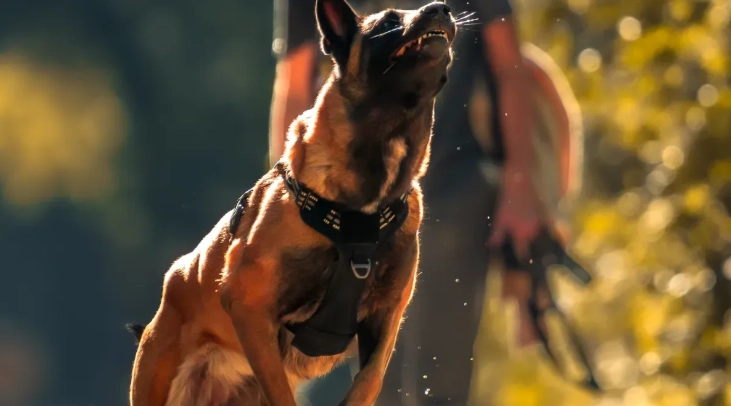
You want to see your dog strong, healthy, and full of energy. The Ronzeil dog treadmill lets you help your dog build muscle in a safe and fun way. With adjustable workouts, you can control the pace and intensity to match your dog's needs. This tool turns exercise into a routine that supports muscle growth and keeps your dog happy.
Key Takeaways
- Use the Ronzeil treadmill to help your dog get stronger in a safe way. Change the speed and incline to fit your dog's fitness.
- Begin with easy walks for 20 to 30 minutes, two or three times each week. This helps your dog feel safe and builds trust.
- Add incline and resistance workouts to work different muscles. This makes your dog stronger and helps with endurance.
- Watch your dog for signs of doing too much. Make sure to have rest days so muscles can heal and grow.
- Give your dog a balanced diet with lots of protein and important amino acids. Good food helps muscles grow and keeps your dog healthy.
Why Dogs Gain Muscle Mass with Treadmill Training
Muscle Growth Basics in Dogs
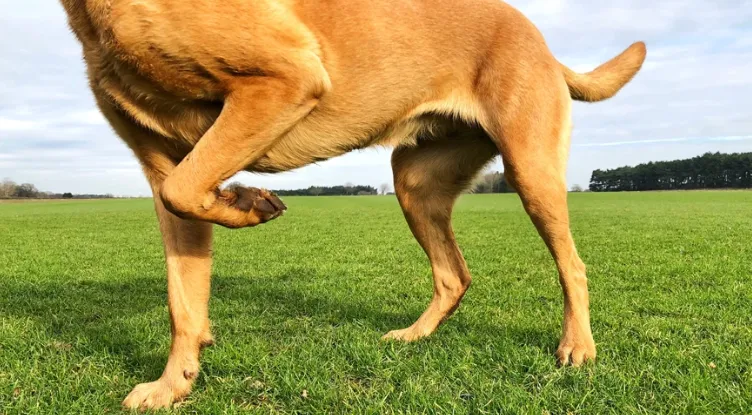
When you want your dog to gain muscle mass, you need to understand how their bodies work. Dogs build muscle when they use their muscles during exercise. Each time your dog moves, tiny fibers in their muscles break down a little. After the workout, the body repairs these fibers, making them stronger and bigger. This process is called muscle growth. You help your dog get stronger by giving them regular exercise that challenges their muscles.
A dog treadmill gives you control over how much work your dog does. You can set the speed and time, so your dog gets just the right amount of exercise. This helps with building muscle strength safely. When you use a doggy treadmill, you make sure your dog gets a steady workout, even if the weather is bad outside.
Benefits of Resistance and Incline Workouts
You might wonder why incline and resistance matter. When you add an incline to the dog treadmill, your dog has to push harder with each step. This targets different muscle groups, like the hips, thighs, and shoulders. Resistance makes the workout even tougher, helping your dog build more mass and strength.
Check out how resistance treadmill training can improve your dog’s strength:
| Joint Type | Flexion Improvement (%) | Extension Improvement (%) |
| Carpal | 12.21 | N/A |
| Tarsal | 2.89 | N/A |
| Elbow | N/A | 0.61 |
| Stifle | N/A | 2.55 |
| Hip | N/A | 5.6 |
These numbers show that dogs can get real results from using dog runner treadmills. You help your dog get stronger joints and better movement. The benefits go beyond just muscle. Your dog feels more energetic and confident. With the right training, you set your dog up for a healthy, active life.
Tip: Always watch your dog during treadmill sessions. Start slow and increase the challenge as your dog gets used to the workout.
Dog Treadmill Features for Muscle Building
Adjustable Speed and Incline
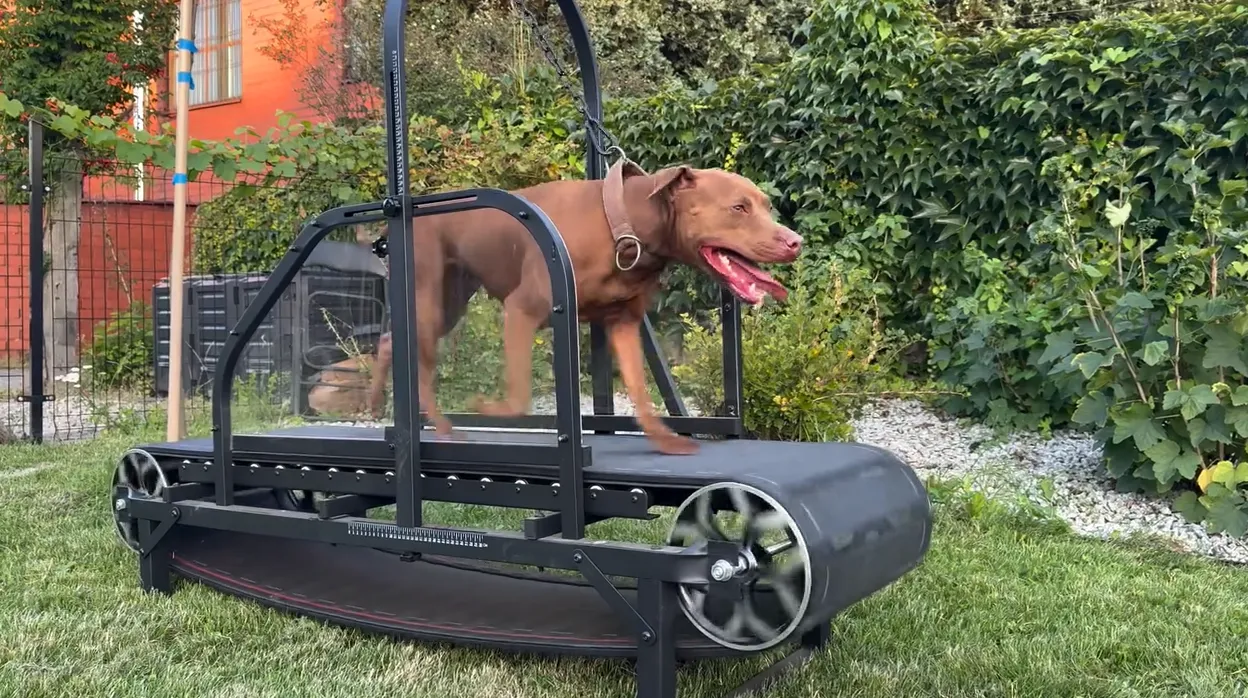
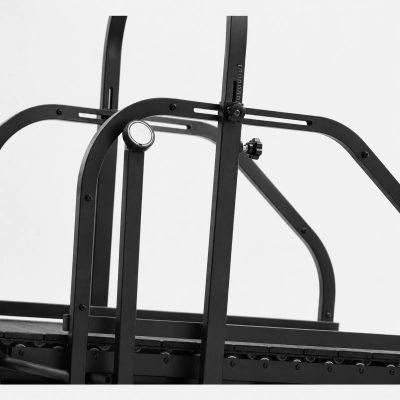
You want your dog to get the most out of every workout. The Ronzeil canine treadmill gives you the power to adjust the incline for each session. This means you can match the workout to your dog's breed, age, and fitness level. Since this is a non-electric treadmill, your dog controls the speed. That helps your dog feel confident and safe during exercise.
Here’s what you get with the Ronzeil doggy treadmill:
- Adjustable incline settings for different training needs
- Dogs set their own pace, so there are no sudden speed changes
- Eleven degrees of incline for real resistance and muscle building
When you add resistance, your dog works harder. This builds strength and stamina. You can see the benefits in your dog’s stronger legs and better endurance. The treadmill’s quiet operation also helps dogs of all sizes feel comfortable.
Safety and Monitoring Functions
You care about your dog’s safety. The Ronzeil treadmill comes with smart safety features that protect your dog during every workout. Check out how these features work:
| Safety Feature | Description |
| Emergency Stop Buttons | Quickly halts the treadmill if your dog is in danger. |
| Side Rails | Prevents your dog from stepping off the treadmill while in use. |
| Non-Slip Running Surfaces | Textured surface aids in grip and reduces slipping. |
| Step-Up Height Under 6 Inches | Minimizes joint strain when your dog gets on and off. |
These safety features match those found on other top dog runner treadmills. You get peace of mind knowing your dog is protected. The treadmill’s design also helps prevent common problems like quick speed changes or joint strain. Your dog can focus on training and building muscle without worry.
Tip: Always keep water nearby and watch your dog during workouts. This helps prevent dehydration and keeps every session safe.
How to Build a Dog's Muscle with the Ronzeil Treadmill
Starting with Light Walks
You want your dog to feel comfortable and confident on the doggy treadmill. Start with light walks. This helps your dog get used to the movement and sound. You can set the treadmill at a slow speed, around 1 to 2.5 km/h. Let your dog walk for 20 to 30 minutes. Try this two or three times a week. These short sessions help your dog adapt without feeling tired or stressed.
- Light walks lasting 20 to 30 minutes
- Frequency of two to three times per week
Always watch your dog during these first sessions. Look for signs of excitement or nervousness. Give lots of praise and treats. This builds trust and makes your dog love the routine. If your dog has never used a treadmill before, stay close and use the safety features. The side rails and non-slip surface keep your dog safe.
Tip: Keep sessions positive and end on a happy note. Your dog will look forward to the next walk!
Progressing Workouts for Muscle Gain
Once your dog feels comfortable, you can start building muscle strength. Gradually increase the speed and add a gentle incline. This makes your dog's muscles work harder. You can adjust the treadmill slope from 10° up to 25°. This targets the legs, hips, and shoulders, helping your dog gain muscle mass.
Here’s a simple way to progress:
- Begin with 20–30 minute sessions at a slow speed.
- Slowly raise the incline over several weeks.
- Watch your dog’s movement. Make sure both front and back legs move smoothly.
- Increase the number of sessions to two or three times a day, up to six days a week, if your dog’s fitness level allows.
Interval training, where you mix short bursts of faster walking with slower recovery periods, can boost conditioning and muscle growth. Resistance from the incline helps with building muscle mass. You may notice your dog getting stronger and more energetic. The benefits go beyond just muscle—your dog will have better endurance and confidence.
Note: Every dog is different. Adjust the plan to fit your dog’s age, breed, and health.
Preventing Overtraining and Injury
You want your dog to stay healthy and avoid injuries. Overtraining can slow progress and cause problems. Watch for these signs:
- Wear-and-tear on paw pads, like redness or thinning
- Sore muscles, shown by trouble getting up or moving
- Heat sickness, such as heavy panting or drooling
- Behavioral changes, like refusing to walk or acting tired
To keep your dog safe, follow these steps:
- Watch for signs of overtraining, such as fatigue or injuries.
- Create a training schedule with warm-ups and cool-downs.
- Monitor your dog’s condition during every session.
- Add recovery days with light activity to balance hard workouts.
The Ronzeil treadmill’s safety features help protect your dog during every session. Always check your dog’s paws and joints after exercise. Give your dog plenty of water and rest. This keeps your dog happy and ready for the next workout.
Callout: Building muscle takes time. Patience and careful monitoring help your dog reach their best fitness level.
You can use the dog slatmill to build a dog's muscle safely and effectively. With the right training, you support your dog’s conditioning, strength, and overall health. The benefits of dog runner treadmills go far beyond just building muscle strength—they help your dog live a longer, happier life.
Supporting Muscle Growth Beyond the Treadmill
Nutrition for Muscle Development
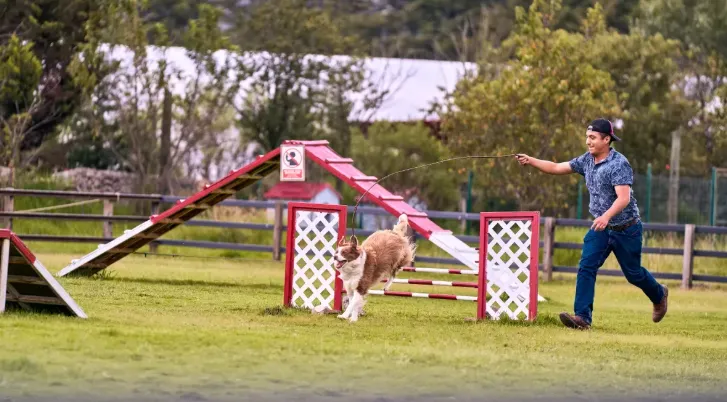
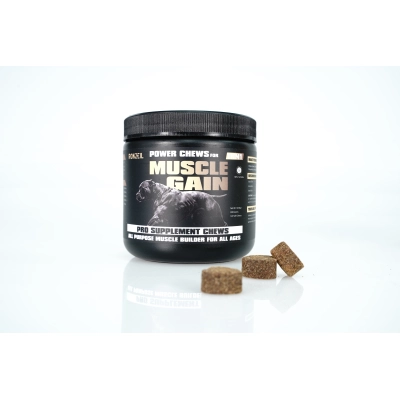
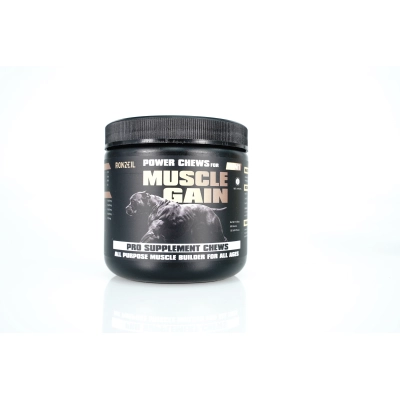
Exercise is not enough for your dog to gain muscle. Good nutrition is very important for muscle growth and health. Protein helps your dog build strong muscles. Amino acids like arginine, histidine, and leucine help repair muscles after workouts. Omega 3 fatty acids fight swelling and help the heart. You can use supplements with vitamin E, probiotics, flaxseed, and folic acid to help muscles grow.
- High-quality protein
- Essential amino acids
- Anti-inflammatory foods with Omega 3
- Supplements for protein and amino acid availability
Here are ten amino acids your dog needs for muscle:
- Arginine
- Histidine
- Isoleucine
- Leucine
- Lysine
- Methionine
- Phenylalanine
- Threonine
- Tryptophan
- Valine
Feed your dog the right foods every day to help them grow strong.
Importance of Rest and Recovery
Muscles grow when your dog rests after exercise. Plan three to five treadmill sessions each week. Give your dog at least one full rest day. Do not do hard workouts two days in a row. If your dog trains harder or longer, add more rest time. Recovery days let muscles heal and stop injuries. You can add easy walks or swimming on rest days to keep your dog moving.
Tip: Rest is as important as training. Your dog needs time off to stay strong and healthy.
Tracking Progress and Results
You want to see your dog's progress from training. You can check body condition score (BCS) to track muscle and health. Aim for a BCS of four or five for best results. Use a tape measure or DEXA scan to check muscle and body fat. You may see your dog run longer or have more energy after a few weeks. Outdoor games like stair climbing, tug of war, and swimming also help build muscle and keep your dog healthy.
| Outcome | Description |
| Body Condition Score (BCS) | Dogs with a BCS of three to seven show positive effects. Aim for a BCS of four to five. |
| Exercise Frequency | Dogs improved by jogging two kilometers twice a week. |
| Measurement Methods | Use tape measurements and DEXA to check muscle and body fat. |
Mix treadmill training with other activities to help your dog gain muscle and stay healthy. Watch your dog's progress and celebrate every goal.
You can help your dog get stronger and healthier with the Ronzeil treadmill. Check out these key benefits:
| Feature | Benefit |
| Incline Adjustment | Builds muscle and improves strength |
| Resistance Training | Customizes workouts for better muscle gain |
| Suitability for All Breeds | Works for every dog, big or small |
Remember these tips for the best results:
- Start slow and increase the challenge over time.
- Watch your dog during every session.
- Give your dog good food and plenty of rest.
- With the right plan, you set your dog up for a happy, active life!
FAQ
How often should my dog use the Ronzeil treadmill?
You can start with two or three sessions each week. As your dog gets stronger, you can add more days. Always watch for signs of tiredness and give your dog rest days.
Can puppies use the Ronzeil treadmill?
Puppies can use the treadmill, but you should ask your vet first. Start with short, slow walks. Make sure your puppy feels safe and happy during every session.
What breeds benefit most from treadmill training?
All breeds can benefit! Large, active dogs build muscle and burn energy. Small breeds improve fitness and confidence. You can adjust the treadmill for any size or energy level.
How do I know if my dog is gaining muscle?
You may see firmer legs and more energy. You can measure your dog’s chest and thighs with a tape. Take photos every few weeks to track changes.
Blog comments
0 Comments