
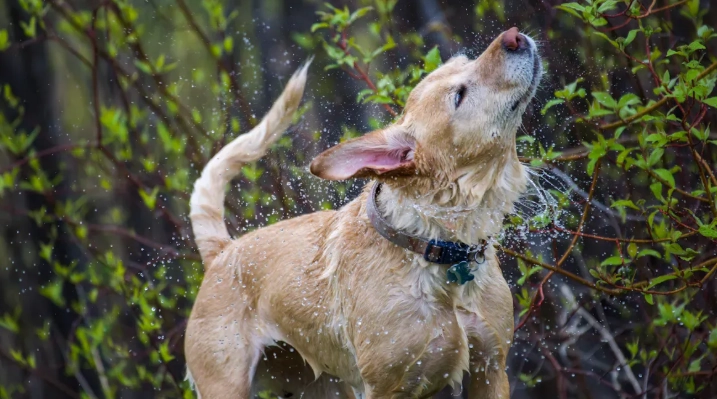
Think a walk every day is enough for your dog? Many dogs want more exercise than you think. If your dog does not get enough exercise, it can get overweight. It can also feel nervous or start bad habits. How much exercise your dog needs depends on breed, age, and health. Big dogs usually need longer walks. Older dogs do better with easy and gentle exercise. A dog treadmill can help your dog stay active. This is useful when you cannot go outside.
| Size | Age | Energy Level | Exercise Recommendation |
| Small | Puppy | High | Many short play times each day |
| Medium | Adult | Moderate | 60-90 minutes |
| Large | Senior | Low | Easy exercises like swimming |
Key Takeaways
- Regular exercise is very important for your dog’s health. It keeps your dog’s body strong and mind calm. Exercise helps your dog stay at a healthy weight. It also lowers stress and worry.
- Dogs need different amounts of exercise. This depends on their breed, age, and health. You should pick activities that match your dog’s needs.
- For puppies, use the ‘5 minutes per month of age’ rule. This keeps exercise safe and helpful. Short and fun sessions are best for young dogs.
- Try many activities like walking, running, and training. This keeps your dog interested and happy.
- You can use a dog treadmill for exercise indoors. This is good when the weather is bad or space outside is small.
Why Daily Exercise Matters
Physical Health Benefits
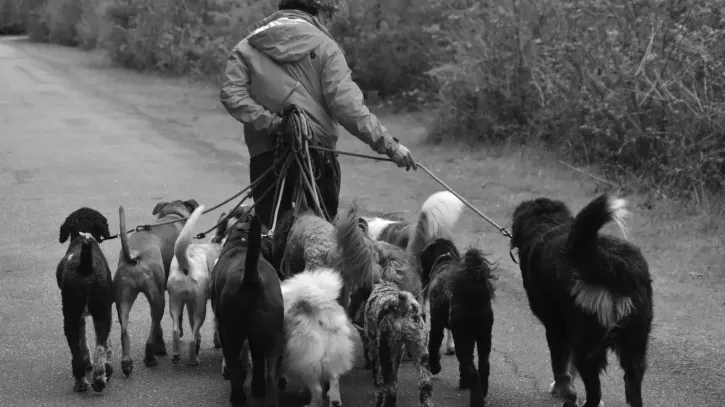
You want your dog to stay healthy and strong. Exercise helps your dog manage weight and build muscle. When your dog moves every day, it burns calories and keeps fat away. Muscle health is important for your dog's joints and mobility. If your dog gains too much weight, it can lose muscle because joint pain makes it less active. You can help your dog keep its fitness by making sure it gets regular exercise and eats a balanced diet.
- Exercise keeps your dog's body lean.
- It builds strong muscles for better movement.
- It protects joints and helps your dog stay active.
Take a look at what studies show:
| Study Focus | Findings |
| Body Composition | Dogs lose fat and gain muscle after an exercise program. |
| Evaluation Methods | Chest, belly, and thigh measurements show fitness better than weight. |
| Recommendations | More research will help us understand how exercise changes body shape. |
You can see that exercise does more than just help your dog lose weight. It improves overall fitness and keeps your dog moving with ease.
Mental Health Benefits
Exercise is not just for your dog's body. It helps your dog's mind, too. When your dog plays and moves, it feels happier and less anxious. Dogs that get enough exercise sleep better at night. Playtime and activity lower stress and help your dog relax.
| Evidence Description | Findings |
| Daytime activity and sleep behavior | Exercise improves sleep and reduces anxiety in dogs. |
| Play and positive feelings | Play lowers stress and helps your dog feel good. |
| Sleep and activity cycle | Poor sleep makes dogs less active, which can increase anxiety. |
If you give your dog enough exercise, you will see fewer bad behaviors. Your dog will bark less, chew less, and feel calmer. Exercise builds a strong bond between you and your dog. It makes your dog happier and improves its fitness every day.
How Much Exercise Does a Dog Need?
Every dog is different. Some love running all day, while others enjoy a slow walk. Exercise needs change with age, breed, and health. Let’s break down what your dog needs at each stage of life.
Puppies
Puppies have lots of energy, but their bodies are still growing. You want to keep them active, but not overdo it. Exercising your puppy helps build strong muscles and healthy habits. Short play sessions work best. Try to keep each session fun and positive.
- Use the "5 minutes per month of age" rule. For example, a 3-month-old puppy can walk for 15 minutes, twice a day.
- Keep training or play sessions around 10 minutes. Puppies have short attention spans.
- Exercising your puppy should include gentle walking, running in safe spaces, and simple training games.
Here’s a quick guide for different puppy sizes and energy levels:
| Size | Age | Energy Level | Exercise Recommendation |
| Small | Puppy | High | Multiple short play sessions daily |
| Small | Puppy | High | Frequent play sessions,moderate time |
| Large | Puppy | Moderate | Short, controlled play sessions |
Tip: Always watch your puppy for signs of tiredness. Stop if your puppy seems worn out or wants to rest.
Adult Dogs
Healthy adult dogs need regular exercise to stay fit. Walking, running, and training keep their bodies and minds sharp. Most adult dogs need at least 30 minutes of activity each day. Many breeds need more. Some high-energy dogs, like German Shepherds or Brittany Spaniels, need a minimum of one to two hours of exercise daily.
- Walking is great for most dogs. Try to walk at least 30 minutes every day.
- Running, fetch, and agility training add variety and excitement.
- Training sessions help with focus and mental exercise.
Here’s a look at how much exercise some high-energy breeds need:
| Dog Breed | Daily Exercise | Requirement Activities and Routines |
| Brittany Spaniel | More than 1 hour | Agility, running, hiking, scentwork, fetch, and mental games |
| Springer Spaniel | 1 to 2 hours | Long walks, fetch, jogging, agility, and hunting trips |
| German Shepherd | Minimum 1 hour | Brisk walking, dog sports, running, swimming, and puzzle toys |
| Rottweiler | 1 hour or more | Long walks, fetch, hiking, and advanced training |
| Bernese Mountain Dog | At least 1 hour | Regular walking, playtime, and activities to prevent boredom |
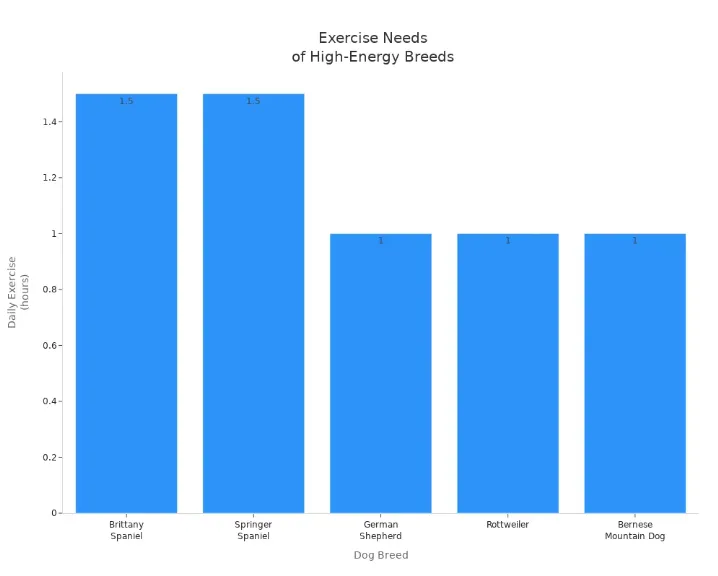
Note: Some dogs love running and need more than just daily walks. If you have a high-energy breed, plan for extra play, running, and training.
Senior Dogs
Exercising your senior dog keeps them healthy and happy. Older dogs may slow down, but they still need movement. Walking is gentle and helps keep joints flexible. Swimming is another great choice for seniors because it is easy on the joints.
- Choose low-impact activities like walking on soft grass or swimming.
- Keep training sessions short and simple. This helps with memory and keeps your senior dog engaged.
- Running may not be safe for every senior dog. Always check with your vet before starting new activities.
Senior dogs often have health issues like arthritis or heart disease. Watch for signs of pain or tiredness. Exercising your senior dog should always match their comfort level.
If your senior dog struggles with long walks, try shorter sessions more often. Gentle training and slow walking can make a big difference.
No matter your dog’s age, regular exercise, walking, running, and training help them stay fit and happy. Adjust routines as your dog grows older or if their health changes. Always listen to your dog’s needs and talk to your vet if you have questions.
Factors Affecting Dog Exercise
Breed and Size
Breed and size play a big role in how much exercise your dog needs. Some dogs have endless energy, while others prefer to relax. You want to match the type of exercise to your dog's breed and size. Take a look at this table to see what works best:
| Breed Size | Exercise Type and Requirements |
| High-energy breeds | Require vigorous exercises such as running and agility training. |
| Low-energy breeds | Suited for leisurely walks and gentle play. |
| Small breeds | Benefit from short walks and indoor play. |
| Medium breeds | Enjoy moderate exercise like long walks and fetch. |
| Large breeds | Need ample space for long walks and playtime in open areas. |
If you have a high-energy dog, you might need to plan extra activities. Small dogs often get enough exercise with short walks and indoor games. Large dogs need more space and longer walks to stay healthy.
Weight and Health
Your dog's weight and health can change how much exercise is safe. Overweight dogs need to start slow and build up their activity. Dogs with joint pain or health problems may need gentle exercise, like swimming or short walks. Always watch for signs of tiredness or pain. If your dog has special health needs, talk to your vet before starting a new exercise routine.
Tip: Keep exercise fun and positive. If your dog seems tired, let it rest and try again later.
Lifestyle and Environment
Where you live affects your dog's exercise routine. Dogs in rural areas often move more than city dogs. Young dogs in the country usually have higher activity levels than those in cities. But rural places may not have sidewalks or parks, which can make exercise harder. Safety is important, too. Busy roads or wild animals can limit where your dog can play.
- Dogs in rural areas often get more exercise than city dogs.
- Young dogs in the country are usually more active.
- Some rural places lack safe spots for exercise.
- Safety concerns, like traffic or wildlife, can limit outdoor play.
Think about your daily routine and your dog's needs. You can find ways to keep your dog active, no matter where you live.
Signs of Inadequate Exercise
Behavioral Signs
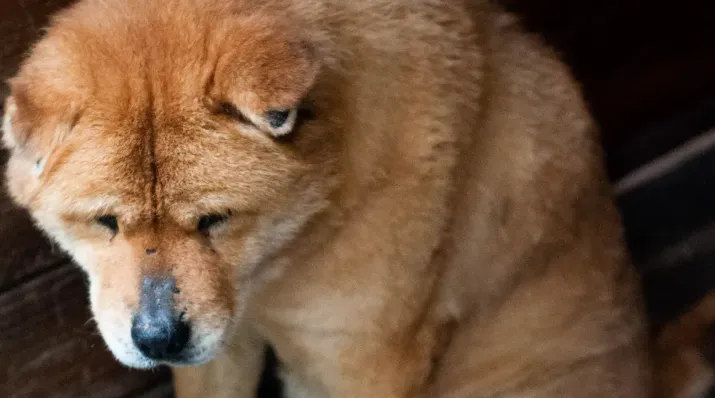
Sometimes your dog acts out if it does not get enough exercise. Dogs need to move and think to feel happy. If your dog feels bored or restless, it may start doing things you do not like. Here are some signs to watch for:
- Your dog chews on furniture or shoes when it feels upset.
- It digs holes in the yard or garden to use up energy.
- Your dog barks or whines more, especially when alone.
- It acts wild and cannot calm down, which happens a lot with young dogs.
- Your dog stays away from family and seems sad or not interested.
- If your dog starts breaking things or looks sad, it might need more exercise and play. These problems often get better when you add more activity to your dog's day.
Physical Signs
Physical signs can show if your dog is not moving enough. When your dog does not get enough exercise, its body can change in ways you can see. Watch for these signs:
- Your dog gains weight because it does not burn enough calories.
- Its joints get stiff, especially in older dogs that sit too much.
- Your dog loses muscle and looks weaker or less fit.
- It barks or whines a lot, which can mean it needs more activity.
- Your dog is too hyper and cannot relax.
Dogs need regular exercise to stay strong and healthy. If you see these signs, try giving your dog more walks, play, or training. You will see your dog get happier and behave better.
Overcoming Exercise Barriers
Bad Weather or Busy Schedules
You know how hard it can be to stick to an exercise routine when life gets busy or the weather turns bad. Many dog owners face these challenges every week. Sometimes you think your dog gets enough activity just by being outside, but that is not always true. Surveys show that 43% of owners believe their dog self-exercises or is an outside dog, which lowers their motivation to walk them. Other barriers include trouble controlling your dog and worries about meeting other dogs.
Weather can make your exercise routine tough. Take a look at how different conditions affect outdoor activity:
| Weather Condition | Impact on Exercise Likelihood |
| Cold | 48.2% less likely |
| Ice | 64.0% less likely |
| Rain | 25.3% less likely |
| Hot | 81.7% reduced duration |
| 87.0% less vigorous exercise |
You might skip walks when it rains or gets icy. Hot days can make your dog tired faster. If you have a busy schedule, you may not find time for a regular exercise routine. Try to plan ahead and use short bursts of activity when you can.
Tip: If you cannot go outside, play fetch or tug of war indoors. These games help your dog burn energy and stay happy.
Limited Outdoor Access
Living in an apartment or a place without safe walking areas can make your exercise routine tricky. You do not have to give up on keeping your dog active. There are many indoor options that work well for dogs with limited outdoor access:
- Tug of War: Use a strong toy and set rules for safety.
- Puzzles and Games: Try snuffle mats or lick mats to challenge your dog’s mind.
- Create an Indoor Obstacle Course: Use chairs, cushions, or boxes for your dog to navigate.
- Use a Flirt Pole: This wand toy gets your dog moving and chasing.
- Take a Field Trip: Visit dog-friendly stores or indoor parks.
- Go to a Dog Playgroup: Let your dog socialize and play with others.
- Sign Up for an Obedience Class: Training keeps your dog sharp and active.
You can build a fun exercise routine even when you cannot go outside. Mix up activities to keep your dog interested and healthy.
Dog Treadmill for Indoor Exercise
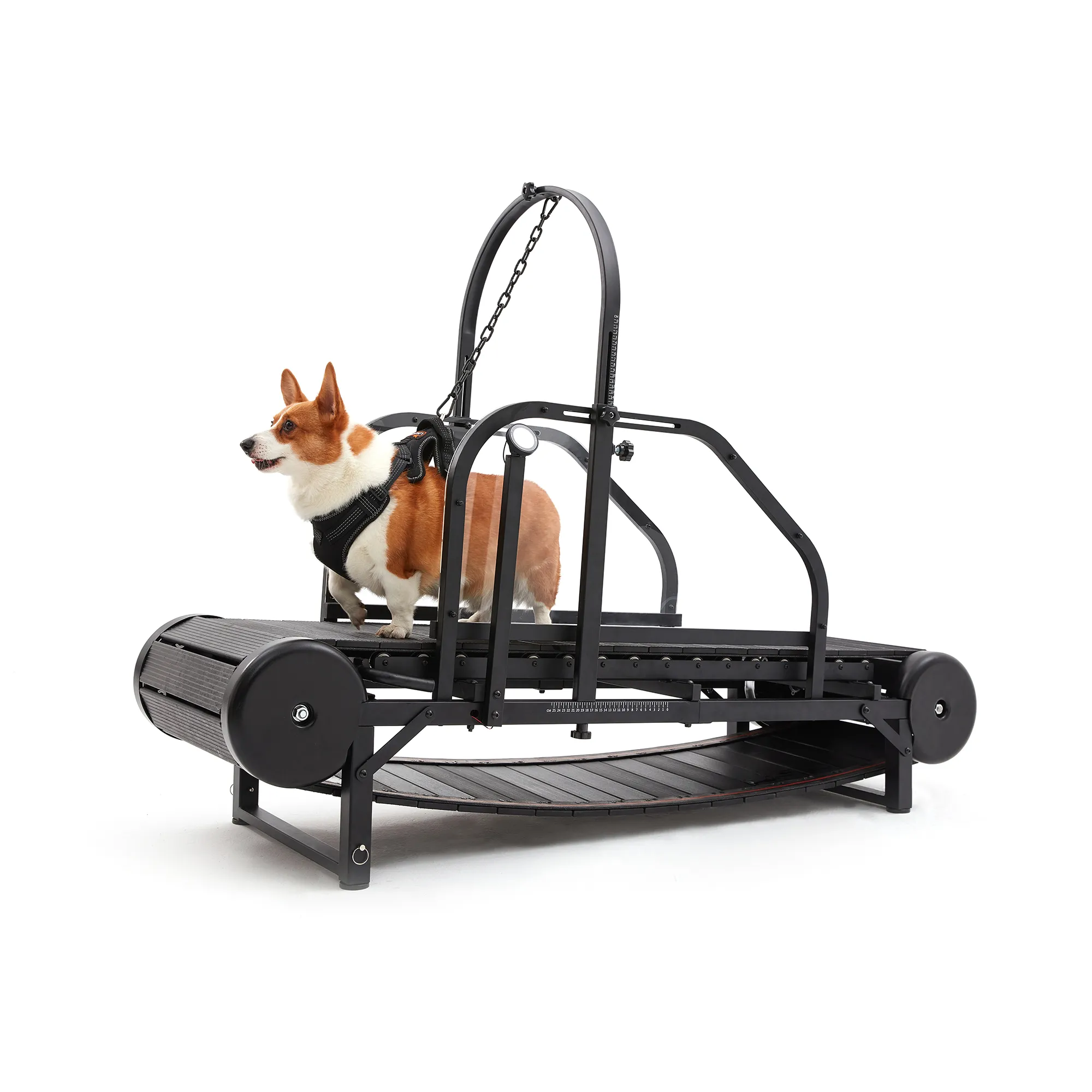
Dog Treadmill Benefits
Sometimes, you just cannot get outside for a walk. Maybe it is raining, snowing, or you have a busy day. A canine treadmill gives your dog a way to stay active indoors. You can use a dog treadmill to help your dog burn energy, keep muscles strong, and avoid boredom. This tool works well for all kinds of dogs, from high-energy breeds to seniors who need gentle movement.
A dog treadmill lets you control the workout. You can set the pace and time, so your dog gets the right amount of exercise. This helps with weight control and keeps your dog’s mind sharp. Many owners find that a dog treadmill makes it easier to stick to a routine, even when life gets hectic.
Tip: A dog treadmill is a great choice if you live in an apartment or have limited outdoor space. It also helps when your dog needs extra exercise or has special health needs.
Manual vs. Electric Dog Treadmill
You have two main choices: manual or electric. Each type has its own features for exercise and safety. Let’s look at how they compare:
| Feature | Manual Treadmills | Electric Treadmills |
| Speed Control | Dogs set their own speed, which can lead to excitement. | You set the speed, giving you more control. |
| Safety Features | Usually basic, with fewer advanced safety options. | Often have emergency stop buttons for extra safety. |
| User Engagement | Needs less owner help once your dog learns it. | You guide your dog’s pace and watch for safety. |
| Dog’s State of Mind | Can make dogs feel excited or overstimulated. | Helps dogs stay calm and focused during exercise. |
| Energy Burn | Dogs may run faster and burn more energy. | Offers steady exercise, but sometimes less intense. |
When you pick a dog treadmill, think about your dog’s needs and your own routine. Manual treadmills let your dog choose the pace, which some active dogs love. Electric treadmills give you more control and often come with extra safety features. Both types can help your dog stay fit and happy indoors.
Note: Always watch your dog while using a dog treadmill. This keeps every session safe and fun.
Introducing Your Dog to a Treadmill
Step-by-Step Introduction
Getting your dog comfortable with a treadmill takes patience and a positive attitude. You want your dog to see the treadmill as a fun place, not something scary. Start slow and let your dog explore the machine before you turn it on.
- Place the treadmill in a quiet spot. Let your dog sniff and walk around it.
- Use treats or favorite toys to encourage your dog to step onto the treadmill. Praise every small step.
- Turn the treadmill on at the lowest speed. Stand next to your dog and offer treats. Keep the first session short—just a few minutes.
- Gradually increase the time and speed as your dog gets more confident. Watch for signs of stress or excitement.
- Make each session positive. End with a treat or playtime so your dog looks forward to the next workout.
Tip: If your dog seems nervous, stop and try again later. You want your dog to feel safe and happy every time.
Safety Tips
Safety matters when you use a dog treadmill. You can prevent injuries and keep your dog healthy by following these simple steps:
- Always supervise your dog while it uses the treadmill. Stay close to prevent falls or accidents.
- Get familiar with safety features like barriers and emergency stop buttons. These help you react quickly if something goes wrong.
- Watch your dog for signs of distress. If you notice limping, heavy panting, or confusion, stop the session and check your dog.
- Keep the treadmill in good shape. Oil the belt and check for damages regularly.
- Clean the treadmill after each use. This keeps bacteria away and makes the treadmill safe for your dog.
Note: Your dog’s safety comes first. If you ever feel unsure, ask your vet or a trainer for advice.
A dog treadmill can become a great tool for indoor exercise. You just need to introduce it slowly and keep safety in mind. Your dog will soon enjoy the routine and stay active, even when you cannot go outside.
Sample Weekly Exercise Plan
You want your dog to stay happy and healthy all week. A simple plan helps you keep track of exercise and makes sure your dog gets what it needs. Here’s how you can break it down for different ages and energy levels.
Puppies
Puppies have lots of energy, but their bodies are still growing. Short, fun sessions work best. Try this plan:
- Morning: 10-minute walk or gentle play
- Afternoon: 10-minute training game or fetch
- Evening: 10-minute indoor play or tug
Tip: Use the “5 minutes per month of age” rule for each session. Watch for signs of tiredness and let your puppy rest.
Adults
Adult dogs need regular exercise to stay fit. The amount depends on their energy level. Check out this table for easy planning:
| Energy Level | Daily Exercise Time | Example Breeds |
| High-energy | 60–120+ minutes | Border Collie, Labrador, Husky |
| Medium-energy | 60–90 minutes | Bulldog, Basset Hound, Chow Chow |
| Low-energy | 30–60 minutes | Chihuahua, Pug, Bichon Frise, Greyhound |
Mix up walks, play, and training. Try to split exercise into two or three sessions each day.
High-Energy Breeds
If you have a high-energy dog, you know they need more action. Here’s a sample week:
- Daily: 1 long walk (45–60 minutes) + 1 treadmill session (20–30 minutes)
- 3x a week: Agility, fetch, or running games
- Every day: Puzzle toys or scent games for mental exercise
Note: High-energy dogs love variety. Change up activities to keep them interested.
Seniors
Older dogs still need movement, but keep it gentle. Try these ideas:
- Short walks (5–15 minutes) on flat ground, 2–3 times a day
- Swimming or water therapy for easy joint movement
- Gentle fetch or tug with soft toys
- Hide treats around the house for a fun search game
- Encourage slow step-ups on low platforms
Always watch your senior dog for signs of pain or tiredness. Adjust the plan as needed.
A weekly plan helps you stay on track. You can adjust the routine as your dog grows or if its needs change. Your dog will thank you with a wagging tail and a happy heart!
You want your dog to feel good and stay healthy. Exercise helps your dog avoid getting overweight. It also keeps your dog moving and active. Doing exercise often is more important than doing it hard. Dogs like having a routine they can count on. Studies show dogs who exercise regularly are healthier and have more energy. A dog treadmill can help your dog exercise indoors when you cannot go outside. Always watch how your dog acts after exercise. Talk to your vet to find the best plan. Change your dog's routine as it gets older or its needs change. This helps your dog stay healthy for life.
FAQ
Is a dog treadmill safe for my dog?
Yes, a dog treadmill is safe when you use it the right way. Always watch your dog during exercise. Start slow and let your dog get used to the treadmill. Ask your vet if you have any concerns.
How long should my dog use a treadmill?
Most dogs do well with 10 to 20 minutes per session. High-energy dogs may need more time. Watch your dog for signs of tiredness. Stop if your dog seems stressed or wants to rest.
Can large breeds use a dog treadmill?
Absolutely! Many treadmills fit large breeds. Just check the size before you buy. Your dog should walk or run comfortably without feeling crowded.
Is a manual dog treadmill better than an electric one?
Many trainers like manual treadmills because your dog controls the speed. Electric treadmills give you more control over pace and time. Choose the one that fits your dog's needs and your routine.


Blog comments
0 Comments