

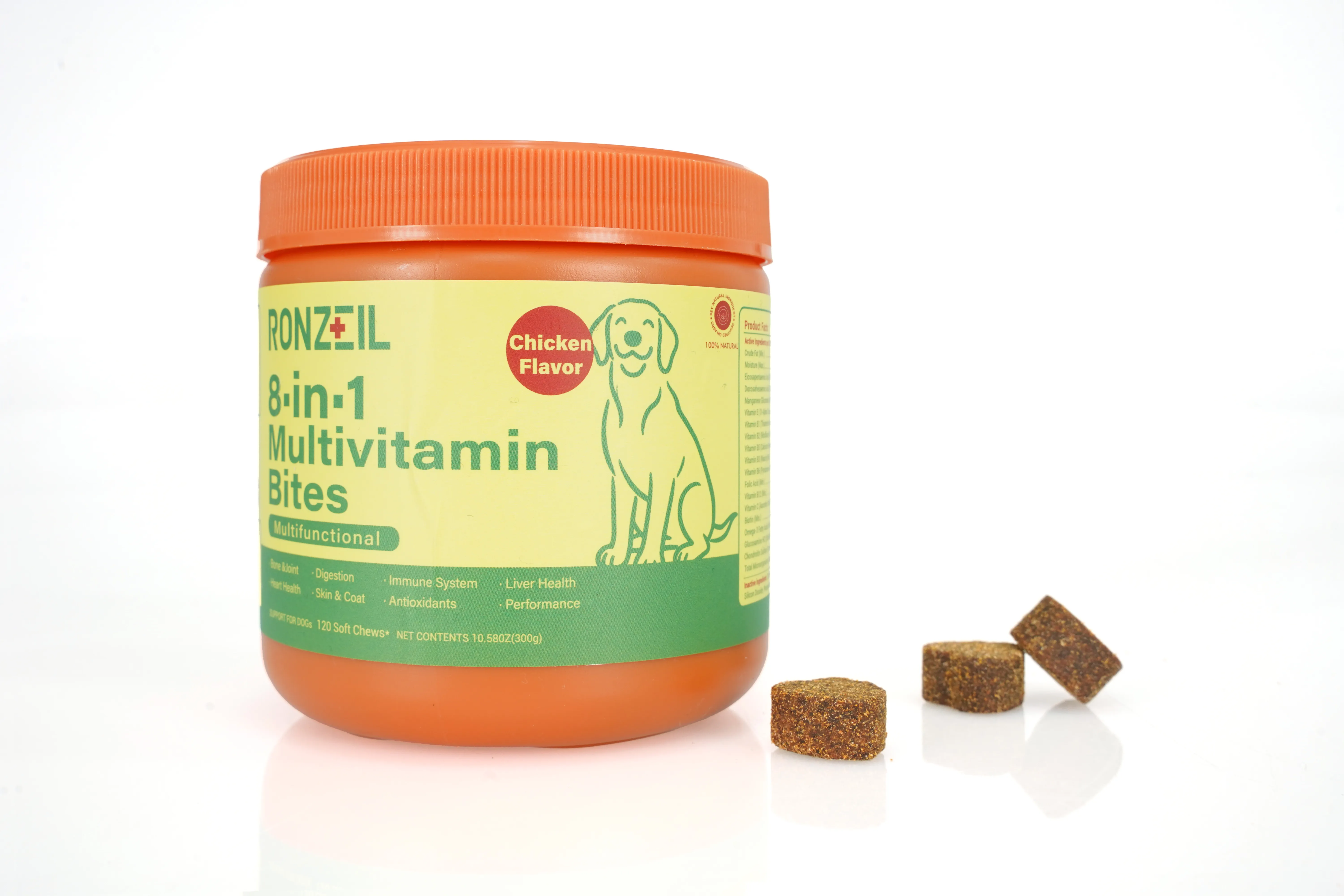
A strong immune system is very important for your dog’s health. It helps them fight off sickness and recover from stress. Multivitamins can help your dog’s immune system by giving important nutrients. For example, vitamins A, C, and E help fight environmental toxins and allergens. Omega-3 fatty acids also support overall health. Making sure your dog eats well is key to keeping a healthy dog immune system.
Key Takeaways
- Multivitamins give important nutrients like vitamins C and E, omega-3 fatty acids, and probiotics. These help your dog's immune system.
- A good diet with these nutrients helps your dog fight off infections. It also helps them get better faster when they are sick.
- Talk to your vet before adding any supplements to your dog's food. This way, you can make sure they get the right multivitamins for their health.
Nutrients for Immunity

Vitamins C and E
Vitamins C and E are strong helpers for your dog's immune system. These vitamins act like antioxidants. This means they help get rid of harmful free radicals in your dog's body. By doing this, they lower oxidative stress. Oxidative stress can make the immune system weak.
Here’s how these vitamins help your dog's health:
- Vitamin C: This vitamin helps the immune system work better. It improves how white blood cells function. It helps neutrophil chemotaxis and phagocytosis, which are important for fighting infections. Vitamin C also helps control cytokine expression. This keeps your dog's immune response balanced.
- Vitamin E: This vitamin protects immune cells from damage. It stops inflammatory mediators that can cause long-term inflammation. By lowering inflammation, Vitamin E helps keep a strong immune system.
Adding these canine vitamins to your dog's meals can greatly improve their health. You can find Vitamin C in foods like blueberries and kale. Vitamin E is found in spinach and sunflower seeds.
Essential Minerals
Essential minerals are very important for your dog's immune system. They work with vitamins to keep your dog healthy and strong. Here’s a quick look at some key minerals and what they do:
| Essential Minerals | Type | Role in Immune System |
| Zinc | Trace Element | Important for the immune system, affecting both innate and adaptive immune responses. |
| Selenium | Trace Element | Boosts immune function, especially in vaccinated puppies, improving antibody levels and immune response. |
| Calcium | Macro Element | Important for bone health and may help immune function indirectly. |
| Phosphorus | Macro Element | Key for energy transfer and cell function, helping immune health indirectly. |
| Potassium | Macro Element | Necessary for cell function, which can affect overall health and immune response. |
| Magnesium | Macro Element | Involved in many chemical reactions, including those for immune function. |
These essential nutrients work together to boost your dog's immune system. A balanced diet with these vitamins and minerals can help your dog avoid sickness and recover faster when they do get sick.
Remember, multivitamins for dogs can help fill any gaps in your dog's diet. This ensures they get all the important nutrients for a healthy immune system.
Benefits of Dog Multivitamins
Omega-3 Fatty Acids
Omega-3 fatty acids are very important for your dog's immune health. These nutrients come from fish oil and flaxseed. They have strong anti-inflammatory effects that help lower inflammation in your dog's body. When your dog eats omega-3 fatty acids, it helps their immune system work better. This makes it easier for your dog to fight infections and sickness.
Here are some main benefits of omega-3 fatty acids for your dog:
- They help reduce long-lasting inflammation, which can cause health problems.
- Omega-3s support the immune system, making your dog stronger against diseases.
- By lowering inflammation, these fatty acids reduce the chance of autoimmune problems.
Research supports these benefits. Studies show dogs given omega-3 supplements have better immune responses. For example, dogs with inflammation had less swelling when they took omega-3 fatty acids.
Antioxidants and Inflammation
Antioxidants are very important for your dog's immune health. They fight oxidative stress by stopping harmful free radicals in the body. This is important because oxidative stress can weaken the immune system. A weak immune system makes your dog more likely to get sick.
Here’s how some key antioxidants help:
| Antioxidant | Effects on Inflammation and Immune Response |
| Vitamin C | Stops free radicals, helps white blood cells move and eat germs, boosts immune cell growth, controls inflammation signals. |
| Vitamin E | Protects immune cells from damage, blocks inflammation chemicals like PGE2, IL-6, and TNF-α, keeps T cell membranes healthy. |
Adding antioxidants to your dog's diet can lower inflammation and help their immune system. Studies show dogs given antioxidants like vitamins C and E have better immune health. For example, one study found dogs with inflammation had fewer inflammatory signs after taking antioxidant supplements.
By picking good dog multivitamins with omega-3 fatty acids and antioxidants, you help your dog keep a strong immune system. This helps your dog live a happier and healthier life.
Supporting Gut Health
Gut Microbiome and Immunity
Your dog's gut health is very important for their immune system. Did you know that 70-90% of the immune system is in the gut? A healthy gut microbiome helps your dog fight infections and stay healthy. When the gut is in good shape, it protects against bad bacteria. If the gut microbiome is not balanced, it can make your dog's immunity weaker. This means they can get sick more easily.
Here are some important facts about the gut microbiome and immunity:
- A balanced gut microbiome helps the immune system work better.
- Dysbiosis, or an unbalanced gut, can cause allergies and strong immune reactions.
- Things like diet and stress can change the gut microbiome, which affects immune health.
Role of Probiotics
Probiotics are good bacteria that help keep a healthy gut microbiome. Many dog supplements have probiotics to help with digestion and boost immunity. These friendly bacteria can improve immune protection by increasing good bacteria and making short-chain fatty acids that stop harmful bacteria.
Research shows that probiotics can help gut health and immune function. For example, studies found that dogs with gut problems got better when they took probiotics. They showed improved health and less inflammation.
Adding probiotics to your dog's diet is a smart way to support their immune system. By keeping a balanced gut microbiome, you help your dog stay healthy and strong against infections.
To sum up, dog multivitamins can really help your dog’s immune system. They give important nutrients like vitamins C and E, omega-3 fatty acids, and probiotics. These parts work as a team to improve health and immunity.
Keep in mind to:
- Add supplements slowly to prevent stomach problems.
- Talk to your vet for advice on the best multivitamins for your dog.
By doing this, you can help your dog stay healthy and happy! 🐾
FAQ
How do multivitamins help my dog's immune system?
Multivitamins give important nutrients that help your dog's immune system. They make it easier for your dog to fight infections and stay healthy.
Can I give my dog human vitamins?
No, human vitamins can be bad for dogs. Always use vitamins made just for dogs that meet their needs.
How often should I give my dog multivitamins?
Ask your vet for the best plan. Usually, giving them daily works well to help your dog's immune system.





Blog comments
0 Comments