
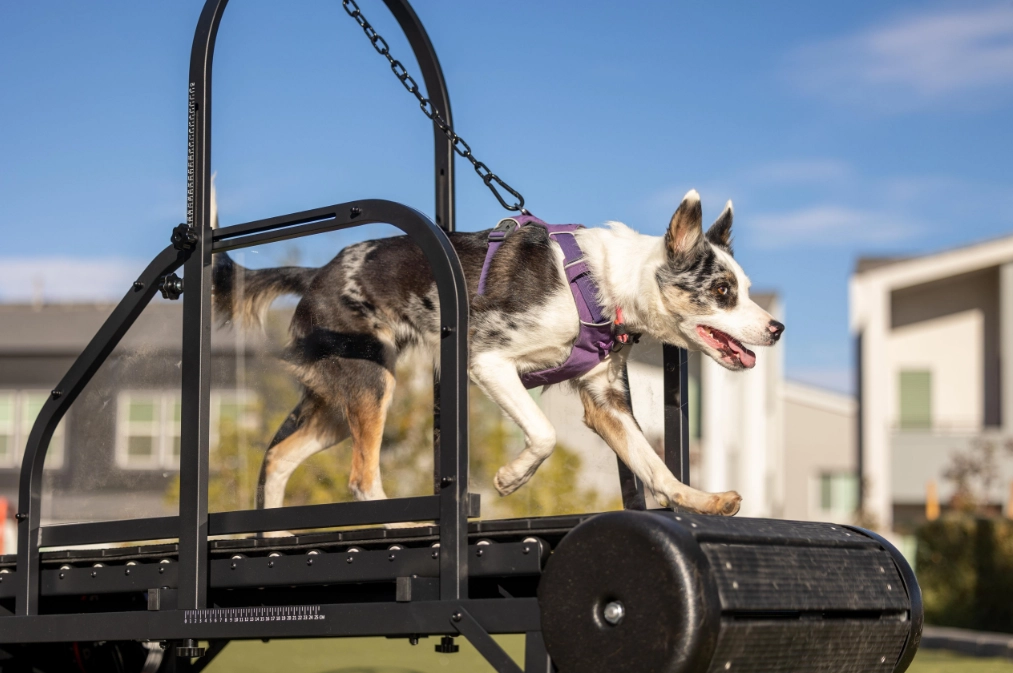
You can tire out your dog indoors using a dog treadmill. This simple method keeps active dogs healthy and calm. First, you introduce the machine slowly using tasty rewards. Next, you set a slow speed that matches your pet's natural walking pace. Finally, you slowly make the workout longer as their confidence grows.
| Breed Group / Examples | Recommended Daily Activity | Activity Type |
| High-Energy Working & Herding Breeds (e.g., Huskies, Border Collies) | 60 to 120 minutes (up to 2 hours) | Vigorous exercise (running, fetch, hiking, agility) |
Always watch your dog carefully during their canine treadmill routine. Staying close helps prevent accidental injuries during indoor workouts.
Key Takeaways
- Buy special dog treadmills with long belts and side guards to protect your pet's normal walking style.
- Bring your dog to the treadmill slowly using yummy treats and fun rewards to build its confidence.
- Begin with brief five-minute walking routines that feature easy warm-up and cool-down times.
- Watch your dog at all times during each exercise session to avoid unexpected injuries and extreme tiredness.
Pre-Training Setup for Dog Treadmills
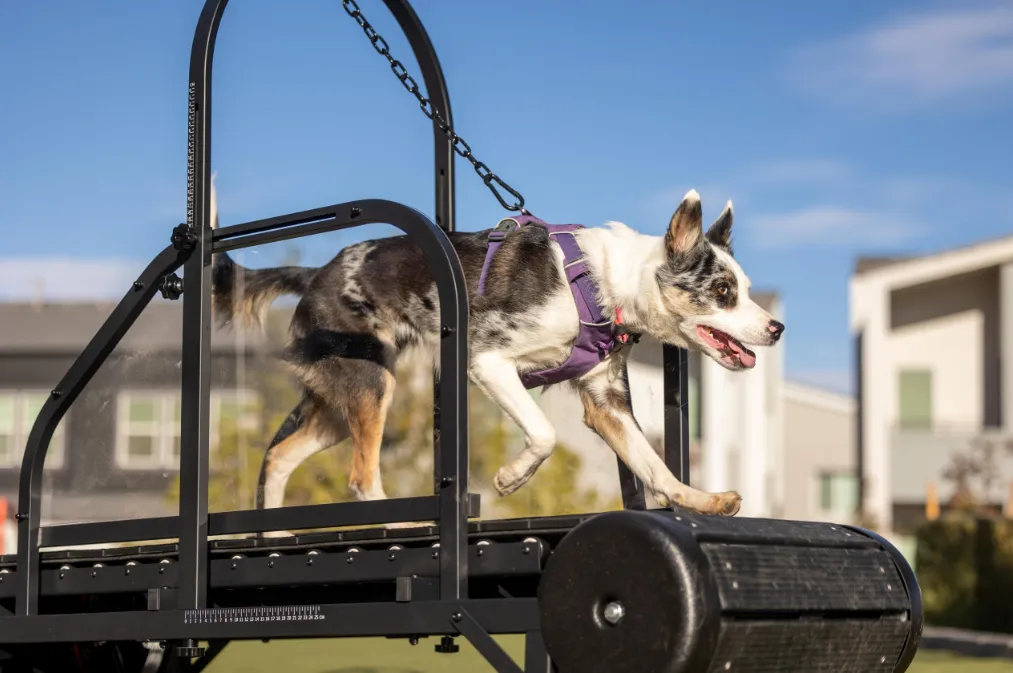
Bad weather frequently cancels your outdoor walks. Energetic working breeds like Huskies, Belgian Malinois, and Border Collies require daily movement anyway. A dog treadmill provides an easy indoor choice when weather is poor. You can offer mental calm and physical exercise right in your house. Indoor treadmill activity keeps fitness routines regular all year.
Choosing Equipment and Gear
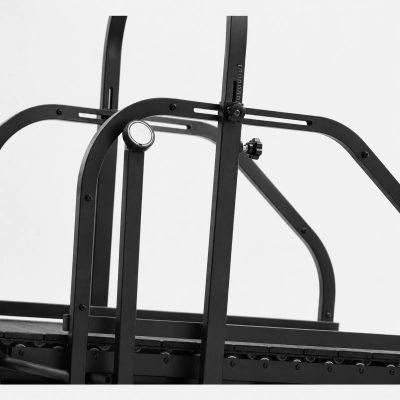
You must pick the right gear for your pet. Human machines are not built for four-legged pets. Rather, you should buy dog-specific treadmills designed for canine locomotion. These units include unique built-in parts that safeguard your dog during exercise. High-energy dog owners depend on these safety items every day.
| Feature | Human Treadmills | Dog-Specific Treadmills |
| Belt Length | Usually 4 to 5 feet long; limits the stride of medium-to-large dogs | At least 6 feet long (or 2.5 times the length of the dog's body) to accommodate full, natural gaits |
| Weight Distribution | Designed for vertical, two-legged human impact | Built to accommodate the four-legged weight distribution across the surface |
| Safety & Structural Design | Standard open frame with normal mechanical gaps | Outfitted with sidewalls and minimized gaps between parts to prevent paw or leg injuries |
Dog machines also provide specific safety features to protect busy pets:
- Canine Emergency Stop System: Employs a collar-clipped cord attached to a magnetic switch on the control panel, which immediately shuts off power if the dog falls behind.
- Overhead Anchor Points: Non-motorized dog treadmill options feature integrated overhead structures to secure a leash while the dog propels the belt.
Creating a Safe Space
Place the treadmill inside a calm room with very little home noise. Keep the machine away from busy walkways, loud TVs, and tight corridors. Clear plenty of room around the bottom of the equipment. This empty space lets your pet step off safely whenever needed. You must lead your dog onto the mat calmly.
Good floors near the machine stop unexpected slipping during daily physical activity. Position a heavy rubber mat under the frame to quiet motor noise and shaking. Clear away small toys, electric cords, and clutter from the space. Give your pet treats to build strong trust. A neat room helps shy pets feel safe while keeping your dog focused on walking. Keep your dog quiet before every workout to guarantee safe indoor movement. Inspect the machine for steady balance often. Ensure your dog feels totally safe inside this designated exercise area.
Step-by-Step Acclimation Process
Noise Desensitization and Positive Rewards
Before starting the belt, build a happy feeling with the exercise gear. Active dogs often get scared by strange motor hums. You can easily help your canine companion feel safe around this new equipment. First, bring your pet into the quiet workout room. Sit right next to the still belt of the treadmill with tasty treats.
Give delicious food treats while your pet stands near the machine. Next, press the power button to start up the motor. Keep the belt running while you remain close by. Feed your pet tasty treats right as the noise begins. Soon, your pet will match the motor sound with good feelings. Shut off the power switch after a short moment. Practice this reward step daily to lower fear entirely.
Patience helps your dog learn much faster. Training your dog takes small steps and gentle praise. Never drag a scared pet onto the machine against its choice. Pushing your pet creates fear and causes major training problems. Keep early visits short and fun so active dogs feel relaxed. Daily effort keeps physical conditioning simple, safe, and fun.
Careful sound training prevents long-term stress while exercising indoors. Rewarding calm actions around moving parts builds strong trust. Watch body language carefully, such as pinned ears or tucked tails. Stop the workout right away if your pet acts very afraid. Return to simple rewards after your pet calms down.
Phases of Dog Treadmill Training
Once the motor sound stops scaring your dog, start treadmill movement safely. Follow these five clear steps during active practice to achieve success:
- Initial Setup and Positioning: Stand directly facing the treadmill at your dog's eye level, loosely clipping the leash under its chin while keeping the room quiet.
- Starting the Belt: Turn the power on and adjust the control knob to a super slow crawl so the dog barely notices the moving belt.
- Initial Movement Response: When the sliding track shifts your dog back a few inches, let your pet step forward naturally to balance itself.
- Incremental Acceleration: Slowly turn up the belt speed by small amounts after a few steps, giving your dog time to adjust to each change.
- Maintaining Focus: Gently wiggle the loose leash to get your dog's attention if it loses its pace, falls behind, or looks away.
Proper dog treadmill training lets energetic pets adjust smoothly to moving belts. Teaching your dog takes calm directions through every exercise step. Watch posture carefully while the belt moves under canine paws. Guided indoor exercise builds confidence fast during every workout.
Learning these basic steps guarantees safe indoor activity on hot or rainy days. Your pet learns to balance safely on the running treadmill belt without getting scared. Regular practice builds smooth walking strides over time. Always reward small improvements during every visit to encourage great habits. Daily routines stop boredom while keeping sensitive joints safe and healthy all year long.
Structuring Treadmill Training for Dogs
You need a clear plan to train your pup on a running machine. This keeps your active pet healthy, happy, and fully safe inside. High-energy dogs love steady daily routines that stretch their muscles. Good planning turns a simple moving belt into a great indoor workout.
Setting Speed and Session Duration
Always start each workout with a quick, simple warm-up. Set the dog treadmill to a super slow crawl for three to five minutes. This easy start loosens stiff legs and prepares your pet mentally for moving. Next, slowly adjust the speed until your dog reaches a smooth trot. A steady trot works best because it uses all four paws equally. Avoid fast running speeds when your pet is still learning. Moving too fast can cause big scares, awkward slips, or painful falls.
Short workout sessions build strong lungs much better than long, tiring runs. Start with tiny five-minute visits for brand-new pupils. You can add two extra minutes to the routine as your pet gets stronger over time. High-energy dogs can eventually trot for twenty or thirty minutes per visit. Always end every single workout with a three-minute cool-down period. Lowering the belt speed helps your pet slow its fast heart rate safely. Watch your pet closely the whole time to spot early signs of tiredness. Praise your dog with happy words when it walks smoothly without stopping.
Managing Daily Workout Routines
Regular practice makes indoor fitness work well for busy working breeds. You can run the treadmill during dark winter storms, heavy rain, or packed workdays. Still, treadmill time should add to outdoor walks, not replace real adventures completely. You must balance indoor workout sessions with fun sniffing walks outside. Sniffing outdoor paths excites your dog's brain through fresh air, new sights, and cool smells.
You can easily add extra fun to workouts with an easy interval plan. Switching between a fast trot and an easy walk keeps smart dogs focused. Try this simple planned routine for energetic pets:
- Walk slowly on the belt for three minutes to warm up tired legs.
- Speed up the belt to a smooth trot for two active minutes.
- Drop back down to a slow walking speed for one quiet minute.
- Do this simple trot-and-walk cycle three more times in a row.
- Walk slowly for three final minutes to cool off totally.
This fun exercise pattern builds a healthy heart without hurting your pet's body. Structured daily workouts stop bad chewing habits, wild energy spikes, and indoor boredom. Scheduled days off are also super important for rebuilding sore muscles and tired joints. Give your pet one or two easy rest days each week to protect its health. Clear training guides your dog well, builds great endurance, and allows for cozy naps afterward. This smart plan provides simple rules and keeps your dog calm, fit, and happy all year.
Key Safety Guidelines and Preventing Fatigue
You need to safeguard your pet throughout every single indoor exercise session. Active working dogs frequently push beyond their limits just to make you happy. You must ensure home workouts stay totally safe, fun, and useful for your pup.
Spotting Signs of Physical Exhaustion
You should watch your pup closely for quick warning signs during tough workouts. Extreme panting that does not slow down after 10–15 minutes points to risky overheating in your dog. You must also check for fast gait changes, like limping or stiff legs. These altered movements show painful joint sprains, back strain, cranial cruciate ligament tears, or meniscal damage.
| Condition | Clinical Signs |
| Heat Exhaustion | Fatigue, weakness, vomiting, diarrhea, and normal or mildly increased body temperature |
| Muscle Fatigue | Localized muscle spasms and dehydration |
You have to halt the running session right away if these signs pop up. High friction can also trigger friction blisters, surface tears, or paw pad trauma on the moving track. Continuing a workout with sore muscles brings major physical stress to your pet. Always monitor your dog closely to catch these distress signals quickly.
Emergency Stopping and Keeping Watch
You should never leave a dog alone by a running machine. Handlers need to hold the leash firmly while teaching a dog to walk. Tying a pup right to the machine frame brings huge safety risks. Fastening a dog brings a very high chance of bad physical injuries or tragic results.
If your pet stumbles, the fast track pulls it back in a second. Your dog then gets caught or hurt badly inside the tight mechanical gaps. Unwatched pets may also get paw pad tears if they try jumping off at weird angles. You must stand right beside the machine to press the emergency button if you see any distress. Constant care keeps your indoor workouts simple, safe, and pleasant for everyone.
Mastering dog slatmill training requires consistency, patience, and positive reinforcement. You build deep trust by introducing new movement slowly. Always implement gradual workout routines to protect tired muscles and sensitive joints. You must maintain direct supervision during every workout session to keep your pet safe. Over time, your active dog shows clear physical adaptation. Initial exercise sessions show fluctuating and unpredictable heart rate patterns because of novel speeds and external distractions. These heart rate responses later smooth out and predictably align with changes in exercise intensity. Staying close to your dog on the treadmill guarantees complete safety, reliable physical health, and outstanding indoor fitness.
FAQ
Can human machines replace a proper pet setup?
You should avoid human machines for your dog. A standard belt lacks the proper length for a natural stride. Specialized units provide essential side guards and safety clips. You protect your dog from sudden slips when you pick purpose-built gear.
How do you know when your dog needs a break?
You must watch your dog for heavy panting and sudden lagging. Stiff legs or limping show clear muscle distress. Stop the exercise session immediately when you see these warning signs. Fresh water and quiet rest will help your dog recover safely.
How long should your dog exercise on the belt?
You should start new pupils with five-minute workouts. Slowly add time as your dog builds stronger endurance over several weeks. Energetic dogs can safely trot for twenty to thirty minutes. Always include a quick warm-up and cool-down for your dog.
Can treadmill workouts replace outdoor walks for dogs?
Indoor routines supplement outdoor trips rather than replacing them completely. Treadmill sessions burn extra physical energy during bad weather. However, your dog still needs outdoor walks to explore fresh scents and stimulate its mind. You should combine both activities for a happy dog.


Blog comments
0 Comments