

If you have a busy or working dog, you know food is very important for their health and energy. Sometimes, regular meals might not give them everything they need. This is where multivitamins help. You might ask if dog vitamins really help or if your pet gets enough from their food. Let’s look at how these vitamins can help your dog do better and feel good overall.
Key Takeaways
- Active dogs need good nutrition for energy and health. Multivitamins can help with any missing nutrients in their diet.
- Signs of not getting enough nutrients are low energy, bad coat condition, getting sick often, and joint problems. Look for these signs in your dog.
- Multivitamins can boost energy, help muscles recover, and support joint health. This helps your dog stay active and happy.
- Pick multivitamins based on your dog's breed and how much they exercise. Talk to your vet for advice just for your dog.
- Always use the right amount of supplements. Taking too many can cause health problems.
Do Dogs Need Multivitamins?
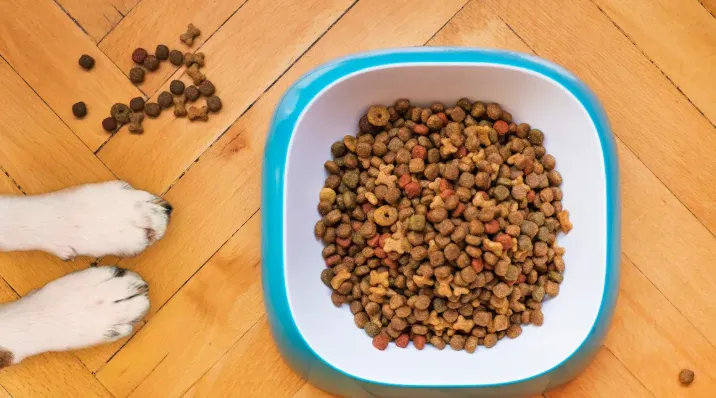
For your active dog, good nutrition is very important. It helps their health and performance. You may wonder if your dog really needs multivitamins. Let’s explain it simply.
Nutritional Needs
Active dogs need more energy than less active ones. They need a balanced diet with all the important nutrients. These nutrients help keep their energy up and support their health. Here are some important parts of their diet:
- Proteins: Important for muscle repair and growth.
- Carbohydrates: Give energy for running and playing.
- Fats: Necessary for energy and healthy skin and coat.
- Vitamins and Minerals: Help many body functions, like immune health and bone strength.
Even with a good diet, some dogs may miss out on nutrients. This is where supplements, like canine multivitamin, can help. Adding multivitamins to your dog's diet can make sure they get the nutrition they need for their active life.
Signs of Deficiencies
It’s important to notice if your dog lacks certain nutrients. Here are some signs to watch for:
- Low Energy: If your dog seems tired or less excited to play, it could mean a deficiency.
- Poor Coat Condition: A dull or flaky coat may show a lack of essential fatty acids or vitamins.
- Frequent Illness: If your dog gets sick a lot, it might be due to not enough nutrition affecting their immune system.
- Joint Issues: Active dogs may have joint pain or stiffness, which could mean they need more nutrition.
If you see any of these signs, think about adding dog supplements to your dog's food. Multivitamins can help make sure your active dog gets the balanced nutrition they need to be healthy.
Benefits of Multivitamins
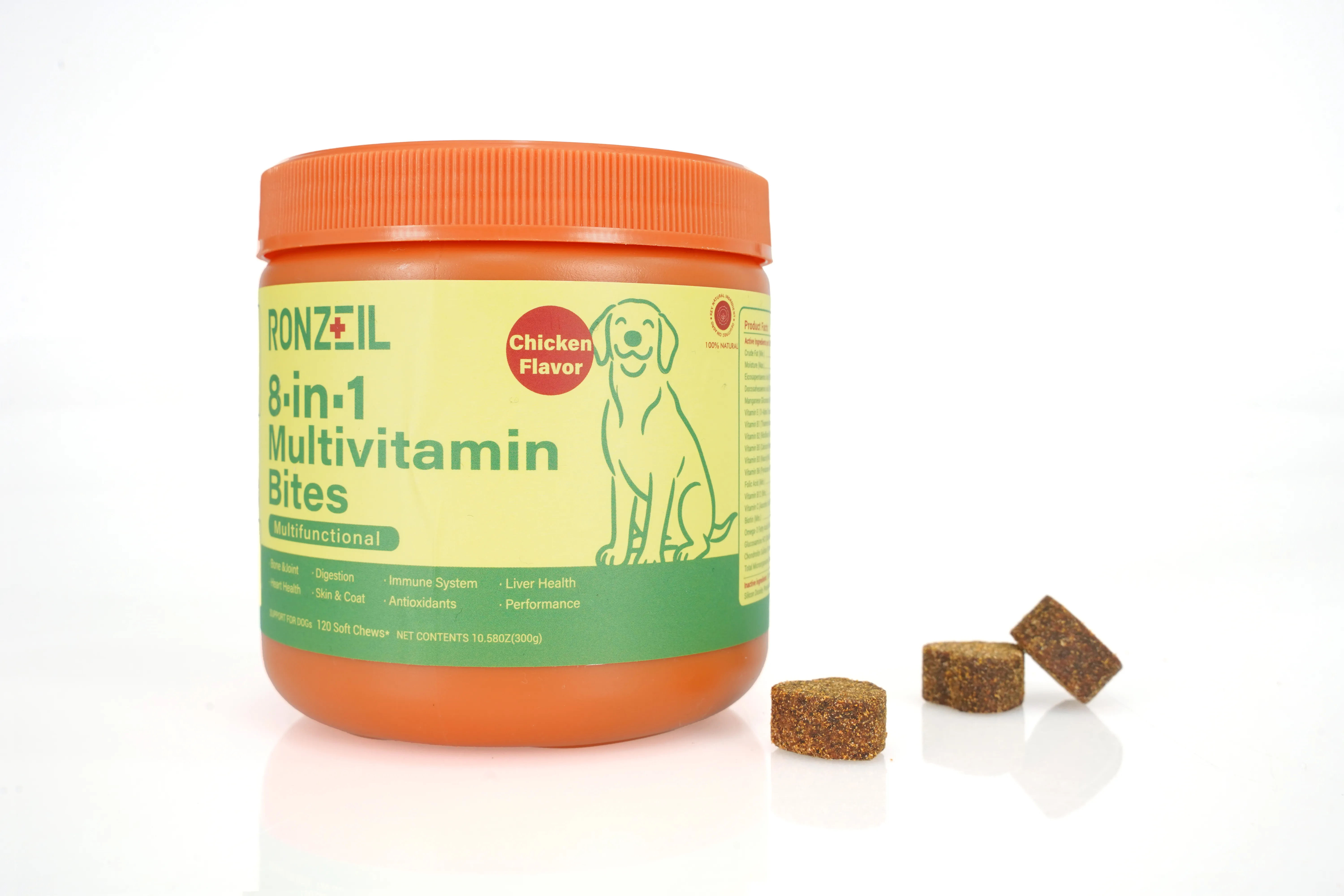
If you want your active dog to stay healthy, multivitamins can help a lot. Let’s see how these supplements can boost your dog's energy, help them recover, and protect their joints.
Energy and Recovery
Active dogs need a lot of energy for their busy lives. Multivitamins give important nutrients that can increase energy levels. They help your dog's metabolism work well. This means your dog can play, run, and work hard without getting tired.
After a long day, recovery is very important too. Multivitamins help with muscle repair and lower tiredness. They have vitamins and minerals that help your dog feel better faster after exercise. This way, your pup can return to their favorite activities quickly!
Here are some benefits of multivitamins for energy and recovery:
- Enhanced Metabolism: Vitamins like B-complex turn food into energy.
- Muscle Repair: Nutrients like protein and amino acids help muscles recover.
- Reduced Fatigue: Antioxidants in multivitamins fight oxidative stress from exercise.
Joint Protection
Joint health is very important for active dogs. They put a lot of pressure on their joints when they play and work. Multivitamins can help protect those joints. They often have ingredients like glucosamine and omega fatty acids, which support joint health.
Here’s how multivitamins help with joint protection:
- Lubrication: Omega fatty acids keep joints lubricated and reduce friction.
- Cartilage Support: Glucosamine helps keep cartilage healthy, which cushions joints.
- Inflammation Reduction: Some vitamins can lower inflammation, causing less pain and stiffness.
Adding canine multivitamins to your dog's diet is a smart choice for their health. They give extra nutritional support that works with a balanced diet, helping your dog stay active and healthy.
Choosing Dog Vitamins
Picking the right canine vitamins can be hard. You want your furry friend to get the best help for their active life. Here’s a simple guide to help you choose the right multivitamins and supplements for your dog’s diet and health.
Key Ingredients
When you look for multivitamins, check for ingredients that help with energy, recovery, and joint health. Here are some important nutrients to watch for:
- Vitamins A, C, and E: These antioxidants protect cells and boost the immune system.
- B-Complex Vitamins: They change food into energy, which is great for active dogs.
- Glucosamine and Chondroitin: These help joint health and reduce stiffness.
- Omega Fatty Acids: They keep skin and coat healthy and help with inflammation.
- Minerals like Zinc and Iron: Important for muscle function and oxygen transport.
Tip: Always check the label to ensure the multivitamins fit your dog’s needs. Avoid products with fillers or artificial additives.
Breed Considerations
Different breeds have different needs. Small breeds might need vitamins in smaller amounts, while large breeds often need extra joint support. Here’s what to think about:
- Small Breeds: Look for vitamins that help fast metabolism and dental health.
- Large Breeds: Focus on joint supplements like glucosamine to protect heavy joints.
- Working or Sporting Breeds: These dogs use more energy and may need extra B vitamins and antioxidants.
- Senior Dogs: Older dogs benefit from vitamins that help joint health and brain function.
Your dog’s size, breed, and activity level all matter when choosing the right supplements. Talk with your vet to create a wellness plan that fits your pup perfectly. This way, you ensure balanced nutrition and keep your dog happy and healthy.
Choosing the right dog vitamins is a smart step in supporting your dog’s diet and active lifestyle. With the right supplements, you help your dog stay strong, energetic, and ready for anything.
Important Nutrients for Active Dogs
Vitamins and Minerals
To keep your active dog healthy, vitamins and minerals are very important. These nutrients help your dog’s body function well every day. Vitamins like A, C, and E are antioxidants. They protect cells from harm and keep the immune system strong. B vitamins help change food into energy. This is key for dogs that run, jump, and work hard.
Minerals like zinc and iron are also very important. Zinc helps with skin and coat health. Iron helps move oxygen in the blood. If your dog doesn’t get enough of these, they might feel tired or have a dull coat. A good diet usually meets these needs, but sometimes you may need to add supplements. A good nutritional supplement can fill in any gaps and give your dog extra support.
Omega Fatty Acids
Omega fatty acids are another important part of your dog’s diet. These healthy fats keep skin soft and shiny. They also help reduce inflammation. This can protect joints and muscles after exercise. Omega-3 and omega-6 fatty acids work together to support brain function and heart health too.
If your dog is very active, omega fatty acids can help with recovery and comfort. You can often find these fats in fish oils or flaxseed oils in dog vitamins. Adding omega fatty acids to your dog’s wellness plan can greatly improve how your dog feels and performs.
Note: Probiotics are also important. These friendly bacteria help your dog’s digestion and immune system. Some multivitamins include probiotics to improve overall nutrition and keep your dog’s gut healthy.
By knowing these important nutrients, you can choose the right multivitamins. This helps you create a wellness plan that fits your pup’s needs. This way, you support your dog’s energy, recovery, and long-term health with the right supplements and a balanced diet.
Risks of Over-Supplementation
Giving your dog multivitamins or supplements can help, but too much can cause problems. It’s important to know the risks of over-supplementation to keep your dog safe and healthy.
Side Effects
When your dog gets too many vitamins or minerals, they might have side effects. These can include:
- Upset stomach or vomiting
- Diarrhea or loose stools
- Loss of appetite
- Lethargy or unusual tiredness
- Changes in behavior, like irritability or restlessness
Some vitamins, like vitamin A or D, can build up in the body. This can cause serious issues if given too much. Overdoing supplements can also harm your dog’s liver or kidneys. These organs are important for filtering toxins.
Note: Always follow the recommended dosage on the label or your vet’s advice. More is not always better when it comes to nutrition.
Overdose Signs
You should watch your dog closely if you think they took too many supplements. Here are some signs that might mean an overdose:
- Excessive drooling or panting
- Weakness or trouble walking
- Tremors or seizures
- Increased thirst or urination
- Swelling or pain in the abdomen
If you see any of these symptoms, contact your vet right away. Quick action can prevent serious harm and help your dog recover faster.
Remember, multivitamins and supplements work best when used correctly. They fill nutrition gaps but don’t replace a balanced diet. Always check with your vet before adding new supplements to your dog’s routine. This way, you protect your dog from risks and support their active lifestyle safely.
Expert Recommendations
When it comes to your dog's health, expert advice is very important. You want to make sure your furry friend gets the right nutrition and supplements. Here’s how to make smart choices.
Consulting a Vet
Before you add any multivitamins or supplements to your dog's food, talk to your veterinarian. They know your dog's health history and can give you personalized advice. Here are some reasons why talking to your vet matters:
- Tailored Advice: Your vet can suggest specific multivitamins based on your dog's age, breed, and activity level.
- Health Monitoring: Regular check-ups help find any health problems early. Your vet can guide you on how to change your dog's nutrition if needed.
- Safety First: Some supplements can mix badly with medications. Your vet will help you avoid harmful combinations.
Always remember, your vet is your best resource for keeping your dog healthy and happy.
Trusted Brands
With so many choices out there, picking the right multivitamins can feel hard. Here are some tips to help you find trusted brands:
- Research: Look for brands that have a good reputation. Check reviews and see what other dog owners think.
- Quality Ingredients: Choose products that list high-quality ingredients. Avoid those with fillers or artificial additives.
- Certifications: Look for brands that have been certified by groups like the Association of American Feed Control Officials (AAFCO). This ensures the product meets certain nutritional standards.
By following these tips, you can choose the right multivitamins and supplements for your active dog. This way, you support their health and keep them ready for all their adventures!
You want your active dog to be healthy and energetic. Good nutrition is very important for this. Multivitamins can help with any missing nutrients in your dog’s food. Here are some key points to remember:
- Vitamins and minerals help with energy and recovery.
- Omega fatty acids keep joints and coat healthy.
- Pick the right supplements based on your dog’s breed and activity level.
Always talk to your vet before giving vitamins. This way, you can provide the best care for your dog!
FAQ
What signs show my dog needs multivitamins?
Watch for low energy, bad coat, getting sick often, or joint pain. If your dog has these, think about adding multivitamins to their food for better health.
Can I give my dog human multivitamins?
No, human vitamins can hurt dogs. They have ingredients that might be harmful. Always use multivitamins made just for dogs.
How often should I give my dog multivitamins?
Follow the directions on the label or your vet’s advice. Usually, giving them daily works best.
Are there side effects from dog multivitamins?
Some dogs might get an upset stomach, diarrhea, or feel tired if they take too many. Watch your dog and talk to your vet if you see strange behavior.
Can puppies take multivitamins?
Yes, but ask your vet first. Puppies need different nutrients than adult dogs. Your vet can suggest the right vitamins for your puppy.



Blog comments
0 Comments