
Pit Bulls are robust dogs with specific needs. With proper Health and Care, they can enjoy long lives. For instance, an American Pit Bull Terrier typically lives between 12 and 14 years. Many owners wonder, "How can I ensure my Pit Bull stays healthy and happy?" This guide provides valuable knowledge to help you offer the best care. It covers essential aspects like nutrition, exercise, and establishing a consistent daily routine, all contributing to your dog's well-being.
Key Takeaways
• Give your Pit Bull good food. This helps them stay healthy. It gives them energy. It keeps their weight right.
• Pit Bulls need lots of exercise. They need 1 to 2 hours of activity each day. This keeps them happy and well-behaved.
• Brush your Pit Bull every week. Bathe them when they are dirty. Clean their teeth often. Trim their nails every 3-4 weeks.
• Train your Pit Bull with rewards. Show them new places and people. This helps them become good adult dogs.
Pit Bull Health: Common Concerns and Prevention
Knowing about common pit bull health problems helps owners. They can give the best care. Finding problems early is key. Taking steps to prevent them is important. This leads to a long, healthy life.
Genetic Health Risks
Pit Bulls can get certain health problems. These are passed down from their parents. Some genetic diseases are Demodicosis. This is a skin disease. Atopy is another. It is an allergic skin disease. Other problems they can inherit are Cleft lip/palate. Also Hip dysplasia. Hypothyroidism is one. Ichthyosis is another. Patellar luxation too. Zinc-responsive dermatosis is also possible. Ichthyosis is a bad skin disease. It makes skin dry and flaky. Puppies often get it. Neuronal Ceroid Lipofuscinosis (NCL) is a brain disease. It gets worse over time. It shows up between one and three years old. It makes them weak. Cerebellar Abiotrophy affects balance. It also affects coordination. Young puppies get it. Hyperuricosuria (HU) causes stones. These are in the bladder and kidneys. Progressive Retinal Atrophy (PRA) is an eye disease. It is inherited. It causes blindness. Tests are available for many of these diseases.
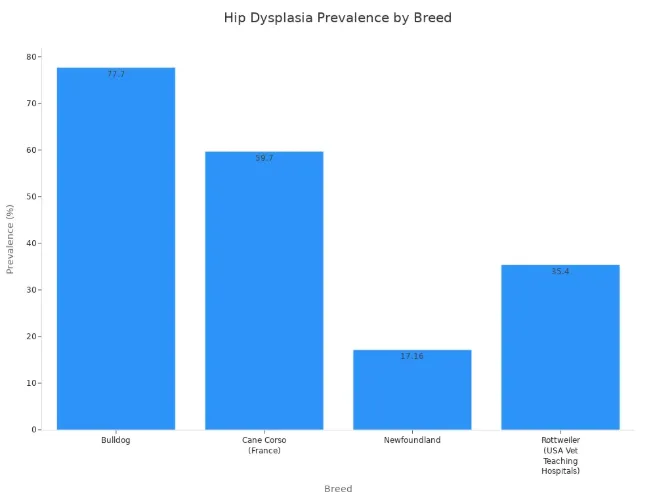
Hip dysplasia is a big worry. American Pit Bull Terriers have it often. About 24% or more get it. Other breeds have it too. American Bulldogs show about 36%. Cane Corsos show about 39%.
Skin Conditions
Pit Bulls often have skin allergies. They also have sensitivities. Atopic dermatitis is common. Their ears can get infections. These can happen often. They can have sensitive stomachs. This might be from genes. Or from things around them. Common food allergies include chicken. Also turkey, beef, and dairy. Wheat and soy are others. Signs of these problems include itchy ears. Loose stools are another sign. Upset stomach is also common.
Heart Health
Pit Bulls can get heart diseases. These include Dilated Cardiomyopathy (DCM). Congestive heart failure is another. Arrhythmias can also happen. Regular vet visits help check for these. These are serious health problems.
Preventative Care and Vet Visits
Regular vet visits are very important. They help find diseases early. A full health plan includes shots. It also includes parasite control. And regular check-ups. Owners should watch for changes. Look for changes in behavior. Also in their body. If a dog seems sick, get help fast. If symptoms are bad, go to the vet right away.
Optimal Pitbull Nutrition

A good diet is key. It helps a pitbull stay healthy. It gives them energy. It keeps their weight right. It stops many sicknesses. Owners must pick good food. This helps their dog do well.
Food Choices
Pick the best food. Think about how easy it is to digest. Think about energy needs. Good ingredients are a must.
Age-Specific Diets
Dogs need different food. This changes as they get older. Puppies need special food. It helps them grow.
• Watch puppies closely.
• Feed them enough. Keep them lean. This protects their joints.
• Some puppies need more food. Some need less.
• A balanced diet takes time. Check their body. Check their weight. Check their hunger. Check their energy.
• Raw puppy food helps bones. It helps organs. It helps learning. It helps behavior.
• Puppies need protein. It builds muscles.
• Calcium and phosphorus are key. They help bones grow.
• Good fats help the brain. They help eyes.
• Wet food helps with water. It helps digestion.
• Avoid grains and fillers. Avoid fake stuff. These can hurt their gut.
• Special raw puppy food meets rules. It helps them grow safely.
Older Pit Bulls have needs too. They need joint help. Glucosamine helps. Chondroitin helps. MSM helps. These ease pain. They make them move better. Omega-3 from fish oil helps. It stops swelling. It helps the heart. Probiotics help the gut. They help absorb food. A daily vitamin is good. It gives older Pit Bulls nutrients. Turmeric and coconut oil also help.
Weight Management
Being too heavy is common. It hurts an American Pit Bull Terrier. Extra weight strains joints. It causes other problems. Owners must watch food. They must ensure exercise. This keeps them at a good weight.
Nutritional Supplements
Supplements can help Pit Bulls. They are good for certain problems.
• Glucosamine & Chondroitin: These fix cartilage. They stop swelling. They help movement. Vets suggest them for arthritis. They help with joint disease.
• Omega-3 Fatty Acids (Fish Oil): These fight swelling. They reduce joint swelling. They keep joints flexible. Vets suggest them for arthritis. They help with swelling.
• Hyaluronic Acid: This makes joints smooth. It acts like a cushion. It lessens rubbing. It eases pain. It helps dogs with arthritis. It helps with stiff joints.
8-in-1 Canine Multivitamin Soft Chew is made with natural ingredients to support eight important areas of comprehensive health for dogs. These delicious chicken-flavored chews are designed to promote heart, skin, immune system, and liver health, while also supporting normal hip, joint, and digestive function. They also help maintain healthy antioxidant levels and boost vitality for adult and senior dogs.
Exercise and Mental Stimulation
Pit Bulls have much energy. They need to move a lot. If they don't exercise enough, they can act bad. They might chew things. Or they might bark too much. Owners must give them ways to use their energy. This means moving their bodies. It also means using their minds.
Daily Exercise Needs
A healthy adult American Pit Bull Terrier needs to exercise daily. They need 1 to 2 hours of activity. Owners can split this up. Do it in two or three times. Each dog is different. Some dogs have lots of energy. They might need 90 minutes. This can be hard running. Or it can be strength training. Other dogs are happy with 30 minutes. This should be strong exercise. If a Pit Bull has health issues, ask the vet. This is for their exercise routine. Regular exercise is very important. It helps them feel good.
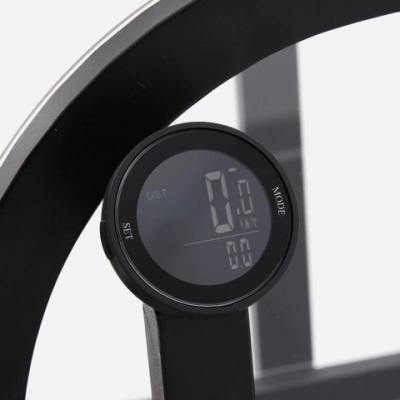
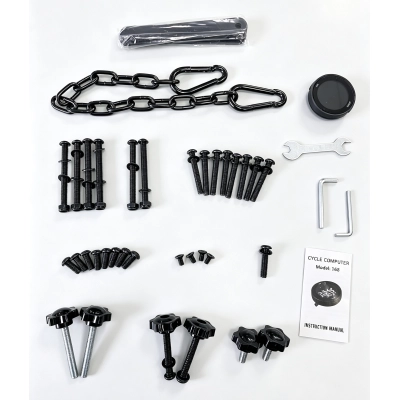
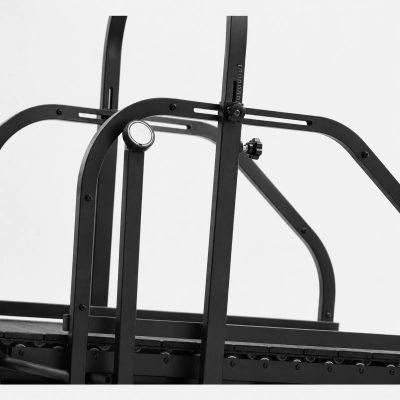
The Ronzeil Doggo Treadmills is the top choice for daily exercise for American Bulldogs. Its core advantages lie in space, tracking, and safety.It provides timed exercise space to meet the Bulldog's diverse exercise needs, including running and strength training. A built-in pedometer tracks training mileage in real time, helping owners accurately monitor their progress. The Ronzeil dog treadmill features a double-chain treadmill and acrylic protective barrier to prevent damage during exercise, providing convenient and safe daily exercise for Bulldogs.
Mental Engagement
Using their mind is key. It is like moving their body. It keeps a dog busy. It stops them from being bored.
• Use a snuffle mat for food. This is easy brain work. It is good for active dogs. It is good for young dogs.
• Play hide-and-seek. This makes them think. It uses their nose.
• Play "Go 'Find It'". Hide toys or treats. This helps them solve problems. It uses their sense of smell.
• Take a scent walk. Let the dog sniff around. This calms them. It makes them happy.
• Try a new path. See new things. Smell new smells. This makes walks fun. It makes them think.
• Puzzle toys make dogs think. They figure out how to get treats. They use their brain. They keep them busy for a long time.
Safe Activity Practices
Owners must keep them safe. This stops injuries.
• Start exercise slowly. Do this for new dogs. Do this for dogs not in shape.
• Be careful in hot or cold weather. Exercise when it's cooler in summer. Watch for signs of getting too hot.
Protect their joints. Use soft ground. Use trails, grass, or dirt. Don't use hard ground.
• Always bring water. Bring it for you and your dog. This is for long walks. This is for hikes.
• Watch for signs of tiredness. Look for heavy breathing. Look for limping. Look for lagging behind. Let them rest when they need to.
Socialization Benefits
Good exercise helps them get along. Mental work helps too. A pitbull that exercises is calmer. They learn better. This helps them with other dogs. It helps them with people.
Grooming and Hygiene
Good grooming is very important. It helps care for a pit bull. It keeps them clean. It keeps them comfy. It helps owners find health problems early. A regular routine care schedule helps them stay healthy.
Coat Care
Pit Bulls have short, smooth fur. They still need care. Brush your Pit Bull every week. This gets rid of loose hair. Brushing often makes less shedding. A weekly brushing routine keeps your American Pit Bull Terrier healthy. It spreads natural oils. This makes their coat shiny. Bathe them when they are dirty. Use shampoo for dogs. This stops skin problems.
Dental Health
Clean teeth are key for a dog's health. Bad dental care can cause serious disease. Brush your Pit Bull's teeth often. Do it 2-3 times a week. Always use dog toothpaste. Give them dental chews. Use VOHC-certified ones. These help stop plaque. Give them safe chew toys. Rubber or nylon are good. Do not use very hard things. They can hurt teeth. Get their teeth cleaned every year. A vet does this. This removes all plaque. Crunchy kibble helps teeth. Special dental foods help too.
Nail and Ear Care
Trimming nails stops pain. Long nails can hurt a dog's walk. Trim nails every 3-4 weeks. Use the right clippers. Be careful not to cut too deep. Cleaning ears stops infections. Check ears weekly. Look for dirt or red spots. Use ear cleaner from a vet. Gently clean the outer ear.
Infection Recognition
Owners should check their Pit Bull often. Look for signs of disease. Look for skin problems. Look for rashes. Look for strange bumps. Check their ears for red spots. Look for discharge. Look for a bad smell. These mean an ear infection. Check their mouth for swollen gums. Look for broken teeth. Finding any disease early helps. It leads to quick treatment. This stops bigger health problems.
Behavior and Training for Your Pitbull
Pit Bulls are smart dogs. They learn well from training. Owners should use good rewards. This builds a strong bond. It helps with problems. This includes dog aggression. Good training can fix these issues.
Early Socialization
Early socialization is key for a pitbull. It makes them good adults. The teen stage is 6 to 18 months. This time is important. Socialization and training are vital. Show them new places. Show them people. Show them other animals. This builds their trust. It lowers their worry. This helps their mind grow.
Positive Training Methods
Good training uses rewards. Owners give rewards for good acts. This means treats. It means praise. It means play. This makes learning fun. It makes the bond stronger. Do not use harsh ways. These cause fear. They cause stress.
Addressing Common Behaviors
Owners see common problems. Leash pulling is one. Good rewards help here. Reward walking nicely. Try "crazy walking." Change direction often. This makes the dog watch you. Head halters can guide them. Training harnesses help too. They turn the dog when it pulls. Do not use harsh tools. These hurt them. They make behavior worse. These tips make walks better.
Consistent Routine
A steady routine is key for a dog. Pit Bulls do best with clear rules. They need limits. Being steady helps good acts. It makes the bond stronger. This routine includes early socialization. It means steady training. A loving home helps. Regular play helps. Mental games help. Time with people is also important.
________________________________________
Good care is key. It helps a Pit Bull. This guide talked about health. It talked about food. It talked about exercise. It talked about grooming. It talked about good behavior. Good care makes a strong bond. It makes a happy dog. Owners help their Pit Bull. Knowing how to care helps. It makes life good for all.
FAQ
How often should a Pit Bull visit the vet?
Pit Bulls need yearly vet check-ups. Puppies and senior dogs may need more frequent visits. Regular check-ups help detect health issues early. They ensure vaccinations and parasite control stay current.
What kind of diet is best for a Pit Bull?
A balanced diet is crucial. High-quality dog food with real meat as the first ingredient is ideal. Consider age-specific formulas. Some Pit Bulls benefit from fresh or limited-ingredient diets, especially those with allergies.
How much exercise does a Pit Bull need daily?
Pit Bulls are energetic dogs. They require 1 to 2 hours of vigorous exercise daily. This can include walks, runs, or playtime. Mental stimulation, like puzzle toys, also helps keep them happy and well-behaved.
How often should owners groom their Pit Bull?
Brush a Pit Bull's short coat weekly to remove loose hair. Bathe them as needed, usually every few weeks or when dirty. Regularly check and clean their ears. Trim their nails every 3-4 weeks.
Is early socialization important for Pit Bulls?
Yes, early socialization is very important. It helps Pit Bulls grow into well-adjusted adults. Expose puppies to new sights, sounds, people, and other animals. This builds confidence and reduces fear or aggression.

Blog comments
0 Comments