
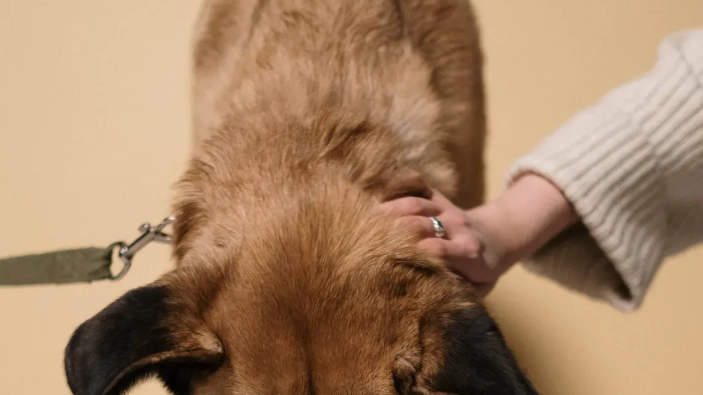
Nutrition is very important for your dog's health. If they do not get enough nutrients, you may see some unexpected changes. For instance, a dull coat or stomach problems can show that your dog might be missing nutrients. Incorporating a high-quality canine multivitamin can help ensure they receive the essential nutrients they need. Spotting these signs early can help your furry friend stay healthier.
Key Takeaways
- Look for signs such as dull fur, too much shedding, or skin problems. These might mean your dog needs important nutrients.
- If your dog changes how much they eat or loses weight, it could mean they are not getting nutrients well. Talk to your vet for help.
- Make sure your dog has a balanced diet with important vitamins and minerals. Check their food often and think about good dog vitamins.
Fur and Skin Changes
Dull or Brittle Coat
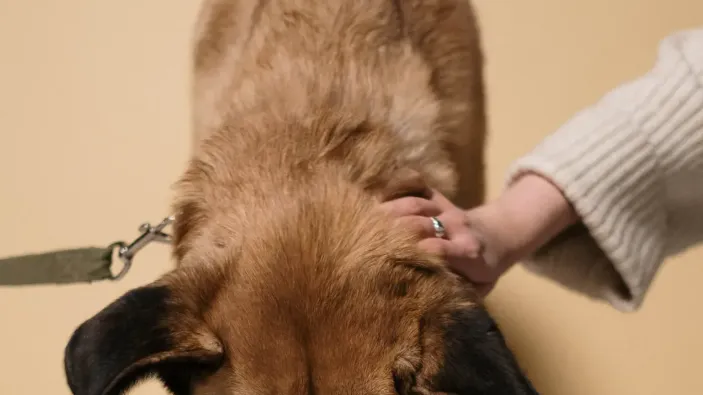
If your dog has a dull or brittle coat, it may mean they are not getting enough nutrients. A healthy coat should look shiny and smooth. When dogs lack important nutrients, you might see changes. For example, missing essential fatty acids, copper, and zinc can cause big problems. Here’s a quick look at how these missing nutrients affect your dog's coat:
| Nutrient Deficiency | Effects on Coat and Skin |
| Essential Fatty Acids | Causes dry, scaly skin; hair tangles easily; skin becomes less stretchy; more ear infections. |
| Copper | Leads to dull, dry fur with patchy hair loss and changes in hair color. |
| Zinc | Causes hair loss, skin sores, and thick, cracked skin, especially on joints and foot pads. |
| Biotin | Can make hair thin or change its color; skin may get dry and oily. |
| Riboflavin | Causes dry, flaky skin with redness and hair loss. |
A dull, dry, flaky coat is a common sign that dogs lack vitamins. Essential fatty acids are very important for keeping a healthy coat and skin. If your dog’s coat doesn’t look good, think about checking their diet.
Excessive Shedding
Shedding too much can also mean your dog is missing important nutrients. If your dog’s skin is dry or itchy, they may scratch more and lose fur in large patches. Essential fatty acids help keep skin healthy and reduce swelling. Here are some signs that your dog might be shedding too much because of missing nutrients:
- Not enough essential amino acids, fatty acids, vitamins, and minerals can cause skin problems.
- Missing zinc, biotin, and riboflavin can lead to hair loss and skin issues.
- Lack of protein, calories, and vitamins can cause skin thinning.
If you notice your dog shedding more than normal, it may be time to check their food and make sure it has the right nutrients.
Skin Irritations
Skin irritations can also show that your dog is not getting enough nutrients. Dogs with poor nutrition may get skin sores or flaky skin. For example, vitamin A can help treat skin problems in dogs, showing that missing nutrients can cause skin issues. Also, not having enough zinc has been linked to skin problems like scaling and crusting.
Here are some common signs of skin irritations from poor nutrition:
- Scaling and crusting skin sores.
- Dry, flaky skin that can cause discomfort.
- More scratching or licking of sore areas.
If you see any of these signs, it’s important to talk to your veterinarian. They can help figure out if your dog’s diet needs changes to fix these problems.
Digestive Symptoms
Vomiting or Diarrhea
If your dog is vomiting or has diarrhea, it might mean they lack nutrients. These signs often show that your dog’s body has trouble absorbing important nutrients. When dogs have stomach issues, they may not get what they need from their food. Here are some signs of nutrient absorption problems:
- Ongoing diarrhea
- Losing weight even with a good appetite
- Smelly stools that look oily
- Noisy stomach with rumbling sounds
- Gas
- Low energy
Some nutrients are often connected to these digestive issues. For example, not having enough protein, iron, or zinc can cause vomiting or diarrhea. If you see these signs, check your dog’s diet to see if it has the right nutrition.
Changes in Appetite
Changes in your dog’s appetite can also show they lack nutrients. You might see your dog eating less or looking for food more often. Dogs on bad diets may feel hungrier because they miss important nutrients. High glycemic starch or fiber can take the place of needed protein, making them search for meat-based amino acids.
When dogs feel sick, they usually eat less to save energy for healing. Inflammatory molecules can make them lose their appetite when they are unwell, so it’s important to watch how much your dog eats. If your dog suddenly stops wanting food or seems to eat more than usual, it might be time to talk to your veterinarian.
Weight Loss
Weight loss is another worrying sign that your dog may not be getting enough nutrients. If your dog is losing weight but still has a good appetite, it could mean they have absorption problems. Lacking nutrients can cause muscle loss and weakness. Here are some signs to look for:
- Stomach discomfort
- Bigger stool amounts
- Soft or greasy stools
- Vomiting
Common nutrient shortages that cause weight loss include protein, iron, and zinc. If you notice your dog losing weight, it’s important to check their diet and talk to your veterinarian to make sure they get the nutrients they need.
Energy and Behavior Changes
Low Energy Levels
If your dog seems very tired or lazy, it might mean they lack nutrients. Dogs need good food to keep their energy up. When they don’t get enough important nutrients, they may sleep more or not want to play. Being tired can show that your dog needs more protein or other key nutrients. If you see your dog dragging their paws, check their diet.
Increased Aggression
You might be surprised that bad nutrition can make dogs more aggressive. Research shows that missing omega-3 fatty acids, B vitamins, and amino acids like tryptophan can change your dog's mood. For example, not having enough omega-3 fatty acids can make your dog cranky and more likely to act aggressively. If your usually friendly dog starts misbehaving, think about whether their food is missing these nutrients.
Here are some behavior changes to look for:
- Chewing on furniture
- Panting or drooling too much
- Being overly active
- Barking or whining a lot
These signs can mean your dog is having trouble with nutrition.
Changes in Sleep Patterns
Changes in how your dog sleeps can also show nutrition problems. If your dog seems restless or sleeps a lot, it might be because of their diet. Neurotransmitters help control mood and behavior, and what your dog eats can affect them. Low serotonin levels, often linked to diet, can cause anxiety and even aggression. If you see your dog is more anxious or can’t relax, talk to your vet about their food.
Immune System Weakness
Frequent Illnesses
If your dog gets sick a lot, it might mean they are missing important nutrients. A strong immune system is very important for your dog's health. When they don’t get enough vitamins and minerals, they can get sick more easily. Here are some signs that your dog may have immune problems:
- Getting infections or illnesses often
- Having skin problems that keep coming back
- Ongoing stomach issues
Studies show that some nutrients are important for a strong immune system. For example, vitamins C and E can help, but not all studies agree on how much they help. Natural minerals might work better for the immune system than synthetic ones. Phytonutrients can also help control your dog's immune system.
Slow Recovery from Illness
Does your dog take a long time to heal from small injuries or sickness? This could mean they are not getting enough nutrition. Not having enough nutrients can weaken the immune system, making it hard for your dog to recover. Here are some signs to look for:
- Taking longer to heal from small cuts or infections
- Being more tired or sad while recovering
- Not wanting to eat when they are sick
If your dog often gets sick or has trouble getting better, it might mean they need more vitamins and minerals. A good diet can help make their immune system stronger and help them heal faster. Always talk to your veterinarian if you see these signs, as they can help you improve your dog's diet.
Joint and Muscle Issues
Joint Stiffness
If your dog has trouble getting up or seems stiff, it may mean they lack important nutrients. Joint stiffness often happens when dogs don’t get enough key nutrients. For example, omega-3 fatty acids, like EPA and DHA, help reduce swelling. They can make sore joints feel better and help your dog move easier. Other important nutrients are:
- Glucosamine and chondroitin, found in joint support supplements.
- Calcium, phosphorus, and vitamin D, which are vital for strong bones and can help with joint stiffness.
When your dog doesn’t have these nutrients, they might hesitate to jump or play. Watching how they move can help you notice these problems early.
Muscle Loss
Muscle loss in dogs can be a big worry, especially if it comes from not getting enough nutrients. A study showed that dogs with protein-losing enteropathy (PLE) can lose muscle because of poor nutrition. Certain muscle groups, like the temporalis and epaxial muscles, are often affected. If your dog seems weaker or has trouble standing, it might be time to check their diet.
Signs of muscle loss include:
- Trouble moving or climbing stairs.
- A clear drop in muscle size, especially around the shoulders and hips.
Making sure your dog gets enough protein and essential fatty acids in their food can help keep their muscles healthy. If you think your dog is losing muscle, talk to your veterinarian for advice on improving their diet.
Noticing signs like dull fur, tummy troubles, or low energy can help you see if your dog is missing important nutrients. If you see any of these signs, talk to your veterinarian. They can help find out what’s wrong and suggest a good diet to avoid nutrient shortages. Here are some things you can do:
- Watch for signs like patchy fur or tiredness.
- Talk to a veterinarian for a proper check-up.
- Check your dog's food for balanced nutrition.
Doing these simple things can help keep your furry friend healthy and happy!
FAQ
What should I do if my dog shows signs of nutrient deficiency?
If you see any signs, talk to your veterinarian. They can suggest changes to your dog's diet or recommend supplements to help.
How can I improve my dog's diet?
Pick high-quality dog food that has essential nutrients. You might think about adding dog supplements, but always ask your vet first.
How often should I check my dog's nutrition?
Keep an eye on your dog's health and diet regularly. Check with your vet during yearly visits or if you see any changes in their behavior or looks.


Blog comments
0 Comments