
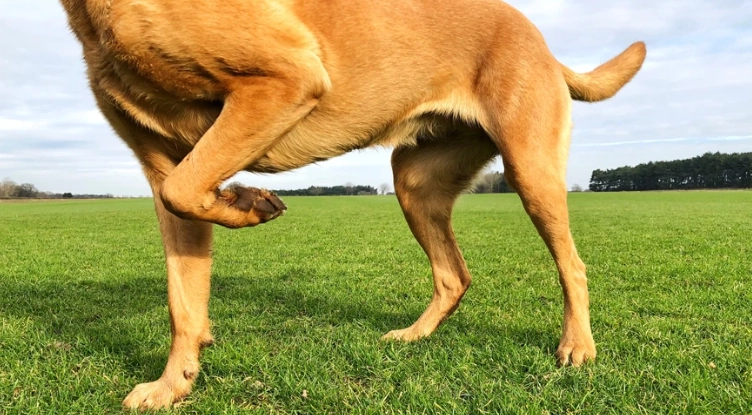
Recognizing joint problems in dogs is very important for their health and movement. About 80% of dogs older than eight years may have osteoarthritis. Many owners notice signs like walking less and limping often. Finding these problems early can help with better treatments, such as using a Glucosamine Chondroitin Hip and Joint Supplement. This can significantly improve your dog's quality of life.
Key Takeaways
- Look for early signs of joint problems in your dog. These signs include less activity, trouble getting up, or limping. Finding these issues early can help with better treatment choices.
- Keeping a healthy weight is very important for your dog's joints. Extra weight puts more stress on their joints. Talk to your vet about a good weight plan.
- Regular vet visits are very important, especially for older dogs. Going to the vet often helps find joint problems early. This way, you can change treatment plans for better results.
Early Signs of Arthritis
Changes in Activity Level
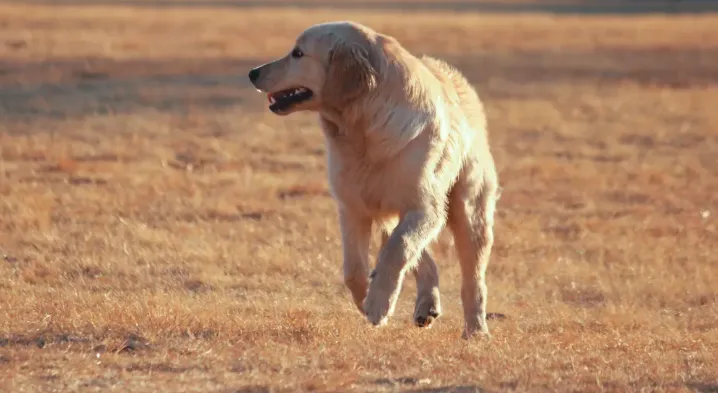
You might see your dog being less active as an early sign of arthritis. This can show up as not wanting to play or go for walks. Dogs may hesitate before jumping or climbing stairs, which can mean they have joint pain. Watch for signs like:
- Less interest in walks or playtime
- Mood changes, where your dog seems grumpy or less friendly
- Licking or biting at certain joints often
- Changes in sleep, like sleeping more or having trouble sleeping because of pain
Noticing these changes early can help you fix joint problems before they get worse.
Difficulty Rising or Lying Down
Another common sign is trouble getting up or lying down. Dogs with arthritis usually take longer to stand after resting. You might see your dog having a hard time standing up or being stiff when getting up. This can include:
- Taking longer to rise after sleeping
- Hesitating to move, like pausing before jumping
- Showing signs of pain when going from lying down to standing
These signs mean your dog might have joint pain, and finding it early is important for good care.
Limping or Favoring a Limb
Limping or favoring a leg is a clear sign that your dog might have joint pain. You may notice mild limping that gets better as your dog warms up or gets worse after playing. Pay attention to:
- Changes in how they stand or walk, like a hunched back
- Not wanting to jump or climb stairs
- Changes in behavior, like being more grumpy or avoiding family
These signs can help you spot arthritis early and get your dog to the vet sooner.
Stiffness After Rest
Ongoing stiffness after resting is another early sign of arthritis. Dogs may seem stiff when getting up from lying down or sitting. You might see:
| Symptom | Description |
| Stiffness after rest | Dogs are slow to get up in the morning or after naps. |
| Limping | Limping that gets better as they warm up or worse after activity. |
| Reluctance to jump | Trouble jumping into cars or onto couches. |
| Slower walks | Shorter steps or a bunny-hopping run. |
| Behavior changes | More grumpiness or less interest in playing. |
Noticing these signs early can lead to better care options and help your dog live a happier life.
Advanced Joint Symptoms

Persistent Pain or Discomfort
As joint problems get worse, your dog may feel constant pain or discomfort. This pain can show up as ongoing limping, making it hard for your dog to move easily. You might see your dog limping or not wanting to play. Here are some signs to look for:
- Chronic Lameness: Your dog may limp all the time, especially after playing.
- Reluctance to Exercise: Your dog might avoid playing or going for walks.
- Stiffness After Rest: Trouble moving after lying down can mean pain.
- Behavioral Changes: Your dog may act more aggressive or shy away from you.
Noticing these signs is very important. Studies show that about 37% of dogs visiting vets have a likely diagnosis of osteoarthritis (OA). If you see these signs, get your dog to the vet quickly.
Swelling Around Joints
Swelling around your dog's joints is another sign of arthritis. This swelling usually means inflammation, which is a key sign of joint issues. You might see that the area looks bigger or feels warm, especially in the elbows, hips, or knees. Here are some things to notice:
- Swelling or warmth in the joints
- Bigger size of the affected area
- Trouble moving because of discomfort
These signs can help tell different joint problems apart. If you see swelling, it’s important to talk to your vet for a full check-up.
Decreased Range of Motion
As arthritis gets worse, your dog may have less movement in their joints. This can make it hard for them to do daily activities. Vets often check this movement with special tools. Here are some ways they measure joint motion:
| Measurement Method | Description | Purpose |
| Electrogoniometer | A tool for measuring joint angles | Gives clear data for checking motion |
| Universal Goniometer | A plastic tool for measuring joint angles | Used for health checks |
| Other Methods | Includes X-rays and movement analysis | Provides different ways to check joint motion |
If you see that your dog has trouble moving their joints, it’s very important to get veterinary help.
Behavioral Changes
Behavior changes often happen with advanced joint pain in dogs. You might notice your dog becoming grumpy, restless, or withdrawn because of pain. They may whine or groan when they move. Here are some behavior signs to watch for:
- More irritability or less patience with handling
- Staying away from family interactions
- Less excitement for activities
These changes can mean your dog is in pain. If you see sudden grumpiness or aggression, it’s very important to talk to your vet. Taking care of these symptoms early can help manage your dog's joint health better.
Causes and Risk Factors
Age and Breed Predispositions
Age is very important for joint health. As dogs get older, they are more likely to get arthritis. Studies show that up to 90% of older dogs may have arthritis or other joint problems. Some breeds are more likely to have joint issues. Here are some breeds and their risks:
| Breed | Joint Problem | Risk Type |
| Rottweiler | Cruciate ligament rupture | Increased risk |
| Golden Retriever | Cruciate ligament rupture | Increased risk |
| Labrador Retriever | Cruciate ligament rupture | Increased risk |
| Mastiffs | Hip and elbow dysplasia | Higher prevalence |
| Boxers | Hip and elbow dysplasia | Higher prevalence |
| German Shepherds | Hip and elbow dysplasia | Higher prevalence |
| Bernese Mountain dogs | Hip and elbow dysplasia | Higher prevalence |
| Pomeranians | Patellar luxation | Higher odds |
| Chihuahua | Patellar luxation | Higher odds |
| Yorkshire Terrier | Patellar luxation | Higher odds |
| French Bulldog | Patellar luxation | Higher odds |
Obesity and Weight Management
Being overweight greatly raises the chance of joint problems in dogs. Extra weight puts stress on joints that bear weight. Here are some important points:
- Each extra pound increases pressure on joints, speeding up cartilage damage.
- Being overweight raises the risk of cruciate ligament issues by almost four times.
- Extra fat can cause inflammation, which adds to joint problems.
Keeping a healthy weight is very important for managing arthritis and helping joint health.
Previous Injuries or Trauma
Past injuries can cause long-lasting joint problems. Older dogs are more likely to get arthritis after an injury, especially in the knee area. Here are some facts about joint injuries:
| Evidence Type | Findings |
| Joint Trauma | Joint trauma is a big risk factor for getting osteoarthritis. |
| Specific Breeds | Some breeds, like Labradors and Golden Retrievers, are more likely to have joint issues. |
| Ligament Injuries | Injuries to ligaments can lead to higher risks of problems. |
Knowing these risk factors can help you take steps to manage your dog's joint health.
Why Early Detection Matters
Improved Quality of Life
Finding joint problems early can really help your dog's life. Spotting signs of arthritis lets you take action sooner. Here are some good things about early detection:
- Stops joint diseases from getting worse.
- Helps manage pain so dogs feel more comfortable.
- Makes dogs happier and more active.
If you see your dog avoiding jumps or being less excited, these could be signs of joint issues. Taking care of these signs early can help your pet live a happier life.
Treatment Options and Effectiveness
When you find joint problems early, there are many treatments that can help. Here’s a table showing effective treatments:
| Treatment Option | Effectiveness |
| Physical Therapy | Helps joints move better, builds muscle, and eases pain. Hydrotherapy can help limbs work better and reduce pain after surgery. |
| Lifestyle Modifications | Using special beds, non-slip floors, and ramps can lower stress on joints. |
| Regular Exercise | Gentle activities like walking or swimming keep joints moving and muscles strong. |
Keeping your dog's gut healthy also helps lower inflammation, which causes joint pain. A healthy gut can help control inflammation and support joint health.
Cost Implications of Delayed Treatment
Waiting to treat joint problems can cost more later. You might face:
- Higher vet bills for advanced treatments.
- Possible need for surgery if joint issues get worse.
- More costs for medications to manage ongoing pain.
Spending on early detection and treatment can save you money and help your dog move better and enjoy life more.
Diagnosis and Treatment Options
Veterinary Examination and Tests
If you think your dog has joint problems, a vet check-up is very important. Your vet will do a complete physical exam and might suggest tests to find the problem. Common tests include:
| Diagnostic Test | Description |
| Radiography | Often used to check for joint problems at first. |
| Ultrasonography | Helps look at soft tissues around the joints. |
| Computed Tomography (CT) | Good for showing joints without mixing up images. |
| Magnetic Resonance Imaging (MRI) | Gives clear pictures to avoid overlapping images. |
| Arthrocentesis | Collects and checks joint fluid, which is key for finding joint diseases. |
| Synovial Biopsy | Done when fluid can't be taken or if tumors are suspected. |
| Bone Biopsy | Suggested for cases with unusual bone issues. |
Medications and Supplements
Your vet might give you medicines to help with pain and swelling. Non-steroidal anti-inflammatory drugs (NSAIDs) are often used. Also, glucosamine chondroitin hip and joint supplements can help. Research shows these supplements can lower limping and improve joint use. For example:
- Glucosamine and chondroitin for dogs have been shown to reduce limping, with one study involving 32 dogs demonstrating this beneficial effect.
- In a review of dog studies, 57% found these dog supplements helped with arthritis.
Physical Therapy and Rehabilitation
Physical therapy is very important for helping your dog move better. Methods like special exercises and hydrotherapy can improve joint function. Benefits of physical therapy include:
- Building muscles around joints for better support.
- Letting dogs exercise without hurting their joints.
- Boosting blood flow and reducing stiffness.
Regular exercise is key for managing arthritis. A good rehabilitation plan can greatly improve your dog's life.
When to See a Veterinarian
Recognizing Urgent Symptoms
You need to look for signs that show your dog needs help right away. These signs can mean serious joint issues. Watch for these:
- Severe limping or not being able to put weight on a leg
- Sudden anger, hiding, or deep sadness
- Clear pain even with treatment
If you see any of these signs, call your vet immediately. Getting help early can stop more problems and make your dog feel better.
Regular Check-ups and Monitoring
Regular vet visits are very important for dogs, especially those with joint issues. Here are some tips to remember:
- Older dogs should see the vet at least twice a year.
- Dogs with ongoing health issues may need to visit more often.
Frequent check-ups help find age-related problems like arthritis and heart disease early. Regular monitoring lets you change treatment plans, which can greatly help your dog's life. Keeping a close watch on your dog's health helps you notice any changes quickly, leading to better results.
Helping Your Dog at Home
Weight Management Tips
Keeping your dog at a healthy weight is very important for their joints. Extra weight puts more pressure on joints, causing pain and movement problems. Here are some good ways to help manage your dog's weight:
- Talk to your vet to find out your dog's best weight using the Body Condition Score (BCS).
- Cut back on treats to help your dog eat better.
- Change to a low-calorie diet or a vet-recommended weight loss food.
- Weigh your dog often to check their progress, aiming for a 1-2% weight loss each week.
Cozy Living Space
Making a comfy home can really help your dog's life. Think about these changes:
- Get supportive bedding: Use orthopedic beds with high-density foam to lessen pressure on joints.
- Change the flooring to stop slipping: Use rugs or rubber-backed mats to create non-slip areas.
- Raise food and water bowls: This helps reduce strain on the neck and back, making it easier for your dog to eat and drink.
- Use a lifting harness: This helps your dog stand up and walk without hurting their joints.
Exercise and Mobility Help
Regular, gentle exercise is key for keeping your dog's movement and joint health. Here are some good activities:
- Take gentle walks on soft surfaces like grass or sand to avoid stressing the joints.
- Swimming is a great low-impact exercise that helps keep joints healthy.
- Think about using a water treadmill for safe exercise with resistance.
- Add joint movements and massage to help increase motion and ease pain.
By using these tips, you can help your dog's joint health and improve their overall happiness.
Noticing signs of joint problems in dogs is very important for their health. Finding these issues early can help with better treatments. Look for changes in behavior, like hesitating to jump or avoiding stairs. Regular vet visits can help change pain management plans and make your dog’s life better. Keep a close eye on your pet’s health.
FAQ
What are the first signs of joint problems in dogs?
Look for changes in activity, difficulty rising, limping, or stiffness after rest.
How can I help my dog with joint pain at home?
You can manage your dog's weight, provide a comfortable living space, and ensure gentle exercise.
When should I take my dog to the vet for joint issues?
Take your dog to the vet if you notice severe limping, sudden behavioral changes, or persistent pain.



Blog comments
0 Comments