
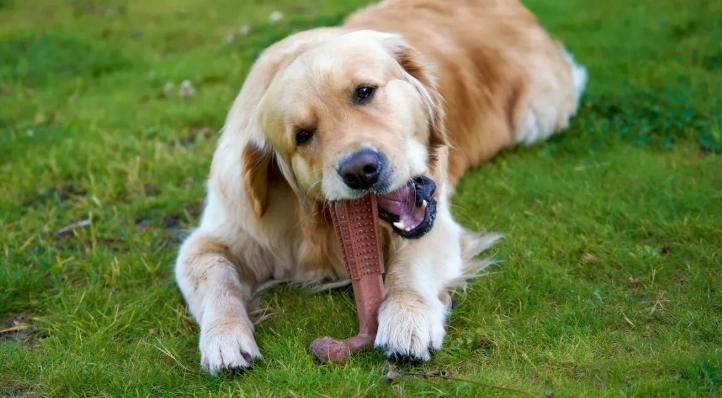
When it comes to giving vitamins to your dogs, dog vitamin soft chews often take the lead as the preferred option. Their palatability and ease of absorption make them a favorite among both pets and their owners. In fact, 41% of dog supplement shoppers lean towards soft chews, while only 22% opt for tablets. Choosing the right vitamin format plays a crucial role in your dog's overall health and well-being. You want to ensure that your furry friend gets the most out of their supplements, and the format you select can significantly impact that.
Key Takeaways
- Soft chews taste better for dogs. This makes them easier to give than tablets.
- Dogs take in nutrients better from soft chews. This leads to better health benefits.
- Soft chews are easy on the teeth. They are great for older dogs or those with dental problems.
- Think about your dog's age and health when picking between soft chews and tablets for vitamins.
- Talk to your veterinarian to find the best vitamin type for your dog's needs.
Effectiveness of Soft Chews
Nutrient Absorption
Soft chews for dogs are great for nutrient absorption. Studies show that dogs taking glucosamine in soft chews have 22% more plasma levels than those taking tablets. This means soft chews help absorb nutrients better. Their special design helps break down in the digestive system. This makes it easier for your dog to get important vitamins and minerals.
Bioavailability
Bioavailability is how much of a nutrient your dog can use after eating it. Soft chews often use glycerin or coconut oil. These ingredients help absorb fat-soluble vitamins like omega-3 and vitamin E. Tablets, on the other hand, use coatings that may not work as well. Here’s a quick comparison of absorption rates:
- Soft chews help absorb fat-soluble vitamins better.
- Tablets might not dissolve well, which lowers nutrient availability.
- Dogs taking glucosamine in soft chews had 22% higher plasma levels than those taking tablets.
With these points, it’s clear that soft chews are better for your dog’s health. They taste good and help your furry friend get the most from their supplements.
Palatability of Dog Vitamin Soft Chews
Taste and Texture
Soft chews are great when it comes to taste and texture. Dogs usually like them more than tablets. The chewy feel makes them seem like a treat, not a task. You can find soft chews in many flavors, like chicken, peanut butter, and bacon. These yummy dog soft chew supplements are made to attract your furry friend. This makes it easier for you to give them their vitamins.
Here are some reasons why dogs like soft chews:
- Better Taste: Soft chews have flavors that dogs enjoy, so they eat them happily.
- Pleasant Texture: The chewy feel is gentle on their teeth, especially for older dogs or those with dental problems.
- Treat-Like Experience: Dogs see soft chews as a treat, which helps them take their vitamins without a fuss.
Owner Experiences
Many dog owners share good stories about giving their pets soft chews. A look at soft chews and tablets shows some interesting facts:
| Feature | Soft Chews | Tablets |
| Palatability | Treat-like flavors make dogs eat them easily. | Often need hiding or direct giving. |
| Administration ease | Can be given by hand or tossed like a treat. | May need to be hidden in food or pilled. |
| Dosage precision | Sometimes need several pieces to match tablet strength. | Fixed, consistent dose per pill. |
| Cost effectiveness | Usually cost more per active milligram. | Generally cheaper if one pill meets the daily need. |
| Suitability for age/health | Easier for small breeds, seniors, or dogs with dental issues. | Can be tough to chew for older dogs with tooth loss. |
| Pros | High palatability makes dosing simple. | Precise, single-dose delivery. |
| Soft texture is great for older dogs or those with dental issues. | Usually lower cost per active ingredient. | |
| Cons | Often more expensive per dose. | Harder to give without food disguises or a pill gun. |
| May need 2–3 chews to equal one tablet’s strength. | Some dogs refuse “pills.” |
Owner-reported compliance rates show the benefits of soft chews. Many pet parents notice their dogs are more willing to take soft chews than tablets. This higher acceptance leads to better following of supplement plans. Chewable medicines are often seen as easy and effective, helping you make sure your dog gets the nutrients they need.
Ease of Administration
Dosage Accuracy
Giving your dog vitamins needs careful dosing. Soft chews can sometimes cause uneven dosing. If your dog does not finish the chew, they miss important nutrients. High heat and pressure during making can also harm active ingredients. This makes them less effective.
Tablets have their own problems too. Dogs might refuse hidden tablets, which means they don’t get their dose. If your dog has trouble swallowing, it can be stressful for both of you. Tablets also take longer to absorb, which can affect how well your dog gets the vitamins.
Administration Techniques
Giving vitamins to your dog can be easy with the right methods. Here are some good ways for both soft chews and tablets:
1.For Soft Chews:
- Give them by hand or toss them like a treat. This feels like a reward for your dog.
- Use their favorite flavors to make them want to take the chews.
2.For Tablets:soft chews for dogs
- Hold your dog's head steady and tilt it back.
- Open their mouth and put the pill on the back of the tongue.
- Close their mouth and help them swallow by blowing gently on their nose.
3.Creative Tricks:
- Hide the pill or chewable in their food. Use tasty foods to cover the taste of the supplement.
- Try to trick them into taking the supplement without them knowing.
Veterinarians often say soft chews are easier to give. They find that the treat-like flavors attract dogs, making it simpler for you to give them their vitamins. Tablets usually need hiding or direct giving, which can be harder.
| Feature | Soft Chews | Tablets |
| Palatability | Treat-like flavors entice dogs | Often require disguising or direct administration |
| Administration Ease | Can be offered by hand or tossed | May need to be hidden in food or pilled |
With these methods, you can make sure your dog gets the vitamins they need without any trouble.
Suitability for Different Dogs
Senior Dogs
Soft chews are very good for senior dogs. As dogs get older, they often have dental problems that make chewing hard. Soft chews have a gentle texture that is easy on their teeth. They can help keep their mouths healthy, which is important for older dogs. Here are some main benefits:
- Dental Health: Chewing soft chews can lower dental calculus and help the oral microbiome. This helps stop dental disease.
- Safety: Research shows these chews are safe for dogs and do not cause bad effects.
| Findings | Description |
| Dental Calculus Reduction | Chewing dental chews helps lower dental calculus in dogs. |
| Oral Microbiome Improvement | Chewing can help the oral microbiome, lowering dental disease. |
| Safety of Chews | Studies showed that the chews did not cause bad effects in dogs. |
Puppies and Health Issues
Soft chews also meet the needs of puppies and dogs with health problems. Puppies can be picky eaters, and soft chews come in many flavors like chicken, peanut butter, and bacon. This variety makes them attractive to young dogs. Here’s why soft chews are a great choice:
- Palatability: Soft chews taste good, making them easier for puppies to eat than tablets.
- Ease of Administration: You can give soft chews like treats, which makes it simple. Puppies usually enjoy this, making it less stressful for both of you.
| Feature | Soft Chews | Tablets |
| Palatability | Tasty flavors and textures | Less tasty, often medicinal |
| Ease of Administration | Easy to give, like treats | May need coaxing or hiding |
| Dental Suitability | Gentle on teeth, good for all dogs | Harder, may not be good for dogs with dental issues |
Soft chews can also help dogs with certain health problems. They are easier to chew and digest, making them a better choice for dogs with sensitive stomachs or dental issues.
Pros and Cons of Soft Chews vs Tablets
Advantages of Soft Chews
Soft chews have many benefits that make them popular with dog owners. Here are some main advantages:
| Advantage | Description |
| High palatability | Makes it easy for dogs to take, encouraging regular use. |
| Soft texture | Great for older dogs or those with sensitive teeth. |
| Variety of flavors | Can hide less tasty nutrients, making them more enjoyable. |
These points help create a better experience when giving your dog supplements. Dogs often think of soft chews as treats, so they are more likely to take their vitamins. This can help them stick to their supplement plan.
Disadvantages of Tablets
Even though tablets have their uses, they also have some downsides. Here are a few disadvantages to think about:
- Less palatable: Many dogs do not like tablets. You may need to hide them in food or use tricks to get your dog to take them.
- Harder to chew: For older dogs or those with dental problems, tablets can be hard to chew. They might have trouble eating them properly.
- Cost-effectiveness: Tablets are usually cheaper if one pill meets the daily need. However, soft chews might give better value when you think about how easy they are to give and how well dogs accept them.
| Supplement Type | Cost Effectiveness |
| Soft Chews | Higher cost per active milligram |
| Tablets | More affordable if one pill meets daily requirement |
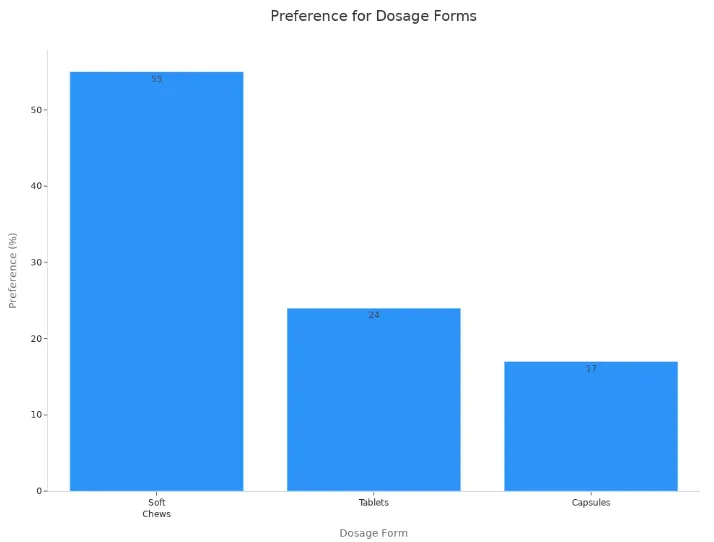
In conclusion, soft chews are the top choice for canine vitamins. They taste great and help dogs absorb nutrients better. About 55% of dog owners prefer soft chews over tablets, showing their popularity.
Always talk to your veterinarian to find the best choice for your dog's needs. Think about their age, health, and lifestyle when deciding.
Choosing soft chews can help your dog get the nutrients they need for a happy and healthy life.
FAQ
What are soft chews for dogs?
Soft chews are tasty, chewy supplements designed for dogs. They often contain vitamins and nutrients that support your dog's health. Many dogs find them more appealing than tablets.
How do soft chews compare to liquid supplements?
Soft chews are easy to give and often taste better than liquid supplements. Liquid options can be messy and require careful measuring, while chews are more straightforward for daily use.
Can I give my dog both soft chews and tablets?
Yes, you can give your dog both formats. However, consult your vet first to ensure the combined dosage is safe and effective for your dog's specific needs.
Are soft chews suitable for all dog breeds?
Most soft chews are suitable for various breeds, but always check the packaging. Some chews may be better for small dogs, while others cater to larger breeds.
How should I store soft chews?
Store soft chews in a cool, dry place. Keep them in their original packaging to maintain freshness. Avoid exposing them to moisture, which can affect their texture and taste.




Blog comments
0 Comments