
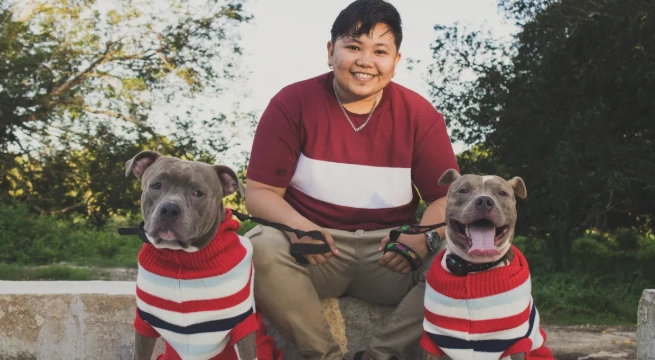
Pit Bulls often have skin problems. Their short fur makes them vulnerable. They do not have an undercoat. Your Pit Bull might scratch a lot. They might get red spots. These dogs can get many skin problems. This includes itchy allergies. They can also get tumors. Skin cancer is another risk. For example, 10-15% of Pit Bulls get allergic dermatitis. They can also get Atopic Dermatitis. Pyoderma and Mange are also common. These skin issues need your attention. This guide helps you understand them. It helps you manage them. It also helps prevent them. A canine multivitamin can help. It offers new ideas for 2025. We give you steps to improve skin health.
Key Takeaways
Pit Bulls often have skin problems. These include allergies, mange, and infections. Their short fur makes these problems more likely.
To care for your Pit Bull's skin, you should groom them well. You should also control things that cause allergies. Feeding them special foods helps too.
Multivitamins give your Pit Bull important nutrients. These include Omega-3s, vitamins A, D3, E, and B. Minerals like zinc and copper are also included. These help your Pit Bull's skin.
Always talk to your vet first. Do this before starting new supplements. Also talk to them if skin problems get worse. They can help find the right treatment.
Common Pit Bull Skin Issues
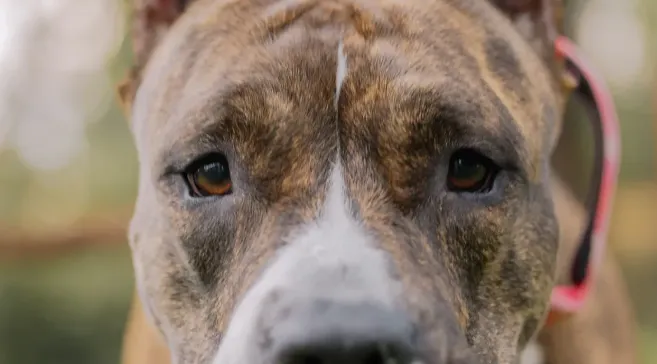
Your Pit Bull can have many skin problems. These problems make your pet uncomfortable. They also make you frustrated. Knowing about these issues helps you care for your dog.
Understanding Pit Bull Allergies
It is important to understand Pit Bull allergies. Your dog's body sometimes overreacts. It reacts to things that are not harmful. This makes their skin itchy. These allergies can be annoying. Many Pit Bulls get different kinds of allergies.
Environmental Allergies
Environmental allergies are very common. Your Pit Bull can react to things outside. These include:
Mold spores
Dust mites
Grass
Pollen
Trees
Flea saliva (causing flea allergy dermatitis)
Flea saliva causes flea allergy dermatitis. This is a common skin problem. You might see lots of scratching. There could be red spots. Hair loss is also possible. These are signs of allergies. Finding out what causes them helps you. It helps you manage your dog's problem. You must find what makes your dog uncomfortable.
Food Allergies and Diet
Food allergies also cause skin problems. Your dog's food affects their skin. Common food allergens are:
Wheat
Soy
Corn
Dairy
Eggs
Beef
Chicken
Lamb
These foods can cause big skin issues. Changing your dog's food can help. It can make food allergies better. Many Pit Bulls have different allergies. You can help your dog. Learn what allergies they have.
Parasitic Skin Conditions
Parasites cause other skin problems for Pit Bulls. Two types of mange are very common.
| Parasitic Condition | Description |
|---|---|
| Demodectic Mange | Pit Bulls can get this easily. Tiny Demodex mites cause it. These mites live on a dog's skin. But they grow a lot in weak dogs. This causes hair loss. It also causes redness and sores. |
| Sarcoptic Mange (Scabies) |
This problem spreads easily. Sarcoptes scabiei mites cause it. Your Pit Bull's short fur makes them prone. They get intense itching. They also get skin swelling. And they get other infections. |
If your Pit Bull has demodectic mange, you might see:
Hairless patches
Oily skin
Redness or swelling
Swollen paws
Crusty skin
Flaky skin
Bumps on the skin (papules)
Darker skin
Thick skin
Some itching, depending on other infections or where the sores are
Sores often start on the face and head in puppies
In bad cases: pain, tiredness, fever, oozing sores, and swollen skin
Possible ear infections if mites get into ears
Other Common Skin Concerns
Besides allergies and parasites, your Pit Bull can have other skin issues.
Pyoderma (Bacterial Skin Infections): Bacteria infect the skin. This often happens from scratching. Or from a weak immune system. You will see pus bumps. There will be red areas. And crusty spots. A bad smell is also common.
Hot Spots (Acute Moist Dermatitis): These are red, wet sores. They get bad fast. Too much licking causes them. Or too much wetness. You will see raw, oozing sores. Lots of licking is typical. Hair loss and a bad smell too. These hot spots hurt a lot. They are a type of acute moist dermatitis.
Yeast Infections (Fungal Skin Problems): These grow in warm, wet places. Look in ears, paws, and skin folds. Your dog might have red, greasy areas. You may smell a 'corn chip' odor. Constant itching is a main sign. In long-term cases, the skin gets thick.
Recognizing Symptoms and Diagnosis
Identifying Skin Irritation Signs
Watch your Pit Bull closely. Look for signs of skin irritation. Your dog cannot tell you. They cannot say when something hurts. They will scratch a lot. They will lick more than usual. Look for red spots. These are on their skin. You might see bumps. Scabs or hair loss can happen. Constant itching is a big sign. Your dog might rub furniture. They might roll on the ground. These mean they are not comfy. Check their paws. Check their ears and belly. These spots show early signs. They show early irritation.
When to Consult a Veterinarian
Call your veterinarian. Do this if skin problems last. Do not wait if irritation gets worse. See a vet right away. Do this if sores open. Or if there is a bad smell. Bad itching needs a vet. This is true if it stops sleep. Early help can stop big issues. Your veterinarian can find the problem. They will tell you what to do.
Diagnostic Methods for Skin Problems
Your veterinarian has ways to find skin problems. They will do a physical exam first. They will ask about your dog's past. They will ask about their food. They might do a skin scrape. This checks for parasites. They gently scrape the skin. They look at it under a microscope. For allergies, blood tests help. Or special diets. These find allergy symptoms. They find what causes them. Sometimes, a biopsy is needed. This is for harder issues.
General Skin Management and Prevention
You can help your Pit Bull's skin. You can stop many problems. A regular plan keeps your dog comfy. It also makes their skin healthy.
Proper Grooming Practices
Good grooming makes skin healthy. Bathe your Pit Bull when needed. Use a gentle dog shampoo. Keep soap out of their eyes. Keep water out of their ears. Keep water out of their nose. Clean tear stains. Use a soft cloth. Or use a dog eye wipe. Clean their ears often. Use a cotton ball. Use a soft cloth. Use a vet-approved cleaner. This removes dirt. It removes wax and debris. Do not use cotton swabs. Regular grooming helps you see problems. It keeps their skin clean.
Environmental Control
Control your home. This lowers allergens. Make some areas pet-free. Bedrooms are important. Vacuum often with a HEPA filter. Steam clean carpets a lot. Dust surfaces often. Bathe your dog weekly. Use a good shampoo. It should be hypoallergenic. This removes allergens. It removes pollen and dust. It removes dead skin cells. Brush your dog often. Do it a few times a week. This removes loose fur. It removes dead skin cells. Use HEPA air purifiers. They filter pet dander. Make sure your home has good air flow. This spreads out allergens. These steps are key for prevention.
Specialized Diets for Skin Health
A special diet helps skin a lot. Find dog food for skin and coat. Think about hypoallergenic food. These have new protein sources. Your dog has not eaten them. Insect protein dog food is easy to digest. It rarely causes allergies. Limited ingredient diets also help. They have fewer possible allergens. These diets give good nutrition. They help reduce swelling. Omega-3 fatty acids are good. Probiotics help the gut. They help the immune system. Natural antihistamine supplements can help. Always ask your vet first. A nutrient-rich diet is key for good care.
Effective Parasite Control
Good parasite control is important for prevention. Follow your vet's advice. Prevent fleas and ticks. Use treatments all year. This protects your Pit Bull. It stops parasitic skin problems. Check for fleas and ticks often.
Canine Multivitamin Benefits for Healthy Skin
You want your Pit Bull to have healthy skin. A good canine multivitamin helps. These supplements give key nutrients. They help your dog's body work well. This means strong immunity. It also means great skin.
Key Nutrients for Healthy Skin
Your Pit Bull needs certain nutrients. These are for truly healthy skin. Think of them as building blocks.
Proteins and Energy: These are vital for skin and hair. Not enough causes hair loss. Fur can look dull. Adult dogs need 25%–30% protein. They need 10%–15% fat. Good proteins are chicken, turkey, fish. They give key amino acids.
Essential Fatty Acids (EFAs): Your dog cannot make enough. You must give them in food. Linoleic acid is one important EFA. If your dog lacks EFAs, skin gets dry. It can be scaly. Hair can get matted. Skin can lose its stretch. Ear infections may happen.
Omega-3 Fatty Acids: These are "good fats." They reduce swelling. They stop itching. They fight inflammation. Omega-3s are key for health. Your dog must get them from food. Many top supplements for 2025 use these. They make coats soft. They help with normal shedding.
Minerals: These are also key for good skin. They help coat health.
Copper: Too little copper makes fur dull. Hair loss can be patchy. Hair color can change.
Zinc: Not enough zinc causes hair loss. Skin ulcers can appear. Skin can get thick. It can crack on joints. It can crack on paw pads.
Vitamins: Fat-soluble (A, D, E, K) are important. Water-soluble (B vitamins) are too.
Water: Your dog needs lots of water. It keeps skin hydrated. It stops dry, flaky skin.
A nutrient-rich diet with these helps skin health.
Multivitamins and Immune Support
A canine multivitamin does more. It helps your dog's skin. It also boosts their immune system. This makes your dog stronger. They fight illnesses better. Multivitamins are like insurance. They ensure your dog gets all key elements. This includes what they need. It helps their immune system.
Many immune support supplements have:
Vitamin C
Vitamin E
L-Glutamine
Whey protein
Omega-3 fatty acids
These fill gaps in your dog's food. They ensure proper growth. They give energy. Micronutrients like Vitamins A, B-complex, C, D, E help immunity. Dr. John Loftus is an expert. He says food is vital for immunity. Proteins, fats, vitamins, minerals are needed. They help immune cells. He says ask a vet first. You can give too much. This is true for vitamin D.
Vitamins for Skin Repair
Some vitamins repair skin. They renew it. They keep your dog's skin healthy. They keep it strong.
Vitamin A: This vitamin helps cells grow. It keeps skin structure. It keeps skin working. It stops dryness. It stops flakiness. It stops infections.
Vitamin D3: This vitamin controls calcium. It helps skin health. It helps overall well-being. Dogs make some Vitamin D3. They get it from sunlight. A good diet gives enough.
Vitamin E: This is a strong antioxidant. It protects skin cells. It stops damage. It keeps skin stretchy. It makes skin lively. It gives a shiny coat.
Biotin and B vitamins: These vitamins help metabolism. This includes fat metabolism. This is key for linoleic acid. It works in skin layers. Vitamins A and E store in skin. Vitamin A is vital for cells. Vitamin E protects skin. It is an antioxidant.
Antioxidant Benefits
Antioxidants protect your dog's skin. They fight bad molecules. These are called free radicals.
B-Vitamins: These vitamins help healthy skin.
Beta-carotene: Your dog's body changes it. It becomes Vitamin A. This improves skin health.
Vitamin A: This vitamin directly helps skin. It helps coat health.
These vitamins work together. They keep your dog's skin safe. They make it look its best.
Selecting a Canine Multivitamin
Picking the Best Multivitamin Supplement For Dogs helps your Pit Bull's skin. Know what to find. This helps you choose well.
Essential Ingredients to Look For
Find a multivitamin with key ingredients. They help healthy skin. Look for fish oil. It comes from sardines, mackerel, herring, and anchovies. These give important fatty acids. Also, check for Vitamin E, Apple Cider Vinegar, and Biotin. Your dog needs Vitamin A and Vitamin D3. B vitamins are key. These include Niacin, Thiamine (B1), Pantothenic Acid, Pyridoxine (B6), Riboflavin (B2), Folic Acid, and Vitamin B-12. These B vitamins are vital for good nutrition. Essential minerals are also important. Vitamins A, C, and E are antioxidants. Fish oil concentrate (EPA and DHA) keeps skin moist. Methionine also helps.
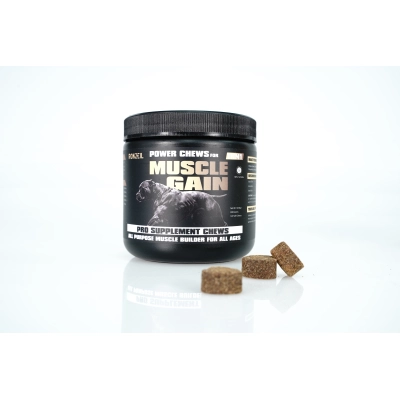
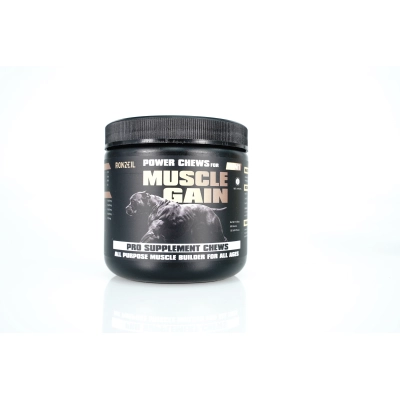
This Canine Multivitamin provides support for eight key health areas for adult and senior dogs through a variety of core nutrients.
Key benefits and corresponding ingredients include:Joint and Vitality Support: Glucosamine and chondroitin sulfate help maintain joint health and support mobility.
Skin and Coat Health: Omega-3 fatty acids (EPA and DHA) contribute to healthy skin and a shiny coat.
Digestive Support: Added probiotics help maintain intestinal health and enhance nutrient absorption.
A Comprehensive Foundation for Health: A combination of vitamins and minerals works together to support the immune system, heart function, liver health, and antioxidant levels.
This product concentrates multiple nutrients into a convenient, palatable soft chew tablet designed to comprehensively support your dog's overall health.
Dosage and Administration
Ask a veterinarian for the right dose. Doses change for each dog. They depend on breed, age, and size. Too much or too little can hurt your dog. Always read labels for doses. Check warnings before giving supplements.
Quality and Sourcing
Best Multivitamin For Dogs are important. Look for NASC standards. This means the company follows rules.
Veterinary Consultation for Supplements
Talk to your veterinarian first. Do this before starting supplements. They help you pick the right ones. They ensure they meet your Pit Bull's needs.
When Professional Veterinary Care is Needed
You can fix many skin issues at home. But some signs mean you need a doctor. Your veterinarian has the best answers.
Signs Requiring Vet Attention
Call your vet if you see these signs. They show bigger problems.
Your dog scratches too much.
It bites or licks a lot.
You see red skin.
It is on the belly, ears, and paws.
Your dog gets ear infections often.
Hair is missing.
You find pus bumps.
The skin is red.
It is swollen.
You see crusty spots.
A bad smell comes from the area.
There are raw sores.
Your dog licks one spot a lot.
The skin is thick.
You see scabs.
There are open sores.
The skin is greasy.
It smells like "corn chips."
Your dog rubs its head.
It shakes its head.
The skin gets dark.
It gets thick over time.
Advanced Treatment Options
Your vet can give special treatment. This is for bad problems. They might send you to a skin doctor. These doctors do special tests. They scrape skin. They test for allergies. They take small skin samples. This finds the main cause. They make special plans. These plans use new medicines. They use skin creams. They use allergy shots. This helps fast. It helps for a long time. You might get new treatment ideas. Your vet can give medicines. Apoquel or Cytopoint help allergies. Pills with good fats help skin.
Long-Term Management Strategies
Fixing long-term skin problems needs steady care. Your vet might suggest cyclosporine. It works like cortisone. But it has fewer bad effects. Allergy shots are another choice. They stop allergic reactions. They work very well. You must do them for life. You can use an air cleaner. It filters pollen. Good fat pills stop scratching. Washing your dog helps. It removes allergens. Use special shampoos. Oatmeal or chlorhexidine are good. Skin creams help hot spots. Allergy pills are safe. They reduce itching. Avoid fleas. Use medicated baths. Use special skin products. They fix the skin barrier. Your vet will guide your care plan.
Pit Bull skin issues are common. You can manage these issues with a holistic approach. Understand the causes. Implement general management. A canine multivitamin plays a significant role. Consistent attention, early intervention, and collaboration with your veterinarian are crucial. You improve your Pit Bull's quality of life through proactive care. Tackle these challenges effectively. Your dog deserves healthy skin.
FAQ
Can multivitamins cure my Pit Bull's skin problems?
Multivitamins help skin stay healthy. They do not always fix bad problems. They give important nutrients. These help your dog's body get better. They also make the immune system stronger. Always ask your vet. They will tell you what is wrong. They will give a plan to fix it. 🐾
How long does it take to see results from a multivitamin?
You might see changes in weeks. It depends on the problem. It also depends on your dog's health. Give the multivitamin all the time. Do it as you are told.
What are the most important nutrients for Pit Bull skin?
Look for Omega-3 fatty acids. They make swelling go down. Vitamin E fights bad stuff. Zinc and copper build skin. Biotin helps the coat. These are key for good skin.
Can food allergies cause skin issues in Pit Bulls?
Yes, food allergies cause skin problems. Beef, chicken, and grains are common causes. Your dog might itch. It might get red. A special diet can help find these. It can help manage them. 🍎

Blog comments
0 Comments