
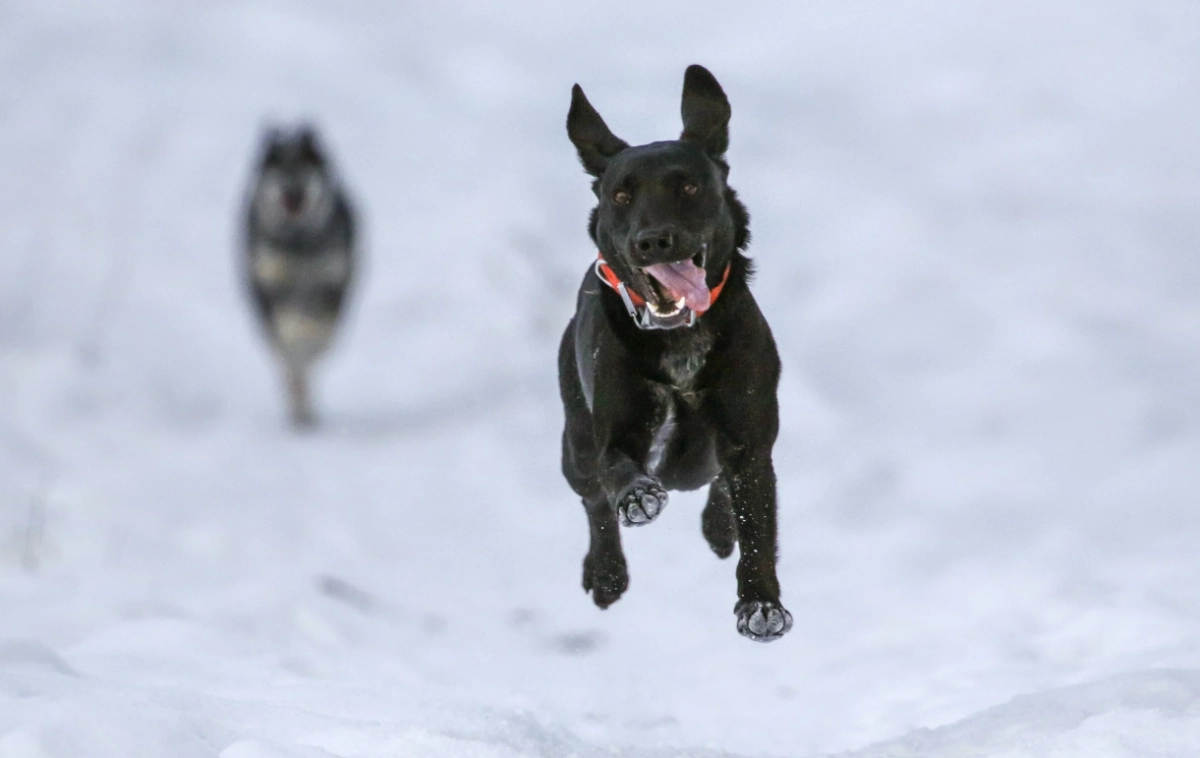
Controlling your dog's speed is important for safe dog treadmills workouts. The Ronzeil Treadmill offers many benefits over regular exercise. You can change workouts based on your dog's breed, age, and health. This treadmill helps avoid injuries by letting your dog set their own speed. This makes exercise safer for them.
Key Takeaways
- Check your dog's fitness level before using the treadmill. This helps keep them safe and makes workouts better.
- Look for signs that your dog is tired. These signs include heavy panting or not wanting to move. This helps avoid overdoing it.
- Use praise and simple commands to help your dog keep a steady pace on the treadmill.
Dog Needs

Fitness Assessment
Before you start your dog on the Ronzeil Non-Electric Dog Treadmill, it’s crucial to assess their fitness level. This helps ensure that your furry friend is ready for the workout and can handle the exercise without strain. Here are some key components to consider when evaluating your dog's fitness:
| Assessment Component | Description |
| Heat Scanning | Check muscle groups for any heat presence. |
| Muscle Tension | Feel for muscular tension and watch for behavioral responses. |
| Functional Performance | Observe how your dog performs during warm-up exercises. |
| Scoring Criteria | Grade muscular tension and note any reluctance to move. |
By regularly assessing these components, you can tailor your doggy treadmill sessions to fit your dog's needs and capabilities.
Recognizing Fatigue
As your dog exercises, it's essential to recognize signs of fatigue. This awareness helps you adjust the pace or stop the session if needed. Here are some common signs to watch for:
- Pay attention to signs of too much exercise: If your dog seems overly tired, it might be time to slow down.
- Refusing to eat or vomiting: These can indicate that your dog is feeling unwell.
- Avoidance of commands: If your dog doesn’t respond to commands like “sit,” they may be too fatigued.
- Sloppy form: Watch for poor posture or uncoordinated movements.
- Restlessness: If your dog keeps getting up or seems unable to settle, they might be tired.
- Limping or excessive panting: These are clear indicators that your dog needs a break.
- Down tail position: A tail that hangs low can signal severe fatigue.
Recognizing these signs will help you keep your dog safe and comfortable during their treadmill workouts.
To start your treadmill sessions calmly, follow these steps:
- Begin with the treadmill turned off.
- Guide your dog to the back of the treadmill and encourage them to jump on the belt and walk to the front.
- Reward your dog with treats for standing near the front of the treadmill.
- Turn your dog around and have them walk to the back to exit.
- Repeat this drill several times, giving treats while your dog is on the treadmill to create a positive association.
By starting sessions this way, you help your dog feel more at ease and focused, setting the stage for a successful workout.
Workout Plan
Setting Goals
When you start using the Ronzeil Treadmill, it’s important to set clear goals for your dog's workouts. Think about what you want to achieve. Do you want weight loss, better endurance, or just a fun way to exercise? Here are some tips to help you set good goals:
- Define Specific Objectives: Instead of saying, "I want my dog to be fit," try saying, "I want my dog to jog for 15 minutes at a steady pace."
- Track Progress: Keep a record of your dog's workouts. Write down the time, speed, and how your dog does. This will help you change your goals if needed.
- Adjust as Needed: If your dog has trouble with a goal, feel free to change it. Being flexible helps keep your dog happy and interested.
Endurance Focus
Building endurance is very important for your dog's health. Endurance exercises help improve heart health, which is key for long-term wellness. Here’s how to focus on endurance during doggie treadmill workouts:
- Start Slow: Begin with short sessions of 5-10 minutes. Slowly increase the time as your dog gets stronger. This helps prevent injuries and keeps your dog motivated.
- Maintain a Steady Pace: Try to keep a steady speed instead of letting your dog speed up suddenly. Quick changes can cause stress and coordination problems. Here’s a quick reference on why keeping a steady pace matters:
| Safety Aspect | Description |
| Speed Adjustments | Smooth changes lower the risk of tripping. |
| Abrupt Changes | Sudden speed changes can stress dogs out. |
| Control Mechanism | A speed dial allows for quick speed changes. |
- Incorporate Interval Training: While steady exercise is good, think about adding intervals. Short bursts of speed followed by rest can boost your dog's endurance. Research shows this method can improve fitness and heart health.
- Monitor Heart Rate: Watching your dog's heart rate during workouts can give you useful information. You can use methods like listening to their heart or a heart rate monitor to track changes. Here’s a quick overview of heart rate monitoring methods:
| Heart Rate Monitoring Technique | Key Findings |
| Auscultation | Good for checking heart rate changes during exercise. |
| HR Monitor | Gives accurate heart rate data during workouts. |
| Holter Monitor | Great for continuous heart rate tracking and recovery checks. |
By focusing on endurance and setting reachable goals, you’ll help your dog enjoy their time on the Ronzeil Treadmill while getting fitter. Remember, the key is to keep it fun and engaging!
Monitoring Pace
Verbal Commands
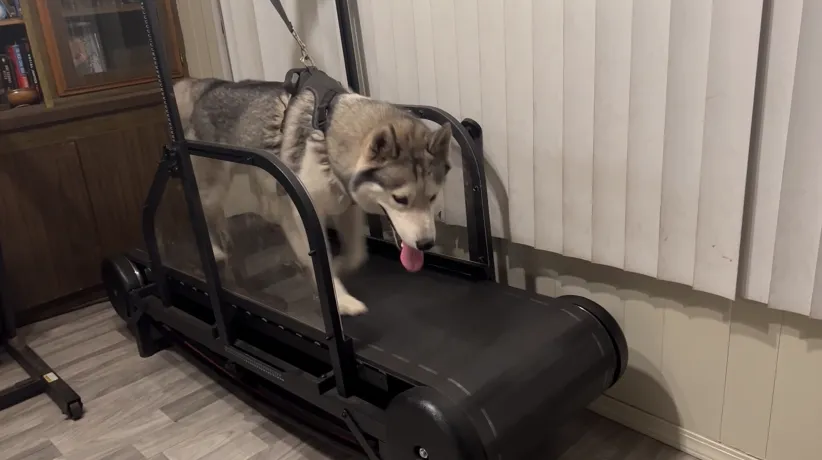
Using verbal commands can help you control your dog's speed on the treadmill. Here are some important words to use:
| Term | Description |
| Marker | A special signal to tell your dog that they did something right. |
| Reward | Giving praise or treats after the marker helps encourage good behavior. |
| Release/Free | A cue to let your dog know they can stop and play after finishing the task. |
When you give commands, keep your voice calm and friendly. This makes your dog feel safe and focused. Positive reinforcement is very important. Reward your dog right after they follow your commands. This helps them connect the command with the right action.
Body Language
Watching your dog's body language is just as important as using words. Here are some signs to look for:
- Engagement: A dog that stays focused during treadmill time feels happy.
- Movement: If your dog moves strangely or sniffs the treadmill, they might be uncomfortable.
- Calmness: A relaxed body shows your dog is okay with the pace.
If you see any signs of discomfort, stop the session right away. You want your dog to enjoy their workout, not feel rushed or stressed.
To help your dog keep a steady pace, start training them early. Use positive reinforcement to help them get used to the treadmill. Slowly introduce them to the equipment, making it fun. This way, your dog will look forward to their treadmill time!
Ronzeil Treadmill Tips
Maximizing Use
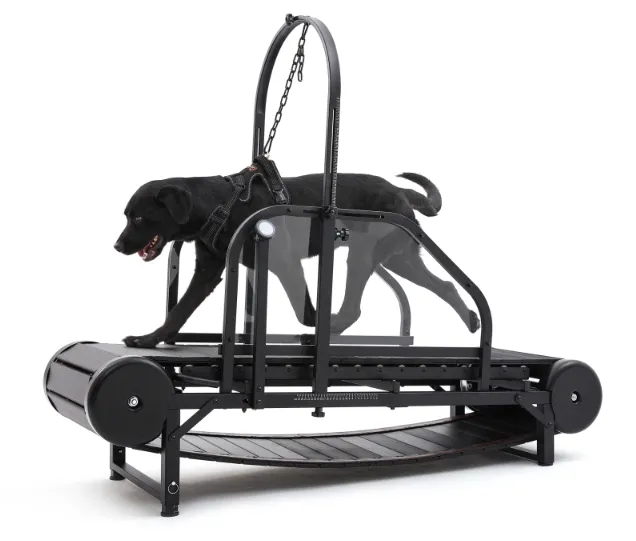
To make the most of your Ronzeil Treadmill, use these tips for great workouts:
| Segment | Duration | Activity Description |
| Warm-Up | 5 minutes | Start with walking, then jog, and finish with running: 2 min walk, 2 min jog, 1 min run. |
| Power Sprints | 6 minutes | Do 6 sets of 30 seconds of sprinting, then walk for 1 minute. |
| Interval Running | 9 minutes | Do 6 sets of 1 minute of running, followed by 30 seconds of trotting. |
| Jogging (Trott) | 5 minutes | Keep jogging for 5 minutes without stopping. |
These segments help your dog get stronger and stay interested. Change them up to keep things fun and exciting!
Safety Measures
Safety is very important when using the Ronzeil Treadmill. Here are some key safety tips:
- Always Supervise: Don’t leave your dog alone on the treadmill. They could trip, panic, or get too hot.
- Never Tether Your Dog: Don’t tie or hold your dog to the treadmill to avoid choking or injury.
- Check with Your Vet First: Talk to your vet before starting treadmill workouts, especially for older or sick dogs.
- Start Slow and Build Gradually: Begin with short, slow sessions to help your dog get used to it.
- Watch for Distress Signs: Look for signs like heavy panting or too much drooling.
- Warm Up and Cool Down: Always include slow walking at the start and end of each session to avoid muscle strain.
- Mind the Incline: Use the incline feature carefully to protect your dog's back and hips.
- Check Paws Before Each Session: Make sure your dog's nails are trimmed and their paw pads are not hurt.
By following these tips, you can make treadmill time safe and fun for your furry friend!
Controlling your dog's speed on a Ronzeil Non-Electric Dog Treadmill is very important for safe workouts. Keep these main points in mind:
- Your dog should pick its own speed for safety.
- Don’t tie your dog; let them move freely.
- Always watch them during workouts and start with short sessions.
- Add warm-up and cool-down times for better results.
Share your stories and tips for using the Ronzeil Non-Electric Dog Treadmill with your dog! 🐾
FAQ
What is a Ronzeil Non-Electric Dog Treadmill?
A Ronzeil Non-Electric Dog Treadmill allows your dog to run at their own pace, promoting safe and effective exercise.
How often should I use the treadmill with my dog?
Aim for 3 to 5 sessions per week, adjusting based on your dog's fitness level and energy.
Can all dogs use the treadmill?
Most dogs can use it, but consult your vet first, especially if your dog has health issues or is older.


Blog comments
0 Comments