
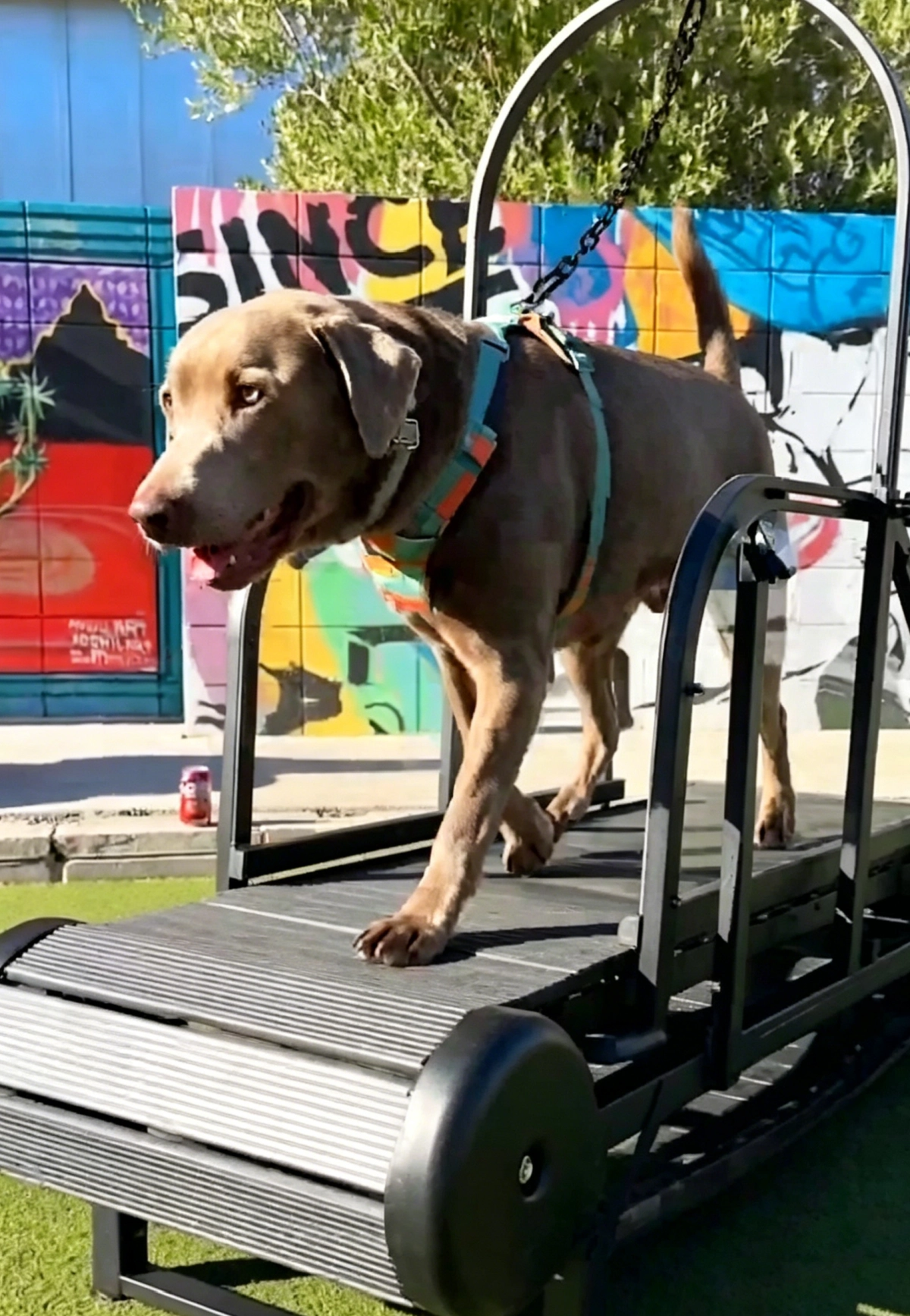
Hot summer days can make you worry about your dogs. They still have energy, but the heat outside feels dangerous. You want to keep them happy and active, so you look for safe ways to play indoors. Many veterinarians recommend games like tug-of-war, hide-and-seek with treats, or indoor fetch. Using a dog treadmill is another great option. Remember to check your space for clutter or sharp corners to keep everyone safe during exercise.
Key Takeaways
- Do not walk your dog if the temperature and humidity add up to 150 or more. Always check the weather to keep your dog safe.
- Play indoor games like tug-of-war and hide-and-seek. These games help your dog stay active and use their mind when it is too hot outside.
- Look for signs that your dog is too hot, like heavy panting or being very tired. If you see these signs, cool your dog down right away.
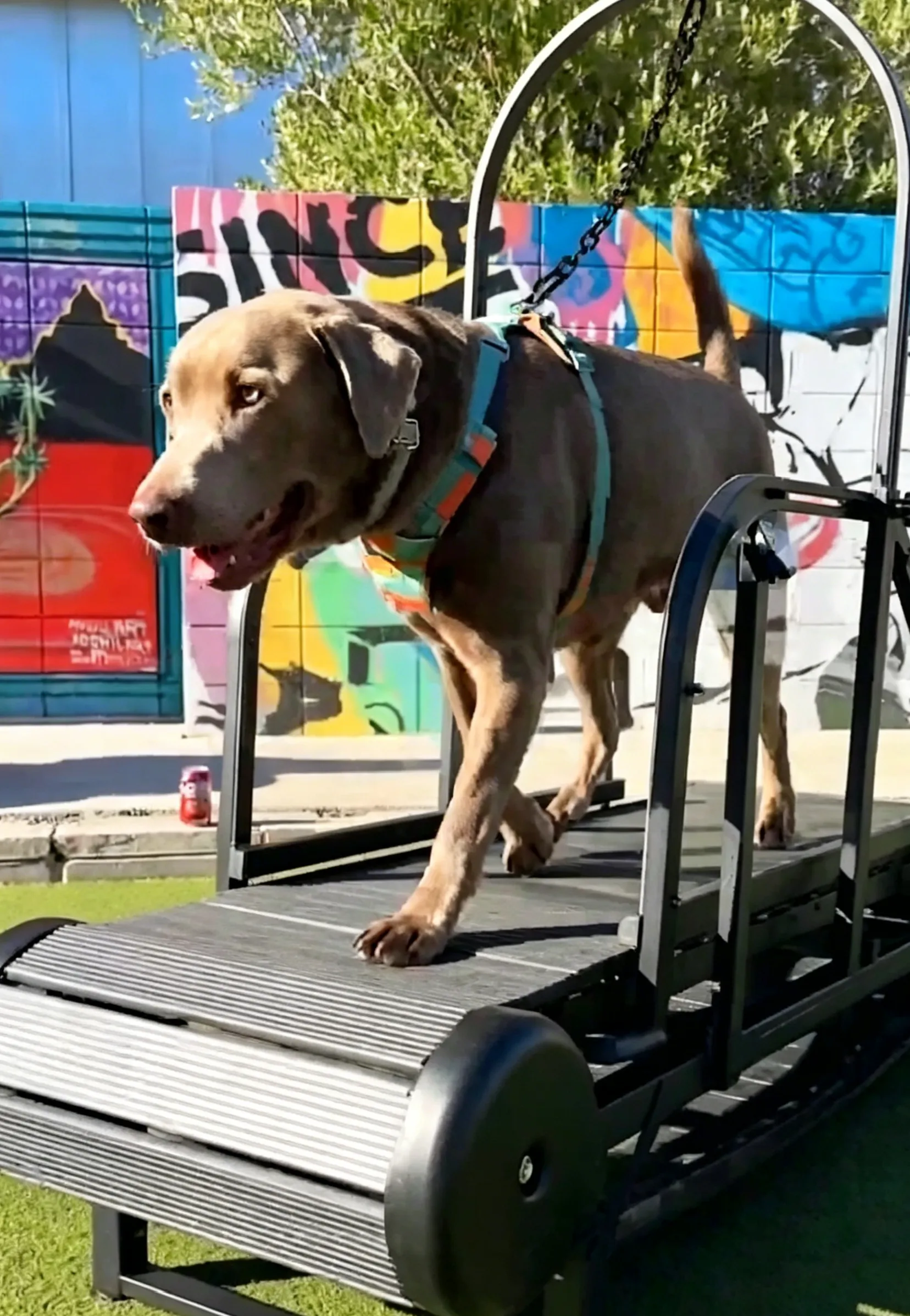
- You can use a dog treadmill for regular exercise. This is good for dogs with lots of energy. It helps your dog stay healthy and feel less stressed.
- Always watch your dog during indoor games and treadmill time. This keeps your dog safe and happy.
How Hot Is Too Hot to Walk a Dog
Temperature Guidelines
You might wonder when it’s just too hot to take your dog outside. Veterinarians say you should avoid outdoor walks if the temperature plus humidity equals 150 or higher. For example, 80°F with 80% humidity is risky. Most experts recommend skipping walks when the temperature hits 89°F or above. At 90°F, the risk of heat-related problems goes way up. Even if your dog seems eager, the heat can quickly become dangerous.
Here’s a simple chart to help you decide:
| Air Temperature (°F) | Risk Level |
| Under 70 | Safe |
| 70–80 | Use caution |
| 80–90 | High risk |
| Above 90 | Avoid walks |
Tip: Try walking your dog early in the morning or late in the evening when temperatures are cooler.
Pavement Dangers
You might feel comfortable in the shade, but pavement tells a different story. Asphalt and concrete can get much hotter than the air. On a day when the air is 77°F, asphalt can reach 125°F. At 95°F, pavement can soar to 140°F. That’s hot enough to burn skin in less than a minute.
| Air Temperature (°F) | Pavement Temperature (°F) |
| 77 | 125 |
| 95 | 140 |
Walking your dog on hot pavement can cause burns, blisters, and pain. If the air temperature is over 85°F, it’s best to keep your pet off asphalt. Even artificial grass can get dangerously hot. Always check the ground with your hand before heading out. Protect your dog’s paws and choose indoor activities when the weather gets extreme.
Signs of Dog Overheating
Heatstroke Symptoms
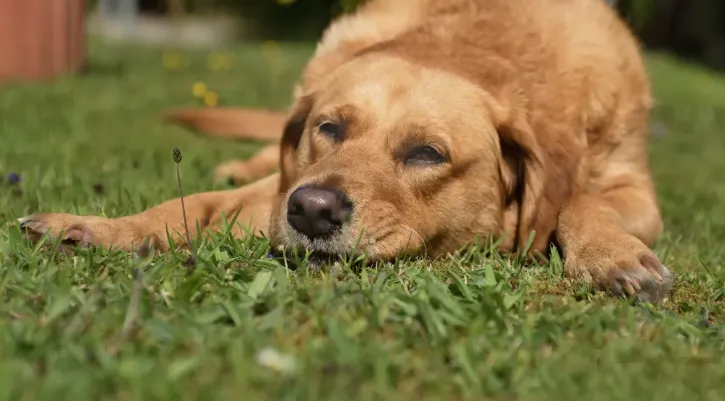
You know your dog loves to play, but hot weather can turn fun into danger fast. Heatstroke is a serious risk, especially when temperatures climb. If you notice your dog acting strange or slowing down, pay close attention. Some signs show up quickly and can get worse in minutes.
Here are some common symptoms you might see:
- Excessive panting that doesn’t stop
- Bright red tongue, gums, or inside of ears
- Drooling or heavy salivation
- Rapid breathing or fast heart rate
- Lethargy or weakness
- Unsteady movement or stumbling
- Vomiting or diarrhea
- Anxiety or wide, stressed eyes
- Seeking shade or water
If your dog shows any of these signs, stop activity right away. Move your dog to a cool spot and offer water. Heatstroke can become life-threatening in a short time, so don’t wait to act.
Tip: Always watch for changes in your dog’s behavior during hot days. Early signs can help you prevent serious problems.
When to Seek Help
Sometimes, cooling your dog at home isn’t enough. If your dog collapses, loses consciousness, or has seizures, you need to get help fast. Other warning signs include pale gums, mental dullness, or dark urine. These symptoms mean your dog’s body is struggling.
Call your vet if you notice:
- Unwillingness to move
- Loss of coordination
- Vomiting or diarrhea (especially if it looks black)
- Weakness or collapse
- Loss of consciousness
Don’t wait for things to get better on their own. Quick action can save your dog’s life. If you’re unsure, it’s always safer to call your vet and ask for advice.
High-Energy Breeds in Summer
Why They Struggle
Some dogs have a lot of energy. Belgian Malinois, German Shepherds, Border Collies, Huskies, and Labrador Retrievers need to move every day. These breeds were made to work or run for a long time. When it gets too hot outside, they still want to play. Their energy does not go away just because it is summer. You cannot just stop their exercise and hope they will calm down.
Other breeds like Shih Tzu, English Bulldog, Pug, and Boxer have short noses. These dogs have a harder time staying cool. They do not pant as well and get hot faster. Dogs that are older or overweight also have more problems when it is hot.
Note: Walk your dog on grass, not pavement. Grass is cooler and keeps paws safe from burns.
Behavioral Risks
If high-energy dogs do not get enough exercise, their behavior can change. Too much energy can cause problems. Here are some things that might happen:
- More anxiety and hyperactivity
- Chewing or digging things up
- Getting grumpy or mean with other pets or people
Your dog might bark a lot, walk around the house, or seem jumpy. Some dogs chew on furniture or shoes to use up energy. These problems can get worse if you do not help your dog stay active.
Tip: Exercise your dog when it is cooler outside. Give your dog lots of water and watch for signs of overheating.
Letting high-energy dogs play inside helps stop these problems. You can use games, training, or indoor tools to keep your dog happy and healthy, even when it is too hot to go out.
Indoor Exercise for Dogs
You want your dog to stay active, even when the weather keeps you inside. Luckily, you have plenty of options to keep your dog moving and thinking. Here are eight safe indoor exercise ideas that animal behaviorists recommend.
Tug-of-War
Tug-of-war is a classic game that dogs love. You can play it in a small space, so it works well for apartments or homes with limited room. This game gets your dog's heart pumping and burns energy fast. It also gives your dog a mental workout. When you use commands like "drop it," you help your dog practice listening skills. Tug-of-war builds your bond and keeps your dog engaged.
- Increases heart rate and energy use
- Offers mental stimulation
- Works in tight spaces
- Reinforces obedience with commands
Tip: Always let your dog win sometimes. This boosts confidence and makes the game more fun.
Hide-and-Seek
Hide-and-seek turns your home into an adventure. You can hide treats, toys, or even yourself. Your dog uses their nose and brain to find the hidden items. This game improves recall and keeps your dog mentally sharp. You can make it harder by hiding things in tricky spots. Hide-and-seek is great for rainy days or when your dog needs a challenge.
- Boosts mental stimulation
- Strengthens recall skills
- Keeps your dog busy and curious
Indoor Fetch
Indoor fetch is a great way to burn energy when you can't go outside. You can use soft, lightweight toys to protect your furniture. Toss toys down a hallway or into a basement to give your dog room to run. Indoor fetch gives your dog physical exercise and keeps them entertained. You just need to pick a safe space and watch for obstacles.
- Provides excellent physical activity
- Works well with soft toys
- Maximizes running distance in hallways
Note: Outdoor fetch usually offers more space and social time, but indoor fetch still keeps your dog active.
Stair Workouts
If you have stairs, you can use them for a workout. Stair workouts build muscle, improve agility, and boost endurance. You can toss a toy up the stairs and let your dog fetch it. This exercise is intense, so keep sessions short and watch your dog's form.
| Benefits | Risks |
| Builds muscle strength | Not recommended for dogs with joint issues |
| Improves agility | Can be harmful for dogs with hip dysplasia |
| Enhances endurance | Not suitable for very young puppies |
Tip: Skip stair workouts if your dog has joint problems or is very young.
Obedience Training
Training your dog indoors is more than just teaching tricks. Obedience training helps your dog learn commands like "sit," "stay," and "come." These skills make your dog safer and easier to manage. Short training sessions keep your dog focused and use up mental energy. Positive reinforcement makes learning fun and rewarding. Well-trained dogs feel more confident and less stressed.
- Improves behavior and safety
- Reduces boredom and destructive habits
- Builds confidence and trust
Try mini training sessions throughout the day. Your dog will love the attention and challenge.
Puzzle Toys
Puzzle toys and interactive feeders turn mealtime into a game. You can use puzzle feeders, foraging boxes, or enrichment chews. These toys hide food and make your dog solve problems to get treats. Puzzle toys keep your dog busy, help reduce anxiety, and give a mental workout. Dogs feel happy and rewarded when they figure out the puzzle.
- Engages problem-solving skills
- Distracts from anxiety
- Provides mental exercise and dopamine boost
Try the cup game or hide treats in different compartments. Your dog will stay entertained for hours.
Flirt Pole
A flirt pole is like a giant cat toy for dogs. You swing a lure on a string, and your dog chases it. This game tires your dog out and helps manage their prey drive. You can use commands like "leave it" and "take it" to reinforce training. Flirt pole play is fast-paced and fun, making it perfect for high-energy dogs.
Flirt pole games combine physical activity with obedience practice. Your dog gets to chase, jump, and learn all at once.
Dog Treadmill Exercise
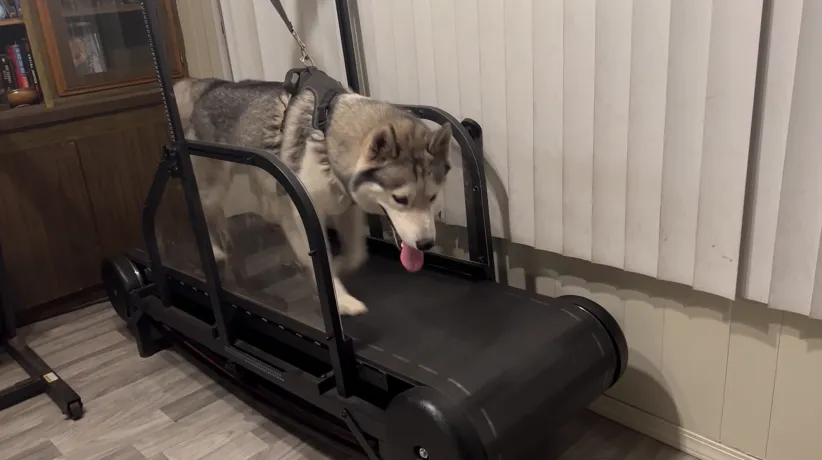
Dog treadmill exercise gives your dog a steady workout, no matter the weather. You can set the speed and duration to match your dog's needs. This activity is great for high-energy breeds that need more than just games. Using a dog treadmill helps with weight management and can support recovery from injuries. It also reduces anxiety and destructive behaviors by providing consistent exercise.
| Benefit | Description |
| Consistent Exercise | Regular workouts, rain or shine |
| Space Efficiency | Fits in small homes |
| High-Energy Breeds | Meets needs of active dogs |
| Weight Management | Helps keep your dog healthy |
| Physical Rehabilitation | Supports recovery from injuries |
| Behavioral Improvements | Reduces anxiety and bad habits |
If you want a reliable way to keep your dog active indoors, a dog on a treadmill can be a game-changer. Next, let's look at why treadmills are becoming so popular for dog owners.
Dog Treadmill Benefits
Consistent Exercise
You want your dog to stay active every day, but sometimes the weather just does not cooperate. A indoor dog treadmill gives you a way to keep your dog moving, even when it is too hot, rainy, or snowy outside. You can set the pace and time, so your dog gets the right amount of exercise. This routine helps your dog burn off energy and keeps their body healthy. With a treadmill exercise plan, you do not have to worry about missing a walk because of the weather or your busy schedule.
Safety Advantages
Walking outside can be risky during extreme weather. Hot pavement, icy sidewalks, or heavy rain can hurt your dog. Using a dog treadmill at home keeps your dog safe from these dangers. Here are some reasons why a treadmill is a safer choice:
- Lets your dog exercise indoors during rain, snow, or heat waves
- Protects paws from burns, frostbite, or sharp objects
- Reduces the risk of slipping on ice or getting caught in a storm
- Keeps your dog away from busy roads and loud traffic
You control the environment, so your dog stays comfortable and safe every time.
Best for Working Breeds
Some dogs, like Belgian Malinois and German Shepherds, have a lot of energy and need more than a simple walk. These breeds were made for hard work and long days. A dog treadmill helps you meet their special needs. Regular treadmill exercise lets your dog burn calories, stay fit, and keep their joints healthy. You can give your dog a focused workout without distractions. When you use a treadmill, your dog stays engaged and happy, even if you cannot go outside. This is a great way to prevent boredom and anxiety in high-energy dogs.
Can a Dog Treadmill Replace Walks
Physical vs. Mental Needs
You may think a treadmill is enough for your dog. Treadmills are great for exercise. They help your dog use energy and build muscle. But a treadmill does not give your dog everything they need. Dogs like to sniff and explore outside. They also enjoy meeting other animals. Outdoor walks give your dog things a treadmill cannot. Your dog gets to smell new things and see new places. They can meet other dogs and people. Nature walks make your dog curious and happy.
A treadmill is helpful when the weather is bad. It is also good if you are busy. But you should not only use a treadmill. Try to give your dog both indoor and outdoor walks. This keeps your dog healthy and happy.
When Treadmills Are Most Useful
Treadmills are best in some situations. They work well for dogs in apartments or small homes. Some dogs have a lot of energy and need extra exercise. If your dog is hurt, a treadmill lets you control how fast they move. You can also pick how long they walk.
Treadmills help your dog stay active in bad weather. They can help your dog keep a healthy weight. Treadmills can stop boredom and bad habits. You can watch your dog’s heart rate and see how strong they are. A treadmill helps you make a routine that fits your life.
A treadmill gives your dog exercise and can be fun. You can add games or change the routine to keep it interesting. This way, your dog stays healthy no matter what the weather is like.
Dog Treadmill Training
Step-by-Step Introduction
Getting your dog comfortable with a treadmill takes patience and a little planning. Here’s a simple process you can follow for treadmill training for dogs:
- Let your dog sniff and explore the treadmill while it’s turned off.
- Offer treats and praise to build a positive feeling about the machine.
- Put on a harness or leash for safety.
- Turn the treadmill on at the lowest speed, but keep your dog off at first so they get used to the sound.
- Use a command like “place” to invite your dog onto the treadmill.
- Start at the slowest speed and guide your dog to walk.
- Keep the first sessions short—just a few minutes.
- Gradually increase the time and speed as your dog gets more confident.
- Add simple commands like “walk” or “run” to help your dog understand what you want.
- Always supervise your dog during treadmill sessions.
Tip: Short, regular sessions work better than long, rare ones. If you’re unsure about your dog’s health, check with your vet or a professional trainer before starting.
Positive Reinforcement
You’ll see the best results when you use rewards and encouragement during training your dog. Positive reinforcement means you give treats, praise, or playtime when your dog does something right. This makes your dog excited to learn and builds trust between you.
| What Happens With Rewards? | Why It Works |
| Your dog feels happy and motivated | Dogs love to please you |
| Training becomes a fun experience | Builds a strong bond |
| Good behavior gets repeated | Makes learning easier and faster |
| Your dog trusts you more | Reduces fear and stress |
Note: Avoid punishment. Dogs learn best when they feel safe and supported.
Safety Tips
Keeping your dog safe is the most important part of treadmill training. Here are some things to remember:
- Always use a harness, not just a collar, to protect your dog’s neck.
- Never leave your dog alone on the treadmill.
- Make sure the treadmill fits your dog’s size and stride.
- Keep the area around the treadmill clear of toys and clutter.
- For puppies or long-backed breeds like Dachshunds, talk to your vet before starting. They may need special routines or shorter sessions.
- Don’t tie your dog tightly to the treadmill.
- Give your dog breaks and watch for signs of tiredness.
If you have any doubts, ask your vet or a dog sports specialist for advice. Safety comes first, every time!
Year-Round Treadmill Use
Weather-Proof Exercise
Weather can change fast. Some days are very hot. Other days, snow and ice cover the ground. Bad weather can make it unsafe to go outside. Your dog still needs to move and play. A treadmill for dogs helps your dog stay active indoors. You do not have to worry about hot pavement or icy sidewalks. Your dog can walk, jog, or run inside. This keeps your dog healthy and happy all year.
Dr. Sean McPeck is a veterinarian for the U.S. Army. He says treadmill exercise is important when it is too hot or cold outside. Indoor workouts help dogs stay fit in any weather. You can make a schedule that works for you and your dog. This way, your dog gets regular exercise, no matter the weather.
Tip: If your area has wild weather, a dog treadmill can help keep your dog healthy.
Product Features
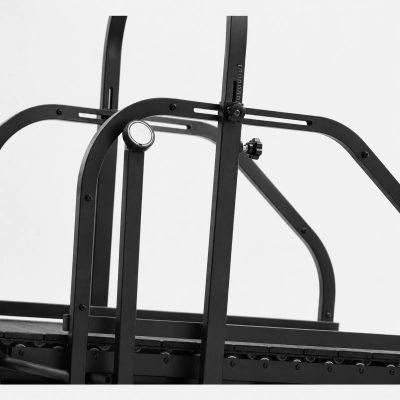
You want a treadmill that fits your dog and your home. Ronzeil Dog Treadmills have features for all seasons and active dogs. Here are some things that make them special:
| Feature | Description |
| Non-Electric Propulsion | Lets your dog exercise without using electricity. |
| Height Adjustable | Fits dogs of many sizes for comfort. |
| Corrosion-Resistant Materials | Made with AISI304 stainless steel for long-lasting use. |
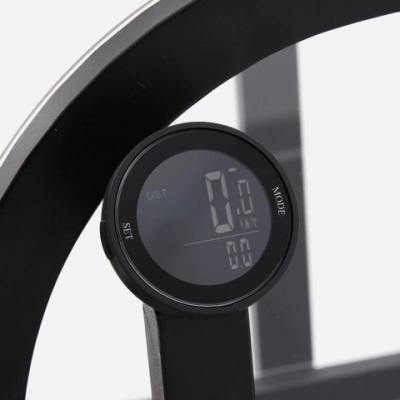
| Crawler-Type Pedal Material | Protects your dog’s claws and gives a soft running surface. |
| Safety Features | Has traction rope points and acrylic baffles to prevent injuries. |
| Adjustable Incline | Lets you change how hard the workout is. |
| Low Maintenance | Easy to clean and keep working well. |
| Heavy-Duty Construction | Stays steady, even with strong dogs. |
| Quiet Operation | Runs quietly to keep your dog calm. |
| Healthy Exercise Routine | Helps with weight, recovery, and mental health. |
These treadmills work for Belgian Malinois, German Shepherds, and other active breeds. The running area is big and the motor is quiet. You can change the speed and incline for each workout. The treadmill is strong and lasts a long time. You get peace of mind. Your dog gets the exercise they need, no matter the season.
You want your dogs to stay happy and healthy, even when summer heat keeps you inside. Indoor games, puzzle toys, and training sessions give dogs the mental boost they need. On hot days, moving playtime indoors helps prevent overheating. Dog treadmills offer steady exercise and help manage weight, which is important since over half of dogs in the U.S. are overweight. Try different activities and see what your dogs enjoy most. Summer heat does not have to stop your dogs from having fun!
FAQ
Is 90°F too hot to walk my dog?
Yes, 90°F is too hot for most dogs. Your dog can overheat quickly. Hot pavement can burn paws. Try indoor exercise or walk early in the morning.
What temperature burns a dog’s paws?
Pavement can burn your dog’s paws at 125°F. On sunny days, asphalt heats up fast. Always check the ground with your hand before you walk.
How long should my dog use a treadmill?
Start with 5–10 minutes. Watch your dog for signs of tiredness. You can slowly increase the time as your dog gets used to the treadmill.
Should I use a harness on the treadmill?
Yes, you should use a harness for safety. It gives you better control and protects your dog’s neck during treadmill sessions.


Blog comments
0 Comments