
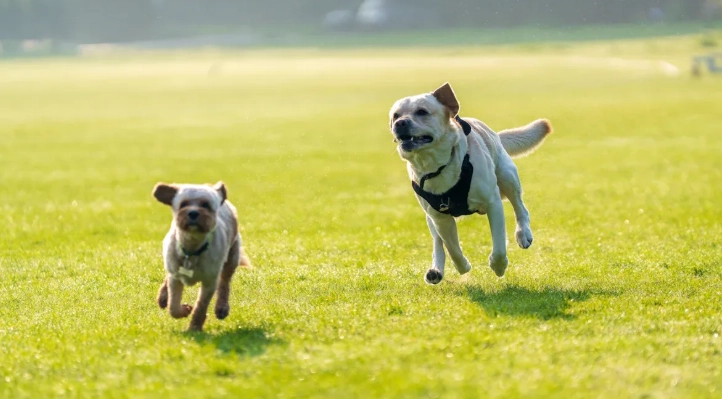
Dog treadmills are very important for keeping your furry friend active and healthy. In cities, many dog owners face challenges like small spaces and bad weather. These issues often make it hard to exercise outside. Because of this, dog treadmills are a great choice for pet owners.
Picking the right size treadmill is crucial for safety and effective training. A treadmill that fits your dog's breed makes workouts comfortable and enjoyable. This Dog Treadmill Size Guide will help you find the best treadmill size for your pet's needs.
Did You Know
- 57% of UK households own a pet as of 2024.
- More people live in apartments without yards, so indoor exercise options like dog treadmills are becoming increasingly popular.
Key Takeaways
Picking the right size treadmill is important for your dog's safety and comfort. A good fit helps them move naturally and stops injuries.
- Different dog breeds need different treadmill sizes. Small dogs need shorter belts. Large breeds need more space to run around.
- Watch your dog's comfort during treadmill time. Look for signs of stress, like heavy panting or a tucked tail, and change things if needed.
- Start treadmill training slowly. Use low speeds and slowly increase time and intensity. This helps your dog gain confidence and stamina.
- Regular treadmill exercise can make your dog healthier. It helps with weight control and reduces behavior problems from too much energy.
Dog Treadmill Size Guide
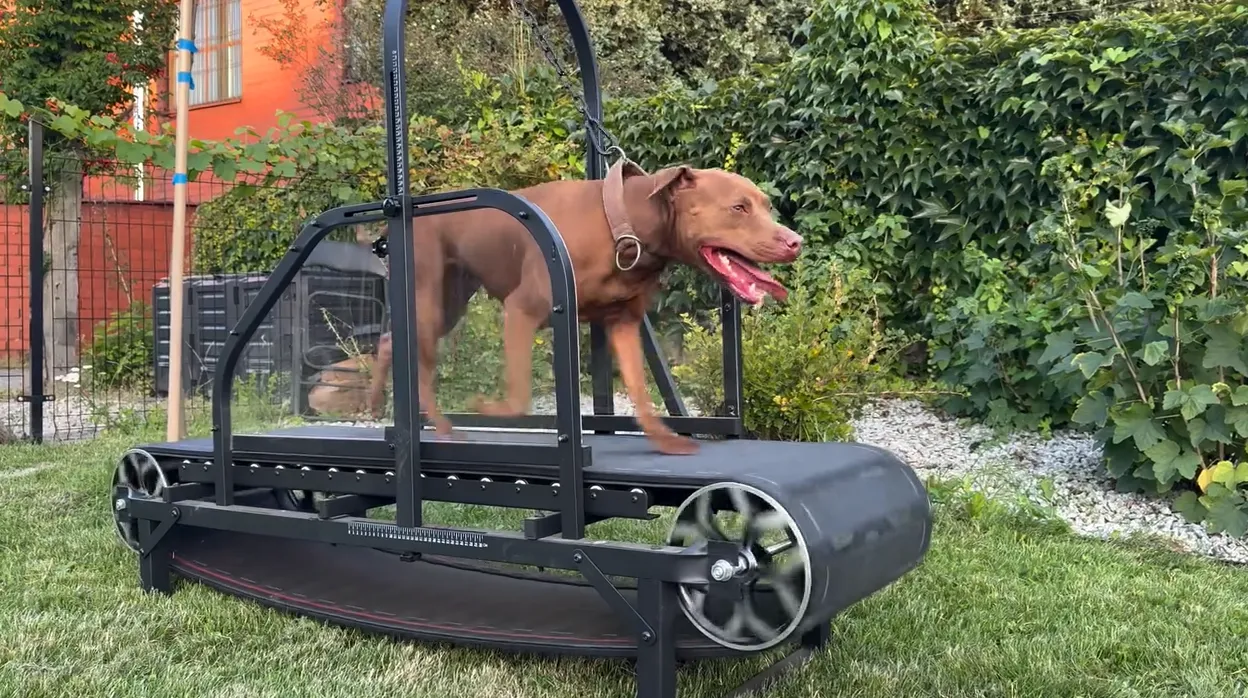
Choosing the right size of dog treadmill is very important. It helps keep your pet healthy and happy. Different breeds have different needs. Knowing these needs helps you pick the best treadmill size for your dog.
Overview of Treadmill Sizes
Dog treadmills come in many sizes for different breeds. Here’s a quick look at common treadmill sizes:
| Treadmill Size | Height to Withers | Chest Width | Suitable Breeds |
| Medium | Up to 58 cm (23 in) | Less than 33 cm (13 in) | American Pitbull Terrier, American Staffordshire Terrier, Bull Terrier, etc. |
| Large | Up to 87 cm (34 in) | Less than 38 cm (15 in) | German Shepherd, Doberman, Rottweiler, Belgian Malinois, etc. |
| Mini | Breeds Up to 38 cm (15 in) | No more than 18 cm (7 in) | Chihuahua, Yorkshire Terrier, Pug, Pomeranian, Jack Russell, Patterdale Terrier, etc. |
Significance of Choosing the Right Size Treadmill
Picking the right size doggy treadmill is very important for many reasons. First, it helps your dog exercise comfortably. A treadmill that is too small can limit movement. A treadmill that is too big can cause awkward strides. The treadmill should be at least 2.5 times the length of your dog from nose to tail base. This helps avoid health problems from bad posture and joint stress.
Also, different breeds need different doggie treadmill sizes. Small dogs need shorter and narrower belts. Larger breeds need more space. If the size is wrong, it can cause awkward movements and health risks. Choosing the right size helps your dog move naturally. This improves their training effectiveness.
Impact of Size on Safety and Training Effectiveness
The size of the treadmill affects safety and training effectiveness. A treadmill that fits your dog lets them run freely without getting hurt. If the treadmill is too small, your dog might lose balance and fall. If it is too large, your dog might overdo it and get injured.
Also, a properly sized treadmill makes training more effective. It lets your dog run in their natural style, making workouts fun. When your dog feels comfortable, they are more likely to stay motivated and enjoy their exercise sessions.
Understanding Dog Size Categories
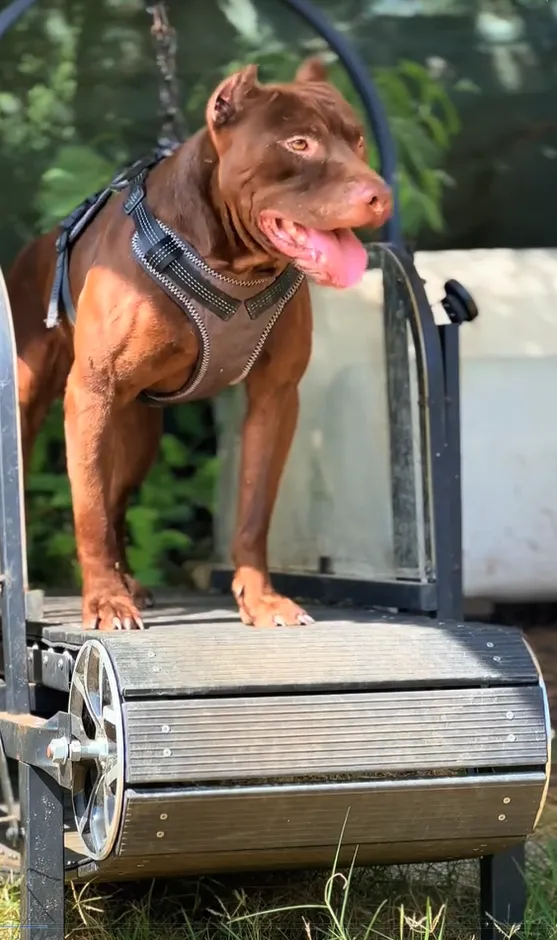
When you choose a treadmill for your dog, knowing their size category is very important. Each category has special needs that affect the treadmill's features. Here’s a simple look at the different dog size categories and what they need in a treadmill.
Small Dogs
Small dogs, also called mini breeds, usually weigh less than 25 pounds. They need treadmills that fit their shorter strides and smaller bodies. Here are some common small dog breeds and their average sizes:
| Dog Breed | Average Weight | Average Height |
| Alaskan Klee Kai | 6–25 pounds | 12–17 inches |
| Cairn Terrier | 13–14 pounds | 9–10 inches |
| Japanese Chin | 7–11 pounds | 8–11 inches |
| Bolognese | 6–10 pounds | 10–12 inches |
| Cavalier King Charles Spaniel | 13–18 pounds | 12–13 inches |
| Italian Greyhound | 7–14 pounds | 13–15 inches |
| Chinese Crested | 8–12 pounds | 11–13 inches |
| Havanese | 7–13 pounds | 8–12 inches |
| Chihuahua | under 6 pounds | 5-8 inches |
| Maltese | under 7 pounds | 7-9 inches |
| Pug |
N/A | N/A |
For small dogs, a treadmill should start at a low speed (about 0.5–3 mph) and have a shorter running area. This helps them run safely without getting hurt.
Medium Dogs
Medium dogs usually weigh between 25 and 60 pounds. Breeds in this group need treadmills that give them more space and stability. Common medium dog breeds are:
| Breed | Height (cm) | Chest Width (cm) |
| American Pit Bull Terrier | ≤ 58 | ≤ 33 |
| Bull Terrier | ≤ 58 | ≤ 33 |
| American Staffordshire Terrier | ≤ 58 | ≤ 33 |
| Australian Shepherd | ≤ 58 | ≤ 33 |
| Basset Hound | ≤ 58 | ≤ 33 |
| Border Collie | ≤ 58 | ≤ 33 |
For medium dogs, a treadmill should have a running area of at least 48 inches long and 16 inches wide. This size allows them to move naturally and helps prevent injuries. A speed range of 1–6 mph works best for these active breeds.
Large Dogs
Large dogs, weighing between 60 and 100 pounds, need treadmills that can handle their size and strength. Here are some examples of large dog breeds:
- German Shepherd
- Labrador Retriever
- Rottweiler
- Doberman Pinscher
- Belgian Malinois
A treadmill for large dogs should have a running area of at least 60-75 inches long. This fits their longer strides. Also, make sure the treadmill can hold at least 100 pounds. A strong motor and adjustable speed settings are very important for these breeds.
Extra Large Dogs
Extra large dogs, like Great Danes and Mastiffs, need special treadmills. These breeds often weigh over 100 pounds and need plenty of space for safe exercise. Here’s what you should know:
Extra large breeds need treadmills that give them enough room to move. This helps them exercise properly. A treadmill for these dogs should have a belt width of at least 24 inches and a deck length of at least 58 inches. Safety features, like rails, can make them feel more comfortable and secure when using treadmills.
Key Features of Dog Treadmills
When you choose the right size american made treadmills for your dog, think about some important features. These features help meet their needs. Each size group has special requirements for safety and comfort while exercising.
Best Size Treadmill for Small Dogs
For small dogs, the best treadmill should start at a low speed. A speed between 0.5 and 3 mph is best. This helps them run safely without getting hurt. Look for treadmills with shorter running areas and low deck heights. A non-slip surface is very important to stop falls. Also, check for models with emergency stop buttons and side rails for extra safety.
| Feature | Importance |
| Low starting speed | Prevents injury during initial use |
| Short running area | Accommodates shorter strides |
| Non-slip surface | Ensures stability while running |
Best Size Treadmill for Medium Dogs
Medium dogs need treadmills with a running area that is at least 48 inches long and 16 inches wide. This size lets them move naturally. Speed settings from 1 to 6 mph work well for these active breeds. Look for treadmills that can adjust the incline for different workouts. Safety features like side rails and a strong frame are also very important for medium-sized dogs.
Best Size Treadmill for Large Dogs
Large dogs need treadmills that can support their size and strength. A running area of at least 60-75 inches long is necessary for their longer strides. Make sure the treadmill can hold at least 100 pounds. Look for models with strong motors and adjustable speed settings. Safety features, like emergency stop buttons and non-slip surfaces, are key to prevent accidents.
Best Size Treadmill for Extra Large Dogs
Extra large dogs need special treadmills made for their size. These treadmills should have a belt width of at least 24 inches and a deck length of at least 58 inches. Look for heavy-duty designs that can handle high weight limits. Adjustable speed and incline settings are helpful for different exercise needs. Safety features, including strong side rails, are very important for these larger breeds.
Tip: Always watch your dog during treadmill sessions to keep them safe and comfortable.
Dog Treadmill Training Tips
Safety Tips for First-Time Users
When you first use a treadmill with your dog, follow these steps to keep it safe:
- Pick a quiet and cozy spot for the treadmill.
- Let your dog check out the treadmill when it’s off.
- Use treats and praise to make the treadmill seem fun.
- Put a leash or harness on your dog for safety.
- Turn on the treadmill at the lowest speed without your dog on it to help them get used to it.
- Teach your dog the 'place' command to step onto the treadmill.
- Slowly guide your dog to walk on the treadmill at the lowest speed.
- Gradually increase the time and speed over several sessions.
- Always watch your dog while they use the treadmill.
- Be patient and stick to the plan.
These steps will help create a safe space for your dog to train on the treadmill.
Monitoring Your Dog's Comfort
While training your dog on the treadmill, look for signs that they might be uncomfortable or stressed. Here are some signs to watch for:
- Heavy panting
- Tucked tail
- Trying to jump off the treadmill
- Droopy ears
- Changes in how they walk
If you see any of these signs, stop the treadmill right away. Slowly introduce the treadmill to your dog. Use positive reinforcement to help them feel good about it. Always keep an eye on your dog during treadmill time, especially when they are getting used to it. If you have problems, ask a professional dog trainer for help.
Using a treadmill for pet exercise can be a great way to keep your dog active. But it should not take the place of outdoor walks. Instead, it should add to your dog's regular exercise routine.
Tip: Start with short sessions and slowly make them longer for better results. This helps your dog build stamina and enjoy their time on the treadmill.
Picking the right size treadmill for your dog is very important. It helps keep them healthy and happy. A treadmill that fits well makes workouts safe and comfortable. It also helps avoid injuries by improving muscle strength and coordination.
Think about these benefits of good training and safety:
- Regular exercise helps keep a healthy weight.
- Treadmills can help dogs recover from injuries.
- They can lower behavior problems caused by too much energy.
Always remember your dog's needs when choosing a treadmill. This careful choice leads to better training results and a happier, healthier pet.
FAQ
What if my dog falls between two size categories?
If your dog falls between two sizes, choose the larger treadmill. This ensures enough space for movement and comfort. Always prioritize safety and your dog's natural stride.
Can puppies use dog treadmills?
Yes, puppies can use treadmills, but start slowly. Ensure the treadmill is at a low speed. Monitor their comfort and never force them to run.
How long should my dog use the treadmill each day?
Aim for 20 to 30 minutes of treadmill time daily. Adjust based on your dog's energy level and fitness. Always combine treadmill sessions with outdoor walks.
Are dog treadmills safe for older dogs?
Yes, dog treadmills can be safe for older dogs. Ensure you choose a model with low speeds and safety features. Monitor their comfort and consult your vet if unsure.
Can I use a human treadmill for my dog?
No, avoid using human treadmills for dogs. They lack safety features and may not accommodate your dog's size. Always choose a treadmill designed specifically for dogs.


Blog comments
0 Comments