
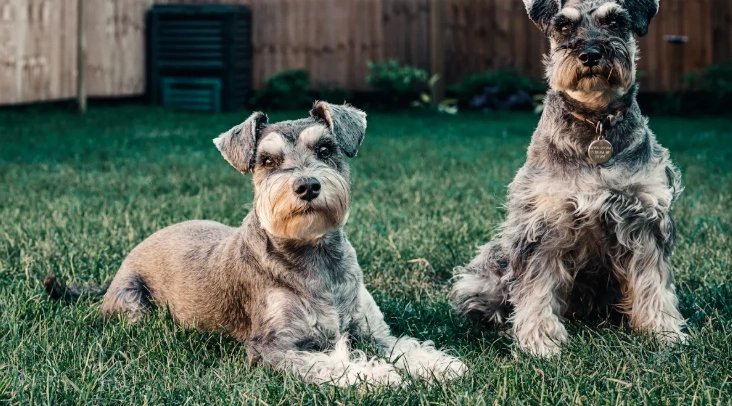
Giant Schnauzers are great pets. They are smart, loyal, and protective. If you want to get one, you will form a strong bond with your dog. These dogs do best with active families who like to stay busy. Taking care of your giant schnauzer means giving them love, exercise, and fun activities. This helps keep them happy and healthy. Their playful nature and loyalty will make your life better!
Key Takeaways
Giant Schnauzers do well in active families. They need at least 90 minutes of exercise each day to be happy and healthy.
Regular grooming is very important. Brush your Giant Schnauzer every day. You should also think about professional grooming every 4 to 8 weeks to keep their coat nice.
Early socialization is very important. Introduce your Giant Schnauzer to different people and experiences by 16 weeks. This helps prevent behavior problems.
Training should be steady and positive. Use rewards to encourage good behavior. Keep training sessions fun and interesting.
Regular vet check-ups are very important. Schedule visits every 6 to 12 months. This helps catch health problems early and keeps your dog healthy for a long time.
Traits of Giant Schnauzers
Size and Build
Giant Schnauzers are truly impressive dogs. They stand tall and have a robust build that commands attention. On average, males reach a height of 25.5 to 27.5 inches, while females are slightly smaller at 23.5 to 25.5 inches. Their weight ranges from 60 to 85 pounds for males and 55 to 75 pounds for females. Here’s a quick look at their size:
| Source | Height (inches) | Weight (lbs) |
| Wikipedia | 24–28 (Males: 25.5–27.5, Females: 23.5–25.5) | 77–104 (Males: 60–85, Females: 55–75) |
| Purina | 60–70 (Males: 65–70, Females: 60–65) | 27–48 (Males: 35–47, Females: 25–34) |
| Rubyloo | 25.5–27.5 (Males), 23.5–25.5 (Females) | 60–85 (Males), 55–75 (Females) |
| Orvis | 23.5–27.5 | 60–85 (Males), 55–75 (Females) |
These dogs have a strong, muscular frame that makes them excellent companions for active families. Their size can be intimidating, but their temperament is friendly and affectionate.
Coat Type
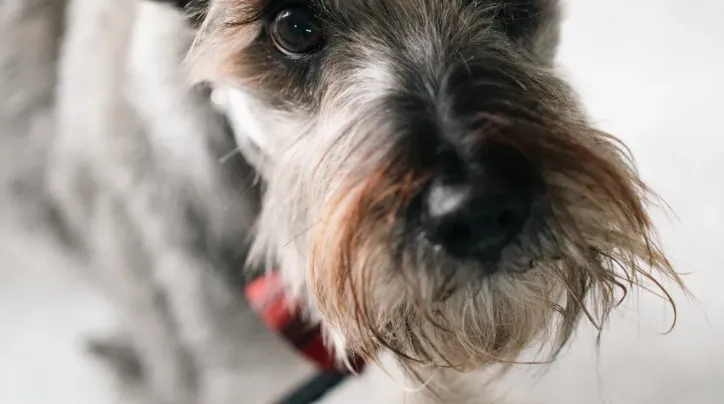
The coat of a Giant Schnauzer is another standout feature. They have a dense, wiry coat that requires regular grooming to keep it looking its best. This coat not only adds to their striking appearance but also provides protection from the elements. You’ll find that their fur is typically black, but some may have a salt-and-pepper coloration.
Grooming is essential for this breed. Regular brushing helps prevent matting and keeps their coat healthy. You might also consider professional grooming every few months to maintain that signature look. With proper care, your Giant Schnauzer will not only look great but also feel comfortable and happy.
Grooming
Brushing and Bathing
Taking care of a Giant Schnauzer's coat is very important. It helps them look good and feel comfortable. Their wiry fur needs regular care to stop matting and keep it healthy. Here’s what you need to know about grooming:
- Brush daily with a slicker brush to remove loose hair and dirt.
- Deep comb weekly with a metal rake to reach the undercoat, which can trap dirt.
- Bathe them as needed, usually every few months, to keep their coat clean without losing natural oils.
Doing these grooming tasks helps your dog look good and keeps their skin healthy. A well-groomed Giant Schnauzer is a happy dog!
Professional Grooming
You can do daily brushing, but professional grooming is important for this breed. Most experts say to groom your Giant Schnauzer every 4 to 8 weeks. This helps prevent matting and skin issues from not grooming enough. Here are some key points to think about:
- Professional groomers know how to handle their unique coat type, which can be different for each dog.
- They are good at techniques like stripping and clipping, making sure your dog looks great.
- Regular visits to the groomer also help with dental care and nail trimming, which are important for health.
By choosing professional grooming, you help your Giant Schnauzer stay healthy and comfortable. Plus, it saves you time and effort at home.
Remember, grooming is not just for looks; it helps keep your furry friend happy and healthy!
Exercise for Giant Schnauzers
Daily Activity Levels
Giant Schnauzers are active dogs that need a lot of exercise. To keep them happy and healthy, aim for at least 90 minutes of daily exercise. This should include both physical activities and mental challenges. Here’s a simple list of what to think about:
- At least 60 to 90 minutes of exercise every day.
- Activities can include walks, playtime, and training.
- Change the time based on your dog's age and energy.
If they don’t get enough exercise, you might see some bad behaviors. Giant Schnauzers can get restless, bark too much, or chew on things. Keeping them active helps stop these problems and makes them better companions.
Types of Exercise
Variety is important when it comes to exercise! Giant Schnauzers love different activities that challenge their bodies and minds. Here are some fun options:
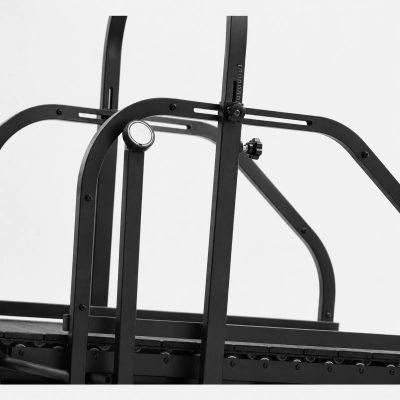
- Running: Take your Giant Schnauzer for a jog,you can also choose to buy Doggo Treadmills for it and enjoy the joy of running together.
- Hiking: Go on local trails together. This gives them physical exercise and mental fun from new sights and smells.
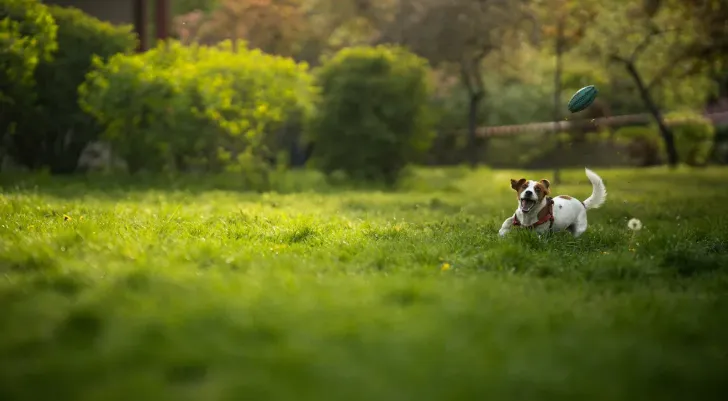
- Playing Fetch: This classic game is a great way to use up energy and strengthen your bond.Choosing your preferred Automatic Ball Thrower For Dogs can make the game much easier for you.
- Agility Training: Create an obstacle course in your yard using the Canine Agility Training Equipment. This is a fun way to engage their minds and bodies.
- Interactive Games: Use puzzle toys or hide treats around the house to keep them thinking.
Regular exercise is very important for your Giant Schnauzer's health and behavior. Mixing their routine with physical and mental activities keeps them happy and engaged. Remember, a tired dog is a well-behaved dog!
By giving a mix of activities, you’ll help your Giant Schnauzer do well. They are playful and smart, making them great for many sports and games. So, get out there and have fun with your furry friend!
Socialization
Early Socialization
Socialization is very important for your Giant Schnauzer's growth. Start this process early, ideally when they are 8 weeks old. This is the best time to show your puppy different experiences. By 16 weeks, try to introduce them to 100 different people, sounds, and surfaces. This early exposure helps shape how they behave and makes them more flexible.
If you don’t socialize them properly, your Giant Schnauzer might have some behavior problems. Here are a few common issues you might see:
| Behavioral Issue | Description |
| Fear-based reactions to strangers | Giant Schnauzers may be wary and bark at new people. |
| Aggression towards other dogs | They can act aggressively if not socialized well when they are young. |
| Possessiveness over food or toys | Some may show possessive behavior, which training can help fix. |
To avoid these problems, you need to be a strong leader. Their bold nature needs guidance. Socializing your Giant Schnauzer early can help lower aggression and territorial behavior.
Interaction with Other Pets
Giant Schnauzers can get along with other pets if introduced the right way. Early socialization is key here. If you have smaller animals like cats or rabbits, be careful. Giant Schnauzers have a strong prey drive, so they might not be the best match unless raised together from puppyhood.
To keep peace in your home, follow these tips:
- Introduce your Giant Schnauzer to other pets slowly.
- Watch their interactions, especially at first.
- Reward good behavior with treats and praise.
With the right approach, your Giant Schnauzer can live happily with other pets. Remember, socialization is an ongoing process. Keep showing them new experiences and animals throughout their life.
Training and Intelligence
Training Techniques
Training your Giant Schnauzer can be fun and rewarding. They are smart, but they can also be a bit stubborn. To get the best results, try these helpful training methods:
| Training Method | Description |
| Positive Reinforcement | Use tasty treats and reward them within 3 seconds when they do something right. |
| Basic Obedience Commands | Start with simple commands like sit, stay, come, and down using one-word cues. |
| Socialization | Introduce them to new people and experiences to stop guarding instincts. |
| Problem-Solving | Challenge their minds with puzzles and train them to stop guarding behavior. |
| Consistent Training | Set clear rules and make training harder if they ignore commands. |
Using these methods will help your Giant Schnauzer learn fast and well. Remember, being consistent is very important. If you don’t repeat commands often, your dog might forget or ignore them.
Mental Stimulation
Giant Schnauzers need mental challenges to stay happy. They require at least 90 minutes to two hours of exercise every day. Fun activities like obedience training and puzzle games give them both mental and physical exercise. Here are some great ways to keep their minds active:
- Puzzle Toys: These toys make your dog think and solve problems.
- Interactive Games: Hide treats around your home or yard to encourage them to explore.
- Obedience Training: Regular training sessions teach commands and keep their minds busy.
Adding these activities to your routine will keep your Giant Schnauzer happy and well-behaved. A dog that is mentally stimulated is less likely to have behavior problems, making life easier for you and strengthening your bond.
With good training and mental challenges, your Giant Schnauzer will be a well-behaved and smart friend. So, get ready to enjoy training your furry buddy!
Health Considerations
Common Health Issues
As a Giant Schnauzer owner, you should know about health problems that might affect your dog. Here are some common issues to watch for:
| Health Issue | Description |
| Dental Disease | Affects 80% of dogs by age two; can cause serious health risks if not treated. |
| Infections | Can get common infections like parvo, rabies, and distemper; vaccines can help prevent these. |
| Obesity | Can lead to joint problems, metabolic issues, and heart disease; needs careful diet management. |
| Eye Problems | Prone to glaucoma and Progressive Retinal Atrophy, which can cause blindness. |
| Thyroid Disorders | Hypothyroidism can cause hair loss and dry skin; can be treated with medication. |
| Canine Atopic Dermatitis | A long-lasting skin condition from allergies; needs vet treatment. |
| Gastric Torsion (Bloat) | A serious and possibly fatal condition; needs immediate vet care. |
| Bleeding Disorders (Von Willebrand’s) | A blood clotting issue; testing is advised before surgery. |
| Bladder Stones | Can happen due to Hyperuricosuria; can be managed with diet changes. |
| Cancer Squamous | Cell Carcinoma can happen in nail beds; needs vet evaluation. |
| Heart Disease & Obesity | Common in large breeds; regular vet visits are very important. |
| Medication Sensitivity | Some dogs may react to certain medications; being aware is key for treatment. |
Regular Vet Check-ups
Regular vet check-ups are very important for your Giant Schnauzer's health. These visits help find any problems early. Here’s a quick guide on how often to take your dog to the vet based on their age:
- Puppies: More visits during their first year.
- Adults: Every 6-12 months for routine check-ups.
- Seniors: Every 6 months to check for age-related issues.
By keeping up with these check-ups, you can help your Giant Schnauzer live a long and healthy life. Remember, it's better to prevent problems than to treat them!
Taking care of a Giant Schnauzer can be a fun and rewarding experience. These dogs need regular exercise, grooming, and social time to be happy. Their playful and loyal nature will bring a lot of joy to your life. But, you should be ready for the responsibilities of owning one. This includes keeping an eye on their joint health and making sure they get proper training.
Remember, being a responsible owner means knowing what they need and catching any health problems early. By doing this, you can improve your Giant Schnauzer's life and make your bond stronger.
With good care, you will have a loving friend who makes your life better for many years!
FAQ
What is the average lifespan of a Giant Schnauzer?
Giant Schnauzers typically live between 10 to 12 years. With proper care, regular vet check-ups, and a healthy diet, you can help your furry friend enjoy a longer life.
How much exercise does a Giant Schnauzer need?
You should aim for at least 90 minutes of exercise daily. This includes walks, playtime, and mental challenges to keep them happy and healthy.
Are Giant Schnauzers good with children?
Yes! Giant Schnauzers are known for their friendly and protective nature. They usually get along well with children, making them great family pets.
Do Giant Schnauzers shed a lot?
Giant Schnauzers have a wiry coat that sheds minimally. Regular grooming helps manage loose hair and keeps their coat healthy.
How often should I take my Giant Schnauzer to the vet?
You should schedule vet visits every 6 to 12 months for adults. Puppies need more frequent check-ups, while seniors should see the vet every 6 months.


Blog comments
0 Comments