
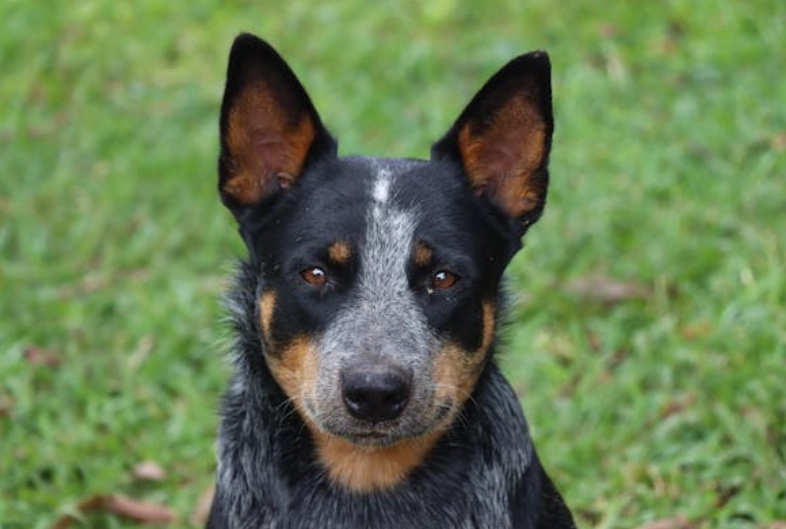
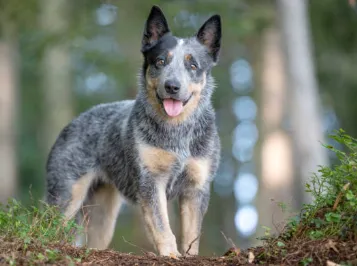
The Australian Cattle Dog (abbreviated as "Australian Cattle Dog") originated in Australia and is a high-endurance working dog designed specifically for herding cattle. It has extremely strong endurance, obedience and territorial awareness. The core breeding requirements are "long-term exercise + specialized obedience training" and "high-protein and high-energy nutrition + joint protection + rapid energy replenishment", which are in line with its natural ranch work attributes. Family breeding should focus on releasing endurance and strengthening command response.
Exercise Program Suitable for Australian Cattle Dogs
Core Endurance Exercise: Unleashing Working Instincts
Long-Distance Jogging/Cycling with the Dog: 1.5-2 hours daily, speed controlled at 7-9 km/h (adult dogs). This aligns with their endurance genes honed from herding cattle on pastures. Choose open areas such as suburban roads or park trails, which will both burn energy and satisfy their working instinct to "follow commands."
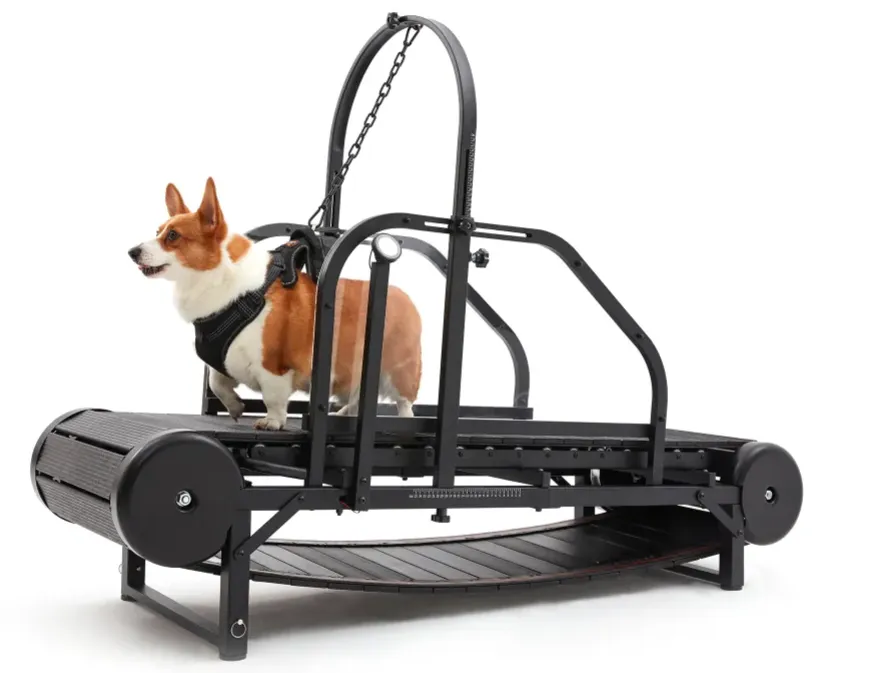
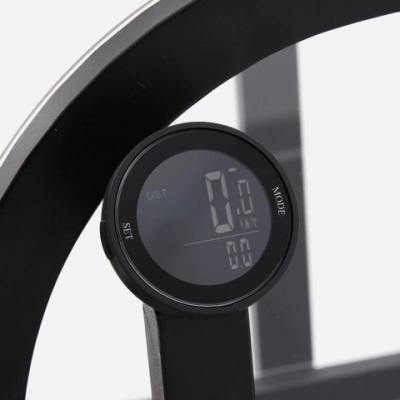
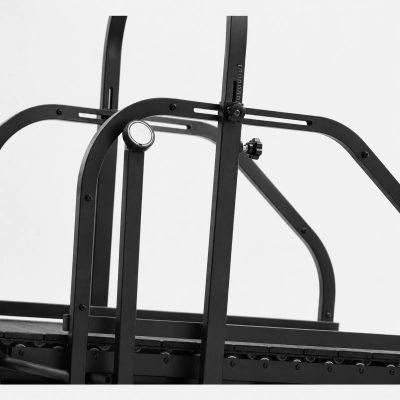
Indoor Treadmill Training: In extreme weather, use Doggo Treadmills instead. 1-1.5 hours daily, gradually increasing the speed from 6 km/h. Before exercise, allow the dog to acclimatize to the equipment (start with a slow 30-minute walk). Supervise the dog throughout the workout. After exercise, supplement with a 10-minute slow walk to reduce joint impact.
Obedience + Mental Training: Enhance Command Response
Specific Obedience Training: 20-25 minutes daily, learning commands such as "staying at a fixed point," "long-distance recall," and "refusing food." Reinforce with positive rewards (treats, praise). Australian cattle are highly obedient; this type of training guides them to correctly utilize their working instincts and avoids destructive behavior due to excess energy.
Cattle Herding Simulation Training: Using toys or enclosures to simulate a herd, allowing them to complete "encircling" and "guiding" actions. 2-3 times per week, 20 minutes each time. This precisely matches their original working needs and satisfies their psychological needs more effectively than simple exercise.
Strength + Coordination Exercises: Improve Overall Abilities
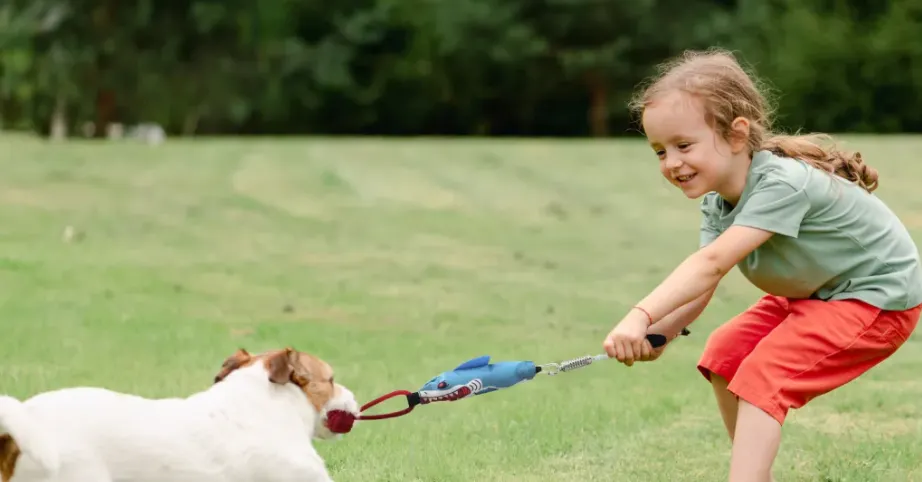
Spring Pole Dog Toys For Tug Of War: 15 minutes daily, using the spring's elasticity to train core strength and bite force, incorporating the "release" command to enhance obedience; 1-2 times per week for weighted retrieving training (weight not exceeding 8% of body weight) to improve endurance and strength.
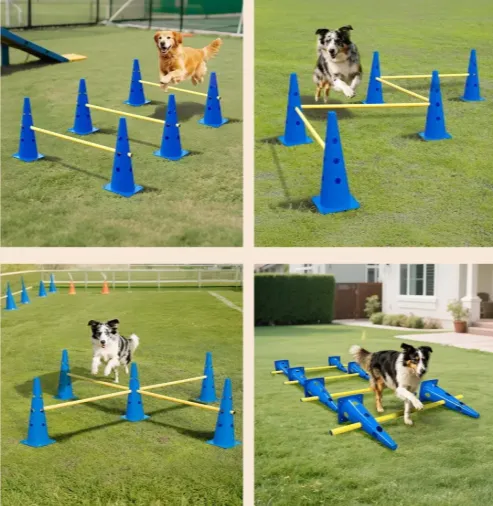
Simple Agility Training: Use Canine Agility Training Equipment (low barriers, tunnels) twice a week for 25 minutes each time to conduct basic movement training, avoid high-difficulty jumps, improve limb coordination, and adapt to the movement needs of complex ranch terrain.
Exercise Precautions
Puppies (under 6 months): Focus on short walks (30 minutes each time, twice a day) and gentle fetching; avoid high-intensity exercise. Adult dogs (1-8 years old): At least 1.5 hours of exercise daily; lack of exercise can cause anxiety. Senior dogs (9 years and older): Reduce speed, increase walking and sniffing time, and discontinue strength training.
Avoid going out during the hottest hours. Australian Bulldogs have thick coats and dissipate heat slowly; in summer, prioritize early morning/evening exercise, and carry water for timely hydration. In winter, exercise time can be extended, but protect paws from frostbite.
Do not feed or drink large amounts of water within one hour after exercise to prevent gastrointestinal torsion; use a leash outdoors to prevent chasing small animals and getting lost.
Essential Nutritional Plan for Australian Cattle Dogs
Basic Macronutrients: High Energy Ratio
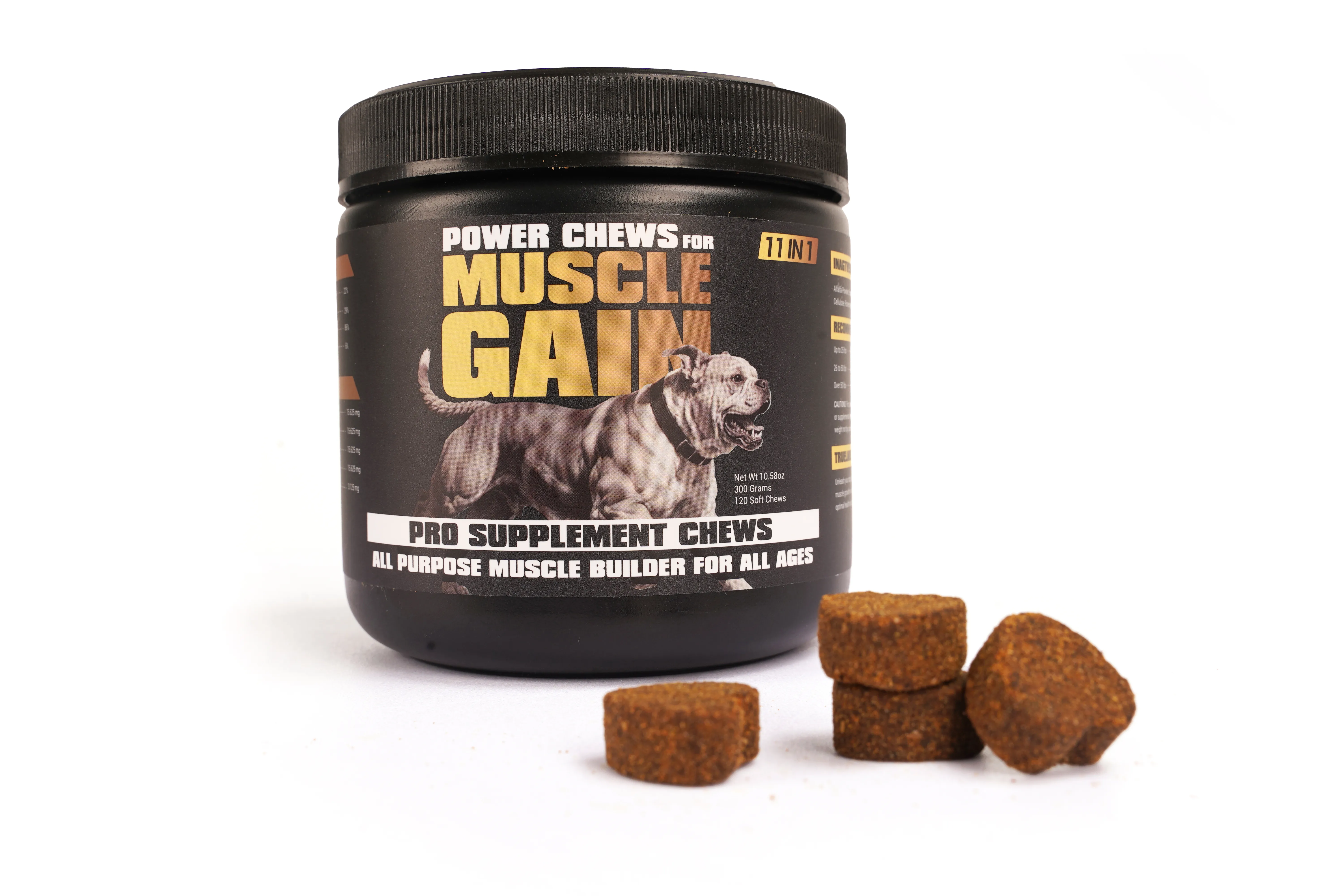
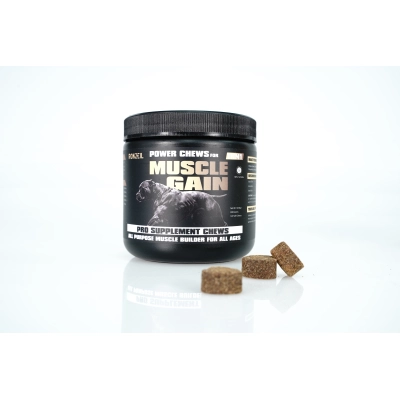
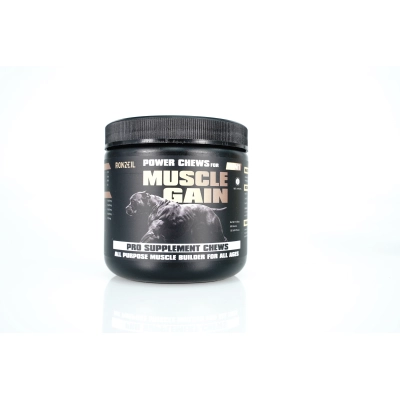
High Protein: 28%-32% of the daily diet, prioritizing animal protein (beef, chicken, salmon) to support muscle repair and energy replenishment. During high-intensity exercise, a Dog Muscle Gain Supplement can be added as needed (follow the instructions).
Medium-High Fat: 18%-22%, primarily unsaturated fatty acids (fish oil, flaxseed oil) to provide high energy, protect the coat, and suit the demands of prolonged exercise.
Complex Carbohydrates: 40%-45%, choosing low-glycemic index types such as brown rice and sweet potatoes, combined with vegetables to provide sustained energy and promote intestinal motility.
Targeted Supplements: Precise Care
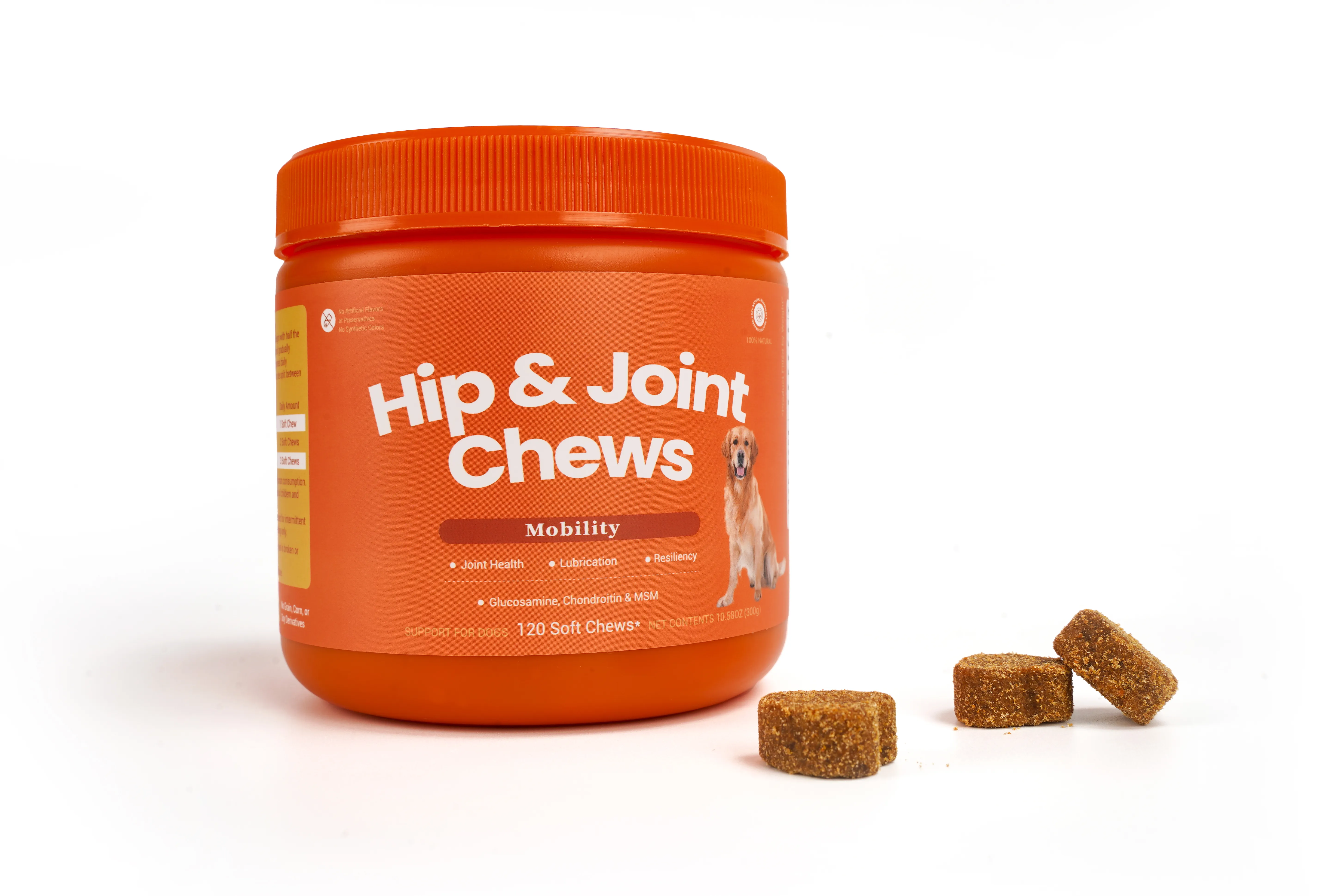
Joint Protection: Add a Glucosamine And Chondroitin For Dogs daily. Australian cattle dogs are prone to joint wear and tear due to long-term exercise. Regular supplementation is recommended after adulthood, with increased dosage for high-intensity exercise to prevent hip arthritis.
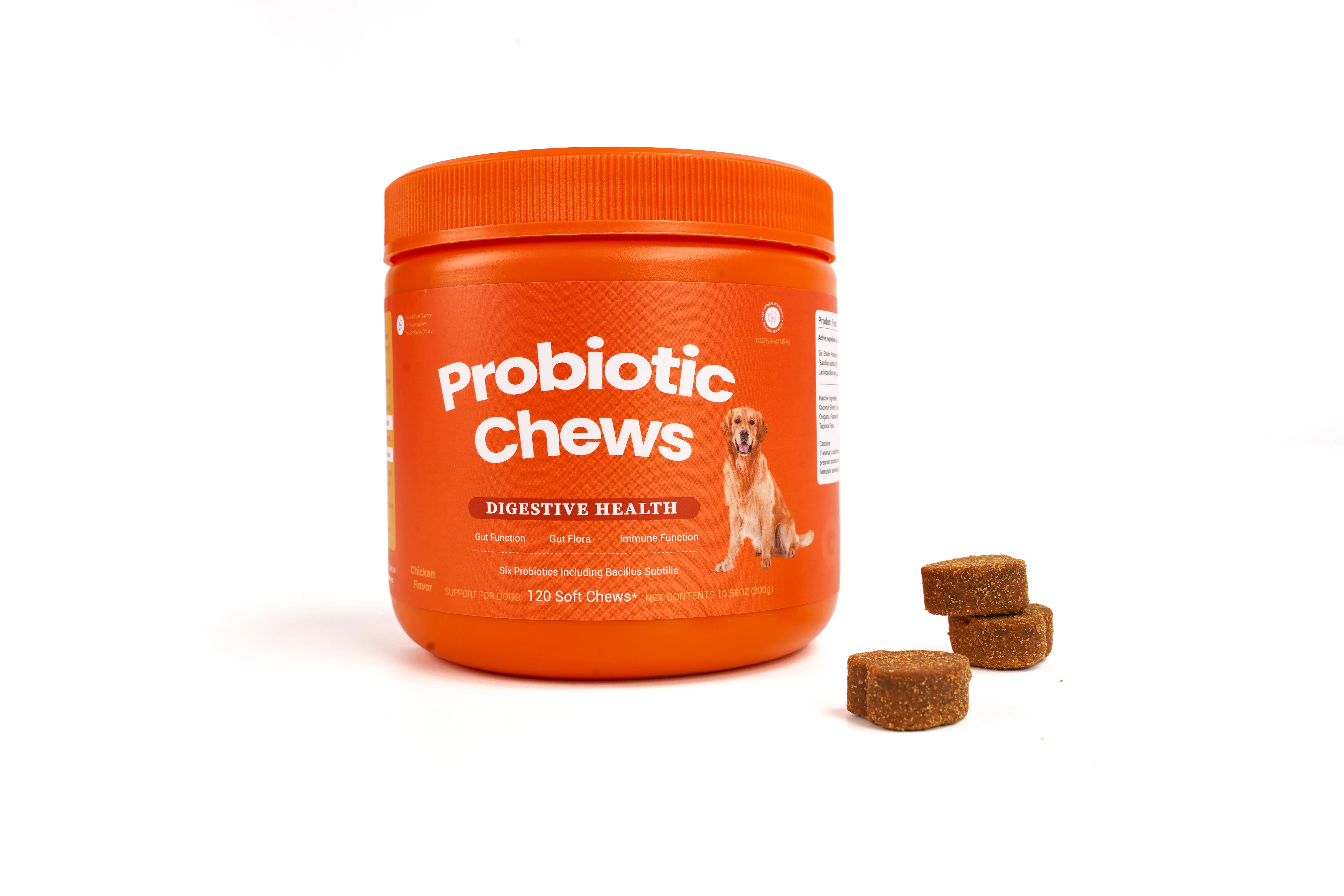
Gastrointestinal Regulation: Administer Canine Probiotic Supplement daily to suit their sensitive stomachs and reduce exercise-induced diarrhea; combine with pumpkin puree for enhanced effects.
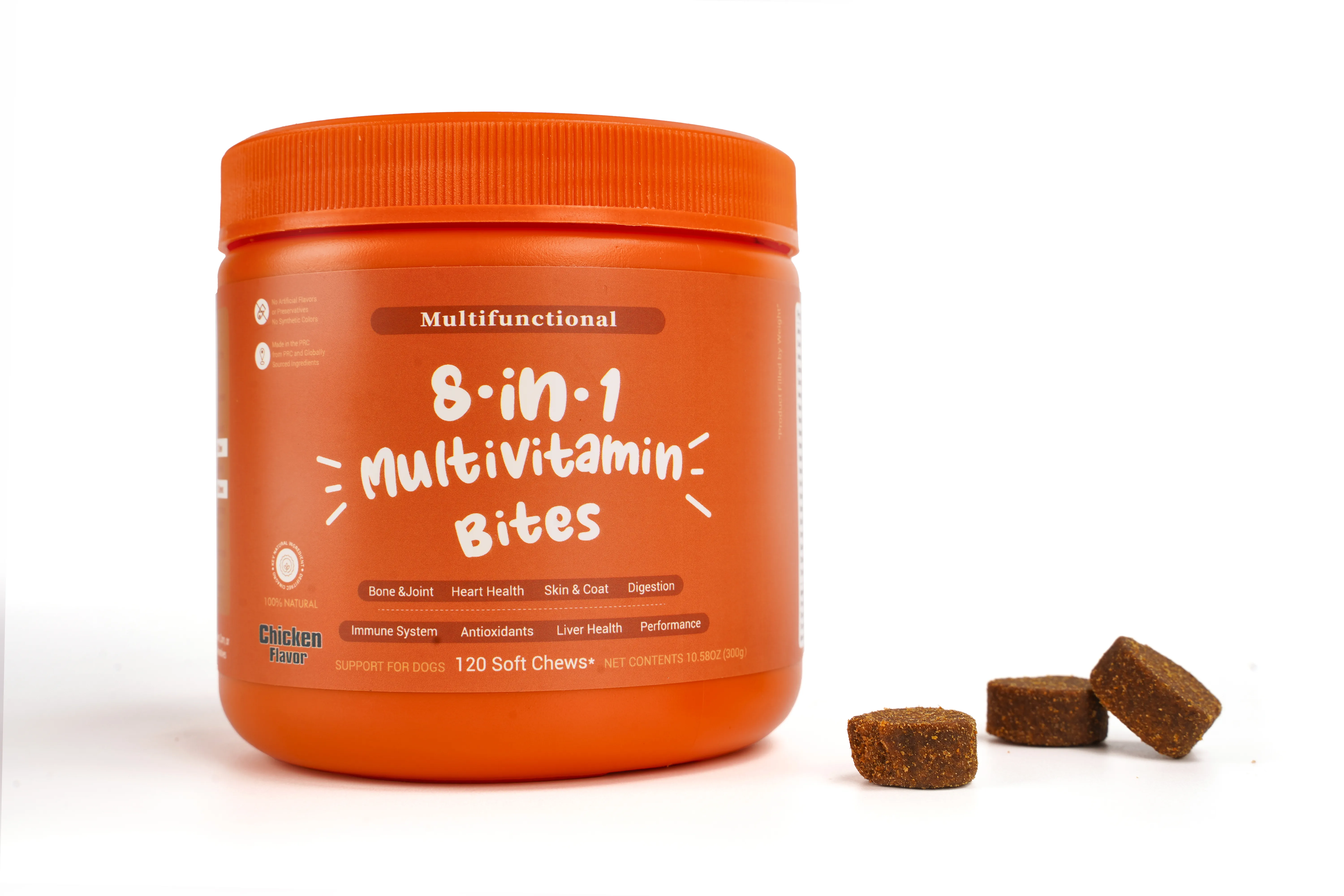
Comprehensive Nutrition: Administer one Canine Multivitamin daily to supplement vitamins A and E, as well as iron and zinc, preventing nutritional imbalances and boosting immunity.
Feeding Precautions
Feed 2-3 meals daily. Puppies should have 3-4 meals. Adult dogs (20kg) should have 500-600g of staple food daily. Increase the amount appropriately depending on their activity level to prevent obesity.
Provide 70-80ml of water per kilogram of body weight daily. Offer room temperature water after exercise. Choose high-protein, low-fat treats, not exceeding 10% of daily calories.
Example of equipment and supplement combination (one-week reference)
|
Time |
Exercise Schedule |
Nutritional Balance |
Suitable Age |
|
Monday |
1.5 hours of jogging + 20 minutes of obedience training |
Staple food + probiotics + glucosamine + multivitamins |
Suitable for adult dogs aged 1-8 year |
|
Wednesday |
25 minutes of agility training + 15 minutes of tug-of-war |
Staple food + muscle-building supplement + fish oil + glucosamine |
Suitable for young and middle-aged dogs aged 1-6 years |
|
Friday |
1 hour on the treadmill + 15 minutes of command review |
Staple food + probiotics + multivitamins |
Suitable for adult dogs aged 1-8 years |
|
Weekend |
2 hours of hiking + 20 minutes of cattle herding simulation training |
Staple food + glucosamine + multivitamins + pre-exercise treats |
Suitable for adult dogs aged 1-8 years |
Adjustment Instructions for Different Age Groups
1. Puppies (2-6 months): Exercise should be short, frequent sessions. Nutritionally, choose puppy food (approximately 28% protein) + probiotics + multivitamins. Do not add muscle-building supplements. Feed small, frequent meals.
2. Young Adult Dogs (1-6 years): Follow the schedule. Agility training can be more challenging. Add muscle-building supplements on high-intensity exercise days.
3. Senior Dogs (9 years and older): Exercise should primarily consist of walking and sniffing. Nutritionally, choose senior dog food (low-fat, high-fiber). Reduce muscle-building supplements and increase the proportion of fish oil to protect cardiovascular health.
Blog comments
0 Comments