
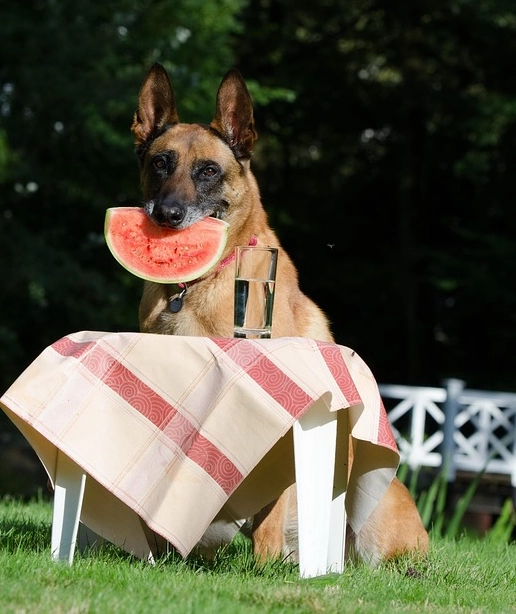
Your Belgian Malinois has abundant energy and remarkable intelligence, stemming from their working dog heritage. Consequently, they require superior food to support their mental, physical, and emotional well-being. A raw diet is optimal for achieving peak health and performance. However, high-quality kibble can also be a suitable option for some owners. You'll discover the compelling reasons why raw food is exceptionally beneficial for your Belgian Malinois. It's crucial to understand the specific nutrition they need, the appropriate feeding amounts, and how their diet impacts potential health issues. This knowledge will empower you to make the best food choices for your companion.
Key Takeaways
Belgian Malinois dogs need special food. This food helps their high energy and smart minds. They do best on a diet rich in animal protein and healthy fats.
Raw food is often best for a Belgian Malinois. It helps their digestion and immune system. It also gives them a shiny coat and healthy skin.
If you feed kibble, choose high-quality types. Look for kibble with lots of protein and fat. Avoid fillers and artificial ingredients.
Proper feeding changes with age. Puppies need more food for growth. Adult dogs need food for their activity. Older dogs need fewer calories.
Good food helps prevent health problems. It keeps joints healthy and manages weight. It also supports a healthy digestive system and good skin.
Belgian Malinois Nutrition Essentials

Carnivore Diet Principles
Your Belgian Malinois is a carnivore. Their body is made for animal foods. They do well on these foods. Proteins build the body. They help muscles grow and fix themselves. Chicken, beef, and fish are good lean meats. They give great protein. Eggs and some dairy also have protein. Dogs cannot make 10 key amino acids. They must get them from food. A 'complete' protein has all 10. It has them in the right amounts. Animal proteins are naturally complete. Chicken, beef, and fish are examples. They give your dog what they need. This helps them be very healthy. Chicken breast, turkey, and fish are great. Salmon, whitefish, or cod are good fish. Rabbit and venison are also good. This basic food is vital for your Belgian Malinois.
High Energy Demands
Your Belgian Malinois has lots of energy. They need food for their high activity. Their food must give energy all day. Good fats are very important for this. Fats give a lot of energy. They help your dog keep going. This is for training, work, and play. Without good food, your dog gets tired fast. Make sure their food supports their busy life.
Muscle and Joint Health
Strong muscles and healthy joints are key. This is for your active Belgian Malinois. Good proteins help muscles grow. They also help muscles fix themselves. This is important for a dog that runs a lot. It is also for dogs that jump and work hard. A balanced diet builds strong bones. It also makes joints tough. You want your dog's body to handle its active life. Good food keeps their body strong. It stops wear and tear over time. This helps their health for a long time.
Cognitive Function Support
Your Belgian Malinois is very smart. Their sharp mind needs special nutrients. These help them stay focused and quick. You can help their brain with food. Studies show some nutrients boost brain health. For example, fish oil helps. B vitamins, antioxidants, and arginine also help. This mix makes brains work better. It also helped older dogs think better. MCT oil also makes brains better for a long time. Other good things are phosphatidylserine. Ginkgo biloba extract is another. Pyridoxine, vitamin E, and resveratrol also help. These keep your dog's brain sharp. They help them learn things. They also help their mind stay well. Foods with antioxidants can also stop brain problems. This special food helps your Belgian Malinois think well.
Raw vs. High-Quality Kibble

Picking the right food is a big choice. This is for your belgian malinois. You can pick raw food. Or you can pick good kibble. Both are good in some ways. Knowing the differences helps you choose. This helps your dog's health. It also helps their performance.
Benefits of Raw Feeding
Many owners feed raw food. They do this for active dogs. This food has raw meat. It also has bones and veggies. Owners often see good changes. Your dog can get a shiny coat. Their skin can be healthier. Raw food has good fats. These are Omega-3 and Omega-6. These fats make coats shiny. They make skin healthy. They also help with swelling. You can find these fats. They are in fish oil. They are also in flaxseed oil. These help skin and fur. Raw food is natural eating. It helps your belgian malinois look great. It also helps them feel great.
Why Raw Excels
Raw food gives better nutrition. This is compared to kibble. Raw food is easier to digest. Processing can hurt nutrients. It makes them harder to absorb. Kibble processing lowers protein quality. It can reduce amino acids. This process makes AGEs. AGEs cause swelling. They cause long-term sickness.
Raw meat diets have different nutrients. They have mostly protein. They also have fat. They have fewer carbs. This balance changes gut bacteria. It makes health better. Dogs eating raw food have firm poop. This shows better digestion. Food nutrients affect gut bacteria. Healthy gut bacteria mean better health.
One study looked at 55 dogs. Some ate raw food. Others ate kibble. This was for over a year. Then, all dogs ate normal food. This was for 28 days. Researchers saw gut bacteria differences. Raw-fed dogs had more IAP. They also had more IgA. More fecal IgA is good. It helps immune health. It fights germs. It fights allergens. More IAP in raw-fed dogs. This may mean less gut swelling. These findings show how raw food helps. It helps digestion. It helps immune health.
Selecting Quality Dry Dog Food
If you pick kibble, choose well. Active dogs need more protein. They also need more fat. This helps their high energy. Look for kibble with good protein. Look for good fat amounts.
When you pick dry dog food, pick good brands. Always check ingredients. Real meat should be first. Avoid fillers. Avoid fake colors. Avoid preservatives.
Addressing Kibble Limitations
Even good kibble has limits. Kibble is processed food. It has more carbs. Dogs do not need so many. Carbs can cause weight gain. They can cause tummy problems. High heat in kibble making. It lowers nutrient value. It can make bad compounds. Kibble also lacks water. Raw food has natural water. Your dog needs to drink more. Kibble is easy to use. But it may not be as good. It may not have as many nutrients. This is compared to raw food. Think about these things. This is when you pick food. This is for your belgian malinois.
Key Nutrients for Your Malinois
Protein Sources and Importance
Protein is very important. It helps your belgian malinois. It builds and fixes muscles. It also helps many body parts work. Animal proteins are the best. They have 10 special amino acids. Your dog needs these. Your dog cannot make them. Animal proteins are easy to digest. This means your dog can use them. They give energy and help growth.
| Protein Source | Biological Value (BV) | Digestibility |
|---|---|---|
| Eggs | 100 | Highly digestible |
| Chicken | 92 | Easily absorbed |
| Beef | 78 | Requires more breakdown |
| Plant-based (soy, peas, grains) |
50-70 | Less bioavailable, contains anti-nutrients |
Raw venison is a great protein. It is good for your belgian malinois. It is easy to digest. It helps joints. It stops energy drops. Venison has many omega-3 fatty acids. These fats lower swelling. This helps your dog's joints. It also gives good protein. This makes muscles strong.
Healthy Fats for Vitality
Healthy fats are key. They are for your belgian malinois. They give lots of energy. This helps their high activity. Omega-3 and omega-6 fats are very important. They give your dog a shiny coat. They make skin healthy. Omega-3s are top supplements. They are for your belgian malinois. They help lower swelling. They also help heart and brain health. Omega-6s keep skin healthy. They control hormones. The right mix of these fats. It boosts their immune system. It also stops long-term sickness.
Essential Vitamins and Minerals
Your belgian malinois needs Canine Multivitamin. They also need minerals. These nutrients keep their immune system strong. They also help overall health. Iron is key for a strong immune system. B vitamins also help immunity. Good protein and other nutrients give energy. They also help control blood sugar. A balanced nutrition plan. It makes sure your dog gets all these.
Organs and Bones in Diet
Organs and bones are important. They are part of a raw diet. Organs like liver and kidney. They offer many vitamins. They give minerals. Muscle meat alone does not. Bones give your belgian malinois calcium. They also give phosphorus. These minerals are key. They make bones and teeth strong. They also give trace minerals. Feeding raw, meaty bones. It helps clean your dog's teeth. Always make sure bones are raw. Make sure they are the right size. This is for safe chewing.
Feeding Guidelines by Life Stage

Your belgian malinois needs different food amounts at various life stages. You must adjust their diet as they grow older. This ensures they get the right nutrients for their age and activity level.
Puppy Feeding for Growth
Your belgian malinois puppy grows very fast. They need a lot of energy.
Puppies generally require three or more feedings per day.
Puppies need calorie-dense meals. These meals support their fast growth and development. You can determine the portion size per meal. Divide the total recommended daily serving size from a dog feeding chart by the number of meals your puppy needs within a 24-hour period. This calculation helps you adjust individual meal sizes. Always offer fresh water.
Adult Malinois Feeding Amounts
An adult belgian malinois has high energy. Their feeding needs depend on their activity. A working dog needs more food than a less active one.
Adult dogs are typically recommended to eat twice a day, once in the morning and once at night. You should check the feeding guide on your chosen adult dog food. Adjust the amount based on your dog's weight and energy. Watch your dog's body condition. You want them to stay lean and muscular.
Senior Dog Dietary Needs
Older belgian malinois dogs often slow down. They need fewer calories. This prevents weight gain. However, they still need high-quality protein. This helps maintain muscle mass. Look for foods with joint support. These ingredients help keep their joints healthy. You might need to feed smaller, more frequent meals. This can help with digestion. Always talk to your vet about your senior belgian malinois's specific needs.
Belgian Malinois Health and Diet
Your belgian malinois needs good food. This helps stop health problems. It can also help manage them. You can help your dog. Pick their food with care.
Joint Health and Prevention
Joint problems can happen. Hip and elbow dysplasia are examples. These can affect your belgian malinois. Good food can help stop them. Keep your dog at a healthy weight. This is very important. It can stop hip dysplasia. It makes symptoms less bad. A good weight helps hips grow right. It stops too much stress. If your dog gains weight, help them lose it. This can make things better. Especially with therapy for arthritis.
Feed good food. It needs lots of protein. It needs healthy fats. It needs key vitamins and minerals. This gives them what they need. Watch their weight. Change food amounts. This stops them from getting too fat. Obesity makes joint problems worse. Use tools to measure food. A balanced diet is key. It stops hip and elbow dysplasia. Joint supplements can also help. They help with hip dysplasia. Look for these things:
- Antioxidant Vitamins C and E
- Green Lipped Mussel
- Glucosamine Supplements For Dogs
- Chondroitin
Fresh food also has minerals. These help joints. Calcium, phosphorus, magnesium, and manganese are examples.
Digestive Wellness and Allergies
Your belgian malinois needs a healthy stomach. Food allergies can cause problems. They can upset the stomach. They can cause skin issues. Dogs can be allergic to many things. Pollen, mold, dust mites, flea saliva are some. Certain foods can also cause allergies. For food allergies, use a special diet. It helps you find safe food. This food will not bother your dog.
Weight Management
Manage your belgian malinois's weight. This is key for their overall health. Overweight dogs have more health risks. You can use special diets. These are for weight control. Always follow food package guides. Change portion sizes. Do this based on age, weight, and activity. Check their weight often. Change food amounts as needed. Aim for a lean, strong body. Split daily meals. Adult dogs usually eat twice a day. Stop overeating. Do not leave food out all day. Measure daily portions. Pick good food. It needs key nutrients. Like 22-30% protein. And 8-20% healthy fats. This includes omega-3 and omega-6. It needs complex carbs. Sweet potatoes, brown rice, barley are examples. It needs fiber. Beet pulp, pumpkin, flaxseed are examples. Make sure the diet has vital vitamins. A, D, E are some. And minerals. Calcium, phosphorus, potassium are some. Avoid common mistakes. Do not overfeed. Do not change diets often. Do not give table scraps.
Skin and Coat Conditions
Your belgian malinois's skin and coat show their health. Hypothyroidism is a condition. The body does not make enough thyroid hormone. This can cause dry skin and coat. It can cause hair loss. It makes skin diseases more likely. This is not a food problem directly. But it affects skin and coat health. A dull coat and hair loss are signs. They need a vet right away. These show hidden health problems.
Transitioning to a Raw Diet
Switching your belgian malinois to a raw diet offers many benefits. You need to do it carefully. A slow transition helps your dog adjust. This prevents stomach upset.
Safe Transition Methods
You should not switch your dog's food overnight. A gradual process works best. Follow this 10-day plan for your belgian malinois:
Days 1-3: Give 25% raw food. Feed 75% of their old kibble.
Days 4-6: Increase to 50% raw food. Give 50% of their old kibble.
Days 7-9: Further increase to 75% raw food. Feed 25% of their old kibble.
Day 10: You can now feed 100% raw food.
To make the switch smooth for your belgian malinois:
- Introduce raw food slowly. Avoid a sudden change.
- Make meals more appealing. Add cheese, a favorite treat, or an egg. Canned sardines or bone broth also work. Lightly searing the meat can release good smells.
- Watch your dog closely. See how they react. Adjust food amounts if your dog has a sensitive stomach.
Expected Changes During Transition
Your belgian malinois may show some changes. This happens as their body adjusts. You might see a 'detox' period. This can include:
- Vomiting
- Loose stools or diarrhea
- Bad breath or flatulence
- Loss of appetite or not wanting food
- Excessive drooling
- Stomach pain (your dog might hunch over)
- Bloating
- Gassiness
Plain canned organic pumpkin can help with loose stools. You might also notice changes in their poop. It could be less frequent or whiter. This is due to bone content. You may also see less water drinking. Raw food has much moisture. Always provide fresh water. Some dogs adapt quickly. Others need more time. Be patient with your belgian malinois.
Ensuring Nutritional Balance
You must ensure your belgian malinois gets proper nutrition. This is true during and after the transition. A balanced diet is crucial. It supports their health. If you have concerns, talk to your vet. They can offer personalized advice.
Beneficial Supplements and Variety
You can make your Belgian Malinois healthier. Give them good supplements. Add different foods to their meals. This keeps them interested. It also gives them more nutrients.
Joint Support Supplements
Your active Belgian Malinois uses their joints a lot. They run, jump, and do agility. This can cause swelling and stiffness. Joint supplements help make their joints strong. They also make them feel better. Look for glucosamine hydrochloride. Chondroitin sulfate and MSM are also good. Omega-3 fats help with movement. These things keep your dog comfy. They help them move well.
Omega-3 Fatty Acids
Omega-3 fats are very important. They help your Belgian Malinois. They lower swelling. They make arthritis better. Fish oil helps stop cell damage. DHA and EPA protect cells. They make good antioxidants. Omega-3 PUFA can make them better at sports. They help cells take in nutrients. This makes muscles work better. Eating them regularly helps muscles. It makes them burn energy faster. Fresh food keeps these nutrients good. Fats in kibble can go bad. They lose their health benefits. They can cause swelling.
Probiotics and Digestive Aids
Probiotics help your Belgian Malinois's gut. They keep the stomach balanced.You can mix Canine Probiotic Supplement with food. If your dog is picky, hide pills in treats. Give probiotics every day. This helps long-term health. Start them before stressful times. Dogs need 1-10 billion CFUs daily. Good types are Bacillus coagulans. Lactobacillus acidophilus is another.
Adding Dietary Variety
Change your dog's food often. This gives different nutrients. It makes mealtime fun. You can add freeze-dried raw food. Frozen raw patties also work. Plain Greek yogurt has probiotics. It also has calcium. Pumpkin helps digestion. Canned food adds water. It gives different proteins. These things make food better. They add more vitamins. They add more minerals. This is good for your Belgian Malinois.
Practical Feeding Tips

You want the best for your Belgian Malinois. Good feeding is as important as the food. Follow these tips. Keep your dog healthy and safe.
Sourcing Quality Ingredients
Always pick good food. This is for your Belgian Malinois. If you feed raw, buy from good companies. They should have strong safety rules. Ask about their germ tests. Ask about Salmonella or E. coli. Ask how they kill germs. Also, ask how often they clean. Check if they have vet nutritionists. This makes sure meals are safe. It makes sure they are healthy.
Safe Food Handling
Safe food handling is key. This is true for raw diets.
- Keep raw dog food frozen. Keep it frozen until you use it.
- Thaw raw food in the fridge. Do this overnight. Do not thaw it at room temp. This stops germs from growing fast.
- Use thawed food in 2-3 days. Throw away any uneaten raw food. Germs can grow at room temp.
- Wash food bowls with hot, soapy water. Do this after each use. You can use a bleach mix daily.
- Clean surfaces that touched raw food. Use a bleach mix. Or use pet-safe cleaner.
- Wash your hands with soap. Do this before and after handling food. Make sure kids wash their hands too.
- Stop your Belgian Malinois from licking wounds. Stop them from licking your face. Do this right after they eat.
- Do not feed raw diets. This is for homes with young kids. Or old people. Or those with weak immune systems.
Hydration and Meal Timing
Your Belgian Malinois needs lots of fresh water. Always have a clean water bowl. Raw food has water. But kibble-fed dogs need more. Feed at the same times each day. Adult dogs eat twice a day. This helps digestion. It keeps energy steady. Do not leave food out all day. This can cause overeating. It can cause weight gain.
Professional Veterinary Consultation
Always talk to your vet. Talk about your Belgian Malinois's diet. They can give you special advice. This is key if raw food is their main diet. A vet can make sure your dog gets all nutrients. They help you pick the best food. This is for your specific Belgian Malinois.
A raw diet is best. It helps your Belgian Malinois. It gives them health. It gives them energy. It helps them live long. Good kibble is okay. But raw food is better. You saw how it helps. It gives more energy. It makes coats shiny. It helps digestion. It supports joints. These good things come from good food. Talk to a vet. Or a dog food expert. They can help you. They give special advice. The best food is different for each dog. Choose food wisely. Help your dog do well.
FAQ
How often should you feed your adult Belgian Malinois?
You should feed your adult Belgian Malinois twice a day. Give them one meal in the morning and another at night. This helps their digestion. It also keeps their energy levels steady. Always follow the feeding guide on your chosen food. Adjust amounts based on your dog's activity.
Can you mix kibble and raw food for your Malinois?
Mixing kibble and raw food is generally not recommended. Your dog digests them differently. This can cause stomach upset. If you choose to feed both, offer them at separate meals. Give raw food in the morning and kibble later. This helps digestion.
What are signs of a healthy diet for your Belgian Malinois?
A healthy diet shows in many ways. You will see a shiny coat and clear eyes. Your dog will have good energy levels. They will also have firm, consistent stools. A healthy weight is another key sign. Your Malinois will be lean and muscular.
How do you know if your Malinois has food allergies?
Your Malinois might show skin issues. These include itching, redness, or hot spots. They might also have digestive problems. Look for vomiting, diarrhea, or gas. If you suspect allergies, talk to your vet. You can try an elimination diet to find the cause.
Blog comments
0 Comments