
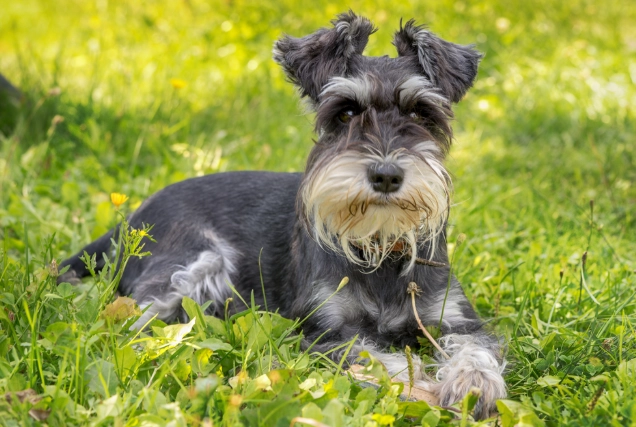
Proper nutritional care is very important for your Schnauzer's health. These dogs have special dietary needs that require attention. For example, a young giant Schnauzer experienced serious health problems from a poor diet, which included lameness due to insufficient vitamin D. Choosing high-quality dog food helps meet these nutritional needs. It also keeps your furry friend healthy and happy.
Key Takeaways

Schnauzers need a healthy diet with proteins, fats, carbs, vitamins, and minerals. This helps them stay healthy.
Pick good dog food that has real meat first. Stay away from fillers and fake additives for better health.
Change your Schnauzer's food slowly over a week. This helps avoid stomach problems. Watch for any signs of discomfort during the change.
Schnauzer Nutritional Needs
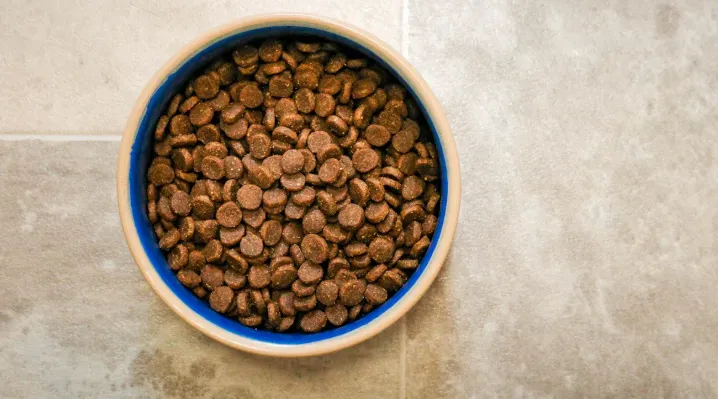
To keep your Schnauzer healthy, knowing their nutritional needs is very important. These dogs need a balanced diet. This diet should give them the nutrients they need for their health. Let’s look at what your Schnauzer needs to be healthy.
Essential Nutrients
Schnauzers, like all dogs, need different nutrients to stay well. Here are some important parts to add to their food:
- Proteins: These are needed for muscle growth and repair. Choose good sources like chicken, beef, or fish.
- Fats: These are key for energy and healthy skin. Omega-3 and omega-6 fatty acids help keep their coat shiny.
- Carbohydrates: These give energy and help with digestion. Whole grains and vegetables are good choices.
- Vitamins and Minerals: These help overall health and the immune system. Make sure your dog gets vitamins A, D, E, and minerals like calcium and phosphorus.If necessary, you can take high-quality supplements such as Canine Multivitamin.
Most dogs have similar nutritional needs, but Schnauzers have special health issues that need special diets. For example, they might need fewer calories because they can have high cholesterol.
Tip: Always read the ingredient list on dog food packages. Good ingredients lead to better health for your Schnauzer.
Protein and Fat Balance
Getting the right mix of protein and fat is important for your Schnauzer. Too much fat can cause obesity. Too little fat can make them low on energy and have a bad coat. Here’s how to find that balance:
- Protein: Look for a diet with at least 20-30% protein. This helps keep muscles strong and supports growth, especially in miniature schnauzer puppies.
- Fat: Aim for a fat level of about 8-15%. This gives enough energy without causing weight gain.
To show how Schnauzer nutrition differs from other small breeds, check this table:
| Health Concern | Miniature Schnauzers | Other Small Breeds |
| High Cholesterol | Yes | Varies |
| Blood Fat Levels | Yes | Varies |
| Overweight Susceptibility | Varies | Yes |
| Dietary Needs | Individualized | Individualized |
As you can see, Schnauzers have special food needs to think about when picking their food.
Also, good nutrition can help stop common health problems in Schnauzers, like:
- Obesity: This can lead to diabetes and heart issues.
- Food Allergies: Signs include licking paws or scratching a lot.
- Digestive Disorders: Good food can help avoid vomiting and diarrhea.
By focusing on a balanced diet full of essential nutrients, you can help your Schnauzer live a long, healthy life.
Best Dog Food for Schnauzers
Choosing the best dog food for schnauzers is very important. The quality of ingredients matters a lot. You want your furry friend to have the best nutrition. Good dog food should have real meat as the first ingredient. Avoid foods with fillers and fake additives. Here are some important ingredients to look for:
- Venison: This lean protein is good for skin and coat health. It is also hypoallergenic.
- Fish oil and flaxseed oil: These oils are full of omega-3 fatty acids. They help make the coat shiny and reduce swelling.
- Omega-3 fatty acids: These support a healthy coat and help with skin problems.
- EPA, DHA, and vitamin A: These nutrients are key for skin and coat health.
When picking the best food for schnauzers, pay attention to these ingredients. They help improve your dog's coat and overall health.
Life Stage and Allergies
Schnauzers have special dietary needs that change as they grow. Puppies, adults, and seniors need different types of nutrition. Here’s a quick summary:
- Puppies (up to 12 months): They need more protein for muscle growth. They also need a good balance of calcium and phosphorus for strong bones.
- Adults (from 1 year): Focus on protein-rich foods to keep muscles strong. Essential fatty acids are important for coat health.
- Seniors (age 7 and older): They need glucosamine to help their joints move better,for example Glucosamine And Chondroitin For Dogs.
Also, schnauzers, especially miniature schnauzers, can have food allergies. Common allergens are beef, dairy, and chicken. Many dogs show allergy signs before they turn one. Look for symptoms like skin problems or stomach issues. If you see these signs, think about changing proteins or trying a limited-ingredient diet.
When choosing the best dog food for schnauzers, remember their life stage and possible allergies. This way, your schnauzer gets the right nutrition for their needs.
Recommended Dog Food Options

When picking the right dog food for your Schnauzer, you have two main choices: dry and wet food. Each type has its good points, so let’s see what is best for your furry friend.
Dry Dog Food
Dry dog food is a popular choice for many pet owners. It’s easy to store and can help keep your Schnauzer's teeth healthy.
Wet Dog Food
Wet dog food can be a great choice for your Schnauzer, especially if they are picky eaters. It has a lot of flavor and moisture, which helps keep your dog hydrated. Here’s a quick look at wet and dry dog food:
| Aspect | Wet Dog Food | Dry Dog Food |
| Digestibility | High moisture helps digestion, good for small stomachs. | Needs extra water for good digestion. |
| Hydration | Helps keep dogs hydrated, especially those with urinary problems. | Needs water added to avoid dehydration. |
| Dental Health | Soft texture may cause dental issues because of less chewing. | Crunchy texture helps reduce plaque and tartar buildup. |
| Flavor and Palatability | Full of flavor, great for picky eaters, encourages eating. | Flavor depends on kibble type; may not taste as good as wet food. |
Both types have their benefits, so think about mixing them for a balanced diet. This way, your Schnauzer can enjoy the best of both kinds!
Transitioning Your Schnauzer's Diet
Changing your Schnauzer's food can be a big deal. You want to make sure the transition goes smoothly to avoid any tummy troubles. A gradual transition is key. Here’s how to do it:
Gradual Transition
Start by mixing the new food with the old food over about a week. Follow this simple plan:
- Days 1-2: 25% new food and 75% old food.
- Days 3-4: If your Schnauzer adjusts well, switch to a 50/50 mix.
- Days 5-6: Move to 75% new food and 25% old food.
- Day 7: Your Schnauzer should be ready for 100% new food.
This slow approach helps your dog’s digestive system adapt without causing upset.
Monitoring Reactions
While transitioning, keep an eye on your Schnauzer for any signs of digestive issues. Watch for:
- Loss of appetite
- Vomiting
- Lethargy
- Changes in behavior
Also, check your dog's stool consistency. Temporary changes are normal, but persistent loose stools may signal a problem. If your Schnauzer has a sensitive stomach, consider using brands designed for that, like Canine Probiotic Supplement.
If you notice any discomfort, slow down the transition. Adjust portion sizes based on your Schnauzer's age. For example, puppies need more food than adults. Here’s a quick guide:
| Age (Weeks) | Amount to Feed |
| 7-10 weeks | Feed 8-10% of body weight |
| 10-16 weeks | Feed 7-8% of body weight |
| 16-20 weeks | Feed 6-7% of body weight |
| 20-24 weeks | Feed 5-6% of body weight |
| 24-36 weeks | Feed 4-5% of body weight |
| 36-56 weeks | Feed 3-4% of body weight |
| 56-68 weeks | Feed 2.5-2.5% of body weight |
| 68+ (Adult) | Feed 2-3% of ideal body weight |
By taking these steps, you can help ensure a healthy transition for your Schnauzer.
Talking to a veterinarian is very important for your Schnauzer's health. They can help you create a diet that fits your dog's needs. Regular check-ups help find health problems early and improve long-term health. Remember, good nutrition is essential for a long and healthy life for your furry friend.
Tip: Stay away from common mistakes like not measuring food or changing diets too fast. These can cause obesity and stomach issues.
FAQ
What should I look for in schnauzer food?
Choose high-quality ingredients, with real meat as the first ingredient. Avoid fillers and artificial additives.
How often should I feed my schnauzer?
Feed your schnauzer twice a day. Puppies may need more frequent meals, while seniors might require less.
Can schnauzers have food allergies?
Yes, schnauzers can have food allergies. Common allergens include beef, chicken, and dairy. Watch for signs like itching or upset stomach.
Blog comments
0 Comments