
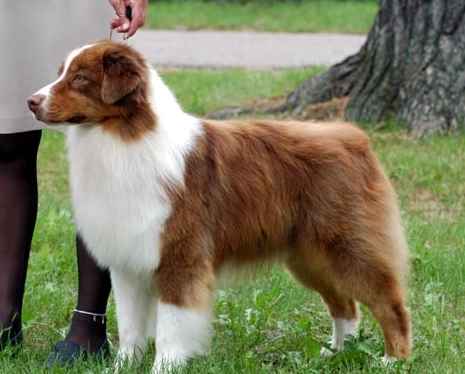
The Australian Shepherd (often referred to as "Aussie") originated as a working dog on North American ranches, known for its exceptional obedience, endurance, and intelligence. Their exercise needs should focus on "high intensity + variety + mental engagement," while nutrition should emphasize "high protein, balanced ratios, joint protection, and energy replenishment," aligning with their inherent working traits and high metabolic demands.
Exercise Regimen for Australian Shepherds
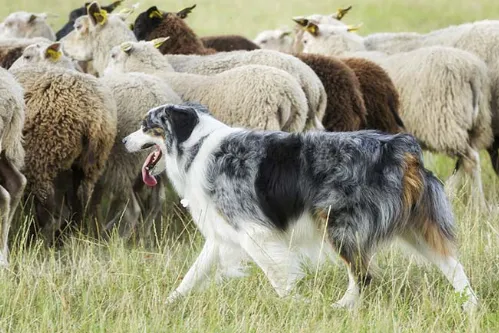
Endurance + Work Simulation Exercises: Releasing Innate Working Instincts
1.Long-distance Accompaniment / Jogging: 1.5-2 hours daily, suited to their endurance genes for herding livestock. Activities can include cycling alongside or long-distance hiking, maintaining a speed of 7-9 km/h (for adult Aussies), effectively expending energy while satisfying their instinct to "follow commands and move."
2.Herding Simulation Training: Use toys and fences to mimic livestock herding scenarios, directing Aussies to perform "enclosure" and "guidance" actions for 20-30 minutes daily. This more accurately meets their core working dog needs than simple exercise, fulfilling psychological demands.
Agility + Strength Exercises: Enhancing Coordination
1.Canine Agility Equipment (hurdles, tunnels, weave poles, etc.): 3-4 times a week, 30-40 minutes each session, gradually increasing from "basic actions to combined actions to advanced difficulty." Aussies' high intelligence and strong coordination make these exercises ideal for showcasing their strengths while building explosive power and flexibility.
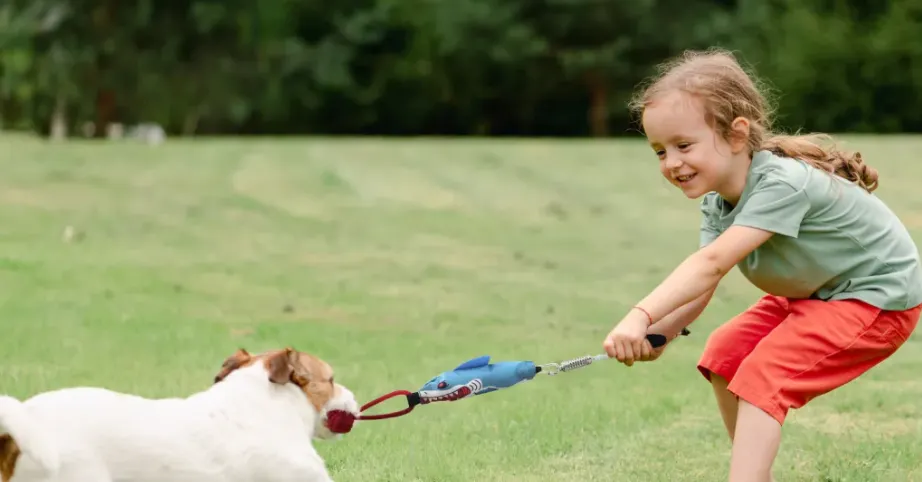
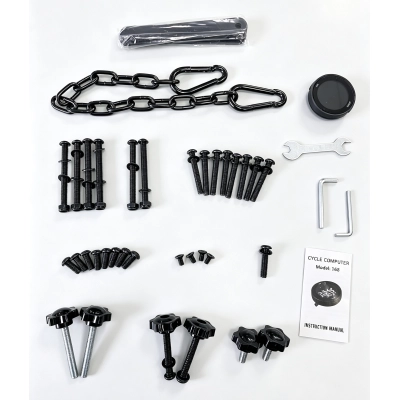
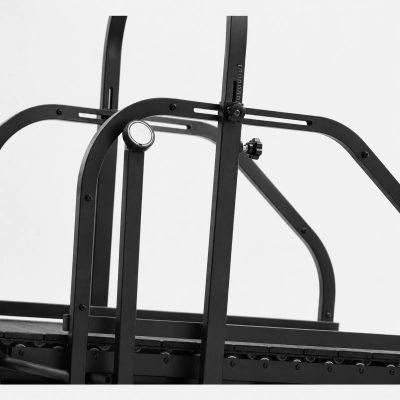
2.Interactive Strength Games: Use Spring Pole Dog Toys For Tug Of War or weighted fetching (with lightweight harnesses), 1-2 times daily, 15-20 minutes each session, to enhance core strength and bite force, while reinforcing obedience through "command-based exertion."
Mental + Physical Combination Exercises: Preventing Boredom and Anxiety from High Intelligence
Advanced Obedience Training: Teach complex actions like "crawling," "refusing food," and "responding to distant commands" for 15 minutes daily, using positive reinforcement (treats, praise) to keep their minds active and reduce destructive behaviors like house tearing and barking.
Scent Search Tasks: Hide toys or treats and set up multiple obstacles (e.g., around chairs, under tables) for Aussies to find through scenting, 10-15 minutes per session, combining mental and low-intensity physical exertion, suitable for rainy days or indoor activities.
Exercise Precautions
Aussies have much higher energy levels than average dog breeds, requiring at least 2 hours of exercise daily. Lack of exercise can lead to anxiety or destructive behavior. Avoid prolonged inactivity; even indoors, plan short interactive games.
Puppies (under 6 months): Focus on free walking, light fetching, and basic command training. Avoid agility equipment and high-intensity endurance exercises to protect bone development. Adult dogs (1-8 years) can engage in all types of exercises normally, while senior dogs (9+ years) should reduce agility training difficulty and running speed, and increase walking and scenting durations.
Avoid outdoor activities during high temperatures (11 a.m. - 4 p.m.). Aussies' thick coats make them prone to heatstroke. Ensure hydration post-exercise and use a damp towel to cool their abdomen.
Essential Nutrition Plan for Australian Shepherds (Supporting High Metabolism and Work Needs)
Basic Macronutrients: Supporting High-Intensity Exercise and Metabolism
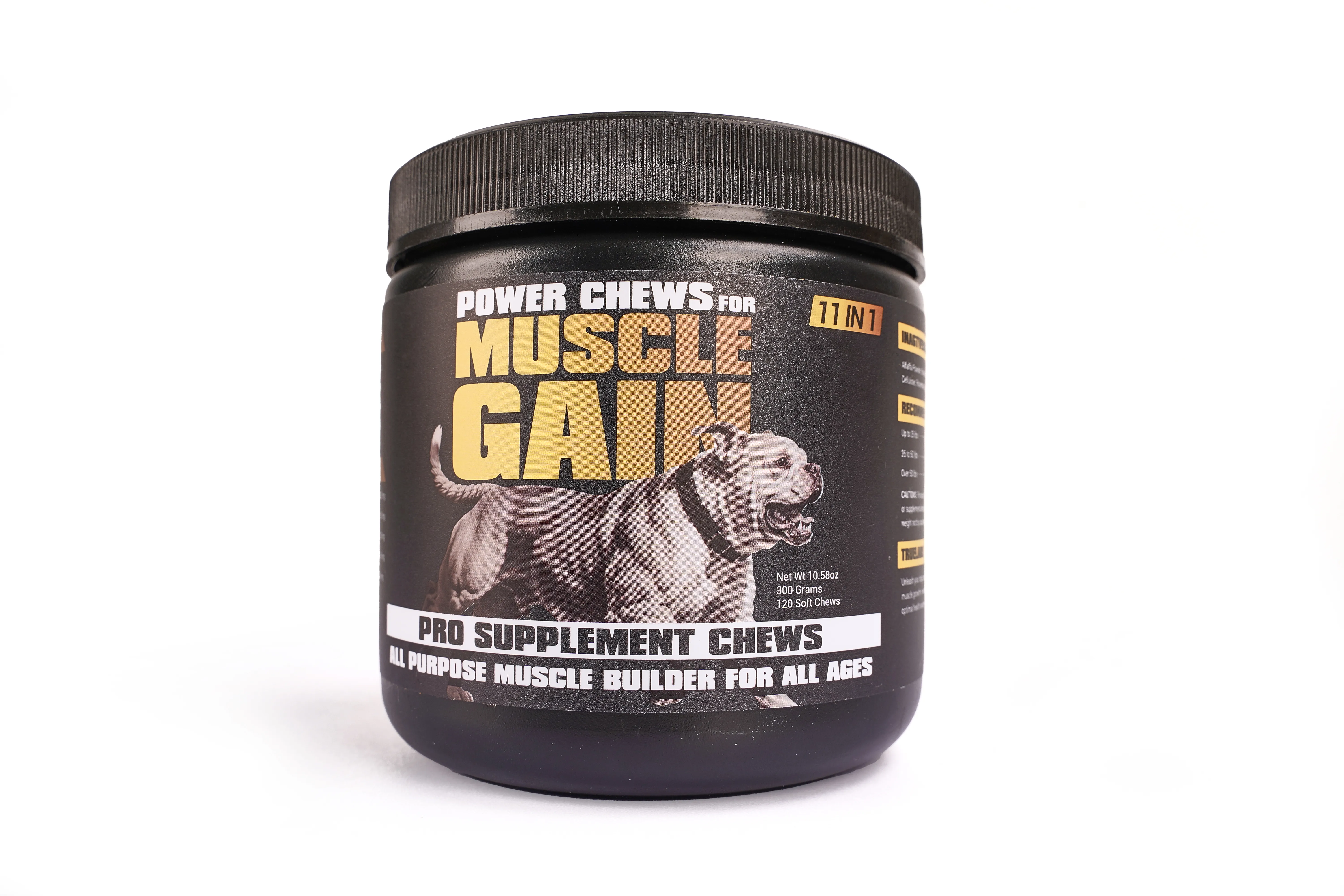
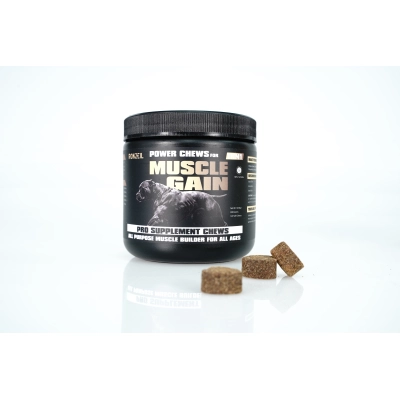
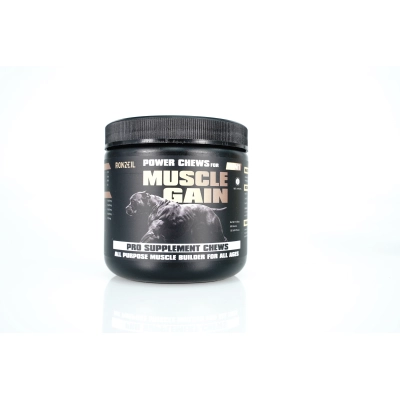
High Protein: 28%-32% of daily intake, prioritizing high-quality animal proteins (chicken, beef, salmon, lamb). Protein is crucial for muscle repair and maintaining stamina, especially after intense exercise. For extremely high activity levels (e.g., over 2.5 hours daily), consider Dog Muscle Gain Supplement (as per dosage instructions) to prevent muscle loss.
Moderate to High Fiber: 3%-5% of intake, using complex carbs like brown rice, oats, quinoa, paired with vegetables like carrots and broccoli, to provide sustained energy and promote gut motility, preventing constipation from exercise stress.
Healthy Fats: 18%-22% of intake, focusing on unsaturated fats (fish oil, flaxseed oil, olive oil) for high energy, coat health (reducing shedding and skin inflammation), and cardiovascular support, matching long-duration exercise energy needs.
Targeted Supplements: Addressing Core Needs
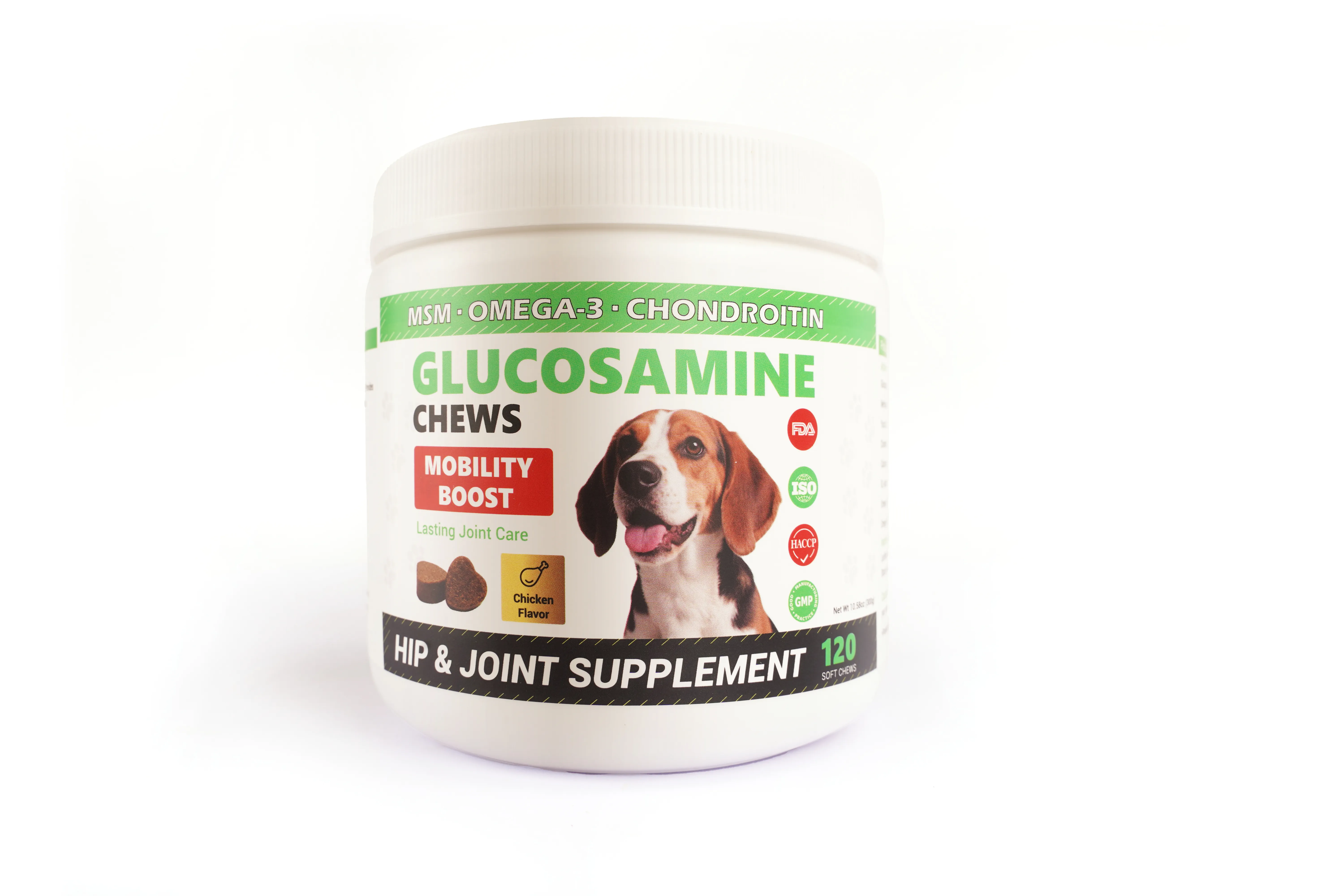
Joint Protection: Daily Glucosamine Supplements For Dogs, as Aussies, being active breeds, are at higher risk for joint wear. Regular supplementation is crucial, especially post-maturity, with increased doses (per weight) during agility or long-distance exercises to prevent hip dysplasia and elbow issues.
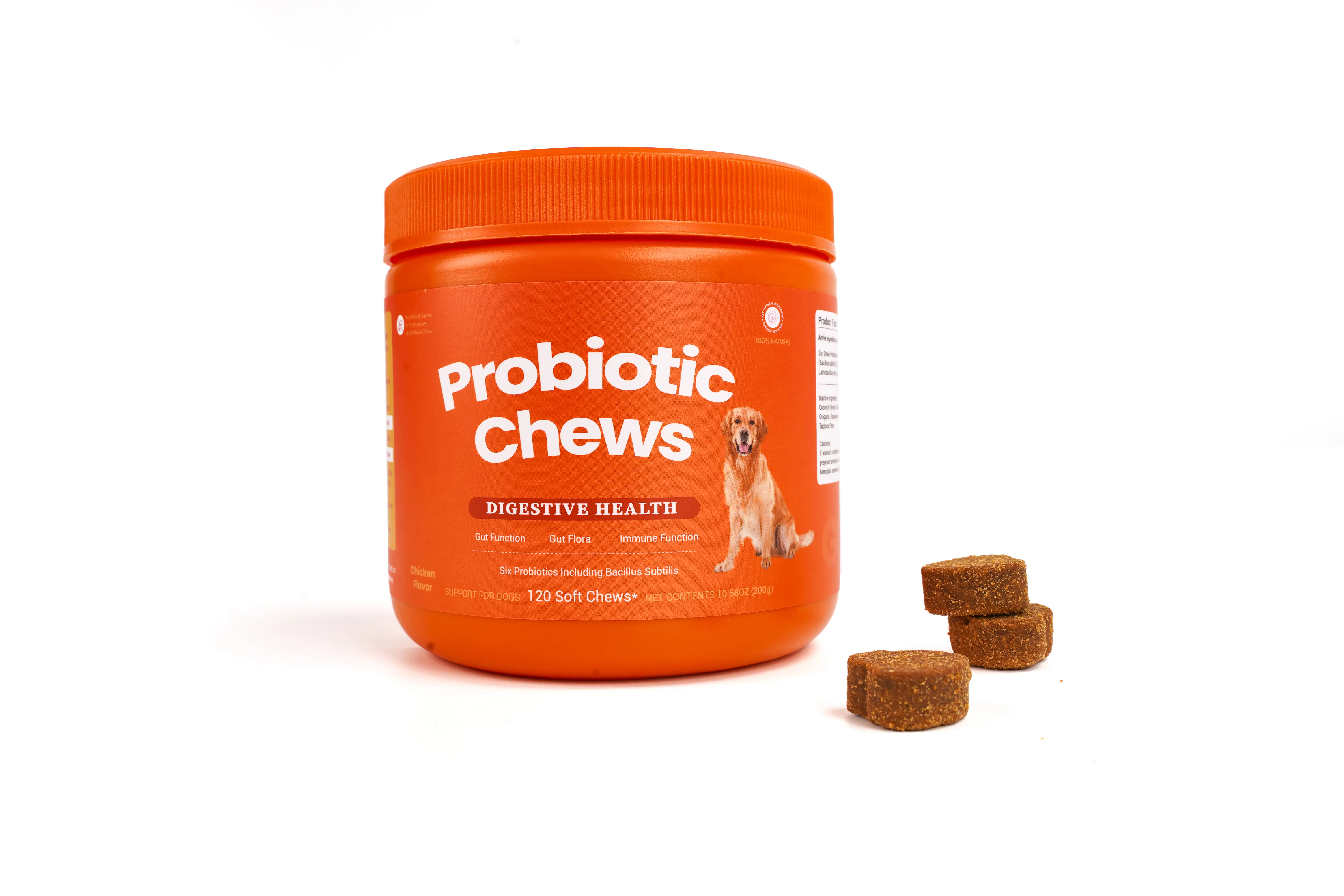
Digestive Health: Daily Canine Probiotic Supplement. Although Aussies have better digestive tolerance than Huskies, intense exercise or dietary changes can cause stress-related diarrhea. Probiotics help balance gut flora, enhancing digestion and absorption. Complement with natural dietary fibers like pumpkin puree and beet pulp for added benefits.
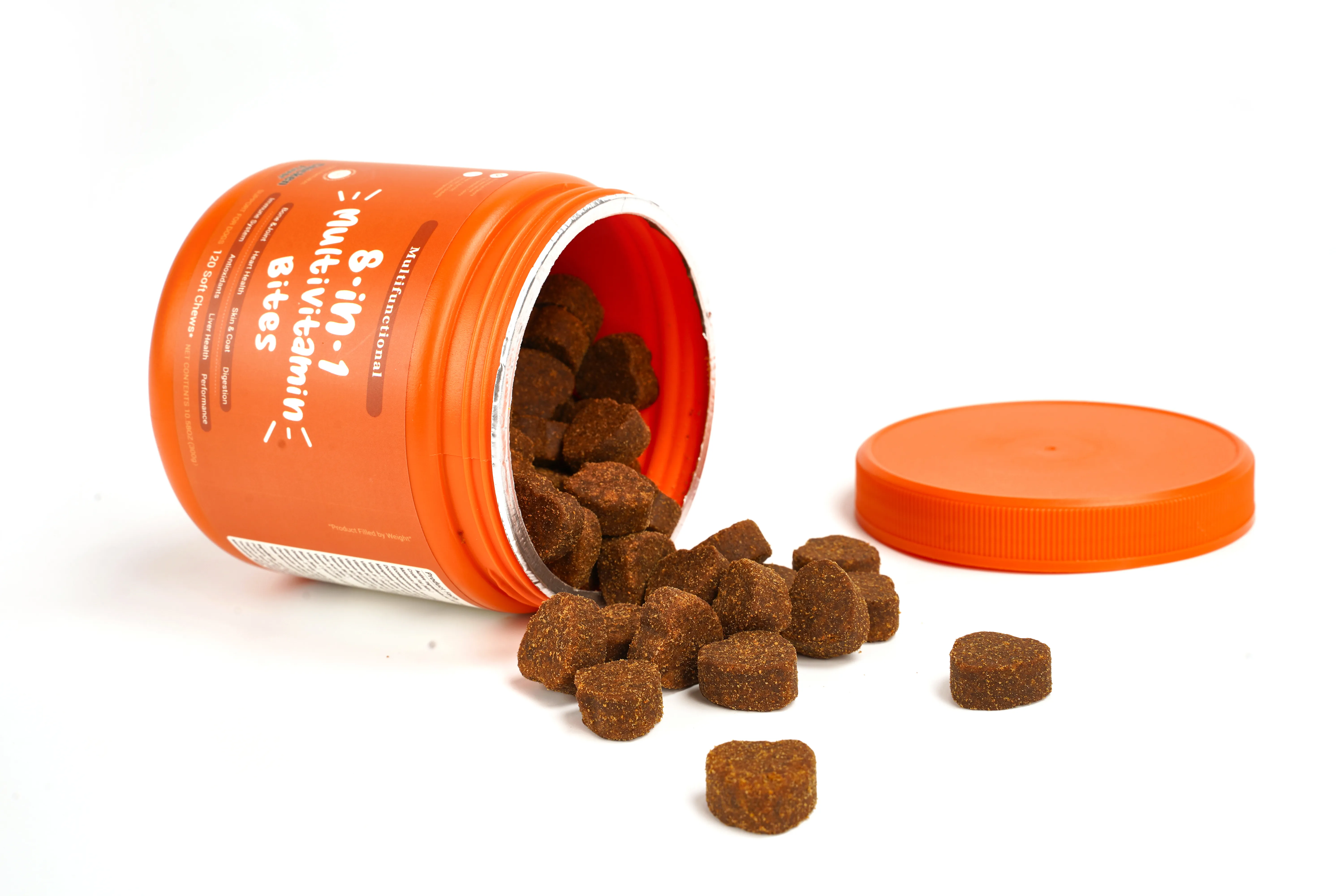
Comprehensive Nutrient Coverage: One Canine Multivitamin daily, providing vitamins A, D, calcium, iron, zinc, and other trace elements to prevent nutritional imbalances from high-intensity activities, especially during low-sunlight winters, reducing risks of calcium deficiency or weakened immunity.
Energy Supply: For highly active Aussies, provide small, easily digestible snacks (like dried sweet potatoes or chicken breast) an hour before exercise to prevent hypoglycemia during activity. Feed main meals within 30 minutes post-exercise for timely energy replenishment.
Feeding Precautions
Feed puppies three meals a day, and adult or senior dogs 2-3 meals, to prevent overeating. Avoid large meals within one hour before or after exercise to prevent gastric torsion or discomfort.
Ensure sufficient water intake, especially after exercise, providing room temperature water to avoid stomach irritation. Calculate daily water needs based on weight (50-80 ml per kg), with an increase after intense exercise.
Control treat intake to no more than 10% of daily caloric intake, prioritizing high-protein, low-fat healthy treats (like dried meat or vegetable chips) to avoid obesity and unnecessary joint strain.
Supplement Usage Principles
All supplements should be administered according to the dog's weight and the product's instructions, avoiding overuse. Puppies do not need muscle-building supplements, while senior dogs can reduce or pause these supplements, focusing on joint protection and multivitamins.
If the Aussie is pregnant, nursing, or ill, consult a veterinarian before using supplements to avoid health risks.
Example of Weekly Equipment and Supplement Usage
| Day | Exercise Plan | Nutrition Pairing | Suitable Age |
|---|---|---|---|
| Monday | Outdoor jogging 1.5 hours + tug-of-war 15 minutes | Main food + Canine Probiotic Supplement + Glucosamine Supplements For Dogs + Canine Multivitamin | Adult dogs 1-8 years |
| Wednesday | Agility equipment training 40 minutes (basic) + obedience training 15 minutes | Main food + Dog Muscle Gain Supplement(as per dosage) + fish oil + Glucosamine And Chondroitin For Dogs | Young adult dogs 1-6 years |
| Friday | Indoor scent search 20 minutes + short walk 40 minutes | Main food + Canine Probiotic Chews + Canine Multivitamin | All ages (simplify scent tasks for puppies) |
| Weekend | Herding simulation training 30 minutes + outdoor hiking 2 hours | Main food + Best Glucosamine For Dogs + Best Multivitamin For Dogs + small pre-exercise snacks | Adult dogs 1-8 years (reduce hiking to 1 hour for seniors) |
Adjustments for Different Age Groups
Puppies (2-6 months): Follow the principle of "short and frequent" activities with two walks daily (30 minutes each), two basic command training sessions (10 minutes each), and one light fetching game. Nutritional pairing includes "main food + probiotics + multivitamins," without muscle supplements. Choose puppy-specific food (around 28% protein), feeding small, frequent meals (four times daily) to avoid obesity from overeating.
Young Adult Dogs (1-6 years): Follow the standard table guidelines, gradually increasing agility training difficulty. Muscle supplements can be added after high-intensity weekend activities. Choose adult high-energy formula food to ensure adequate protein and fat.
Senior Dogs (9+ years): Replace activities with "two daily walks (1 hour each) + scent games 20 minutes + simple command review," eliminating agility equipment and high-intensity jogging. Reduce muscle supplements in nutrition, increase fish oil (for cardiovascular health), and choose senior dog-specific food (low fat, high fiber) with probiotics and glucosamine to ease digestive and joint strain.
Blog comments
0 Comments