
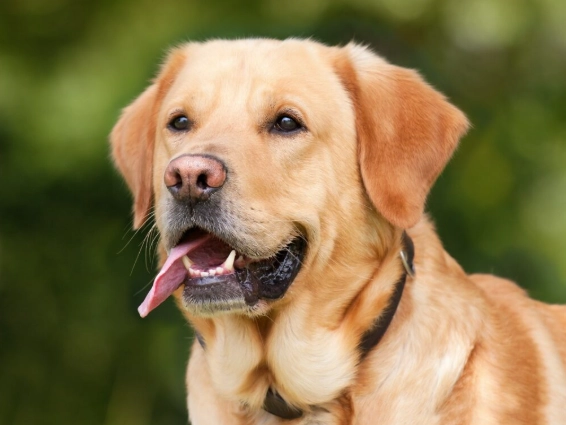

Labradors originated from Newfoundland, Canada, combining the gentle nature of companion dogs with the vitality of working dogs. They are naturally active and have a hearty appetite. Their exercise needs should focus on "moderate endurance + interactive fun + low-intensity strength," while nutrition should emphasize "high protein, balanced fat control, joint protection, and weight management." This approach meets their energy expenditure while avoiding common issues such as obesity and joint weakness.
Exercise Plan for Labradors
Endurance Base Exercises: Align with their nature while protecting their joints.
Long-distance Walking/Light Jogging: 1-1.5 hours daily at a speed of 5-7 km/h (for adult Labradors). This matches their natural endurance genes, which excel in swimming and pulling. Open areas like parks or lakesides are ideal for energy expenditure and exploration.
Swimming: 1-2 times a week for 20-30 minutes. Labradors are natural swimmers, and water buoyancy reduces joint pressure, making it especially suitable for overweight or older dogs. Ensure to dry their fur afterward to prevent bacterial growth from dampness.
Interactive Fun Exercises: Strengthen emotional bonds.
Fetch Games: 1-2 times daily for 15-20 minutes using balls or frisbees. This taps into their instinct to retrieve while incorporating mental training with commands like "wait" and "bring back," enhancing obedience.
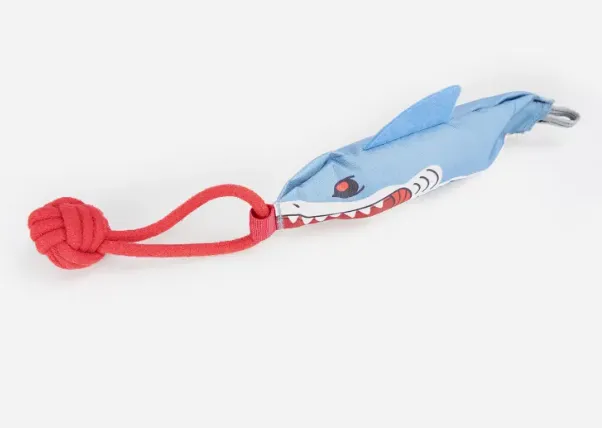
Spring Pole Dog Toys For Tug Of War:2-3 times a week for 10-15 minutes. Control the pulling force to avoid neck injuries. This serves as a fun interaction while releasing excess energy and strengthening the bond with the owner.
Low-Intensity Strength + Agility Exercises: Enhance body coordination.
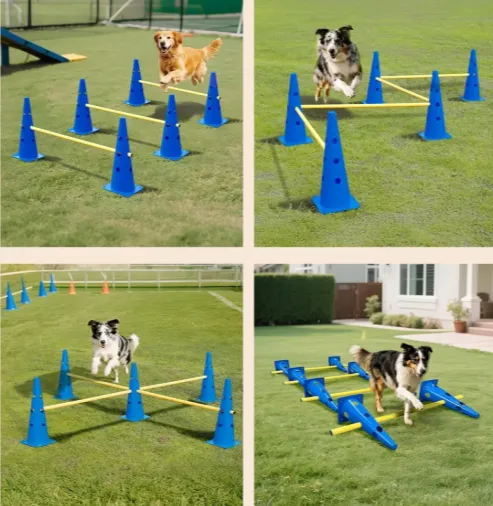
Agility Training Equipment (Canine Agility Training Equipment, simple tunnels): 1-2 times a week for 20-30 minutes, progressing from "basic adaptation to simple combinations." Labradors are intelligent and cooperative, making this exercise beneficial for body coordination without putting too much strain on their joints.
Scent Search: Hide treats or toys for them to find indoors or outdoors for 15 minutes. This combines mental stimulation with low-intensity physical activity, ideal for rainy days or when outdoor walks are not possible, preventing boredom-related destructive behavior.
Exercise Precautions
Labradors can be excitable but have limited endurance. Avoid prolonged high-intensity exercise (like jogging for over 2 hours). Opt for "moderate duration and gentle intensity," allowing a 10-minute cooldown after exercise to prevent abrupt stops.
For puppies (under 6 months): Focus on short walks (20-30 minutes, twice daily) and light fetch games. Avoid agility equipment and swimming to protect skeletal development. Adult dogs (1-7 years) can engage in all types of exercise, while senior dogs (8 years and older) should reduce jogging and agility training, increasing walking and scent search durations.
Control the feeding interval after exercise to avoid immediate large water or food intake, preventing gastrointestinal discomfort. In hot summer months (11 AM - 4 PM), reduce outdoor activities, choosing shaded areas and providing water for hydration.
Essential Nutrition Plan for Labradors
Basic Macronutrients: Balanced and fat-controlled.
High Protein: 25%-28% of daily diet, prioritizing quality animal protein (chicken, fish, beef, lamb) to support muscle repair and daily energy expenditure. Avoid muscle loss due to insufficient protein. For higher activity levels (over 1.5 hours daily), consider adding Dog Muscle Gain Supplement (as per dosage instructions) while controlling overall calorie intake.

Low Fat: 12%-15%. Labradors have a hearty appetite and are prone to obesity, so fat intake must be strictly controlled. Avoid high-fat formulas or overfeeding. Prioritize unsaturated fatty acids (fish oil, flaxseed oil) to provide energy and promote coat health.
Complex Carbohydrates: 45%-50%. Choose low-glycemic carbs like brown rice, oats, and sweet potatoes, combined with vegetables like carrots and celery for sustained energy. This also increases dietary fiber intake, promoting intestinal motility and reducing constipation.
Targeted Supplements: Precisely address common issues.
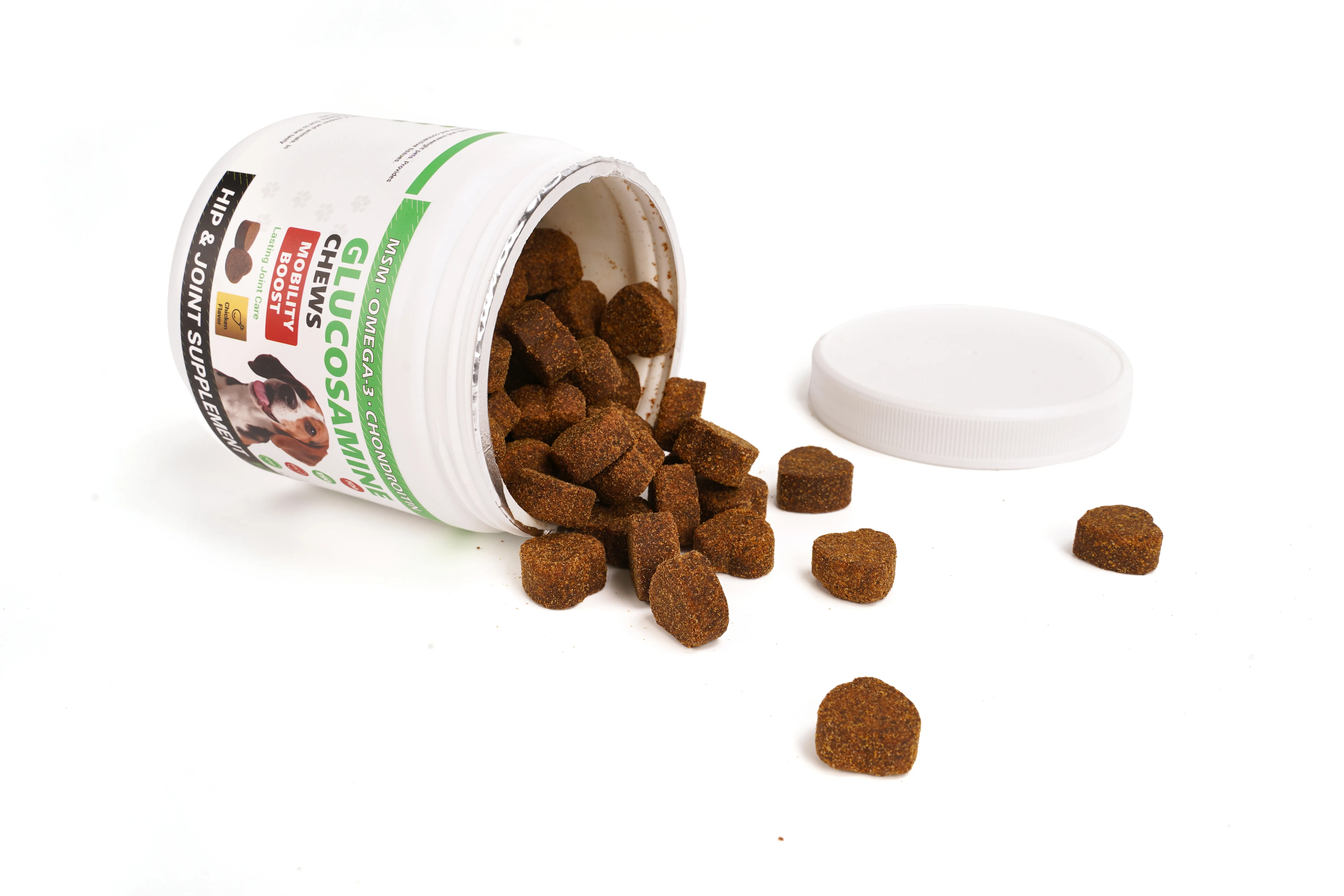
Joint Protection: Daily addition of Glucosamine And Chondroitin For Dogs. Labradors are prone to hip dysplasia and elbow dysplasia, especially after 1 year of age. Regular supplementation is essential, and dosage can be increased during exercise (based on weight) to reduce joint wear.
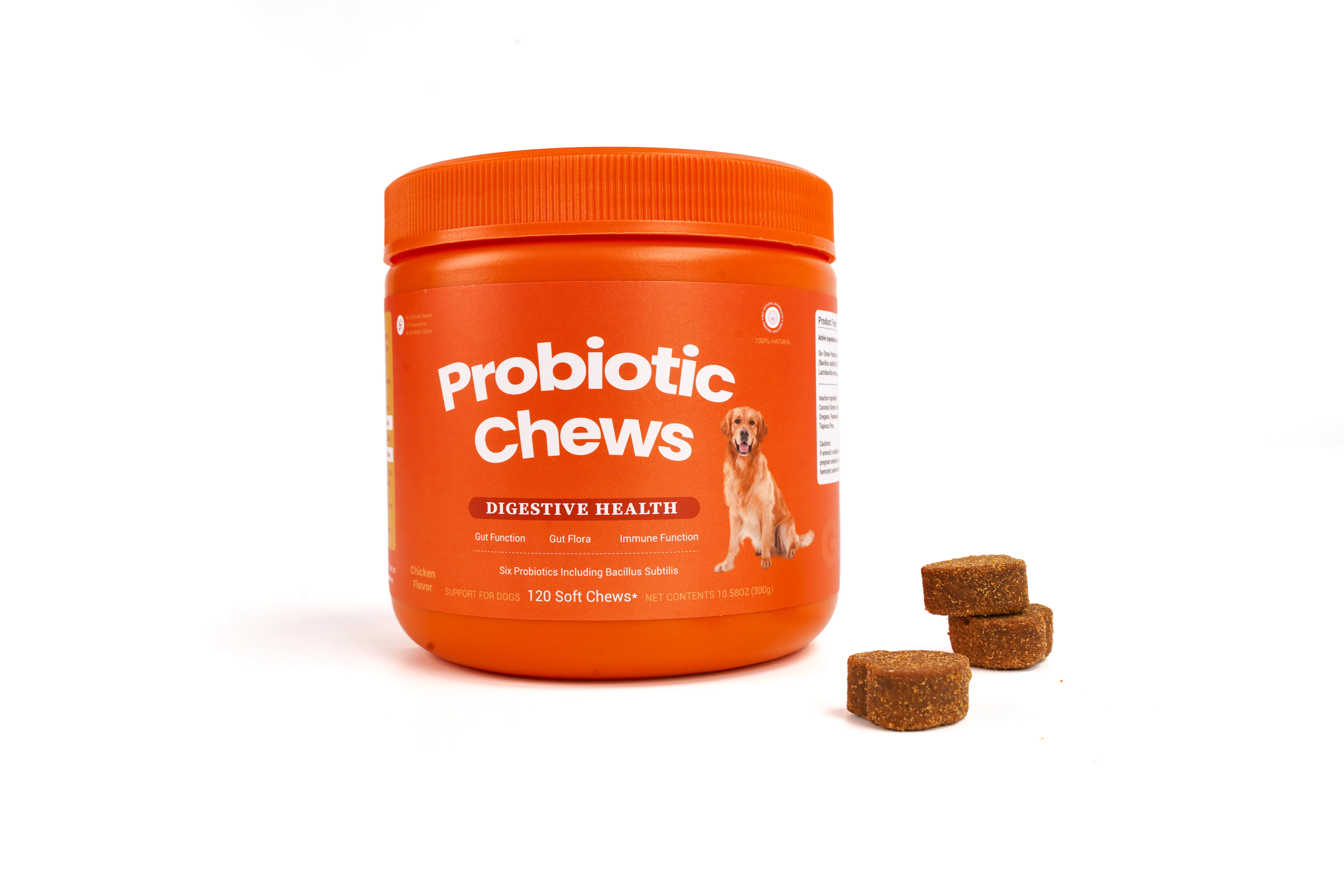
Gastrointestinal Regulation: Daily feeding of Canine Probiotic Supplement . Labradors have moderate gastrointestinal function, and overeating or diet changes can lead to diarrhea or soft stools.Probiotics help balance gut flora and enhance digestion. You can also add pumpkin puree or beet pulp to daily meals for better regulation.
Comprehensive Nutritional Coverage: One Canine Multivitamin daily to supplement vitamins A, D, calcium, iron, selenium, and other trace elements. This prevents nutritional imbalances due to a monotonous diet or exercise-related depletion, especially for indoor dogs with limited sunlight exposure, preventing calcium deficiency and decreased immunity.
Weight Management: If a Labrador is overweight, reduce the main food intake (by 10%-15% daily) and increase the proportion of vegetables. Avoid muscle gain supplements temporarily and prioritize weight loss through diet control and moderate exercise to avoid exacerbating joint burdens.
Feeding Precautions
Feed 2-3 meals daily (puppies 3-4 meals, adults 2 meals, seniors 2-3 meals). Strictly control portion sizes to avoid free feeding. Use a portion-controlled feeder, adjusting based on weight and activity level (e.g., a 25 kg adult Labrador should receive about 400-500g of main food daily).
Ensure adequate water intake, calculating based on weight (50-70 ml per kg). Provide room temperature water after exercise, avoiding ice-cold water to prevent gastrointestinal irritation. Do not feed human food (like leftovers, snacks, chocolate, grapes) to prevent poisoning or gastrointestinal discomfort.
Limit treats to no more than 5%-8% of total daily calories, prioritizing low-fat, high-protein healthy treats (dehydrated meat, vegetable chips, freeze-dried snacks). This satisfies reward needs without impacting weight.
Supplement Usage Principles
All supplements should be administered according to the dog’s weight and product dosage instructions, avoiding excessive overlap; puppies do not need muscle gain supplements, while senior dogs can increase glucosamine dosage and reduce or pause muscle gain supplements.
If the Labrador is pregnant, nursing, or has diabetes or gastrointestinal issues, consult a veterinarian before using supplements to avoid health risks.
Equipment and Supplement Usage Example (Weekly Reference)
| Day | Exercise Arrangement | Nutritional Pairing | Suitable Age |
|---|---|---|---|
| Monday | Outdoor walk 1 hour + fetch game 15 minutes | Main food + probiotics + glucosamine + multivitamins | Adult dogs 1-7 years |
| Wednesday | Agility equipment training 25 minutes + short walk 30 minutes | Main food + muscle gain supplement (as per dosage) + fish oil + glucosamine | Young adult dogs 1-6 years |
| Friday | Indoor scent search 15 minutes + walk 40 minutes | Main food + probiotics + multivitamins | All ages (puppies should simplify scent search) |
| Weekend | Swimming 20 minutes + outdoor walk 1 hour | Main food + glucosamine + multivitamins + small post-exercise treat | Adult dogs 1-7 years (seniors skip swimming, walk for 1 hour) |
Age-Specific Plan Adjustments
Puppies (2-6 months): Focus on "short and frequent" exercises, with 2 daily walks (20-30 minutes each) + 2 light fetch games (10 minutes each). Nutritional pairing should include "puppy-specific food (25% protein, around 14% fat) + probiotics + multivitamins." Avoid muscle gain supplements and feed smaller, more frequent meals (4 times daily) to prevent overeating and obesity.
Young Adult Dogs (1-6 years): Follow the table standards, with agility training difficulty increased as appropriate. Muscle gain supplements should only be added during high activity periods. Choose low-fat, high-protein formulas for adult food and strictly control portion sizes, weighing regularly (monthly) and adjusting promptly if weight exceeds limits.
Senior Dogs (8 years and older): Replace exercise with "2 daily walks (40-60 minutes each) + scent games 15 minutes + simple command reviews." Skip swimming, agility equipment, and jogging. Reduce muscle gain supplements in nutrition and increase fish oil for cardiovascular support. Choose senior-specific food (low fat, high fiber, joint support formula) along with probiotics and glucosamine to ease gastrointestinal and joint burdens.


Blog comments
0 Comments